
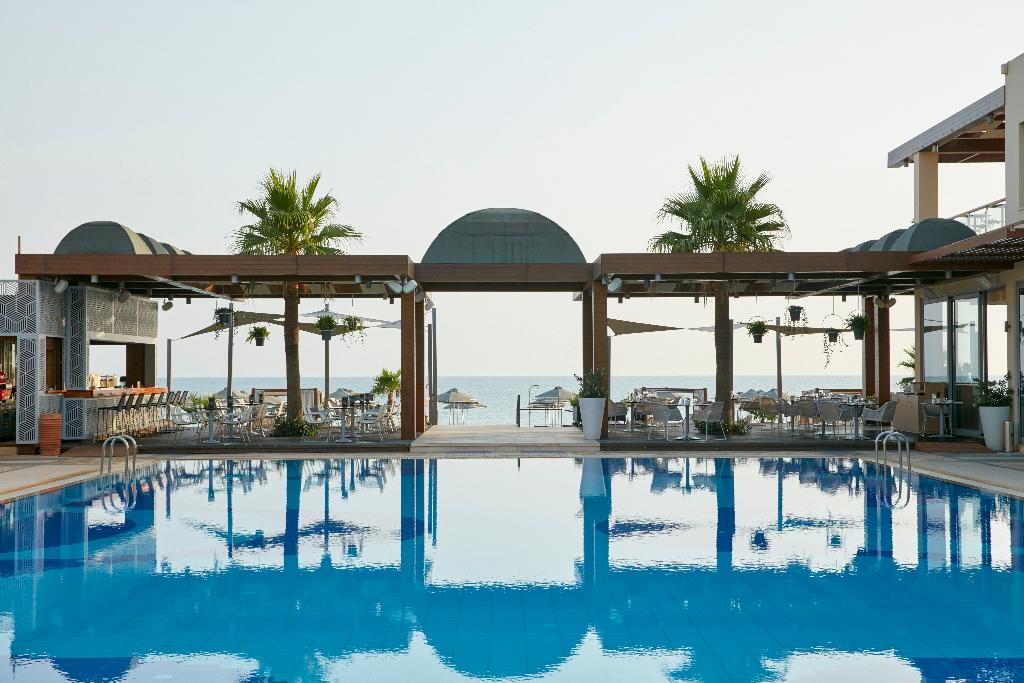
Crete is big enough to fill a dozen holidays. Europe's oldest civilisation built palaces here four thousand years ago, Venetian traders left harbours of pastel houses, and the mountains are cut by gorges you can walk for a whole day. Then there are the beaches: pink sand, turquoise lagoons and palm-fringed river mouths.
Don't try to see it all from one base. Pick the west (Chania, Rethymnon) for beaches, gorges and old towns, the centre (Heraklion) for the Minoan sites, or the east (Agios Nikolaos, Elounda) for calm bays and Spinalonga, and take day trips from there.
Don't miss
Ancient Crete
Minoan palaces older than anything in mainland Greece.
Knossos
Landmark

Photo: Marc Ryckaert (MJJR), CC BY 3.0 The great Minoan palace just outside Heraklion is the legendary home of King Minos and the labyrinth of the Minotaur. Partly reconstructed (controversially) by the archaeologist Arthur Evans, its courtyards, staircases and copies of the original frescoes bring a 4,000-year-old civilisation vividly to life.
Tip: Arrive at opening time to beat the heat and the tour groups, and combine it with the Archaeological Museum in Heraklion.
Heraklion Archaeological Museum
Museum

Photo: Jebulon, CC0 Home to the finest Minoan treasures anywhere: the original Knossos frescoes, the snake goddess figurines and the mysterious Phaistos Disc. Seeing it before or after Knossos makes the site make sense.
Phaistos
Landmark

Photo: Jebulon, CC0 The second great Minoan palace sits on a ridge above the Messara plain in the south, unreconstructed, quieter than Knossos and with sweeping views to the mountains.
Old towns
Chania old harbour
Neighbourhood

Photo: Dietmar Rabich, CC BY-SA 4.0 Crete's prettiest town wraps around a Venetian harbour with a lighthouse at its mouth and a crescent of pastel houses and tavernas along the quay. Behind it, lanes of old mansions hide boutique hotels, leather workshops and some of the best food on the island.
Tip: Walk out along the breakwater to the lighthouse at sunset for the classic view back over the town.
Rethymnon old town
Neighbourhood

Photo: Dietmar Rabich, CC BY-SA 4.0 A maze of Venetian and Ottoman lanes, fountains and minarets, guarded by the huge hilltop Fortezza, with a long sandy beach right at its edge.
Agios Nikolaos
Neighbourhood

Photo: Cayambe, CC BY-SA 4.0 A stylish harbour town in the east built around Lake Voulismeni, a small, deep lake joined to the sea by a channel and ringed by cafés.
Beaches and lagoons
Balos Lagoon
Beach

Photo: Olaf Tausch, CC BY-SA 3.0 On the remote Gramvousa peninsula in the north-west, a shallow lagoon of white sand and every shade of turquoise lies beneath a rugged headland. Reach it by boat from Kissamos or by a rough track and a downhill walk.
Elafonisi
Beach

Photo: C messier, CC BY-SA 4.0 In the far south-west, warm shallow water laps a beach tinged pink by crushed shells, with a little island you can wade across to. It's a protected area, so leave the sand where you found it.
Preveli Beach
Beach

Photo: Uoaei1, CC BY-SA 4.0 A river flows out of a palm-lined gorge onto a sandy beach on the south coast, an unexpectedly tropical scene beneath the cliffs.
Falassarna
Beach
A long, wide beach on the west coast, famous for its sunsets and big, clear water.
Matala
Beach

Photo: Jebulon, CC0 A bay on the south coast where caves carved into the cliffs, once Roman tombs, became home to a hippie colony in the 1960s. Today it's a laid-back beach village.
Nature and adventure
The Samaria Gorge
Nature

Photo: C messier, CC BY-SA 4.0 One of the longest gorges in Europe runs from the White Mountains down to the Libyan Sea. The walk is a full day, through pine forest and between towering rock walls, ending at the village of Agia Roumeli, where a ferry takes you onwards along the coast.
Tip: The gorge is open in the warmer months only. Wear proper shoes and carry water; organised trips handle the transport.
Day trips
Spinalonga
Day trip

Photo: C messier, CC BY-SA 4.0 A small island fortress off Elounda, built by the Venetians and later a leper colony until the 1950s, made famous by Victoria Hislop's novel The Island. Boats leave from Elounda, Plaka and Agios Nikolaos.
Arkadi Monastery
Landmark

Photo: Bernard Gagnon, CC BY-SA 3.0 A fortified monastery in the hills above Rethymnon and a powerful symbol of Cretan resistance against Ottoman rule, with a beautiful Venetian church at its heart.
Where to stay in Crete
Not sure which area suits you? Read our guide: Where to stay in Crete →
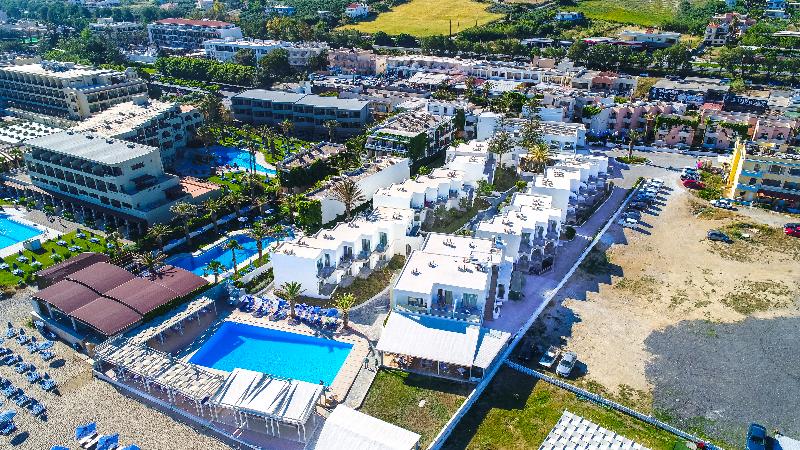
★★★★
Adele Beach
Adelianos Kampos
Pool · 80 rooms · Parking
See prices and rooms →
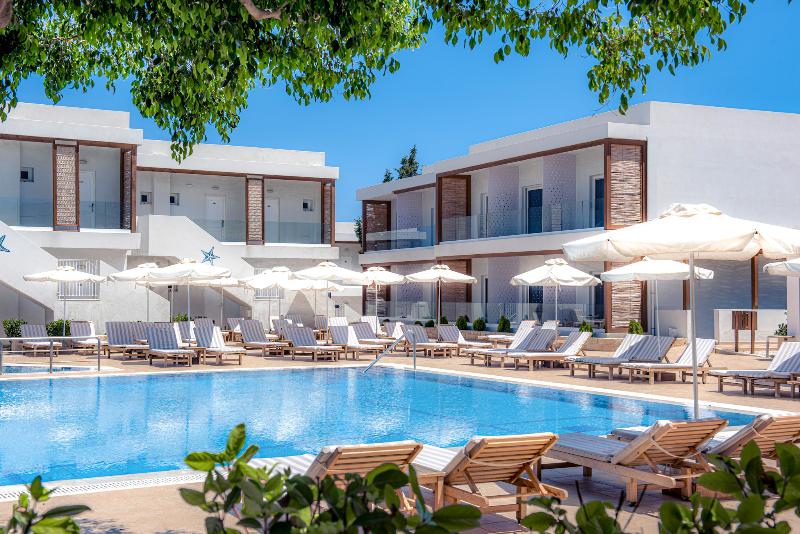
★★★★
Aelius Hotel & Spa
Kato Gouves
Beach 500 m · All-inclusive option · Spa
From £102 a night, taxes incl.2 adults · checked 1 Oct, 19:08
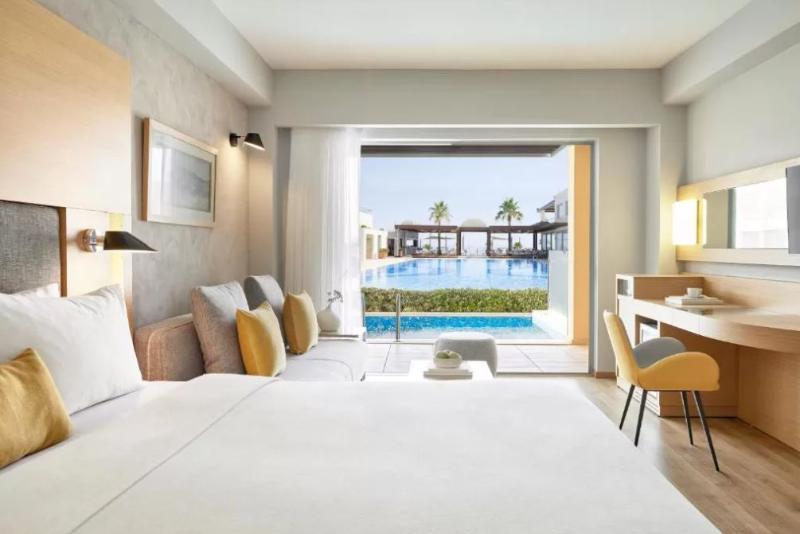
★★★★★
Minoa Palace Resort & Spa
Chania
Spa · Pool · Family-friendly
See prices and rooms →
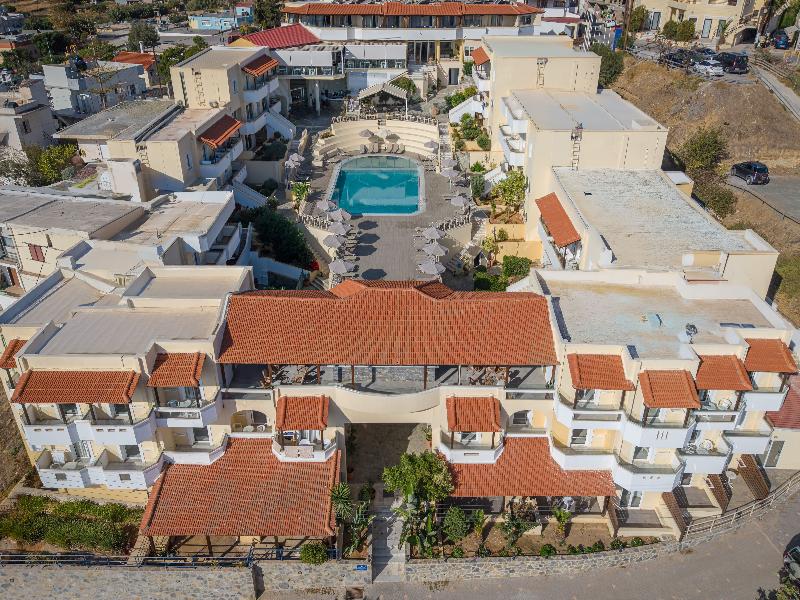
★★★★
Alexander House
Heraklion
Pool
See prices and rooms →
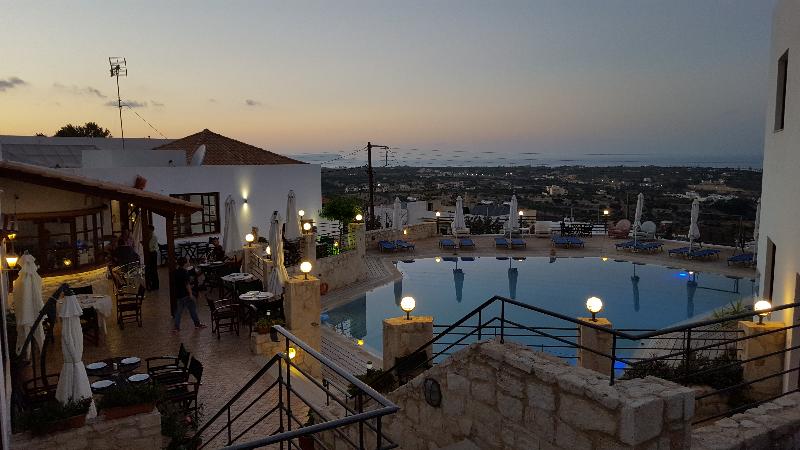
★★★★
Amazones Village Suites
Hersonissos
Beach 1.5 km · Spa · Pool
See prices and rooms →
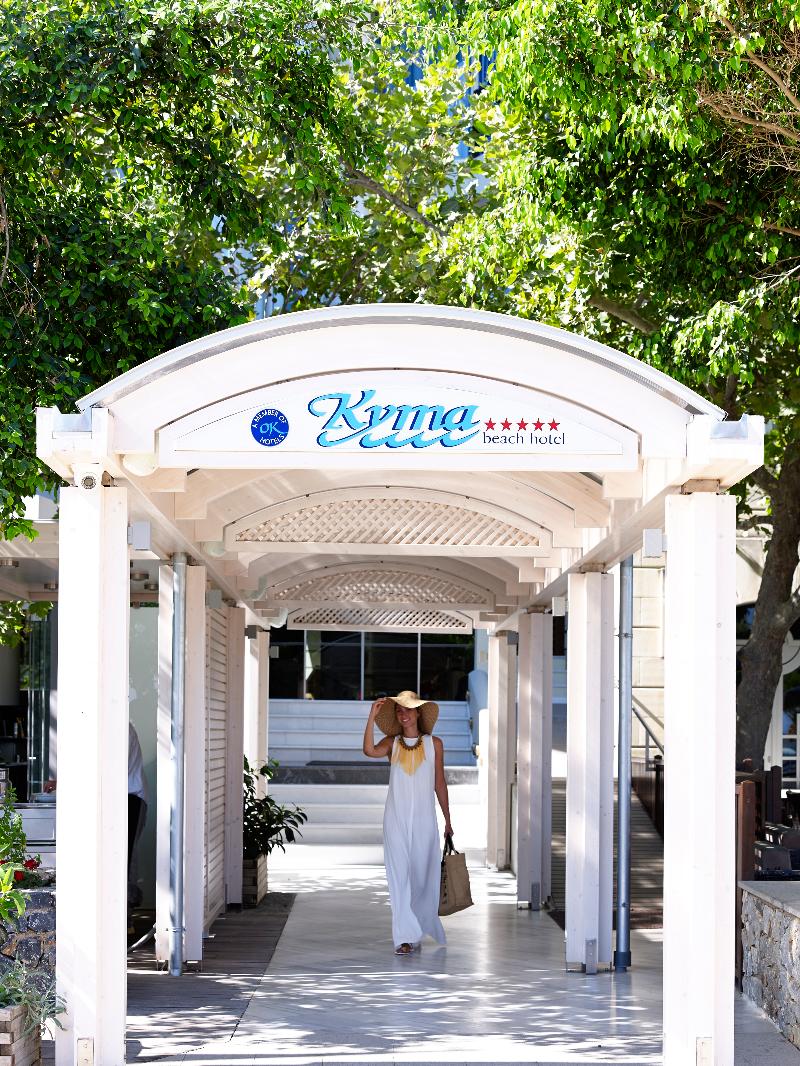
★★★★★
Kyma Suites Beach Hotel
Rethymnon
Beach 250 m · Pool · 39 rooms
From £185 a night, taxes incl.2 adults · checked 1 Oct, 19:08
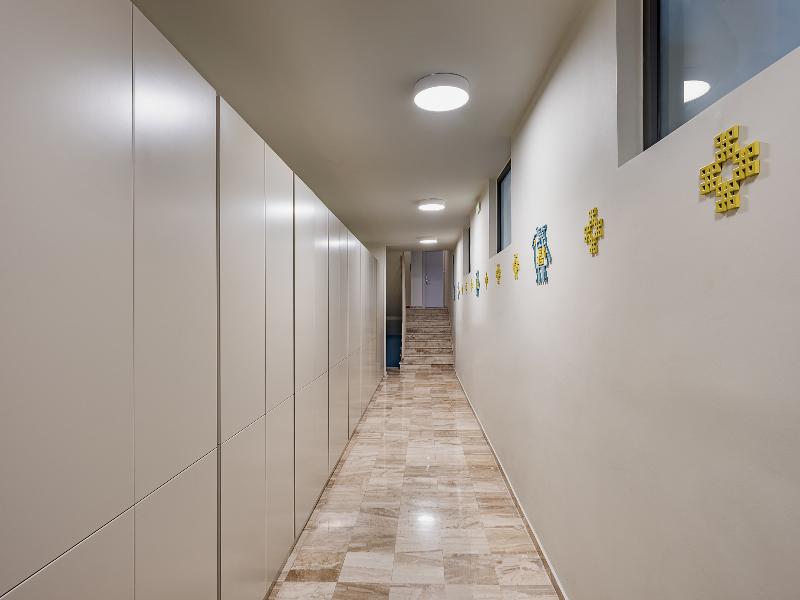
★★★★
Arkadi
Chania Town
See prices and rooms →
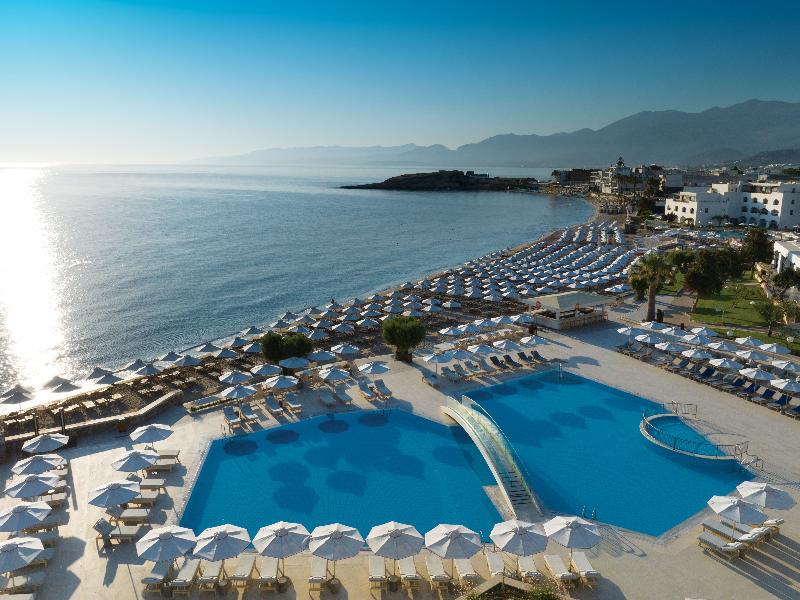
★★★★★
Creta Maris Resort-All Inclusive
Hersonissos
Beach 10 m · All-inclusive option · Spa
See prices and rooms →
Getting around
A hire car is the best way to explore: Crete is big and the best beaches and villages are spread out. Buses link the main towns along the north coast, and boat trips are the easiest way to reach Balos and Spinalonga.
When to go
Late spring and early autumn are ideal for walking and sightseeing, with warm sea into October. High summer is hot, so plan sights for the morning and beaches for the afternoon.
Questions about visiting Crete
- What is Crete best known for?
- The Minoan palace of Knossos, the Venetian old towns of Chania and Rethymnon, beaches like Balos and Elafonisi, and the Samaria Gorge.
- How many days do you need in Crete?
- A week from one base lets you see one region well. Ten days to two weeks, split between the west and the centre or east, covers the island’s highlights.
- Is Knossos worth visiting?
- Yes, especially with a guide or after seeing the Archaeological Museum in Heraklion. Go early to avoid the heat and the crowds.
- Do you need a car in Crete?
- It helps a lot. Crete is large and many of the best beaches and villages are hard to reach by bus. Organised tours and boat trips cover the big sights.
More guides
- Where to stay in Crete
- Where to stay in the Greek islands
- The best things to do in London
- The best things to do in Edinburgh
- The best things to do in Amsterdam
- The best things to do in Barcelona
- The best things to do in Budapest
- The best things to do in Dublin
- The best things to do in Krakow
- The best things to do in Prague
- The best things to do in Berlin
- The best things to do in Lisbon
- The best things to do in Milan
- The best things to do in Paris