
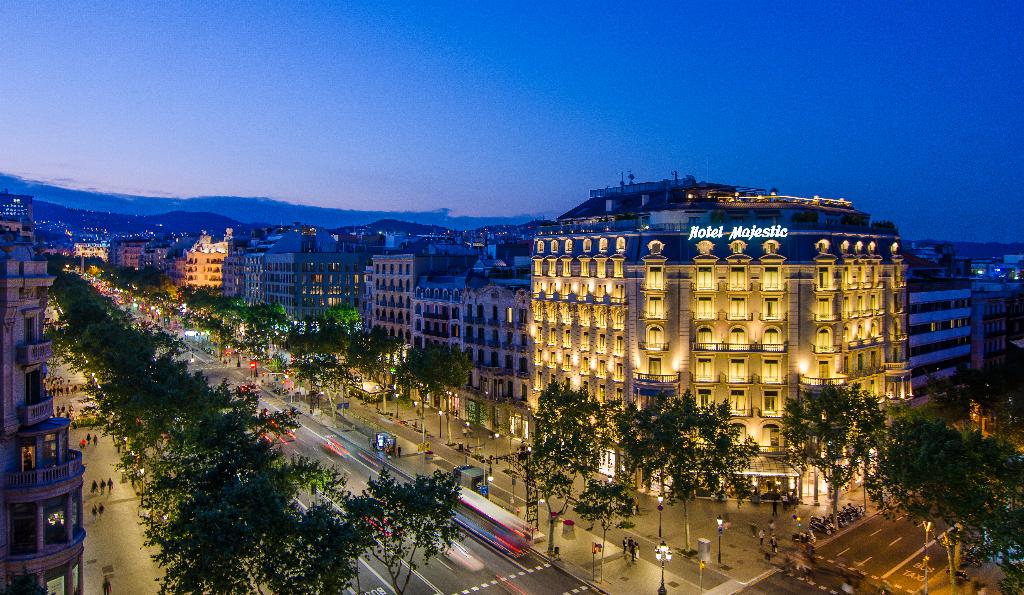
Few cities wear their personality as loudly as Barcelona. Gaudí's buildings ripple, sprout and shimmer as if they grew rather than were built, the Gothic Quarter is a maze of medieval lanes and Roman stones, and the city ends in a long strip of sand where you can swim before lunch. Add a food scene that runs from market-counter tapas to late, lingering dinners, and it's easy to see why so many people fall for it.
Book the big Gaudí sights before you travel, then give yourself time to wander. Mornings belong to the architecture, afternoons to the beach or Montjuïc, and evenings to vermut and tapas in El Born or the squares of Gràcia. Dinner rarely starts before nine; nobody's in a hurry here.
Don't miss
Gaudí's Barcelona
The buildings that made the city famous.
The Sagrada Família
Landmark

Photo: Alvesgaspar, CC BY-SA 4.0 Gaudí's extraordinary basilica has been under construction since 1882, and its spires still dominate the skyline. The outside is a riot of carved stone, but the interior is the real knockout: columns branch like trees into a vaulted forest canopy, and stained glass washes the nave in blues and greens on one side and fiery reds and oranges on the other.
Gaudí devoted the last decades of his life to the project and is buried in its crypt.
Tip: Book a timed ticket online well in advance; tower visits are booked separately and sell out first.
Park Güell
Landmark

Photo: Isiwal, CC BY-SA 3.0 Gaudí's hillside park was planned as a garden city for the wealthy and became one of his most playful creations: gingerbread-style gatehouses, a mosaic dragon guarding the stairs, and a great terrace edged with a serpentine bench covered in broken-tile mosaic, with the whole city spread out below.
Tip: Entry to the Monumental Zone is by timed ticket: book ahead and arrive at your slot.
Casa Batlló
Landmark

Photo: Bernard Gagnon, CC BY-SA 3.0 On the elegant Passeig de Gràcia, Casa Batlló looks like something from a fairy tale: balconies shaped like masks or skulls, a shimmering facade of coloured glass and ceramic, and a roof that curves like the scaly back of a dragon. Inside, there's hardly a straight line in the place.
It shares its block with Casa Amatller and Casa Lleó Morera, rival modernista mansions, a stretch nicknamed the Block of Discord.
La Pedrera
Landmark

Photo: Thomas Ledl, CC BY-SA 4.0 Casa Milà, nicknamed La Pedrera (the stone quarry), is an apartment block whose undulating stone facade rolls along the street like a cliff face. The highlight is the roof terrace, where swirling chimneys stand like helmeted sentinels over the city.
The old city
Two thousand years of history packed into a tangle of lanes.
The Gothic Quarter
Neighbourhood

Photo: Felvalen, CC BY-SA 4.0 The Barri Gòtic is Barcelona's medieval heart, a maze of narrow streets built over the Roman town. Duck under the carved bridge on Carrer del Bisbe, look up at the Gothic cathedral, and find your way to Plaça Reial, a palm-filled square whose lampposts were an early commission for a young Gaudí.
It's at its most atmospheric early in the morning or late at night, when the lanes empty and footsteps echo.
El Born and the Picasso Museum
Neighbourhood
Across Via Laietana, El Born is the old city at its most stylish: boutiques, cocktail bars and tapas joints around the soaring Catalan Gothic church of Santa Maria del Mar. On Carrer de Montcada, a row of medieval palaces holds the Picasso Museum, strong on the artist's early years and formative time in the city.
Tip: Book the Picasso Museum online for a timed entry.
La Rambla and La Boqueria
Market

Photo: Matti Blume, CC BY-SA 4.0 La Rambla, the tree-lined promenade running from Plaça de Catalunya down to the sea, is Barcelona's most famous street, and its busiest. Treat it as a route rather than a destination and duck into La Boqueria, the city's great food market: towers of fruit, glistening seafood, hanging hams and tiny counter bars cooking whatever's fresh.
Tip: Pickpockets work La Rambla hard. Keep bags zipped and phones out of back pockets.
Palau de la Música Catalana
Landmark

Photo: Alvesgaspar, CC BY-SA 4.0 Lluís Domènech i Montaner's modernista concert hall is a UNESCO-listed jewel box of mosaics, sculpted muses and stained glass, crowned by a glowing inverted dome of a skylight. Join a guided tour, or better still, see it the way it was meant to be seen, at a concert.
Beaches and hills
Barceloneta beach
Beach

Photo: DimiTalen, CC0 The city beach starts at the old fishermen's quarter of Barceloneta and runs north along a palm-lined promenade, with beach bars, volleyball nets and a few hardy swimmers all year round. It gets packed in summer; the beaches further north towards Bogatell are usually calmer.
Tip: Take only what you need to the beach and never leave bags unattended.
Montjuïc
Nature

Photo: Felix König, CC BY 3.0 The green hill above the port is a whole day out: a cable car, a clifftop castle, gardens, the 1992 Olympic stadium and two superb art museums, the Fundació Joan Miró and the National Art Museum of Catalonia (MNAC) in the grand Palau Nacional. The terrace in front of the palace has one of the best views in town.
Tibidabo
Activity
The highest peak of the Collserola hills behind the city is topped by a neo-Gothic church and a wonderfully old-fashioned amusement park that has been entertaining families for more than a century. On a clear day the view takes in the whole city and the sea.
Eat and drink
Tapas and vermut
Food

Photo: Katherine Price from UK, CC BY 2.0 Start with pa amb tomàquet, bread rubbed with ripe tomato, olive oil and salt, then work through patatas bravas, croquetas, grilled prawns and the bomba, a spicy potato and meat ball said to have been born in Barceloneta. Before Sunday lunch, do as the locals do and go out 'fer el vermut', a glass of sweet red vermouth over ice with olives and crisps.
Rice by the sea
Food
Barcelona's seafront restaurants are the place for seafood paella, arròs negre, rice black with squid ink, and fideuà, its short-noodle cousin. Locals eat rice at lunchtime, not dinner, ideally on a long Sunday afternoon with a bottle of cava.
Gràcia
Neighbourhood
Once a separate village, Gràcia still feels like one: low buildings, independent shops and little squares such as Plaça del Sol and Plaça de la Virreina, where the terraces fill up on warm evenings. In August, its Festa Major sees residents decorate whole streets in competition.
Day trips
Montserrat
Day trip

Photo: Bernard Gagnon, CC BY-SA 3.0 North-west of the city, a mountain of strange, saw-toothed rock pinnacles shelters a Benedictine monastery, home to La Moreneta, the revered Black Madonna, and one of Europe's oldest boys' choirs. Walking trails lead on from the monastery to viewpoints and hermitages high on the ridge.
Tip: Trains from Plaça d’Espanya connect with a cable car or rack railway up to the monastery.
Sitges
Day trip
A short train ride down the coast, Sitges is a whitewashed seaside town with a string of sandy beaches, a church perched on the headland and a famously lively, welcoming nightlife scene. It's a lovely escape for a beach day away from the city crowds.
Where to stay in Barcelona
Not sure which area suits you? Read our guide: Where to stay in Barcelona →
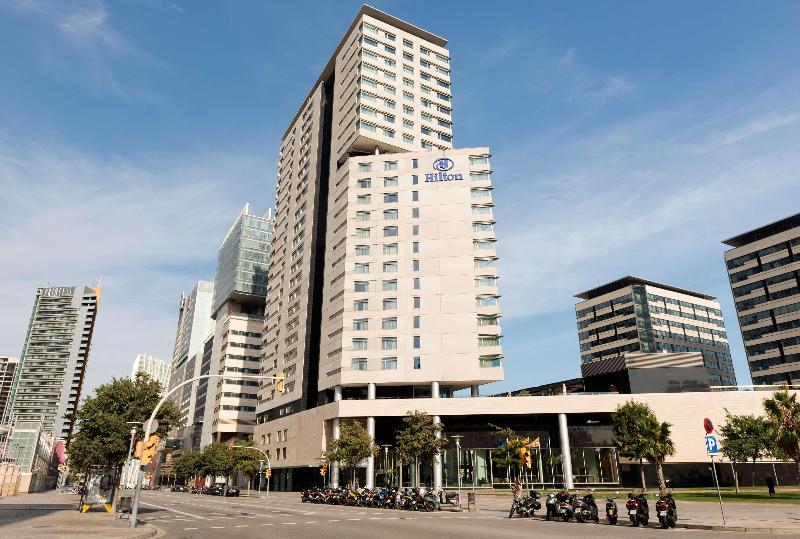
★★★★
Hilton Diagonal Mar Barcelona
Barcelona
Beach 400 m · All-inclusive option · Spa
See prices and rooms →
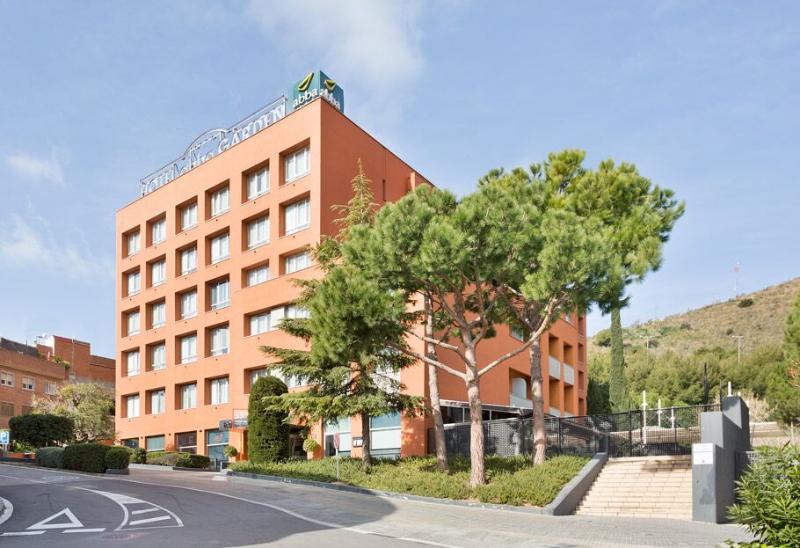
★★★★
Abba Garden
Esplugues de Llobregat
Pool · Parking
See prices and rooms →
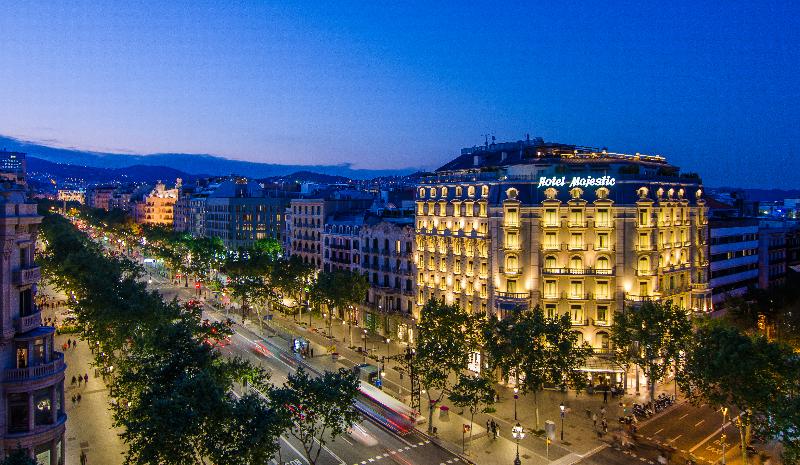
★★★★★
Majestic Hotel & Spa Barcelona
Barcelona
Beach 2 km · Spa · Pool
From £665 a night, taxes incl.2 adults · checked 1 Oct, 17:23
★★★★
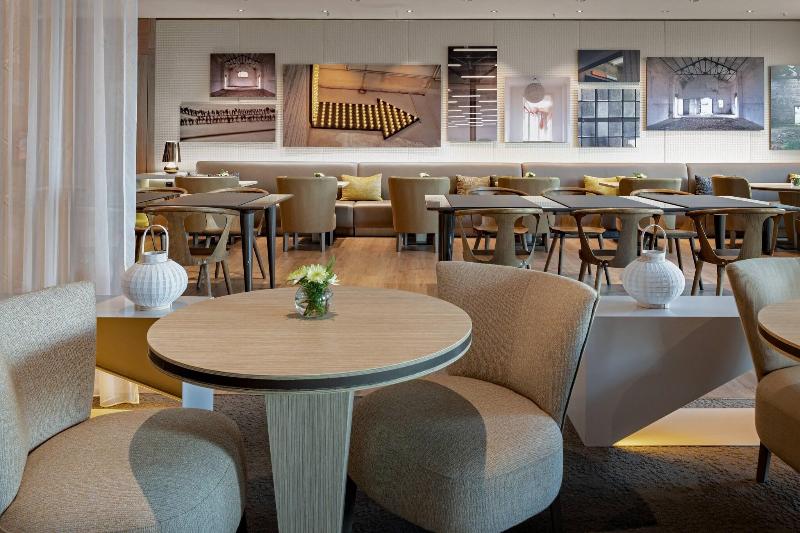
AC Barcelona Diagonal D'Illa
Barcelona
Parking
See prices and rooms →
★★★★
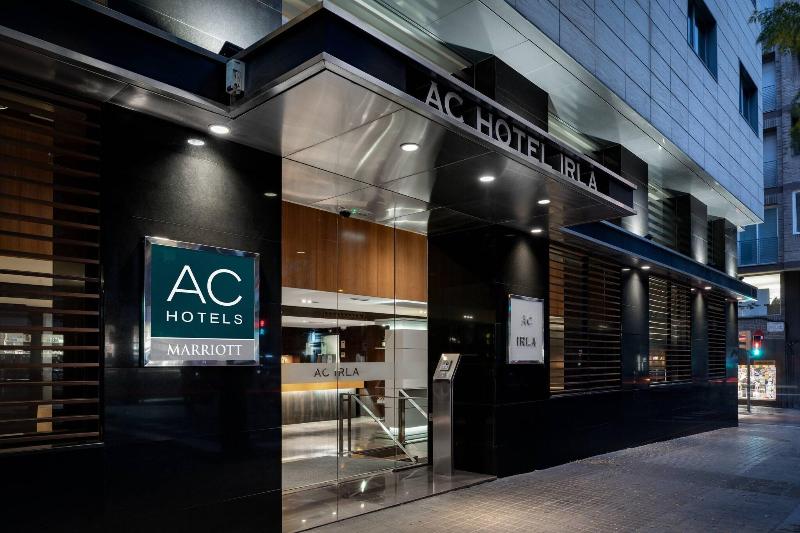
AC Barcelona Irla
Barcelona
36 rooms · Parking
From £353 a night, taxes incl.2 adults · checked 1 Oct, 17:23
★★★★★
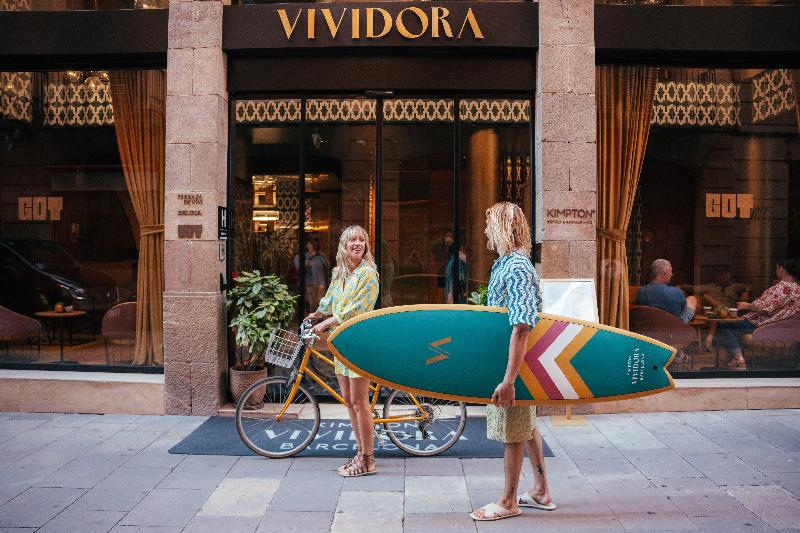
Kimpton Vividora Hotel
Barcelona
Beach 2 km · Pool · Pets allowed
See prices and rooms →
★★★★
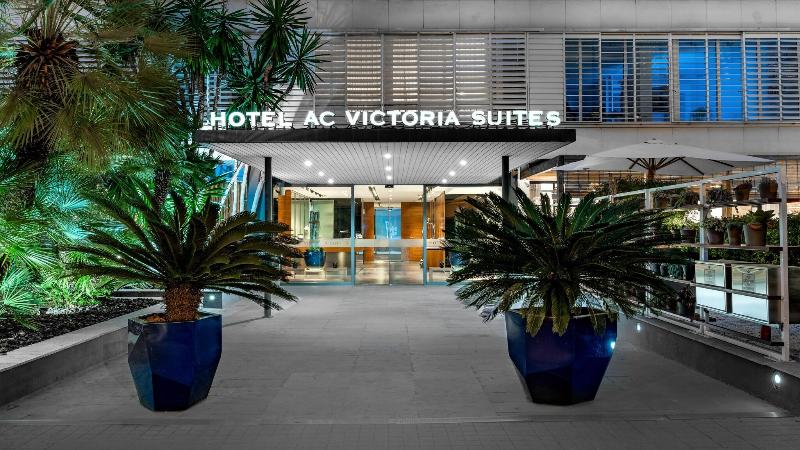
AC Barcelona Victoria Suites
Barcelona
Pool · 66 rooms · Parking
See prices and rooms →
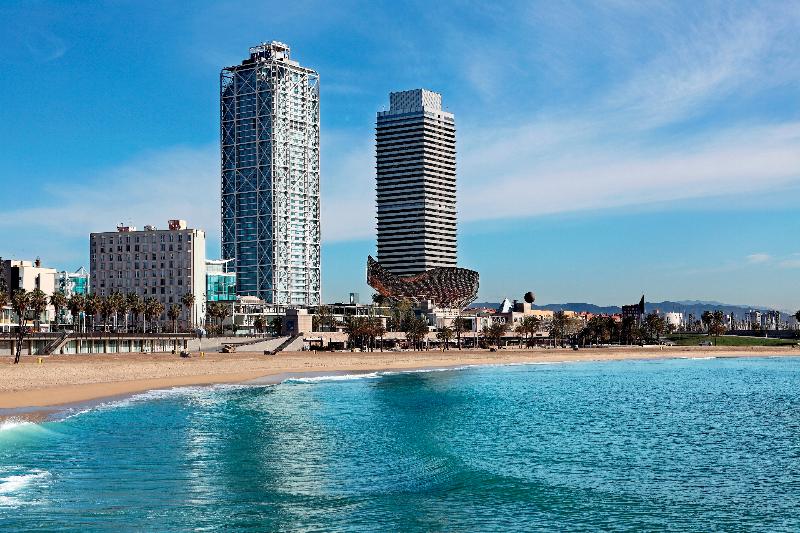
★★★★★
Hotel Arts
Barcelona
Beach 50 m · Spa · Pool
From £591 a night, taxes incl.2 adults · checked 1 Oct, 17:23
Getting around
The metro is fast and easy and reaches most of the sights, and the old city and Eixample are a pleasure on foot. Buses and the funicular help with the hills. You won’t need a car in the city; for Montserrat and Sitges, take the train.
When to go
Late spring and early autumn are ideal, warm enough for the beach without the summer crowds. July and August are hot, humid and busy. Winter is mild and quieter, good for sightseeing if not for swimming.
Questions about visiting Barcelona
- What is Barcelona best known for?
- Gaudí's architecture, above all the Sagrada Família, Park Güell and Casa Batlló, along with the Gothic Quarter, its city beaches, tapas and football.
- How many days do you need in Barcelona?
- Three or four days covers the Gaudí highlights, the old city, Montjuïc and some beach time. Add a day for Montserrat or Sitges.
- Do you need to book the Sagrada Família in advance?
- Yes. Tickets are sold for timed slots and often sell out days ahead, especially for the towers. Park Güell and Casa Batlló are also best booked online.
- Is Barcelona good for a beach holiday?
- It has several kilometres of sandy city beaches, from Barceloneta north to Bogatell and beyond, so you can combine sightseeing with swimming. For quieter sand, take the train to Sitges.
More guides
- Where to stay in Barcelona
- The best things to do in London
- The best things to do in Edinburgh
- The best things to do in Amsterdam
- The best things to do in Budapest
- The best things to do in Dublin
- The best things to do in Krakow
- The best things to do in Prague
- The best things to do in Berlin
- The best things to do in Lisbon
- The best things to do in Milan
- The best things to do in Paris
- The best things to do in Rome
- The best things to do in Madrid