
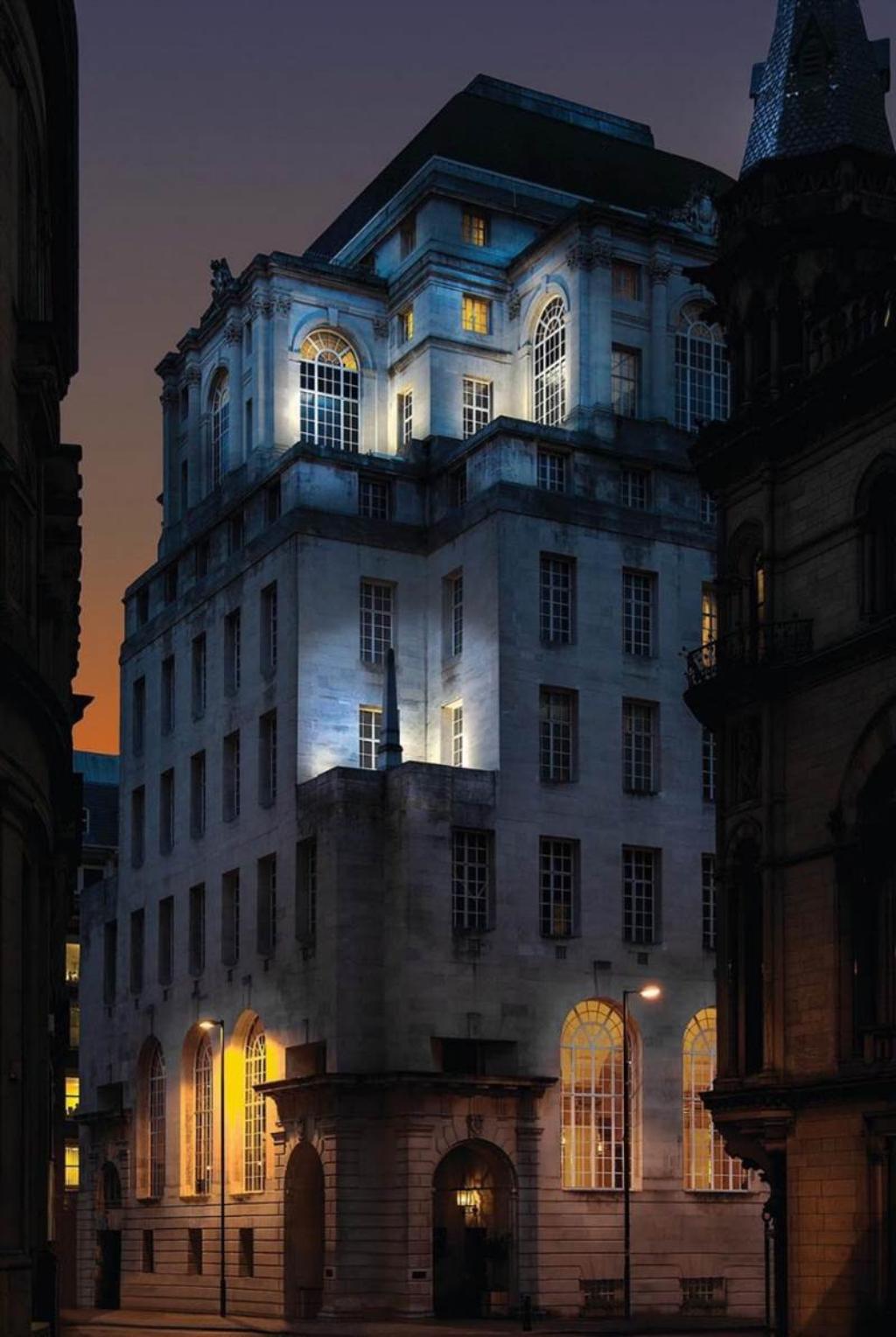
Manchester does not do pretty. It does red brick, cast iron and swagger. This was the first great industrial city, the place that gave the world the passenger railway, the splitting of the atom, the suffragettes and a remarkable amount of very good music. The cotton mills are now flats and food halls, the canals are lined with bars, and the confidence has never gone away.
Come for the football, the museums or a night out, and you will find all three done properly. The centre is walkable, the trams fill in the gaps, and when you have had enough of the city the hills of the Peak District are a short train ride away. Bring a coat. The rain is not a myth.
Don't miss
The big sights
Grand Victorian buildings and the museums that explain how the city changed the world.
John Rylands Library
Landmark

Photo: Eirian Evans, CC BY-SA 2.0 From Deansgate it looks like a cathedral, and inside it feels like one. This neo-Gothic library was built by Enriqueta Rylands in memory of her husband, a cotton magnate, and opened to readers in 1900. The reading room is the showpiece: a long vaulted hall of pale stone, stained glass and book-lined alcoves. It is part of the University of Manchester and holds some extraordinary treasures, including one of the earliest known fragments of the New Testament. A must for book lovers, and for anyone who needs twenty quiet minutes.
Science and Industry Museum
Museum

Photo: Robert Wade, CC BY-SA 2.0 Manchester's story is the story of the Industrial Revolution, and this museum tells it on the right spot: the site of Liverpool Road station, the terminus of the world's first inter-city passenger railway. Expect thundering textile machinery, early computers and the tale of how cotton made the city. It is hands-on, noisy and very good with children. Parts of the historic site have been under long-term restoration, so check what is open before you set your heart on a particular gallery.
Manchester Art Gallery
Museum

Photo: David Dixon, CC BY-SA 2.0 A handsome Greek-revival building on Mosley Street holding the city's art collection. It is best known for its Pre-Raphaelites, a roomful of jewel-coloured Victorian paintings by Rossetti, Millais, Holman Hunt and Ford Madox Brown, but there is plenty of modern work, craft and fashion too. It is the right size for an hour or two, and the café is a civilised place to wait out a shower.
Manchester Museum
Museum
The university's museum on Oxford Road reopened after a major rebuild with new galleries devoted to South Asia and to Chinese culture, alongside its long-loved Egyptian collection, a vivarium of rare frogs and a cast of a Tyrannosaurus rex called Stan. It is a friendly, family-minded place in a grand Victorian building, and pairs well with a walk through the university quarter to the Whitworth gallery in its park.
Football and the Quays
Two giant clubs, one national museum and a reborn dockland.
Old Trafford
Activity

Photo: Arne Müseler, CC BY-SA 3.0 de The home of Manchester United, known to fans as the Theatre of Dreams. On non-match days you can tour the stadium, walk down the players' tunnel, sit in the dugout and browse a museum crammed with trophies and the club's long, sometimes tragic, history. Blues are catered for across town, where Manchester City run tours of the Etihad Stadium. Either way, getting a ticket for a league match takes planning well ahead.
National Football Museum
Museum

Photo: habiloid, CC BY-SA 2.0 In the sloping glass Urbis building by Victoria station, this is the national collection of the game England gave the world. There are historic shirts, famous balls and trophies, plus plenty of interactive challenges where children, and competitive adults, can test their penalty-taking. It works even if you support nobody. The social history, from factory teams to the modern game, is told with real affection.
The Lowry
Landmark

Photo: Brian Deegan, CC BY-SA 2.0 The old Manchester docks at Salford Quays were rebuilt around this gleaming steel arts centre, named after L. S. Lowry, the painter of matchstick figures and mill chimneys. Its galleries hold a large collection of his work, and its theatres host touring drama, dance and comedy. The waterside around it, linked by footbridges to MediaCity and the BBC's northern home, makes a good afternoon's stroll.
Imperial War Museum North
Museum

Photo: Phil and Juliette Platt, CC BY-SA 2.0 Across the water from The Lowry stands one of the most striking buildings in the north: Daniel Libeskind's design of three clashing aluminium shards, meant to represent a globe shattered by conflict. The floor slopes, the walls lean, and that sense of unease is deliberate. Inside, the focus is on how war shapes ordinary lives. Every so often the lights drop and the whole main hall becomes a screen for an immersive film.
Neighbourhoods to wander
The Northern Quarter
Neighbourhood

Photo: Anthony Parkes, CC BY-SA 2.0 Manchester's creative heart: a grid of old warehouses filled with record shops, vintage stores, coffee roasters and bars. The red-brick fire escapes look so much like old New York that film crews regularly use the streets as a stand-in. Start at Afflecks, a multi-storey indoor market of independent stalls that has dressed the city's teenagers for decades, then follow the street art around Stevenson Square. By night the area becomes one long bar crawl.
Tip: Browse the shops by day and come back after dark: the best bars are often behind unmarked doors or down in basements.
Castlefield
Neighbourhood
Where Manchester began. The Romans built a fort here, and you can still see its reconstructed gateway. Centuries later the Bridgewater Canal arrived, then the railways, leaving a dramatic tangle of waterways, cobbles and towering Victorian viaducts. Today it is the city's calmest corner, with canal boats, waterside pubs and an outdoor arena. On a sunny evening the beer gardens fill up fast.
Ancoats
Neighbourhood
Just beyond the Northern Quarter, Ancoats was the world's first industrial suburb, a district of enormous cotton mills and workers' terraces. The mills still loom over the canal, but now they hold flats, bakeries and some of the most talked-about restaurants in the city. Come hungry. Cutting Room Square is the centre of things, and the streets around it are the place for a long, lazy dinner.
Canal Street and the Gay Village
Nightlife

Photo: Stephen McKay, CC BY-SA 2.0 One of the best-known LGBTQ+ districts in Britain runs along the Rochdale Canal, a short walk from Piccadilly station. Bars and clubs line the towpath, tables spill outside in summer, and the party goes late most nights of the week. Manchester Pride takes over the area over the August bank holiday weekend. In nearby Sackville Gardens, look for the memorial statue of Alan Turing sitting on a bench.
Eat and drink
The Curry Mile
Food

Photo: Bill Boaden, CC BY-SA 2.0 A stretch of Wilmslow Road in Rusholme, south of the universities, that glows with neon after dark. It made its name with Pakistani and Indian curry houses, and today the mix is wider: Middle Eastern grills, shawarma bars, sweet shops and shisha cafés, all open late. It is busy, loud and good value, and a favourite with students for exactly those reasons.
Chinatown
Food

Photo: citysuitesimages, CC BY 2.0 A few compact streets behind the Art Gallery, entered beneath a towering ornamental archway on Faulkner Street that was made in China and shipped over. It is one of the largest Chinatowns in Britain, with Cantonese restaurants, bakeries, supermarkets and bubble tea on every corner. Come for dim sum at lunchtime, and for the dragon parade if you are in town for Chinese New Year.
Day trips
The Peak District
Day trip

Photo: Andrew Bone from Weymouth, England, CC BY 2.0 Britain's first national park begins almost where the suburbs end. Trains on the Hope Valley line run from Manchester Piccadilly into the hills, stopping at villages such as Edale, the starting point of the Pennine Way, and Hathersage. The landscape is all gritstone edges, green dales and dry-stone walls, with a good pub at the end of nearly every walk. Pack boots and a waterproof; the weather on the tops changes quickly.
Where to stay in Manchester
Not sure which area suits you? Read our guide: Where to stay in Manchester →

★★★★
The Midland Manchester - A Leonardo Royal Hotel
Manchester
Spa · Pool
From £181 a night, taxes incl.2 adults · checked 14 Nov, 22:07

★★★★
Hotel Indigo Manchester - Victoria Station
Manchester
From £107 a night, taxes incl.2 adults · checked 14 Nov, 22:07
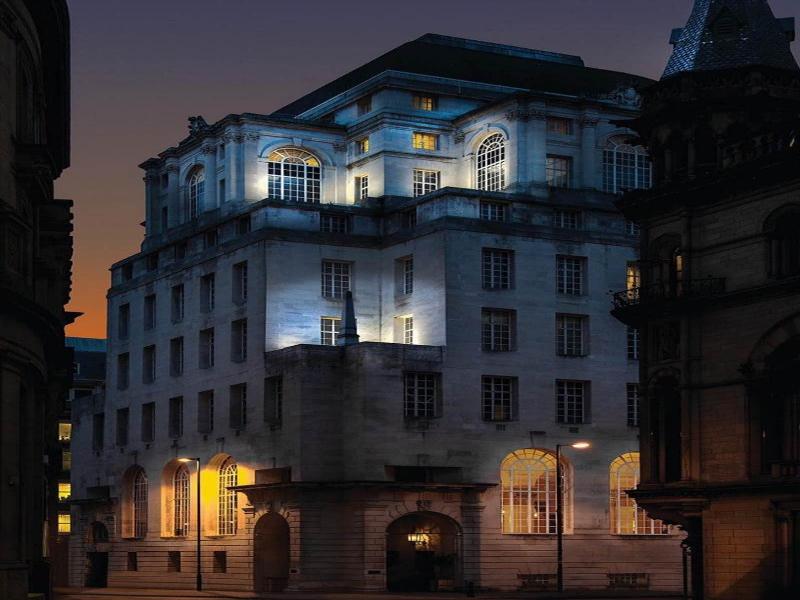
★★★★★
The Rex
Manchester
Parking
From £182 a night, taxes incl.2 adults · checked 14 Nov, 22:07

★★★★
Holiday Inn Manchester City Centre
Manchester
Parking
From £116 a night, taxes incl.2 adults · checked 14 Nov, 09:37

★★★★
Football, Old Trafford, a Tribute Portfolio Hotel
Manchester
Parking
From £321 a night, taxes incl.2 adults · checked 14 Nov, 03:22

★★★★★
Crow Wood Hotel & Spa Resort
Burnley
Spa · Pool · 76 rooms
From £223 a night, taxes incl.2 adults · checked 14 Nov, 09:37

★★★★
Eleven Didsbury Park
Manchester
20 rooms · Parking
See prices and rooms →

★★★★★
Fairmont Cheshire The Mere
Knutsford
Spa · Pool · Parking
From £315 a night, taxes incl.2 adults · checked 14 Nov, 09:37
Getting around
The city centre is easy to cover on foot. For Salford Quays, Old Trafford, the Etihad and the airport, use the Metrolink trams, which run frequently and take contactless payment. You do not need a car, and parking in the centre is a nuisance.
When to go
Any time. Manchester is an indoor city as much as an outdoor one, so the famous rain rarely spoils a trip. Summer brings festivals and beer gardens, late autumn brings big Christmas markets, and the football season runs from August to May.
Questions about visiting Manchester
- What is Manchester best known for?
- Football, music and its industrial past. It is home to Manchester United and Manchester City, produced bands from The Smiths to Oasis, and was the first great city of the Industrial Revolution.
- Is Manchester worth visiting?
- Yes, especially for a city break built around museums, food and nightlife. It is less about postcard views and more about atmosphere, with a compact centre and distinct neighbourhoods to explore.
- How many days do you need in Manchester?
- Two days is enough for the main museums, the Northern Quarter and a stadium tour. Add a third for Salford Quays or a day in the Peak District.
- What is there to do in Manchester with kids?
- The Science and Industry Museum, Manchester Museum and the National Football Museum are all family favourites, and stadium tours at Old Trafford or the Etihad are a hit with young fans.
- Do you need a car in Manchester?
- No. The centre is walkable and the tram network reaches the Quays, the stadiums and the airport. Trains run to the Peak District.
More guides
- Where to stay in Manchester
- The best things to do in London
- The best things to do in Edinburgh
- The best things to do in York
- The best things to do in Amsterdam
- The best things to do in Birmingham
- The best things to do in Liverpool
- The best things to do in Bristol
- The best things to do in Barcelona
- The best things to do in Budapest
- The best things to do in Cambridge
- The best things to do in Dublin
- The best things to do in Krakow
- The best things to do in Oxford