
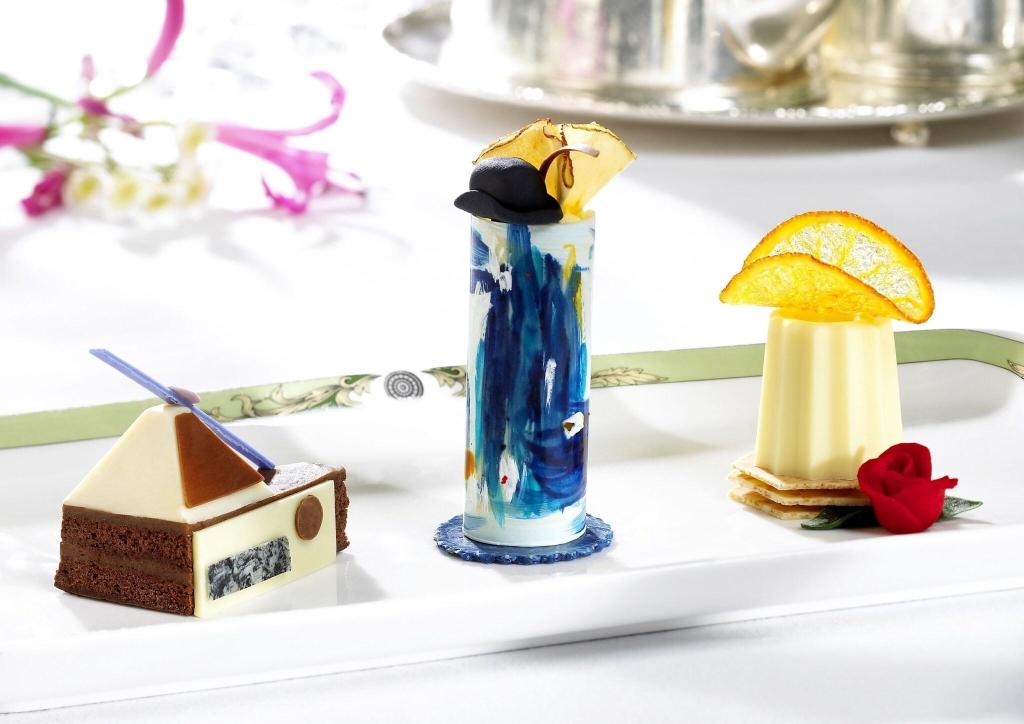
Dublin is a small capital with a big personality. Georgian squares and brightly painted doors, medieval cathedrals, a river running through the middle and a pub on what feels like every corner. It's a city of storytellers, where Joyce, Wilde, Yeats and Beckett walked the same streets you'll, and where the craic, the music and the conversation matter as much as the sights.
It's also easy to cover. Most of the big names sit within a short walk of the Liffey, and the coast, the mountains and some of Ireland's oldest monuments are a train, bus or short drive away. Plan a mix of museums, history and pubs, and leave an evening free for live music.
Don't miss
The big sights
The Guinness Storehouse
Landmark

Photo: Dieglop, CC BY-SA 4.0 The home of Ireland's most famous stout, in the old brewery at St James's Gate. Seven floors wind around a glass atrium shaped like a giant pint, telling the story of how Guinness is made and sold around the world, and the Gravity Bar at the top finishes with a pint and a 360-degree view over the city.
Tip: Book your slot ahead, especially at weekends and in summer.
Trinity College and the Book of Kells
Landmark

Photo: Diliff, CC BY-SA 4.0 Ireland's oldest university has cobbled squares and a lovely campus right in the city centre. The big draw is the Old Library, where the Book of Kells, a dazzlingly illuminated 9th-century gospel, is displayed, and the barrel-vaulted Long Room, lined with 200,000 antique books, is one of the world's great libraries.
Tip: Reserve timed tickets online to skip the longest queues.
Kilmainham Gaol
Museum

Photo: Velvet, CC BY-SA 3.0 A grim Victorian prison that holds a central place in Irish history, because leaders of the 1916 Easter Rising were held and executed here. Guided tours are gripping and moving, and the central hall with its iron stairs is one of the most striking interiors in the city.
Tip: Tours run on timed slots, so book ahead.
Dublin Castle
Landmark

Photo: Jowaria, CC BY-SA 4.0 Part medieval tower, part Georgian palace, the castle was the seat of British rule for centuries and is now used for state occasions. Tour the State Apartments, the Chapel Royal and the Viking-era foundations beneath.
St Patrick's Cathedral
Landmark

Photo: Diliff, CC BY-SA 3.0 Ireland's largest church, dedicated to the national patron saint and associated with Jonathan Swift, the author of Gulliver's Travels, who was once its dean. Inside are glorious floor tiles, banners of knights and a choir known for its music.
Streets and neighbourhoods
Temple Bar
Neighbourhood

Photo: Gordon Leggett, CC BY-SA 4.0 Cobbled lanes, live music and plenty of pubs south of the Liffey. It's rowdy and touristy, yes, but it's also home to galleries, theatres and a Saturday food market, and it's the place for a pint to a soundtrack of traditional Irish music.
Tip: Pubs here charge more than elsewhere in the city. For better value, wander a few streets away.
Grafton Street and St Stephen's Green
Neighbourhood

Photo: Dronepicr (edited by King of Hearts) Edit corrects CA and sharpens image, CC BY 3.0 Dublin's pedestrian shopping street fills with buskers and flower sellers, and at its southern end lies St Stephen's Green, a Victorian park with ducks, a lake and bandstand, perfect for a picnic or an hour's rest from sightseeing.
Ha'penny Bridge and the Liffey
Landmark

Photo: The wub, CC BY-SA 4.0 The elegant cast-iron footbridge over the Liffey, opened in 1816, is one of the city's best-loved landmarks. Cross it, then stroll along the quays to the Samuel Beckett Bridge, shaped like a harp, in the revived Docklands.
Georgian Dublin and Merrion Square
Neighbourhood
The 18th-century streets around Merrion Square are lined with elegant red-brick townhouses and doors painted every colour of the rainbow. Oscar Wilde grew up on the square, and a statue of him lounges on a rock in the park.
Museums and green space
The National Museum of Ireland: Archaeology
Museum
Free to enter and full of treasures: Bronze Age gold, the Ardagh Chalice and the Tara Brooch, as well as Viking finds and preserved bog bodies. A brilliant introduction to thousands of years of Irish history.
EPIC The Irish Emigration Museum
Museum
A hi-tech, interactive museum in the Docklands telling the story of the millions of Irish people who left home, and the mark they left on the world. It's more moving than you might expect.
Phoenix Park
Nature
One of the largest walled city parks in Europe, with wide open grassland, wild fallow deer, a tall monument and a few good cafés. Hire a bike to cover it comfortably.
Eat and drink
A proper pint of Guinness
Nightlife
Order it, wait while it settles, and sip it slowly. Try a traditional pub such as The Brazen Head, which claims to be the city's oldest, or one of the snug old bars around Grafton Street. Many have live traditional music most nights.
Irish stew
Food
A hearty bowl of slow-cooked lamb with potatoes, carrots and onions, a staple of Irish pubs. Pair it with brown soda bread and butter for the full effect.
A full Irish breakfast
Food
Sausages, rashers, eggs, black and white pudding, grilled tomato and beans, with toast and tea. It's the best-known way to soak up a big night, and a proper foundation for a day of sightseeing.
The coast and day trips
Howth
Day trip

Photo: Ivucica, CC BY-SA 4.0 A fishing village on a headland north of the city, reached by DART train. Walk the cliff path around the peninsula, then stop for seafood by the harbour. It's the classic way to escape the city for the day.
Dalkey and Killiney
Day trip
A pair of elegant seaside villages south of the city, linked by the DART. Wander Dalkey's lanes and castle, then climb Killiney Hill for a view across the bay that people compare with Naples.
Malahide Castle
Day trip

Photo: William Murphy from Dublin, Ireland, CC BY-SA 2.0 A medieval castle with a walled garden, set in a large park, in the pretty seaside suburb of Malahide on the north coast. Combine it with a walk along the estuary and lunch in the village.
Glendalough
Day trip

Photo: Superbass, CC BY-SA 4.0 A glacial valley in the Wicklow Mountains with two lakes, woodland trails and the remains of an early monastic settlement, including a round tower. Tour buses run from Dublin, or you can drive.
Newgrange
Day trip

Photo: Tjp finn, CC BY-SA 4.0 A passage tomb in the Boyne Valley, built about 5,000 years ago and older than Stonehenge. Its white quartz facade is spectacular, and visits are by guided tour from the visitor centre.
Tip: Book well in advance; access is limited and organised tours from Dublin are popular.
Where to stay in Dublin
Not sure which area suits you? Read our guide: Where to stay in Dublin →

★★★★
Hyatt Centric The Liberties Dublin
Dublin
Parking
From £250 a night, taxes incl.2 adults · checked 1 Oct, 17:08

★★★★
Ashling Hotel
Dublin
Parking
From £194 a night, taxes incl.2 adults · checked 1 Oct, 17:08
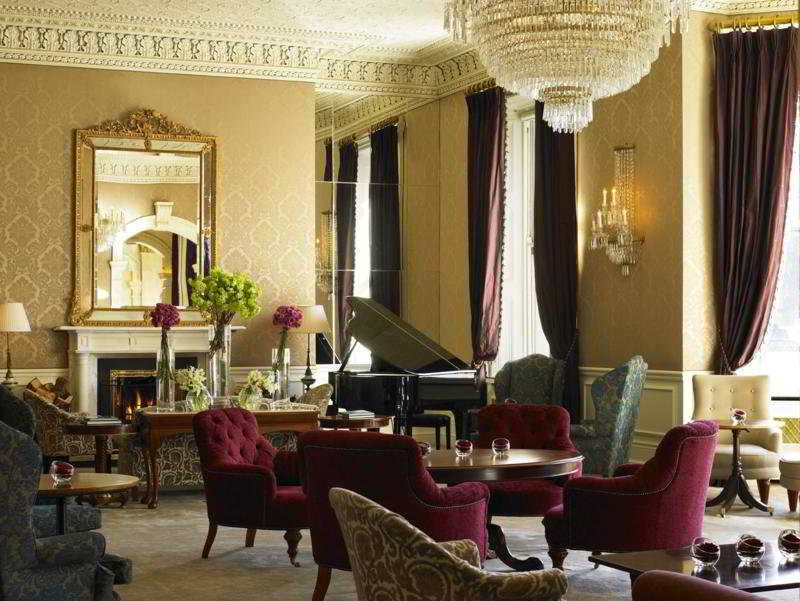
★★★★★
The Shelbourne, Autograph Collection
Dublin
Beach 3 km · Spa · Pool
From £880 a night, taxes incl.2 adults · checked 1 Oct, 17:08
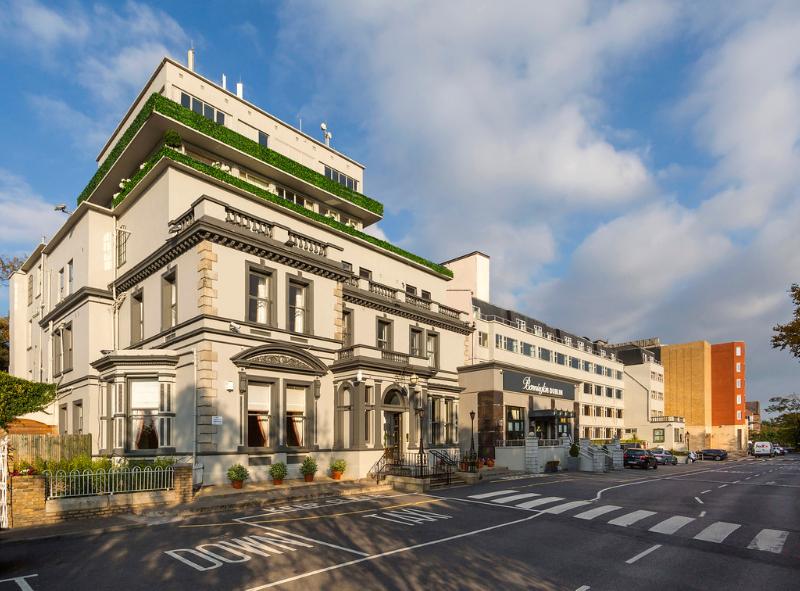
★★★★
Bonnington Dublin
Dublin
Beach 1 km · Spa · Pool
From £178 a night, taxes incl.2 adults · checked 1 Oct, 17:08
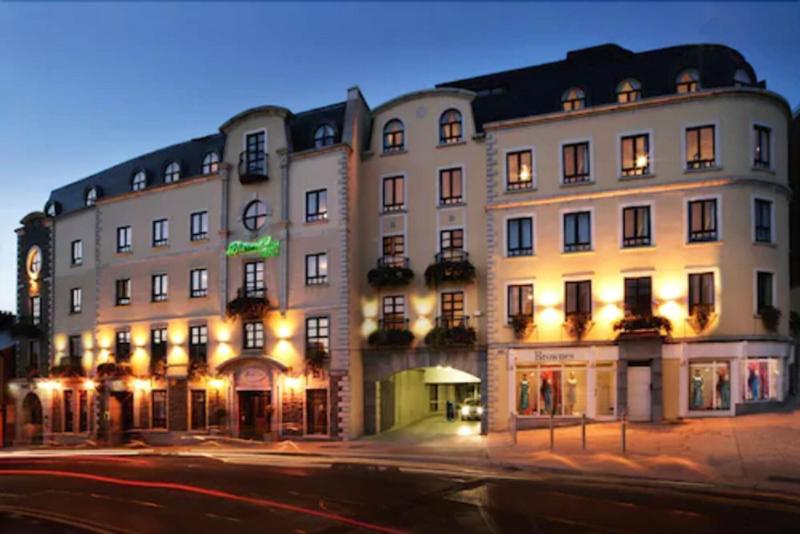
★★★★
Bracken Court Hotel
Balbriggan
66 rooms · Parking
From £199 a night, taxes incl.2 adults · checked 1 Oct, 17:08

★★★★★
The Merrion
Dublin
Spa · Pool · Family-friendly
See prices and rooms →
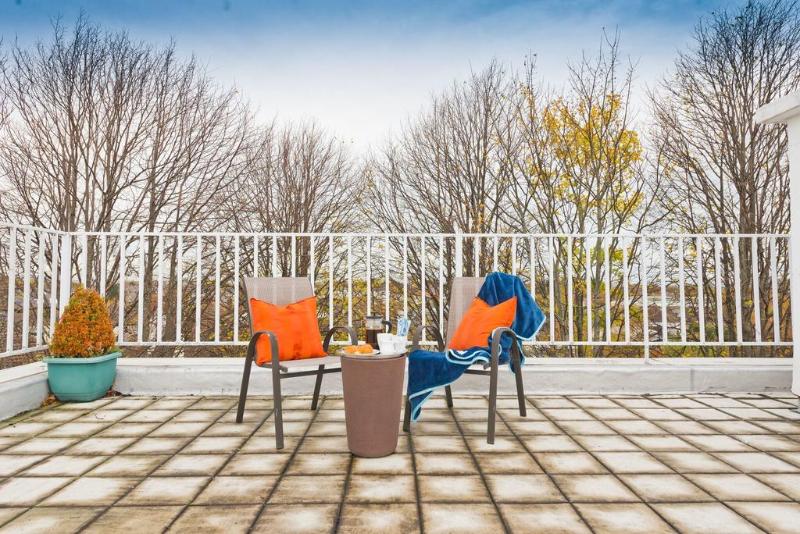
★★★★
Broc House Suites
Dublin
24 rooms · Parking
See prices and rooms →
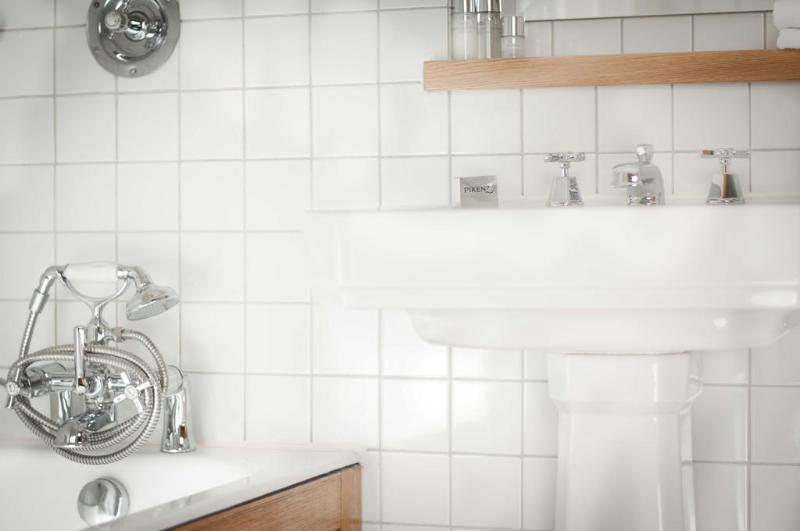
★★★★★
The Clarence
Dublin
5 rooms · Parking
See prices and rooms →
Getting around
Central Dublin is compact and best explored on foot. The Luas tram links the main areas, the DART runs along the coast to Howth, Dalkey and beyond, and buses fill in the rest. Taxis are plentiful, but you won't need a car unless you want to explore Wicklow or Meath.
When to go
Dublin is mild but changeable, so pack layers and a waterproof at any time of year. Late spring and summer have long evenings, and St Patrick's Day in March is a big, busy celebration. Autumn and winter are quieter and cosier, with turf fires in the pubs.
Questions about visiting Dublin
- What is Dublin best known for?
- Guinness, its pubs and live music, Trinity College and the Book of Kells, Georgian architecture, literary history and a friendly, talkative atmosphere.
- How many days do you need in Dublin?
- Two or three days covers the main sights and a few pubs. Add a day for a coast or countryside trip to Howth, Glendalough or Newgrange.
- Is Dublin walkable?
- Yes. The central sights, from Trinity College and Grafton Street to Temple Bar and Dublin Castle, are close together, and most of the old centre is flat.
- What is there to do in Dublin with kids?
- Phoenix Park, the Guinness Storehouse tour, Dublin Castle, the beach and cliff walks at Howth, and the interactive exhibits at EPIC are all family-friendly.
More guides
- Where to stay in Dublin
- The best things to do in London
- The best things to do in Edinburgh
- The best things to do in Amsterdam
- The best things to do in Barcelona
- The best things to do in Budapest
- The best things to do in Krakow
- The best things to do in Prague
- The best things to do in Berlin
- The best things to do in Lisbon
- The best things to do in Milan
- The best things to do in Paris
- The best things to do in Rome
- The best things to do in Madrid