
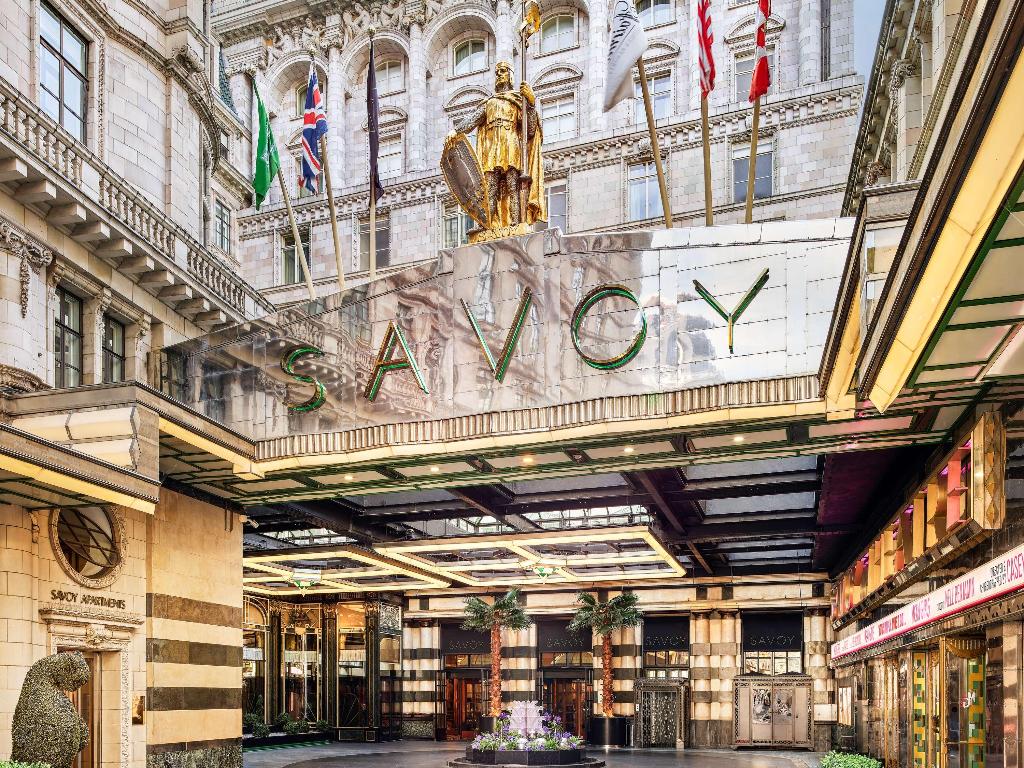
London is a city you never finish. A thousand years of history is stacked on top of itself here: a Norman fortress beside a glass skyscraper, a Wren dome over a medieval lane, a Victorian bridge opening for a cargo ship. Add world-class museums that cost nothing to walk into, royal parks bigger than some towns, and food from every corner of the planet, and a long weekend only scratches the surface.
The trick is to stop trying to see it all. Pick a neighbourhood a day, mix one big sight with a market, a park or a pub, and use the river as your spine. The Tube gets you almost everywhere, but some of the best moments come on foot, so pack comfortable shoes and an umbrella you can forget about until you need it.
Don't miss
The big sights
The famous ones are famous for a reason. Do them early, or on a weekday, and they are a joy.
The Tower of London
Landmark

Photo: Bob Collowan, CC BY-SA 3.0 A fortress, a royal palace, a prison and a treasure house, all inside one set of walls beside the Thames. The White Tower dates from William the Conqueror, the Crown Jewels glitter in the Jewel House, and the Yeoman Warders, better known as Beefeaters, lead tours packed with gore and gossip.
Look out for the resident ravens, which legend says must never leave or the kingdom will fall.
Tip: Book ahead and arrive at opening to see the Crown Jewels before the queues build.
Tower Bridge
Landmark

Photo: Diliff, CC BY-SA 3.0 The blue-and-white bascule bridge everyone mistakes for London Bridge, opened in 1894 and still lifting for ships. Walk across for free, or pay to climb the high-level walkways, where a glass floor lets you watch traffic crawl beneath your feet.
Tip: Bridge lift times are published online, so you can plan to be there when the roadway rises.
Westminster Abbey
Landmark

Photo: Diego Delso, CC BY-SA 4.0 Britain's coronation church, where monarchs have been crowned since 1066 and royal weddings still dazzle the world. Inside are the tombs of kings and queens, Poets' Corner, where Chaucer, Dickens and Hardy are remembered, and a soaring Gothic nave that stops conversation.
Tip: Come early on a weekday, and leave time to wander the quiet cloisters.
Big Ben and the Houses of Parliament
Landmark
Strictly, Big Ben is the great bell inside the Elizabeth Tower, but everyone uses the name for the whole clock tower. The best view is from Westminster Bridge at sunset, when the Gothic Revival Palace of Westminster glows gold beside the river.
Buckingham Palace
Landmark

Photo: Diliff, CC BY-SA 3.0 The King's London residence, with the Victoria Memorial and The Mall sweeping up to it from Trafalgar Square. The Changing of the Guard is pure pageantry, red tunics and bearskin hats, though it draws a crowd and the schedule changes, so check the latest details before you go.
Tip: The State Rooms open to visitors only at certain times of year, so book in advance if you want to see inside.
St Paul's Cathedral
Landmark

Photo: Julian Herzog (Website), CC BY 4.0 Sir Christopher Wren's masterpiece has dominated the skyline since the 1700s. Climb to the Whispering Gallery, where a murmur travels round the dome, then keep going to the outside galleries for a sweeping view across the City.
The London Eye
Activity

Photo: Dietmar Rabich, CC BY-SA 4.0 The giant observation wheel on the South Bank turns slowly enough that you can take in Westminster, the river and, on a clear day, a long way beyond. It's touristy and unashamedly so, but a ride at sunset is hard to beat.
Museums and galleries
The permanent collections of London’s great national museums are free to enter. Special exhibitions are extra.
The British Museum
Museum

Photo: Eric Pouhier, CC BY-SA 3.0 Two million years of human history under one roof in Bloomsbury. The Rosetta Stone, Egyptian mummies, the Parthenon sculptures and Assyrian lion hunts are just the start, and the glass-roofed Great Court is one of the loveliest rooms in the city.
It's vast, so don't try to see everything. Choose two or three galleries and enjoy them properly.
Tip: Pick up a map and plan a short route; you will not see it all in a day.
The Natural History Museum
Museum

Photo: Helen Ilus, CC BY-SA 4.0 A Romanesque cathedral to nature in South Kensington. Under the great arches of Hintze Hall hangs the skeleton of a blue whale, and beyond it are dinosaurs, gemstones, volcanoes and an earthquake simulator. Children adore it; adults sneak back for the architecture alone.
Tip: Visit first thing, or on a weekday, to beat the school-holiday crowds.
The V&A
Museum
One of the world's great museums of art and design, a short walk from the Natural History Museum. Fashion, furniture, jewellery, ceramics, sculpture and theatre are all here, in a building as beautiful as anything inside it. The café, with its decorated halls, is a destination in itself.
Tate Modern
Museum

Photo: King of Hearts, CC BY-SA 4.0 Modern and contemporary art in the old Bankside Power Station on the south bank of the Thames. The cavernous Turbine Hall hosts huge commissioned works, and the viewing terrace at the top of the Blavatnik Building gives a great look over St Paul's and the City.
Tip: Combine it with a riverside walk to Shakespeare’s Globe and Borough Market.
The National Gallery
Museum
Right on Trafalgar Square, with Western European painting from the 13th century to the early 20th, including Van Gogh's Sunflowers and a roomful of Turners. It's manageable in a couple of hours, which makes it perfect between other sights.
The Science Museum
Museum
Steam engines, rockets, early computers and hands-on galleries make this a hit with families, and it sits beside the V&A and Natural History Museum on Exhibition Road. A good rainy-day option for curious children and curious adults alike.
Along the river
The Thames is London’s main street. Walk it, ride it or just sit beside it.
The South Bank walk
Activity
Start at the London Eye and stroll east along the Thames Path past the Southbank Centre, the National Theatre, Tate Modern and the Globe, with street performers, book stalls and food vendors along the way. It's flat, free and brilliant for people-watching.
Shakespeare's Globe
Landmark
A faithful reconstruction of the open-air theatre where Shakespeare's plays were first staged, on Bankside by the Thames. Go on a tour, or see a play from the summer season standing in the yard as the groundlings once did.
Greenwich
Neighbourhood
A riverside World Heritage Site with the Cutty Sark tea clipper, the Painted Hall, a covered market and Greenwich Park. At the Royal Observatory you can stand astride the Prime Meridian line, and the hill above gives a famous view back to Canary Wharf.
Tip: Arrive by river bus for the best approach, and walk back through the foot tunnel under the Thames.
Parks and gardens
Roughly a third of London is green space. Use it.
Hyde Park and Kensington Gardens
Nature
Two royal parks side by side in the heart of the city. Boat on the Serpentine, visit the Diana Memorial Playground, peer at Kensington Palace and wander to Speakers' Corner, where soapbox orators still hold forth on Sundays.
Regent's Park and Primrose Hill
Nature
Formal rose gardens, an open-air theatre and a boating lake in Regent's Park, then a short walk to the top of Primrose Hill for one of the best free views of the London skyline.
Hampstead Heath
Nature
Wild woodland, meadows and ponds on a hill north of the centre. Climb Parliament Hill for a skyline view, then reward yourself with a pub lunch in Hampstead village.
Richmond Park
Nature
A huge former royal hunting park on the south-west edge of the city, with ancient oaks, rolling grassland and herds of red and fallow deer. Keep your distance from the deer and take the Isabella Plantation in spring for a blaze of azaleas.
Kew Gardens
Nature

Photo: Diliff, CC BY-SA 3.0 The Royal Botanic Gardens, a UNESCO World Heritage Site, with the Victorian Palm House, a treetop walkway and glasshouses full of orchids and giant lilies. It's lovely in any season and big enough to lose half a day in.
Tip: Arrive by river from central London in summer, or take the Overground or District line.
Markets and neighbourhoods
London is really a collection of villages. Each has its own mood.
Borough Market
Market

Photo: Jeremy Keith from Brighton & Hove, United Kingdom, CC BY 2.0 London's most famous food market, beside London Bridge, has traded in some form for centuries. Come hungry: expect cheese, charcuterie, fresh bread, oysters, pies and street food from all over the world.
Tip: Weekdays are far calmer than Saturdays; go for a late lunch and graze.
Covent Garden
Neighbourhood
A former fruit-and-veg market turned piazza, with street performers, craft stalls and the Royal Opera House close by. It's busy and touristy, but the surrounding lanes, with Neal's Yard and Seven Dials, are well worth exploring.
Soho
Neighbourhood
Small, packed and always up for it. Soho squeezes jazz bars, indie cinemas, Italian delis, Chinatown restaurants and some of London's best late-night spots into a handful of streets. Walk it in the daylight, then come back for dinner.
Notting Hill and Portobello Road
Market
Pastel terraces, antique stalls and vintage shops along Portobello Road. Saturday is the big market day, with the street at its busiest and most colourful. It's also home to the Notting Hill Carnival, held every August bank holiday weekend.
Camden Market
Market
Canal-side stalls, street food from every continent and a long tradition of alternative fashion and music. Walk along the Regent's Canal from here to Little Venice for a very different side of London.
Shoreditch and Brick Lane
Neighbourhood
East London's creative heart, with street art on every wall, vintage stores, cocktail bars and the curry houses of Brick Lane. Come on a Sunday for the markets, and don't leave without a salt beef bagel from one of the old-school bakeries.
Eat, drink and a show
Fish and chips
Food
Crisp battered cod or haddock, thick chips, mushy peas and a wedge of lemon. The classic British takeaway is best eaten with salt and vinegar, preferably with a view of the river.
A Sunday roast
Food
A British institution: roast beef, chicken or lamb, crisp roast potatoes, Yorkshire pudding and plenty of gravy. Head for a proper pub and book ahead, since the best ones fill up fast.
Afternoon tea
Food
Finger sandwiches, warm scones with clotted cream and jam, tiny cakes and a pot of tea, served in grand hotels across the city. It's a treat, so book early, and don't plan much for the evening.
A West End show
Nightlife
London's theatreland, clustered around Shaftesbury Avenue and Covent Garden, stages long-running musicals, plays and new work every night of the week. The official ticket booth in Leicester Square sells same-day seats, or book ahead for the big names.
A proper pub
Nightlife
Find a pub with a fireplace, a decent pint and a bit of history. The Prospect of Whitby and the Anchor on Bankside both overlook the Thames, while Fleet Street has some of the oldest in the city.
Day trips
London sits on one of the best-connected rail networks in Europe. Pick a town and go.
Windsor Castle
Day trip

Photo: Diliff, CC BY 3.0 The world's oldest and largest inhabited castle, a royal home for nearly a thousand years. Visit St George's Chapel, the State Apartments and the castle's Round Tower, then stroll to the Thames or the Long Walk in Windsor Great Park.
Hampton Court Palace
Day trip
Henry VIII's Tudor palace on the Thames, with huge kitchens, the Great Hall, a baroque wing and a famous hedge maze. Take a boat from Westminster in summer or a quick train from Waterloo.
Oxford
Day trip
A city of honey-coloured colleges, the Bodleian Library and the Radcliffe Camera. Walk the college lanes, punt on the river in summer and stop at one of the old pubs. It's about an hour from London by train.
Cambridge
Day trip
King's College Chapel, the Backs along the River Cam and the cobbled lanes of the university town. Hire a punt, or just walk and soak it all up. Trains run from King's Cross and Liverpool Street.
Brighton
Day trip
The classic seaside escape, with a pebble beach, a Victorian pier, the exotic Royal Pavilion and the independent shops and cafés of the Lanes and North Laine. About an hour by train from central London.
Stonehenge
Day trip
The prehistoric stone circle on Salisbury Plain is one of the most famous ancient monuments in the world. It makes a long day from London, and many visitors take an organised tour that also includes Bath or Salisbury.
Where to stay in London
Not sure which area suits you? Read our guide: Where to stay in London →
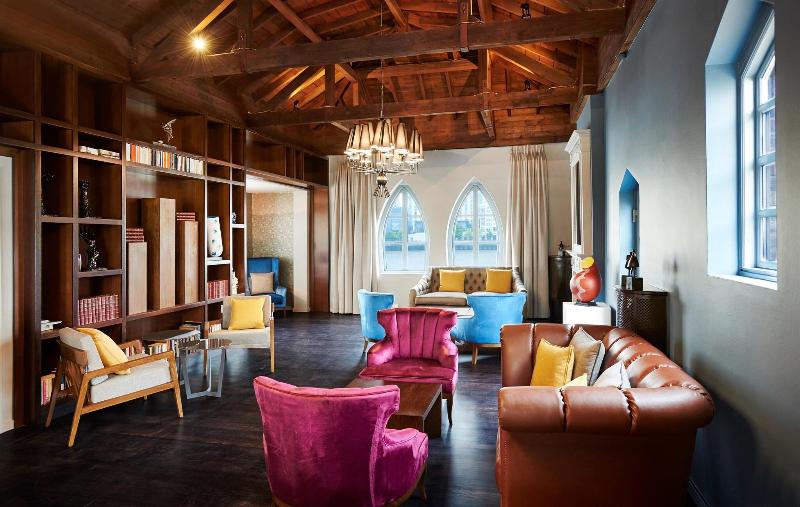
★★★★
a&o London Docklands Riverside
London
Pool · Parking
From £184 a night, taxes incl.2 adults · checked 1 Oct, 17:07
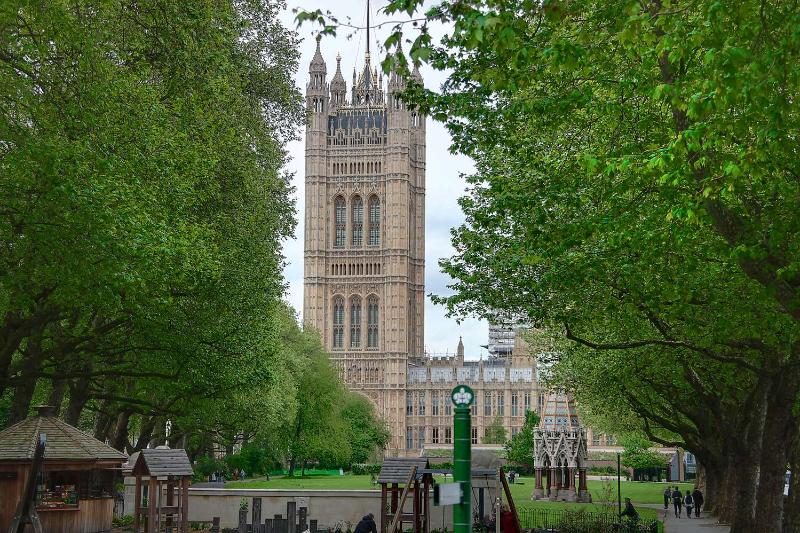
★★★★
Best Western Corona
London
51 rooms · Parking
From £201 a night, taxes incl.2 adults · checked 1 Oct, 17:07
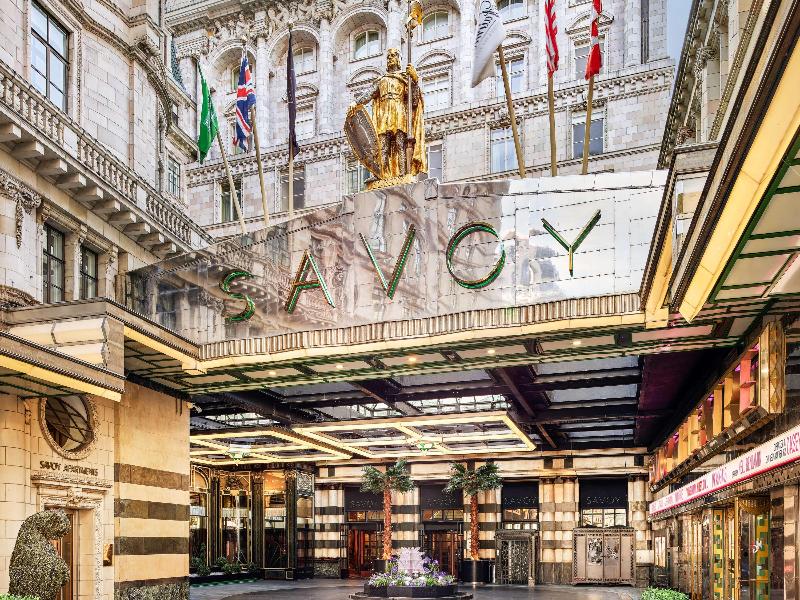
★★★★★
The Savoy - A Fairmont Hotel
London
Spa · Pool · Pets allowed
From £1,087 a night, taxes incl.2 adults · checked 1 Oct, 17:07
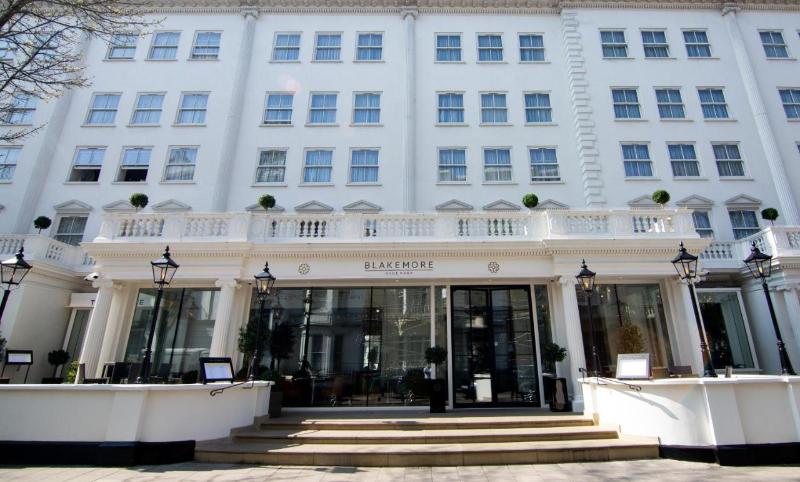
★★★★
Blakemore Hyde Park Hotel
London
Parking
From £317 a night, taxes incl.2 adults · checked 1 Oct, 17:07
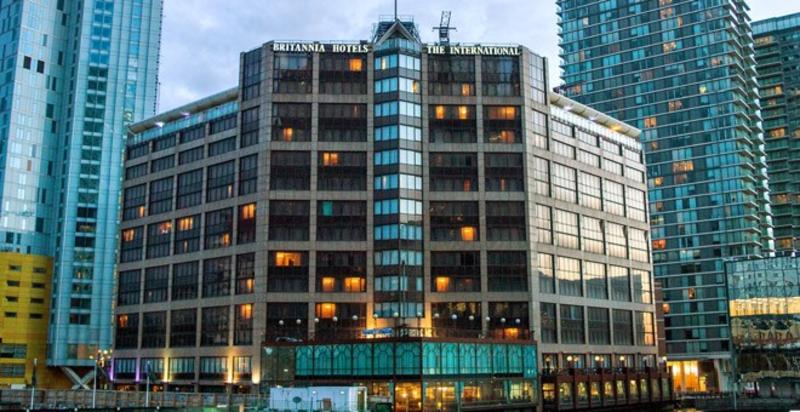
★★★★
Britannia International Hotel Canary Wharf
London
Parking
See prices and rooms →
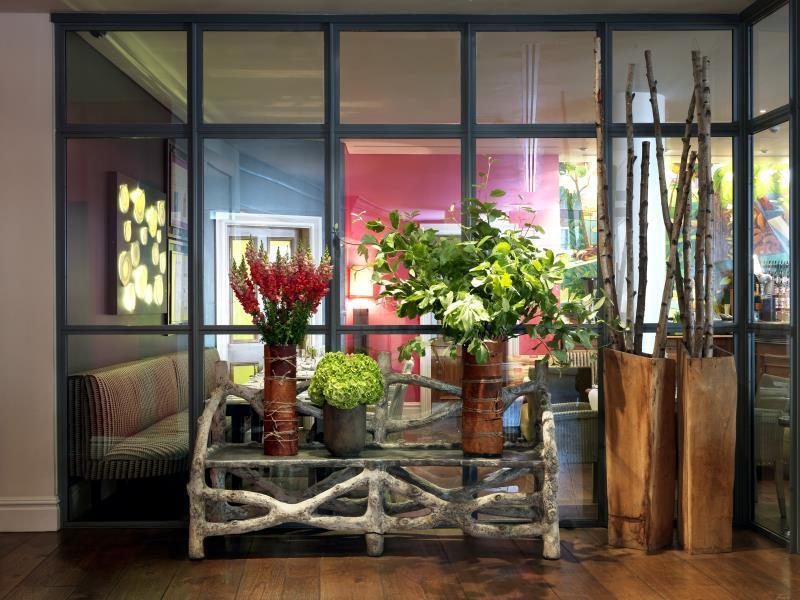
★★★★★
The Soho Hotel Firmdale Hotels
Londres
Spa
From £703 a night, taxes incl.2 adults · checked 1 Oct, 17:07
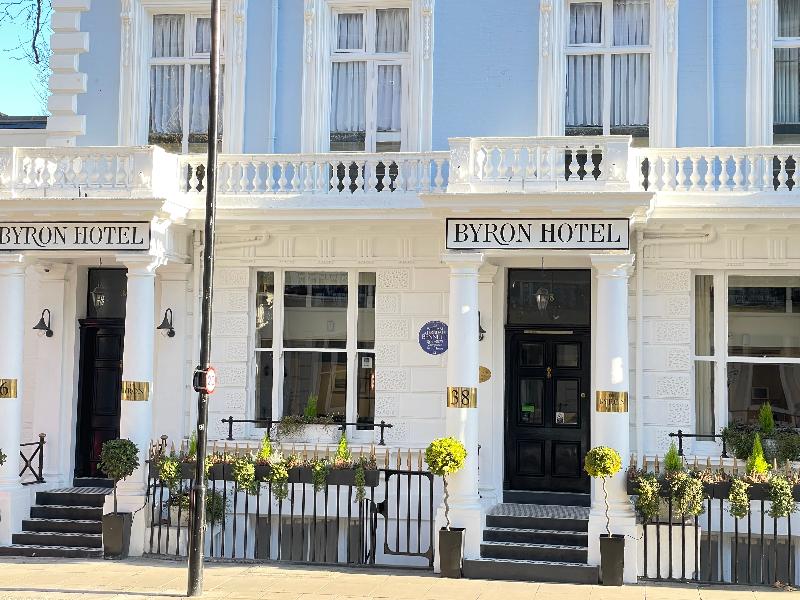
★★★★
Byron
London
46 rooms · Parking
From £274 a night, taxes incl.2 adults · checked 1 Oct, 17:07

★★★★★
Dorchester
London
Spa · Parking
From £1,471 a night, taxes incl.2 adults · checked 1 Oct, 17:07
Getting around
The Tube, the Overground, the Elizabeth line and buses all accept contactless bank cards and phones, with daily fare capping, so you rarely need a separate ticket. Walking between nearby sights is often quicker than going underground, and the river bus is a scenic alternative. Avoid the rush hours if you can.
When to go
London works all year. Spring and early autumn bring mild weather and fewer crowds, summer is long and bright with parks and open-air events, and December has Christmas lights and markets. Pack a layer and a waterproof whatever the season: the weather changes quickly.
Questions about visiting London
- What is London best known for?
- Landmarks like the Tower of London, Tower Bridge, Buckingham Palace and Big Ben, great free museums such as the British Museum, the West End theatres, royal parks and its pubs and food markets.
- How many days do you need in London?
- Three or four days covers the big sights, a museum or two and a market. A week lets you add neighbourhoods like Greenwich and Shoreditch, a day in Kew or Richmond, and a day trip to Windsor, Oxford or Brighton.
- What are the best free things to do in London?
- The permanent collections at the British Museum, Natural History Museum, V&A, Tate Modern and National Gallery are free, as are the royal parks, walks along the South Bank and Thames Path, and many markets.
- What is there to do in London with kids?
- The Natural History and Science Museums, the Tower of London, a ride on the London Eye, playgrounds in Hyde Park and Kensington Gardens, Kew Gardens and a river boat trip are all family favourites.
- Is London expensive to visit?
- It can be, but a lot of the best things are free, including major museums, parks and markets to browse. Contactless fare capping on public transport helps keep travel costs down.
More guides
- Where to stay in London
- The best things to do in Edinburgh
- The best things to do in Amsterdam
- The best things to do in Barcelona
- The best things to do in Budapest
- The best things to do in Dublin
- The best things to do in Krakow
- The best things to do in Prague
- The best things to do in Berlin
- The best things to do in Lisbon
- The best things to do in Milan
- The best things to do in Paris
- The best things to do in Rome
- The best things to do in Madrid