
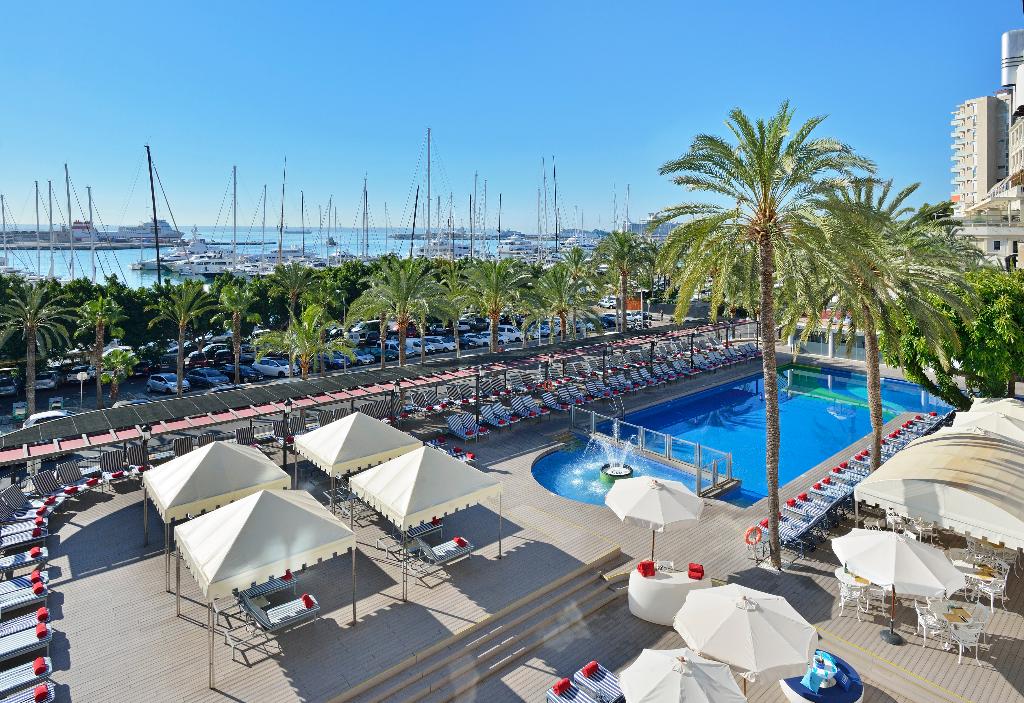
Majorca's beaches get the headlines, but the island's real magic is in everything around them: a Gothic cathedral rising straight out of the sea at Palma, stone villages clinging to the Tramuntana mountains, a wooden train that has rattled over the hills for more than a century, and caves with a lake big enough to row across.
Hire a car for a few days and you can cover the highlights easily: the mountains and the north-west coast in one day, the north and Formentor in another, and the coves and caves of the east in a third. Leave time for long lunches; it's the Majorcan way.
Don't miss
Palma
The island’s capital deserves at least a day.
Palma Cathedral
Landmark

Photo: Arieleisenhammer, CC BY-SA 4.0 La Seu, Palma's vast Gothic cathedral, towers above the seafront walls like a ship at anchor. Inside, a huge rose window floods the nave with coloured light, and there are touches by Gaudí and the Majorcan artist Miquel Barceló.
Tip: For the best photo, walk around to Parc de la Mar, where the cathedral is reflected in the lake below.
Palma old town
Neighbourhood
Behind the cathedral, a maze of honey-stone lanes hides grand courtyards, tiny churches and tapas bars. Wander from the Almudaina palace to the Arab baths, then on to the lively Santa Catalina district for dinner.
Bellver Castle
Landmark

Photo: This Photo was taken by Wolfgang Moroder. Feel free to use my photos, but please, CC BY-SA 3.0 A rare circular Gothic castle on a pine-covered hill above Palma, with the whole bay spread out below its battlements.
The mountains and the north-west
The UNESCO-listed Serra de Tramuntana, Majorca at its most beautiful.
The Sóller train
Activity

Photo: Isiwal, CC BY-SA 4.0 A vintage wooden train runs from Palma over the mountains to the orange-scented valley of Sóller, through tunnels and past terraced hillsides. From Sóller, an old tram rattles down to the harbour at Port de Sóller.
Tip: Ride one way and take the bus or a taxi back to save time.
Valldemossa
Neighbourhood

Photo: Abrget47j, CC BY-SA 3.0 A storybook mountain village of stone houses and flower pots, where the composer Chopin and the writer George Sand spent a famous winter in the Carthusian monastery.
Deià
Neighbourhood
Golden stone houses tumbling down a hillside towards the sea, long a magnet for artists and writers, including the poet Robert Graves, who lived here.
The Serra de Tramuntana
Nature

Photo: Geir Hval (www.MacWhale.eu), CC BY-SA 4.0 The mountain range along the north-west coast is laced with walking trails, hairpin roads and lookout points over the sea. Drive the winding road down to Sa Calobra, or walk a stretch of the long-distance dry-stone route.
The north
Cap de Formentor
Nature

Photo: Isiwal, CC BY-SA 3.0 The island's northern tip is a narrow, mountainous peninsula ending in sheer cliffs and a lighthouse. The road out is spectacular, with viewpoints along the way and sheltered Formentor beach below.
Tip: In summer, access by car can be restricted: check before you go, or take the bus.
Alcúdia old town
Neighbourhood

Photo: Marc Ryckaert, CC BY 3.0 Medieval walls ring Alcúdia's old town, and just outside them are the remains of Pollentia, the island's Roman capital. Market days fill the streets with stalls.
Beaches and coves
Es Trenc
Beach

Photo: Wasquewhat, CC BY-SA 4.0 A long, undeveloped beach of white sand and turquoise water on the south coast, backed by dunes and salt flats. It's the closest Majorca gets to the Caribbean.
Caló des Moro
Beach

Photo: Tommie Hansen from Stockholm, Sweden, CC BY 2.0 A tiny cove of brilliant blue water between pine-covered cliffs in the south-east. It is gorgeous and very popular, so arrive early or visit out of season.
Cala Mondragó
Beach

Photo: Xxlstier, CC BY-SA 4.0 Twin sandy coves inside a protected natural park on the east coast, with shallow water that suits families and coastal paths for exploring.
Caves and days out
The Drach Caves
Nature

Photo: no, CC BY 2.0 Near Porto Cristo on the east coast, the Coves del Drac wind through chambers of stalactites to one of the largest underground lakes in Europe, where musicians play classical music from boats.
Eat and drink
Ensaïmada
Food

Photo: Lisa Stevens from Sutton Coldfield, UK, CC BY-SA 2.0 Majorca's signature pastry: a light, spiral-shaped bun dusted with icing sugar, eaten for breakfast with coffee. You'll see people carrying them home from the airport in big octagonal boxes.
Pa amb oli
Food
Simple and perfect: crusty bread rubbed with tomato and drizzled with olive oil, topped with local ham or cheese. Try it with sobrassada, the island's soft, paprika-red sausage.
Sineu market
Market

Photo: King Otto, CC BY-SA 3.0 Every Wednesday, the inland town of Sineu hosts one of the oldest markets on the island, with farm produce, local crafts and livestock.
Where to stay in Majorca
Not sure which area suits you? Read our guide: Where to stay in Majorca →
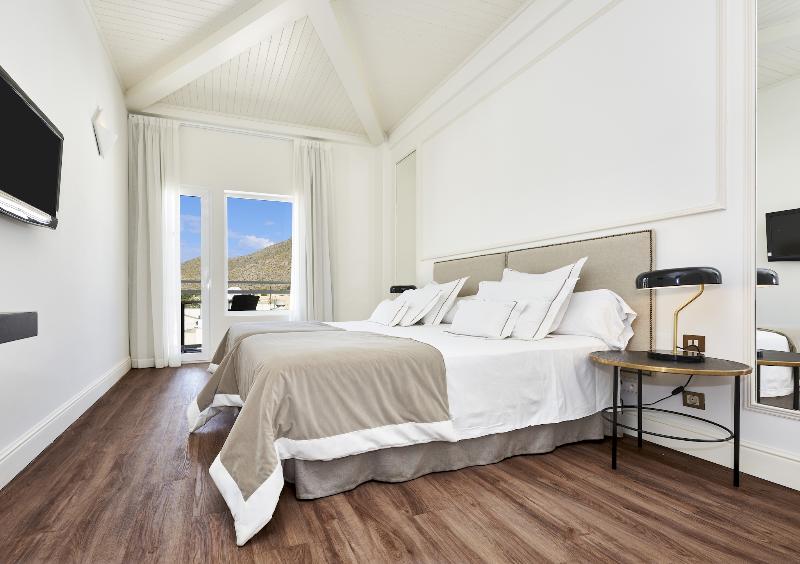
★★★★
Hoposa Daina
Puerto Pollensa
Beach 10 m · Adults only · Pool
See prices and rooms →
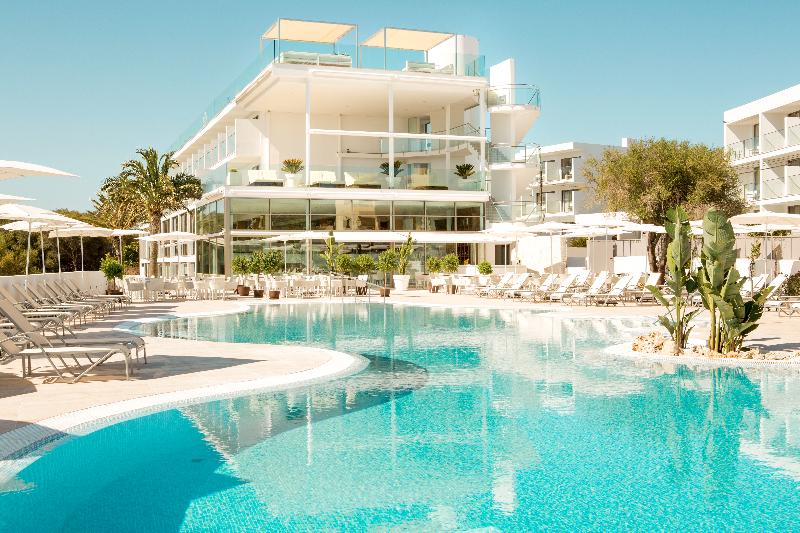
★★★★
Monsuau Cala D'Or Boutique Hotel
Cala d'Or
Beach 300 m · Adults only · Spa
From £146 a night, taxes incl.2 adults · checked 1 Oct, 18:38
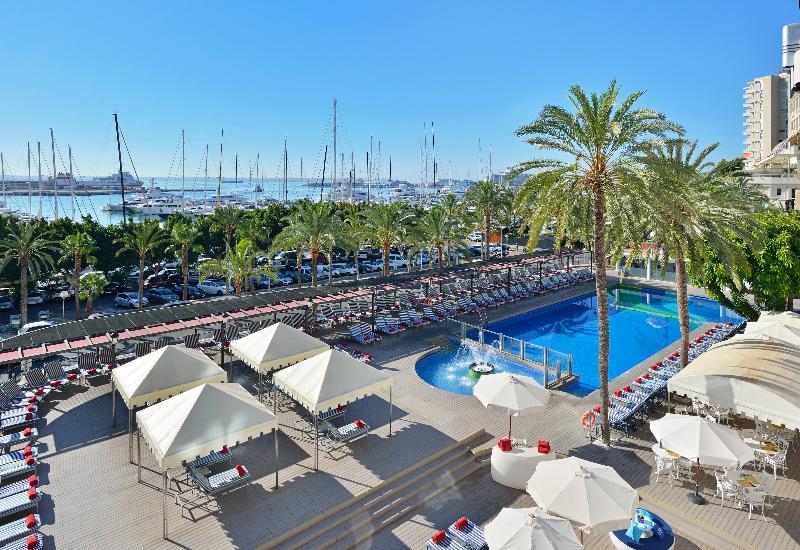
★★★★★
Hotel Victoria Gran Meliá
Palma
Beach 3 km · Spa · Pool
From £470 a night, taxes incl.2 adults · checked 1 Oct, 18:38
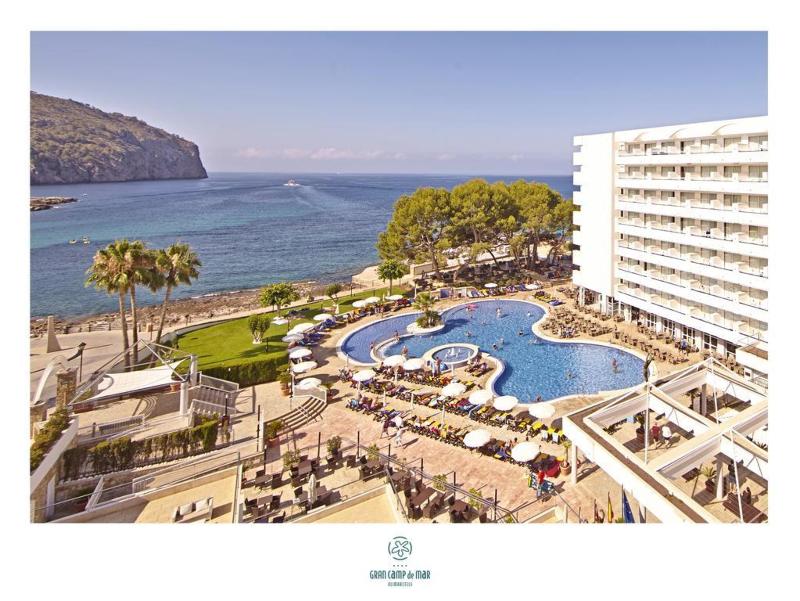
★★★★
Alua Gran Camp de Mar Hotel
Camp de Mar
Beach 50 m · All-inclusive option · Spa
From £125 a night, taxes incl.2 adults · checked 1 Oct, 18:38
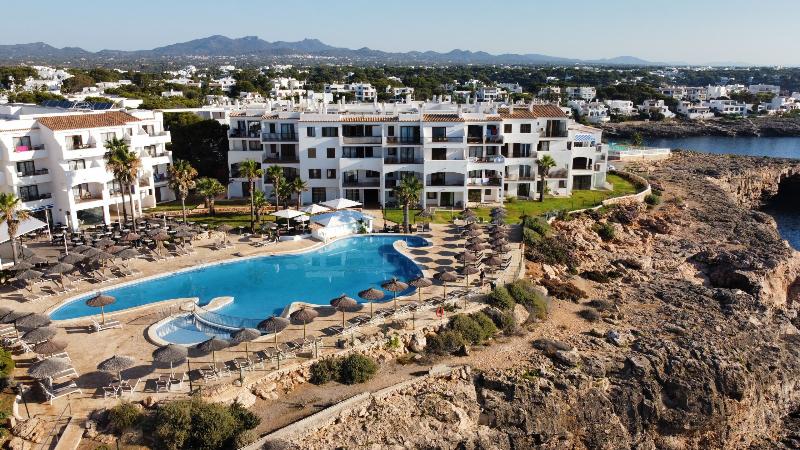
★★★★
Alua Suites las Rocas
Cala d'Or
Beach 450 m · All-inclusive option · Pool
See prices and rooms →
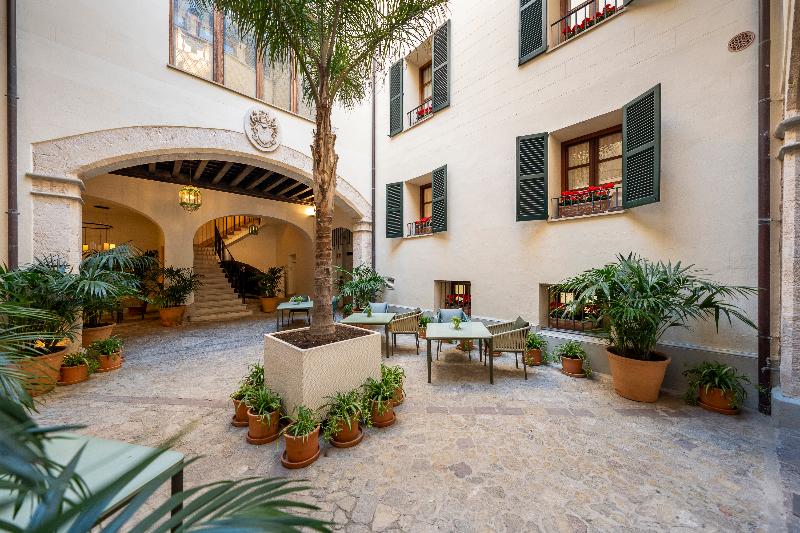
★★★★★
Palacio ca sa Galesa
Palma
Beach 600 m · Spa · Pool
See prices and rooms →
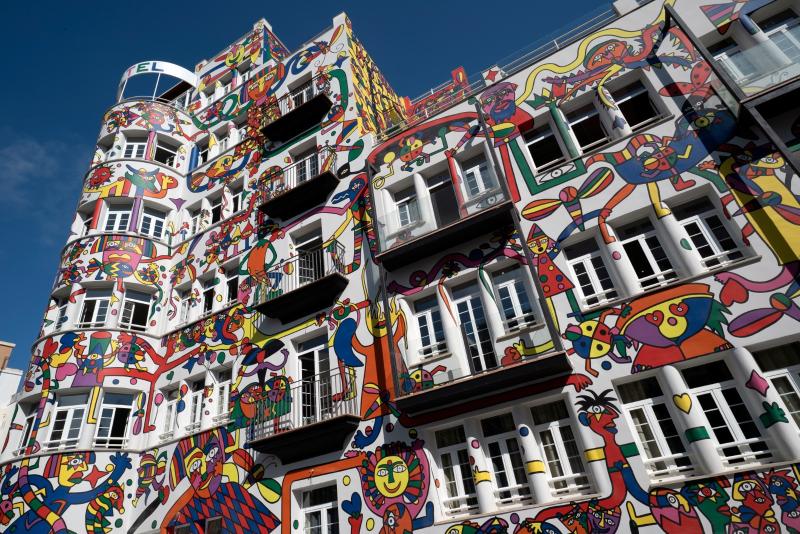
★★★★
Artmadams
Palma
Beach 2 km · Spa · Pool
From £258 a night, taxes incl.2 adults · checked 1 Oct, 18:38
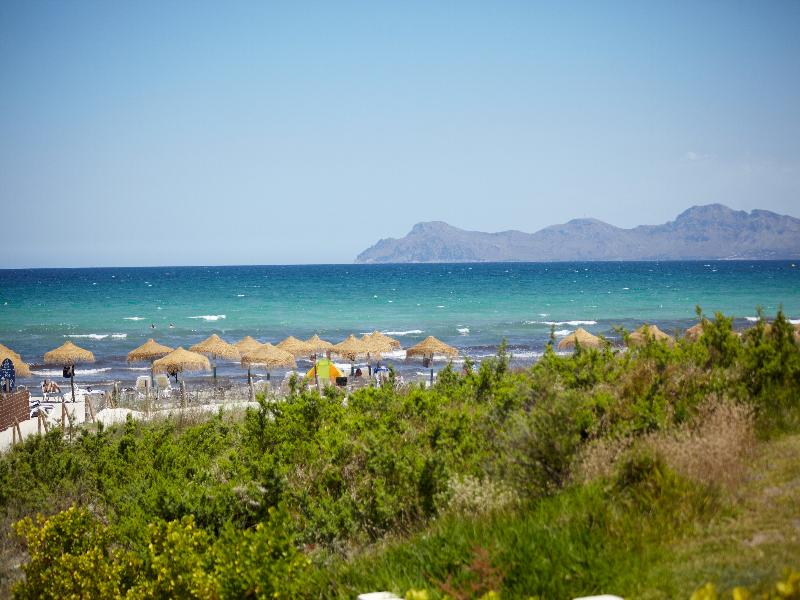
★★★★★
Grupotel Parc Natural & Spa
Playa de Muro
Beach 10 m · Spa · Pool
See prices and rooms →
Getting around
A hire car is the easiest way to see the mountains, coves and villages. Buses connect Palma with the main resorts and towns, and the Sóller train and tram make a memorable day out without a car.
When to go
Spring and autumn are perfect for walking, cycling and sightseeing, with almond blossom in late winter. July and August are hot and busy: get to beaches and sights early.
Questions about visiting Majorca
- What is Majorca best known for?
- Its beaches and coves, the Gothic cathedral in Palma, the mountains of the Serra de Tramuntana with villages like Valldemossa and Deià, and the dramatic Cap de Formentor.
- How many days do you need in Majorca?
- A week gives you time for beach days plus Palma, the Sóller train, the Tramuntana villages, Formentor and the Drach caves. Three or four days covers the highlights at a faster pace.
- What is there to do in Majorca with kids?
- The Drach caves, the Sóller train, the Palma Aquarium and the shallow beaches of the Bay of Alcúdia and Cala Mondragó are all family favourites.
- Do you need a car in Majorca?
- Not for a beach holiday, but a car makes it easy to reach the mountains, coves and villages. Buses and the Sóller train cover the main sights.
More guides
- Where to stay in Majorca
- Where to stay in the Balearic Islands
- The best things to do in London
- The best things to do in Edinburgh
- The best things to do in Amsterdam
- The best things to do in Barcelona
- The best things to do in Budapest
- The best things to do in Dublin
- The best things to do in Krakow
- The best things to do in Prague
- The best things to do in Berlin
- The best things to do in Lisbon
- The best things to do in Milan
- The best things to do in Paris