
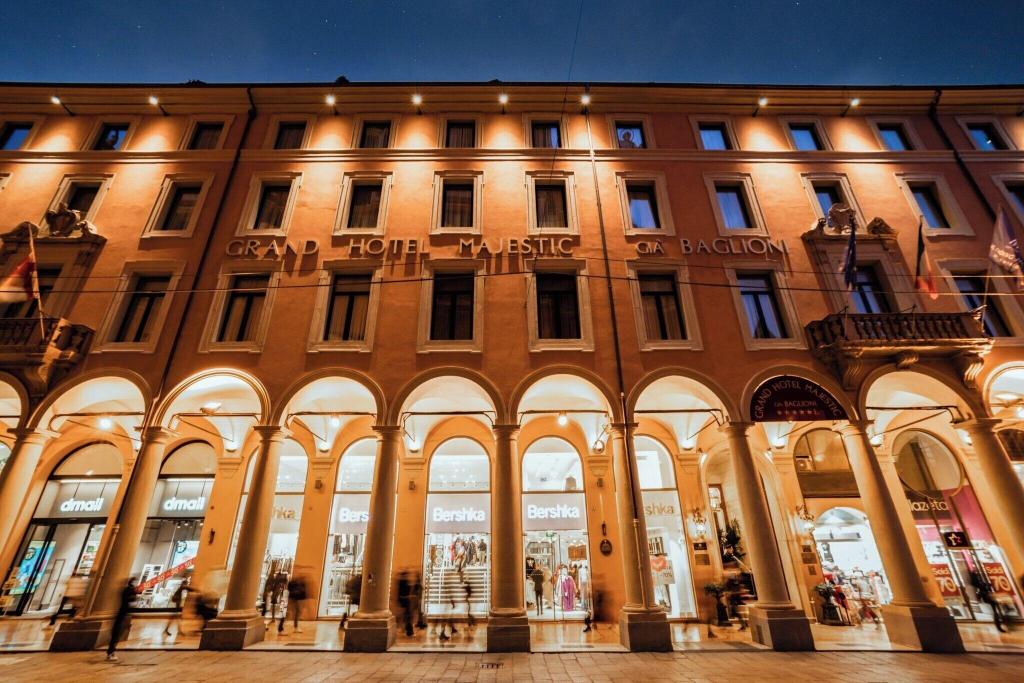
Bologna has three nicknames, and each one is a promise. La Dotta, the learned, for a university that has been teaching since the 11th century. La Rossa, the red, for its terracotta roofs and brick towers. And La Grassa, the fat, because this is the city that gave Italy tagliatelle al ragù, tortellini and mortadella, and still cooks them better than anywhere else.
It is also one of the easiest Italian cities to enjoy. The centre is compact and mostly flat, covered pavements keep off sun and rain alike, and the crowds are students and locals more than tour groups. Come hungry, walk everywhere, and look up now and then: the ceilings of the porticoes are half the show.
Don't miss
The big sights
Medieval Bologna, almost all of it within ten minutes' walk of the main square.
Piazza Maggiore
Landmark

Photo: Ingo Mehling, CC BY-SA 4.0 The great square at the heart of the city is ringed by medieval and Renaissance palaces, with the vast brick front of San Petronio filling one side. Bologna meets here, gossips here and, on summer nights, watches films here on a giant open-air screen.
Just off the corner stands the Fountain of Neptune, a muscular bronze sea god by Giambologna that locals simply call the Giant. Under the arches of Palazzo del Podestà, try the whispering vault: speak into one corner and a friend hears you in the opposite one.
Basilica di San Petronio
Landmark

Photo: Richard_00_00_00_00, CC BY-SA 4.0 One of the largest churches in the world, and one that was never finished: marble covers the lower half of the façade, then it stops and bare brick takes over. Inside, the space is enormous and calm. Look for the long brass meridian line set into the floor, laid out by the astronomer Cassini in the 17th century, which a spot of sunlight still crosses at midday.
The Two Towers
Landmark

Photo: Vanni Lazzari, CC BY-SA 4.0 Medieval Bologna bristled with tower-houses built by rival families. Only a couple of dozen survive, and these two are the emblem of the city. The Asinelli is the tall one, nearly a hundred metres of brick; the stubby Garisenda beside it leans so alarmingly that Dante gave it a mention in the Inferno.
They stand where the old streets fan out towards the city gates, and the view of them from Via Rizzoli is the classic Bologna photograph.
Tip: The towers have been closed at times for conservation work on the Garisenda. Check what is open before you plan a climb.
The porticoes
Landmark

Photo: FrancescoLama, CC BY-SA 4.0 Bologna has nearly forty kilometres of covered arcades in its centre alone, built over the centuries in wood, brick and stone, and listed by UNESCO as World Heritage. They are the city's living room: you can cross town in a downpour without opening an umbrella, past cafés, bookshops and pasta shops with their windows full of tortellini.
Some are plain, some are frescoed and grand. The wooden ones on Strada Maggiore are among the oldest; those around Piazza Cavour have the prettiest painted ceilings.
Sanctuary of San Luca
Landmark

Photo: Syrio, CC BY-SA 4.0 A domed church on a wooded hill south-west of the centre, joined to the city by the longest portico in the world: 666 arches climbing for nearly four kilometres from the Saragozza gate. Walking it is a Bologna ritual, part pilgrimage, part workout, and the view from the top takes in the red city on one side and the green Apennine foothills on the other.
Tip: If the climb doesn't appeal, a little tourist train runs up from Piazza Maggiore. Walk down instead.
Churches, art and learning
The Archiginnasio
Museum

Photo: Palickap, CC BY-SA 4.0 The first permanent home of Bologna's university, the oldest in the Western world, is a 16th-century palace whose walls and staircases are covered with thousands of painted coats of arms left by students. Upstairs is the Anatomical Theatre, a room panelled entirely in carved wood where medical students once watched dissections on a marble table. It is small, strange and unforgettable.
Basilica di Santo Stefano
Landmark

Photo: MenkinAlRire, CC BY-SA 4.0 Known as the Seven Churches, Santo Stefano is a cluster of ancient chapels, courtyards and cloisters that grew together over many centuries. You pass from one dim, brick-vaulted space to the next, each older than the last. The triangular cobbled piazza outside is one of the loveliest spots in the city for an evening drink.
Pinacoteca Nazionale
Museum
Bologna's main picture gallery, in the university quarter, is the place to meet the city's own painters: the Carracci family, Guido Reni and Guercino. Its star turn is Raphael's Ecstasy of Saint Cecilia. It is rarely crowded, which makes it a pleasure after the queues of Florence.
Neighbourhoods to wander
The Quadrilatero
Market
The tight grid of lanes east of Piazza Maggiore has been the city's food market since the Middle Ages. Stalls and shopfronts are piled with Parmigiano wheels, hanging hams, fresh pasta, fruit and fish, and the street names still record the old trades. By early evening the delis turn into bars and the lanes fill with people sharing boards of cured meat and cheese.
Tip: Come before lunch for the market at full tilt, then again at aperitivo time.
The university quarter
Neighbourhood
Via Zamboni and the streets around it belong to the students: posters on every pillar, cheap and cheerful bars, bookshops, and the grand palaces that house the faculties. This is where Bologna feels youngest and loudest, particularly around Piazza Verdi after dark. On graduation days you'll see new graduates paraded through the streets in laurel wreaths.
Finestrella di Via Piella
Landmark

Photo: Marcamps, CC BY-SA 4.0 Bologna was once a city of canals, most of them now hidden beneath the streets. On Via Piella a small shuttered window in a wall opens on to one that survives: a strip of water running between the backs of ochre houses, for all the world like a corner of Venice. It takes a minute to see and makes everyone smile.
Eat and drink
Nobody leaves Bologna hungry. These are the essentials.
Tagliatelle al ragù
Food

Photo: https://www.flickr.com/photos/wordridden/, CC BY 2.0 The dish the rest of the world calls spaghetti bolognese does not exist here. The real thing is a slow-cooked meat sauce served on fresh egg tagliatelle, ribbons wide enough to hold it. Order it in any traditional trattoria and you will understand why the locals are so particular. Ask for spaghetti and expect a raised eyebrow.
Tortellini in brodo
Food

Photo: Desyman, CC BY-SA 4.0 Tiny parcels of pasta stuffed with meat and cheese, folded by hand and served in a clear, golden broth. This is Bologna's Sunday and Christmas dish and its greatest comfort food. You can watch the sfogline, the pasta-makers, rolling and folding at speed in shop windows all over the centre.
Mortadella
Food

Photo: Nicola Quirico, CC BY-SA 4.0 The big pink sausage of Bologna, silky, scented and studded with cubes of fat, is the ancestor of every sad slice of baloney and nothing like it. Eat it cut thick in cubes with a glass of sparkling Pignoletto, or folded into a warm bread roll from a Quadrilatero deli.
Mercato delle Erbe
Market
The city's main covered market, on Via Ugo Bassi, is where residents do their shopping: fruit and vegetables in the central hall, butchers, cheesemongers and fresh pasta around the edge. The side halls have been turned into a lively food court of small restaurants and bars, busy from lunch until late.
Day trips
Modena
Day trip
A short train ride away, Modena packs a great deal into a small centre: a Romanesque cathedral and bell tower listed by UNESCO, arcaded squares, and the home of traditional balsamic vinegar. It is also Ferrari country, with museums to Enzo Ferrari in the city and to the cars at nearby Maranello.
Ravenna
Day trip

Photo: Petar Milošević, CC BY-SA 4.0 Ravenna was a capital in the last days of the Western Roman Empire and afterwards, and it has the mosaics to prove it. Step out of the plain brick churches and mausoleums into interiors that glitter with gold, deep blue and green, fifteen centuries old and astonishingly fresh. The early Christian monuments are a UNESCO World Heritage site, and Dante is buried here.
Where to stay in Bologna
Not sure which area suits you? Read our guide: Where to stay in Bologna →
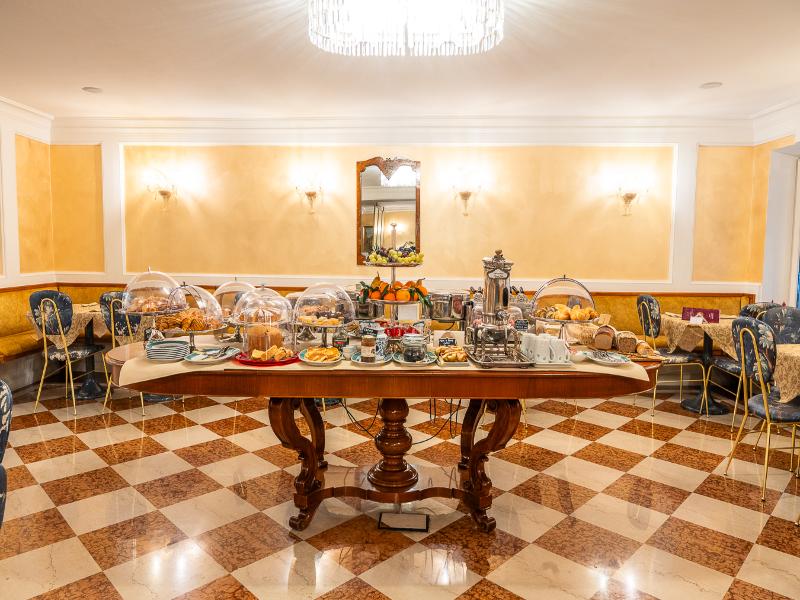
★★★★
Art Hotel Orologio
Bologna
Pets allowed
From £204 a night, taxes incl.2 adults · checked 14 Nov, 14:37

★★★★
Hotel San Donato Bologna Centro
Bologna
59 rooms · Parking
From £101 a night, taxes incl.2 adults · checked 14 Nov, 14:37
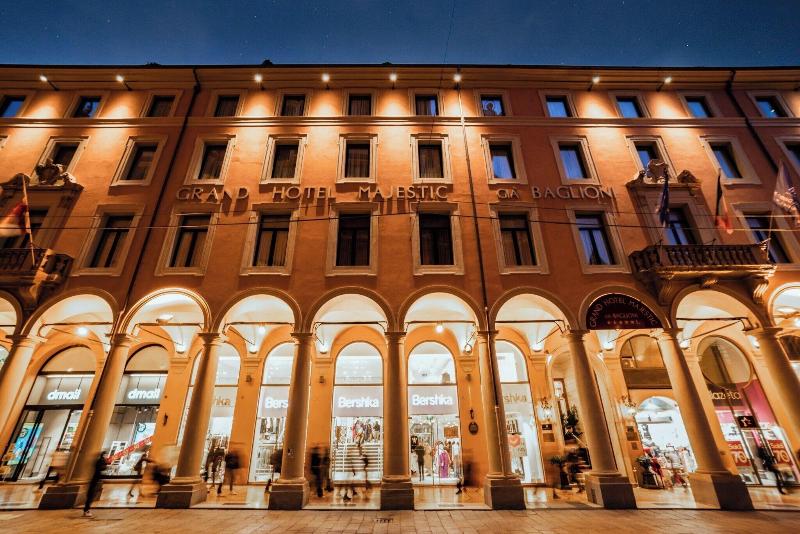
★★★★★
Grand Majestic Gia' Baglioni
Bologna
Spa · Pets allowed · Parking
From £563 a night, taxes incl.2 adults · checked 14 Nov, 14:37

★★★★
NH Bologna de la Gare
Bologna
Pets allowed · Parking
From £147 a night, taxes incl.2 adults · checked 14 Nov, 14:37

★★★★
AC Bologna
Bologna
Parking
From £135 a night, taxes incl.2 adults · checked 14 Nov, 14:37
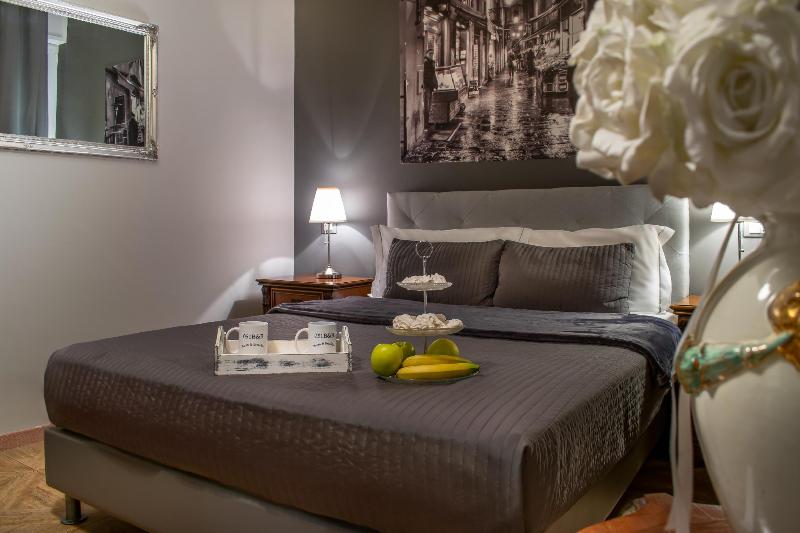
★★★★★
051B Room Breakfast
Bologna
Adults only · 5 rooms · Parking
From £106 a night, taxes incl.2 adults · checked 14 Nov, 14:37

★★★★
Palazzo di Varignana Resort & Spa
Varignana
Spa · Pool · Family-friendly
From £278 a night, taxes incl.2 adults · checked 14 Nov, 14:37
★★★★★
Central City Rooms
Bologna
7 rooms · Parking
From £115 a night, taxes incl.2 adults · checked 14 Nov, 14:37
Getting around
The historic centre is compact and best seen on foot, under the porticoes. Buses cover the rest of the city, and the Marconi Express monorail links the airport with the main station. Bologna is one of Italy's main rail hubs, so day trips by train are simple.
When to go
Spring and autumn are the most comfortable seasons for walking and eating your way round. High summer is hot and humid, and some family-run restaurants close for a holiday in August. Winters are cold and often foggy, which suits a bowl of tortellini in brodo very well.
Questions about visiting Bologna
- What is Bologna best known for?
- Its food, above all tagliatelle al ragù, tortellini and mortadella; the oldest university in the Western world; and a medieval centre of red-brick towers and UNESCO-listed porticoes.
- Is Bologna worth visiting?
- Yes. It has a handsome, walkable old town, some of the best eating in Italy and far fewer crowds than Florence or Venice, and it is a good base for day trips by train.
- How many days do you need in Bologna?
- Two days is enough for the main sights, the walk to San Luca and several very good meals. Stay three or four if you want day trips to Modena or Ravenna.
- Do you need a car in Bologna?
- No. The centre is walkable and much of it is closed to visitors' cars. Trains reach Modena, Ravenna and the other nearby cities.
More guides
- Where to stay in Bologna
- The best things to do in London
- The best things to do in Edinburgh
- The best things to do in Manchester
- The best things to do in York
- The best things to do in Amsterdam
- The best things to do in Birmingham
- The best things to do in Liverpool
- The best things to do in Bristol
- The best things to do in Barcelona
- The best things to do in Budapest
- The best things to do in Cambridge
- The best things to do in Dublin
- The best things to do in Krakow