
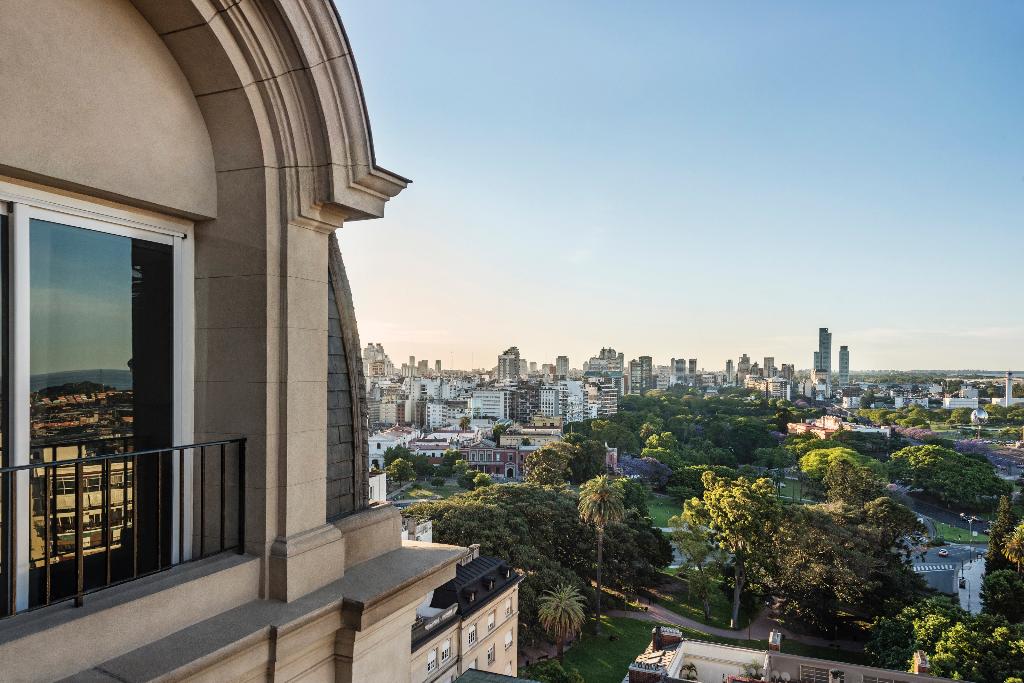
Buenos Aires keeps its own hours. Dinner starts at ten, the dancing at midnight, and the cafés are full of people arguing about football and politics at any time in between. It is a city of grand boulevards and crumbling mansions, of bookshops in old theatres and steak grilled over charcoal on every other corner. Paris with the volume turned up, people say, though that undersells how Latin American it is.
There is no single great monument to tick off. The pleasure is in the neighbourhoods, each with its own mood: stately Recoleta, bohemian San Telmo, noisy La Boca, leafy and fashionable Palermo. Walk, eat, stay out late. Then do it again tomorrow.
Don't miss
The big sights
Plaza de Mayo and the Casa Rosada
Landmark

Photo: Diego Delso, CC BY-SA 3.0 The political heart of Argentina is a palm-dotted square that has seen every revolution, rally and celebration in the country's history. At one end stands the Casa Rosada, the pink presidential palace, from whose balcony Eva Perón addressed the crowds. Around the edges are the white colonial town hall and the cathedral, where the independence hero San Martín is buried.
On Thursday afternoons the Mothers of Plaza de Mayo still walk their circle here, as they have since the 1970s, in memory of children who disappeared under the dictatorship.
Recoleta Cemetery
Landmark

Photo: lamblukas, CC BY 2.0 A miniature city of the dead in the smartest part of town. Thousands of marble mausoleums, in every style from Greek temple to Art Nouveau, stand shoulder to shoulder along narrow lanes, adorned with weeping angels, stained glass and the odd sleeping cat. Argentina's presidents, generals and richest families are all here.
Most visitors are looking for one tomb in particular: Eva Perón's, in the Duarte family vault, down a side alley and usually marked by fresh flowers.
Tip: Go in the morning for softer light and fewer tour groups, and pick up a map at the gate.
Teatro Colón
Landmark

Photo: Bernard Gagnon, CC BY-SA 4.0 Opened in 1908, when Buenos Aires was one of the richest cities on earth, the Colón is among the great opera houses of the world, renowned for acoustics that singers speak of with awe. The horseshoe auditorium rises in tier upon tier of gilded boxes under a painted dome.
See a performance if you possibly can, opera, ballet or a concert. If not, guided tours take you through the marble foyers and into the hall itself.
The Obelisco
Landmark

Photo: Dpalma01, CC BY-SA 4.0 A plain white needle rising from the middle of Avenida 9 de Julio, one of the widest avenues in the world, the Obelisk is the city's meeting point and the place where football victories are celebrated. Crossing the avenue's many lanes on foot is an experience in itself.
Avenida Corrientes runs off from here, lined with theatres, bookshops and famous old pizzerias that stay busy long after midnight.
El Ateneo Grand Splendid
Landmark

Photo: Sombra Inquieta, CC BY-SA 4.0 Surely the most beautiful bookshop you will ever browse. A grand 1919 theatre on Avenida Santa Fe has kept its frescoed ceiling, its balconies and its red stage curtains, and simply replaced the seats with shelves. The boxes are reading nooks, and there is a café on the stage.
Most of the stock is in Spanish, but nobody minds if you just come to gawp.
Neighbourhoods to wander
The barrios are the real attraction. Give each of them half a day.
San Telmo
Neighbourhood

Photo: Helge Høifødt, CC BY-SA 3.0 The oldest neighbourhood in the city is all cobbles, wrought-iron balconies and faded mansions turned into antique shops and tango halls. Its covered market, a handsome iron-and-glass structure from the nineteenth century, mixes vegetable stalls with coffee bars and steak counters.
On Sundays the whole district becomes a street fair. Stalls stretch for a mile or more along Calle Defensa, selling antiques, leather and crafts, and couples dance tango for the crowd in Plaza Dorrego.
Tip: Sunday is the day to come, but it gets crowded. Keep your bag closed and in front of you.
La Boca and Caminito
Neighbourhood

Photo: Lars Curfs (Grashoofd), CC BY-SA 3.0 nl Down by the old port, Italian immigrants built houses from scrap timber and corrugated iron and painted them with whatever was left over from the shipyards. The result is Caminito, a short pedestrian street of houses in clashing reds, blues, yellows and greens, now an open-air museum of painters, souvenir stalls and tango dancers.
A few blocks away is La Bombonera, the steep-sided stadium of Boca Juniors, where Diego Maradona played.
Tip: Visit by day and stay around Caminito and the stadium. Take a taxi there and back rather than wandering into the surrounding streets.
Palermo
Neighbourhood

Photo: ElGuruCesar, CC BY-SA 4.0 The biggest and most fashionable barrio, and where most of the city's best eating and drinking happens. The low-rise streets of Palermo Soho and Palermo Hollywood are filled with independent boutiques, street art, coffee shops, cocktail bars and restaurants that get going very late.
Palermo also has the city's great parks: a sweep of lakes, lawns and woodland with a celebrated rose garden and a Japanese garden. Porteños jog, row and picnic here at weekends.
Puerto Madero
Neighbourhood

Photo: Ermell, CC BY-SA 4.0 The old docks, lined with red-brick warehouses, have been reborn as the city's glossiest district of restaurants, offices and glass towers. A slender white footbridge by Santiago Calatrava, the Puente de la Mujer, swings across the water and is said to evoke a couple dancing tango.
Behind the towers lies a surprise: a large wetland nature reserve on the edge of the Río de la Plata, with flat paths for walking and cycling and a great deal of birdlife.
Museums and galleries
MALBA
Museum
The Museum of Latin American Art of Buenos Aires is the one gallery in the city nobody should skip. In a bright modern building in Palermo, it gathers the great names of twentieth-century art from across the continent: Frida Kahlo, Diego Rivera, Fernando Botero, Brazil's Tarsila do Amaral and Argentina's own Antonio Berni.
It is a manageable size, with a good café and cinema, and gives a crash course in a whole tradition that European museums mostly ignore.
Museo Nacional de Bellas Artes
Museum
Argentina's national fine arts museum sits in a terracotta-coloured building in Recoleta, a short walk from the cemetery. The ground floor holds a surprisingly rich run of European masters, among them Rembrandt, Goya, Monet, Van Gogh and Rodin. Upstairs is the main event: the most important collection of Argentine art anywhere.
Eat, drink and dance
Steak at a parrilla
Food
Argentina's beef is famous for good reason, and the place to eat it is a parrilla, a grill restaurant where cuts are cooked slowly over glowing embers. Order a bife de chorizo, a thick sirloin, with a slab of grilled provolone cheese to start, chimichurri on the side and a bottle of Malbec.
Neighbourhood parrillas are often as good as the famous ones. Nobody eats before nine, and a proper meal takes all evening.
Tip: Ask for your steak "jugoso" if you like it rare. The default here is closer to medium.
Café Tortoni
Food

Photo: Bernard Gagnon, CC BY-SA 4.0 The city's oldest café has been serving coffee on Avenida de Mayo since the nineteenth century, under stained-glass ceilings and among marble tables once occupied by Borges, Gardel and half of Argentine literature. Waiters in bow ties bring hot chocolate with churros and tiny glasses of soda water.
It is firmly on the tourist trail and there can be a queue, but it is the grandest of Buenos Aires's many historic cafés. For the same ritual without the wait, look for others marked as a "bar notable".
Tango
Nightlife

Photo: Manticora87, CC BY-SA 4.0 Tango was born in the working-class districts of this city in the late nineteenth century, and it remains a living thing rather than a museum piece. The easiest way in is a dinner show, a polished evening of orchestra, singers and dazzling professional dancers.
For the real thing, find a milonga, a social dance hall where locals of all ages turn up to dance until the small hours. Many run a beginners' class before the floor opens, and watching from a table is perfectly acceptable.
Day trips
Tigre and the Paraná Delta
Day trip

Photo: Vlasta x, CC BY-SA 4.0 A suburban train from Retiro station takes you north to Tigre, a riverside town on the edge of an immense delta of muddy channels and wooded islands. People here live in houses on stilts and get about by boat, with floating shops and school launches.
Take a boat out through the waterways, then browse the Puerto de Frutos market for wicker, plants and crafts. It is a green, slow, restorative day after the noise of the city.
Colonia del Sacramento
Day trip
Ferries cross the wide brown Río de la Plata to Uruguay, landing at a small town founded by the Portuguese in the seventeenth century. Its old quarter, a UNESCO World Heritage Site, is a tangle of cobbled lanes, low whitewashed houses, a lighthouse and vintage cars quietly rusting under the trees.
It could hardly be more different from Buenos Aires: sleepy, tiny and best explored on foot in an afternoon.
Tip: You are crossing an international border, so bring your passport.
Where to stay in Buenos Aires
Not sure which area suits you? Read our guide: Where to stay in Buenos Aires →

★★★★
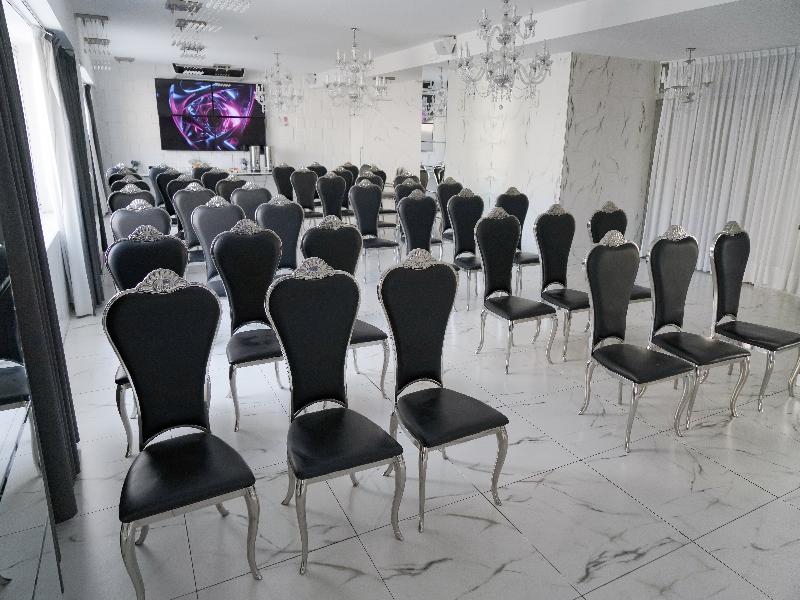
Krista Boutique Hotel
Palermo
Spa · 34 rooms · Parking
See prices and rooms →
★★★★
Ker San Telmo Hotel
Buenos Aires
Spa · Pool · Parking
See prices and rooms →

★★★★★
Alvear Palace
Buenos Aires
Spa · Pool · Parking
See prices and rooms →

★★★★
1253 Recoleta Small Hotel
Buenos Aires
65 rooms
See prices and rooms →

★★★★
Amerian Buenos Aires
Downtown
See prices and rooms →

★★★★★
Faena Hotel Buenos Aires
Downtown
Spa · Pool · Parking
See prices and rooms →

★★★★
Argenta Suites Belgrano
Buenos Aires
Pool
See prices and rooms →
★★★★★
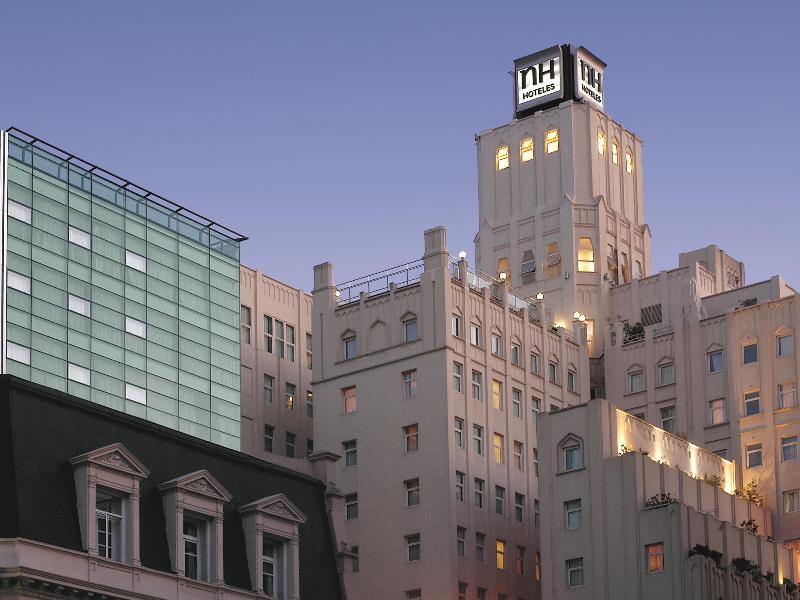
NH Buenos Aires City
Buenos Aires
Pool · Pets allowed · Parking
See prices and rooms →
Getting around
The Subte, the underground, is the quickest way across the centre, and buses go everywhere; both use a rechargeable SUBE card. Taxis and ride-hailing apps are plentiful and the sensible choice at night. Within each neighbourhood, walk. The city is flat and its streets reward it.
When to go
Spring and autumn are the most pleasant seasons, mild and bright. Remember the seasons are reversed: spring runs from September to November, when the jacaranda trees turn whole avenues purple. Summer is hot and humid, and winter is cool and grey but rarely very cold.
Questions about visiting Buenos Aires
- What is Buenos Aires best known for?
- Tango, steak and football, along with grand European-style architecture, Recoleta Cemetery and the tomb of Eva Perón, the colourful houses of La Boca, and a nightlife that starts very late.
- Is Buenos Aires worth visiting?
- Yes. It is one of the great cities of the Americas, with distinctive neighbourhoods, outstanding food and wine, a rich cultural life from the Teatro Colón to MALBA, and easy day trips to the Tigre delta and Uruguay.
- How many days do you need in Buenos Aires?
- Four days lets you see the main sights and several neighbourhoods at a relaxed pace. Add a day for Tigre or Colonia del Sacramento, and try to include a Sunday for the San Telmo street fair.
- What is there to do in Buenos Aires with kids?
- The parks and boating lakes of Palermo, the nature reserve at Puerto Madero, the colourful streets of Caminito and a boat trip through the delta at Tigre all work well, and children are welcome in restaurants at any hour.
- Do you need a car in Buenos Aires?
- No. The underground, buses and taxis cover the city, and both Tigre and Colonia are reached by train and ferry. Driving in the centre is best avoided.
More guides
- Where to stay in Buenos Aires
- The best things to do in London
- The best things to do in Edinburgh
- The best things to do in Manchester
- The best things to do in York
- The best things to do in Amsterdam
- The best things to do in Birmingham
- The best things to do in Liverpool
- The best things to do in Bristol
- The best things to do in Barcelona
- The best things to do in Budapest
- The best things to do in Cambridge
- The best things to do in Dublin
- The best things to do in Krakow