
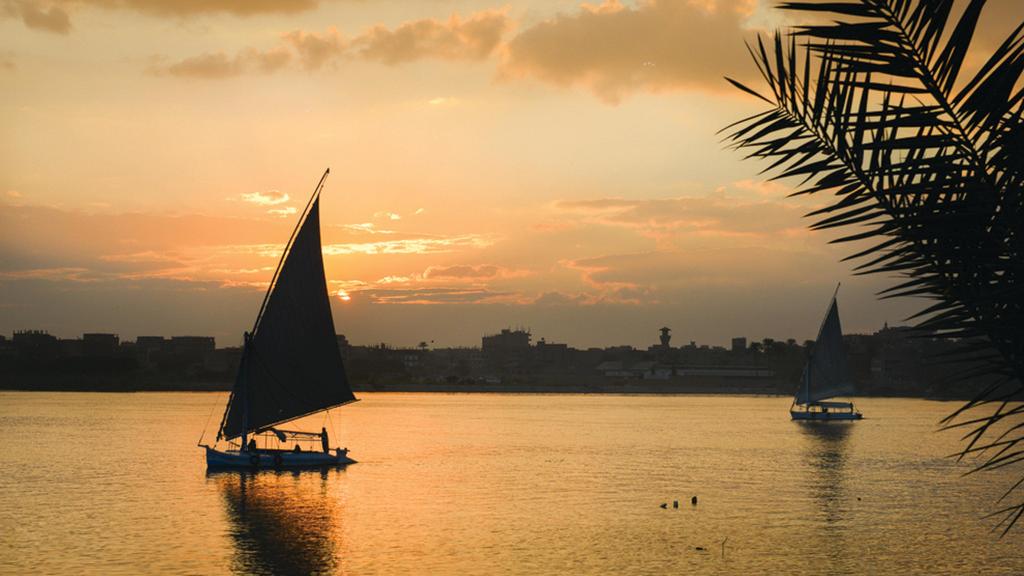
Cairo hits you all at once. Twenty million people, a symphony of car horns, the call to prayer rolling across the rooftops, the smell of grilling meat and apple tobacco, and somewhere through the haze the outline of the last surviving wonder of the ancient world. It is exhausting, exhilarating and unlike anywhere else.
Most people come for the pharaohs, and rightly so: the Pyramids and the new Grand Egyptian Museum are worth the journey on their own. But this has been a great city for more than a thousand years since, and its medieval mosques, bazaars and Coptic churches are every bit as rewarding. Take it slowly, drink a lot of tea and let Cairo come to you.
Don't miss
Pyramids and pharaohs
The reason you came. It lives up to it.
The Pyramids of Giza
Landmark

Photo: Ricardo Liberato, CC BY-SA 2.0 Three colossal tombs on a desert plateau at the western edge of the city, built some four and a half thousand years ago for the kings Khufu, Khafre and Menkaure. The Great Pyramid of Khufu was the tallest structure on earth for most of recorded history. You have seen a thousand pictures and it still stops you in your tracks.
Walk right up to the blocks, each one chest-high, to grasp the scale. You can go inside along steep, narrow passages, and a viewpoint out in the desert lines up all three for the classic photograph.
Tip: Arrive when the site opens, before the heat and the coaches. Wear a hat and proper shoes, and agree a price firmly before any camel or horse ride.
The Great Sphinx
Landmark

Photo: Hamerani, CC BY-SA 4.0 Below the pyramids, a lion with a human head has been staring east towards the sunrise since the age of the pyramid builders. It was carved from a single outcrop of the plateau's own rock and is generally thought to bear the face of King Khafre, whose pyramid rises behind.
It is smaller than people expect and far more haunting. The walkway alongside brings you close enough to see the weathered layers of stone.
Grand Egyptian Museum
Museum

Photo: Amr F.Nagy, Public domain A vast new museum within sight of the pyramids, decades in the making and built to hold the treasures of ancient Egypt in the space they deserve. A towering statue of Ramses II greets you in the atrium, and a monumental staircase lined with kings and gods climbs to a window framing the pyramids themselves.
The centrepiece is the complete contents of Tutankhamun's tomb, shown together for the first time: the golden mask, the nested coffins, the chariots, the sandals, the lot.
Tip: It is enormous. Give it at least half a day, and pair it with the pyramids only if you start very early.
Saqqara
Day trip

Photo: Wknight94 talk, CC BY-SA 3.0 A short drive south of Giza lies the burial ground of ancient Memphis, and at its heart the Step Pyramid of Djoser: six great tiers of stone, older than the Giza pyramids and widely regarded as the first large stone building ever raised. Its architect, Imhotep, was later worshipped as a god.
Around it are tombs whose walls are carved with vivid scenes of daily life, fishing, farming and feasting. It is quieter than Giza and many visitors end up preferring it.
National Museum of Egyptian Civilization
Museum
In the old district of Fustat, this modern museum tells the whole story of Egypt from prehistory to the present in one clear sweep. But the reason to come lies downstairs, in a hushed, dimly lit hall: the royal mummies.
Some twenty kings and queens of ancient Egypt rest here, among them Ramses II and Hatshepsut, carried through the streets of Cairo to their new home in a grand procession in 2021. It is an extraordinary thing to stand in front of them.
Islamic and Coptic Cairo
The medieval city, crowded with minarets, is among the best preserved in the Islamic world.
Khan el-Khalili
Market

Photo: V Manninen from Funland, CC BY 2.0 Cairo's great bazaar has been trading since the fourteenth century. Its lanes are a maze of brass lamps, spices, perfume, silver, inlaid boxes and cotton, and yes, a good deal of tourist tat, with shopkeepers calling out in six languages. Haggling is expected and part of the fun.
When you need a rest, squeeze into one of the old mirrored coffee houses for mint tea and a water pipe and watch the alley go by.
Tip: Come in the late afternoon and stay into the evening, when the lamps are lit and locals come out to stroll.
Al-Azhar Mosque
Landmark

Photo: Vyacheslav Argenberg, CC BY 4.0 Founded in 970 by the dynasty that created Cairo itself, Al-Azhar is one of the oldest mosques in the city and the seat of one of the oldest universities in the world. Its white marble courtyard, ringed by arcades and overlooked by a cluster of minarets from different centuries, is a pool of calm beside the bazaar.
Visitors are welcome outside prayer times.
Tip: Dress modestly, with shoulders and knees covered. Women should bring a scarf, and everyone removes their shoes.
The Citadel and the Mosque of Muhammad Ali
Landmark

Photo: Diego Delso, CC BY-SA 3.0 Saladin fortified this spur of rock above the city in the twelfth century, and Egypt was ruled from it for the next seven hundred years. Its skyline is dominated by the nineteenth-century Mosque of Muhammad Ali, built in the Ottoman style with a cascade of domes and two pencil-thin minarets.
From the terrace beside it, Cairo spreads out below in a haze of dust and domes. On a clear day you can pick out the pyramids on the horizon.
Mosque of Ibn Tulun
Landmark

Photo: User:Berthold Werner, CC BY 3.0 Built in the ninth century and little altered since, this is the oldest mosque in Cairo to survive in its original form, and to many eyes the most beautiful. An immense, plain courtyard is enclosed by arcades of pointed arches, with a spiral minaret you can climb for the view.
After the clamour of the streets its silence and simplicity come as a shock. A fine old merchant's house next door, now a museum, is worth the extra half hour.
Coptic Cairo
Neighbourhood

Photo: Diego Delso, CC BY-SA 3.0 Within the walls of an old Roman fortress lies the heart of Christian Egypt, a compact quarter of narrow lanes and ancient churches. The Hanging Church, built over a Roman gatehouse, has a wooden roof shaped like an upturned ark; nearby are a church said to shelter the spot where the Holy Family rested, and one of Egypt's oldest synagogues.
The Coptic Museum explains it all, with exquisite carving and textiles. It is one of the most peaceful corners of the city.
The river and modern Cairo
A felucca on the Nile
Activity

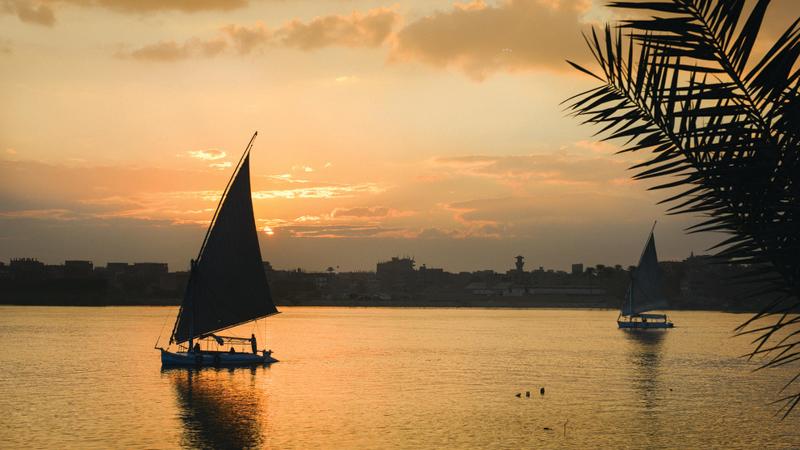
Photo: neiljs, CC BY 2.0 The Nile runs straight through the middle of Cairo, and the best way to appreciate it is from a felucca, a traditional wooden sailing boat. Hire one from the riverbank for an hour around sunset, when the breeze picks up, the towers turn gold and the din of the traffic fades to a murmur.
Take a picnic or just sit back. Larger boats offer dinner cruises with music if you prefer something livelier.
Zamalek
Neighbourhood
The northern half of an island in the Nile, Zamalek is the leafiest and most relaxed district in central Cairo: tree-lined streets, old apartment blocks, embassies, art galleries, bookshops and some of the best restaurants and cafés in the city.
At the southern end of the island stand the Cairo Opera House and the lotus-shaped Cairo Tower, which has an observation deck. A good place to draw breath between the big sights.
Al-Azhar Park
Nature
A hill of rubble on the edge of the old city was transformed into this formal garden of palms, fountains and lawns, a rare expanse of green in a very dusty capital. Families come to picnic and couples to promenade.
The real draw is the view at dusk, when the minarets and domes of Islamic Cairo are silhouetted against the sunset and the call to prayer rises from every direction.
Eat and drink
Koshari
Food

Photo: Basma, CC BY-SA 4.0 Egypt's national dish sounds like a mistake and tastes like genius: rice, lentils, macaroni and chickpeas piled into a bowl, topped with spiced tomato sauce and a heap of crisp fried onions. You add garlic vinegar and chilli sauce to taste.
It is sold in busy canteens that serve nothing else, and it happens to be vegan. Order it for lunch downtown and eat it shoulder to shoulder with half of Cairo.
Egyptian street food
Food
Breakfast in Cairo means ful, slow-cooked broad beans mashed with oil and lemon, scooped up with flatbread, alongside ta'ameya, the Egyptian falafel, made with broad beans rather than chickpeas and bright green inside. Later in the day look for flaky feteer pastry, grilled kofta and fresh mango or sugar-cane juice.
Choose stalls and cafés that are busy with locals, and finish with strong, sweet tea.
Day trips
Dahshur
Day trip

Photo: Darer101, CC BY-SA 4.0 Further south than Saqqara, out in open desert, stand two pyramids that show the builders learning their craft. The Bent Pyramid changes angle halfway up, as if its architects lost their nerve; the Red Pyramid next to it is the first true smooth-sided pyramid.
Few tour groups make it this far, and you may have the place almost to yourself. Combine it with Saqqara on one trip with a driver.
Alexandria
Day trip
Egypt's second city, on the Mediterranean, makes a long but refreshing day out by train or car. Founded by Alexander the Great, it has a breezy seafront corniche, a fifteenth-century fort standing where the famous ancient lighthouse once rose, and a striking modern library built in homage to the lost one of antiquity.
Come for the sea air and a lunch of grilled fish by the harbour.
Where to stay in Cairo
Not sure which area suits you? Read our guide: Where to stay in Cairo →

★★★★
Azal Pyramids Hotel
Cairo
Parking
From £68 a night, taxes incl.2 adults · checked 14 Nov, 10:22
★★★★
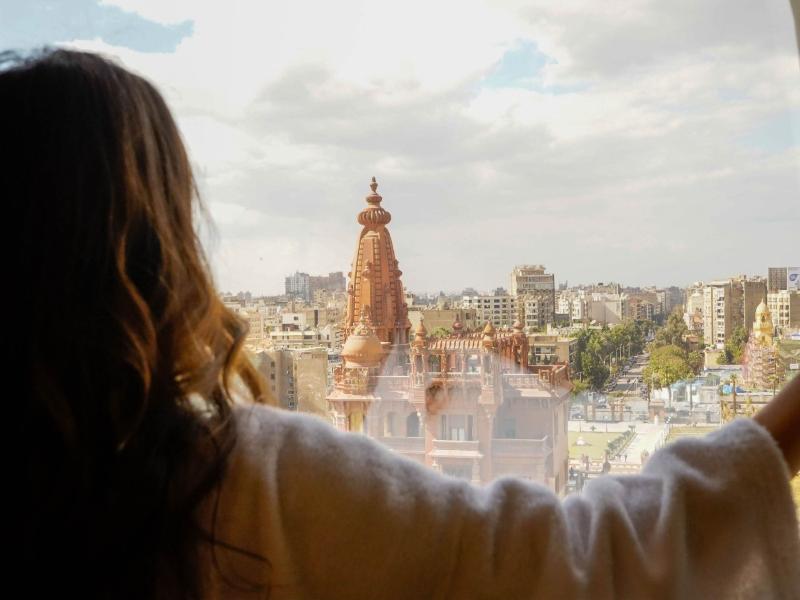
Baron Hotel Cairo
Cairo
Pool
From £81 a night, taxes incl.2 adults · checked 14 Nov, 10:22
★★★★★
Semiramis InterContinental Cairo
Cairo
Spa · Pool · Parking
From £225 a night, taxes incl.2 adults · checked 14 Nov, 10:22

★★★★
Brassbell Dt Hannaux Tahrir Sq
Cairo
42 rooms
See prices and rooms →

★★★★
Brassbell Giza Near Saudi Embassy
Giza
32 rooms · Parking
See prices and rooms →

★★★★★
Sofitel Cairo Nile El Gezirah
Cairo
Spa · Pool · Family-friendly
From £244 a night, taxes incl.2 adults · checked 14 Nov, 10:22

★★★★
Brassbell L Dt L Art Deco Designer Apartments
Cairo
6 rooms
See prices and rooms →

★★★★★
Marriott Mena House, Cairo
Cairo
Spa · Pool · Family-friendly
From £491 a night, taxes incl.2 adults · checked 14 Nov, 10:22
Getting around
Traffic is heavy at almost every hour, so allow plenty of time. Ride-hailing apps are the easiest way to get about and avoid haggling over fares. The metro is fast and useful for downtown and Coptic Cairo. For the pyramids, Saqqara and Dahshur, hiring a car and driver for the day is the most comfortable option.
When to go
The cooler months, from about October to April, are the best time for sightseeing, with warm days and mild nights. Summer is very hot, especially out on the desert plateau at Giza. During Ramadan, daytime hours can be shorter and the evenings especially festive.
Questions about visiting Cairo
- What is Cairo best known for?
- The Pyramids of Giza and the Sphinx, the treasures of Tutankhamun in the Grand Egyptian Museum, the River Nile, and a medieval Islamic quarter full of historic mosques and the Khan el-Khalili bazaar.
- Is Cairo worth visiting?
- Yes. It is intense and can be tiring, but the pyramids, the museums and the old city are among the great sights of the world, and nowhere else brings so much history together in one place.
- How many days do you need in Cairo?
- Three days is a good minimum: one for Giza and the Grand Egyptian Museum, one for Islamic and Coptic Cairo, and one for Saqqara, Dahshur and the royal mummies. Add a day for Alexandria.
- What is there to do in Cairo with kids?
- Children tend to love the pyramids, the mummies and the Tutankhamun galleries. A sunset felucca ride on the Nile, Al-Azhar Park and the observation deck of the Cairo Tower are good ways to break up the sightseeing.
- Do you need a car in Cairo?
- You should not drive yourself. Use ride-hailing apps and the metro within the city, and book a car with a driver for Giza, Saqqara and Dahshur.
More guides
- Where to stay in Cairo
- The best things to do in London
- The best things to do in Edinburgh
- The best things to do in Manchester
- The best things to do in York
- The best things to do in Amsterdam
- The best things to do in Birmingham
- The best things to do in Liverpool
- The best things to do in Bristol
- The best things to do in Barcelona
- The best things to do in Budapest
- The best things to do in Cambridge
- The best things to do in Dublin
- The best things to do in Krakow