
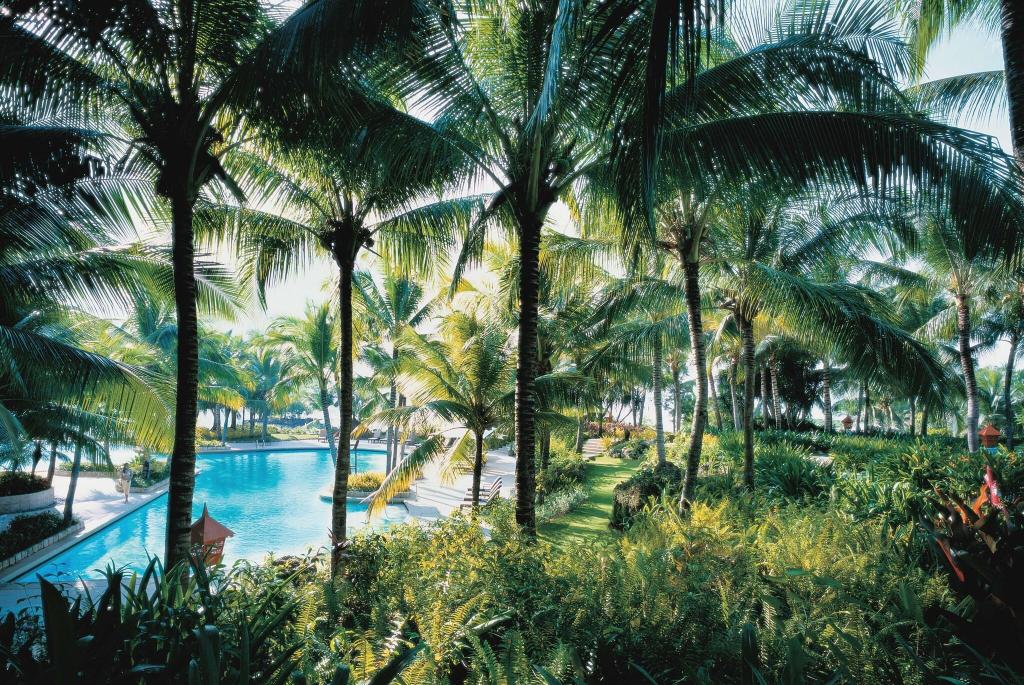
Cebu is two holidays in one. There is the city, the oldest in the Philippines, where Magellan planted a cross in 1521 and where jeepneys now honk past Spanish churches and glass malls. And there is the island, a long green spine with waterfalls in the hills and reefs just off the beach, where a morning can mean jumping off a cliff into a turquoise river.
Most trips start on Mactan, the resort island by the airport, then head south for waterfalls and snorkelling or north for the sand of Bantayan and Malapascua. Distances look short on the map and are not, so pick a direction and give it time.
Don't miss
Cebu City: the historic heart
The downtown sights sit close together and make an easy half-day.
Magellan's Cross
Landmark

Photo: Carlo Joseph Moskito, CC BY-SA 4.0 In a small tiled pavilion beside the city hall stands a wooden cross that marks the arrival of Ferdinand Magellan and the first Christian baptisms in the Philippines in 1521. The ceiling above it is painted with the scene. It takes five minutes to see and is the symbol of the city. Outside, women sell coloured candles and will offer a short dance of prayer on your behalf, a local tradition worth watching.
Basilica del Santo Niño
Landmark

Photo: LMP 2001, CC BY-SA 4.0 Steps from the cross, this is the oldest Catholic church in the country and home to its most venerated image: a small statue of the Christ Child given by Magellan to the local queen. Worshippers queue patiently to see it, and Mass spills out into a large open-air courtyard. It is a living place of devotion, not a museum. Dress modestly, keep your voice down and you will be made welcome.
Fort San Pedro
Landmark

Photo: Philip Nalangan, CC BY 4.0 A small triangular Spanish fort by the port, built of coral stone and now filled with gardens. You can walk the ramparts, lean on an old cannon and get a sense of how the colonial city began. It is shady and quiet, a welcome breather after the streets around the basilica.
Carbon Market
Market
The biggest and oldest market in Cebu is a noisy, colourful crush of fruit, flowers, dried fish and woven baskets. This is the city at its least polished and most alive. Go in the morning, keep valuables tucked away and try the mangoes, which Cebu is known for across the Philippines.
Hills and viewpoints
Cebu Taoist Temple
Landmark

Photo: Neigo Genetiano, CC BY-SA 4.0 Built by the city's Chinese community in the hills of Beverly Hills, this temple is a cascade of red pillars, green-tiled roofs and dragon statues, with a long staircase up to the main hall. The terraces look out over the city and across the water to Mactan.
Tip: It is a place of worship. Cover shoulders and knees, and note that photographs are not allowed inside the prayer halls.
Temple of Leah
Landmark

Photo: Ralff Nestor Nacor, CC BY-SA 4.0 Higher up in the hills at Busay, a Cebuano businessman built this enormous Roman-style temple in memory of his wife. It is all columns, lion statues and grand staircases, and wonderfully over the top. Come late in the afternoon and stay for the city lights, ideally combined with the nearby Tops lookout.
Osmeña Peak
Nature

Photo: Patrickroque01, CC BY-SA 4.0 The highest point on the island rises above the vegetable farms of Dalaguete in the south. A short, steep path leads to a summit surrounded by a sea of jagged green hills, with the coast and the neighbouring island of Negros beyond. It is a quick climb that suits anyone reasonably fit.
Waterfalls and reefs in the south
The south-west coast is where Cebu gets adventurous.
Kawasan Falls
Nature

Photo: Rollymagpayo, CC BY-SA 4.0 Near Badian, a river the colour of mouthwash tumbles through the jungle in a series of falls and pools. You can walk in along a riverside path and swim at the main falls, or arrive the hard way: canyoneering downstream, jumping, sliding and floating through the gorge with a guide. The canyoneering is the best-known adventure on the island and a thrill for confident swimmers. The walk-in route is fine for everyone else.
Tip: Go on a weekday and start early. The pools are far calmer before the day-trippers arrive.
Moalboal
Activity

Photo: Iampjanz, CC BY-SA 4.0 Just off Panagsama Beach in Moalboal, a vast shoal of sardines lives within a few fin-kicks of the shore, swirling into shifting silver clouds. You need only a mask and snorkel to see it, and sea turtles graze on the same stretch of reef.
The village is a laid-back strip of dive shops and bars. Nearby White Beach is the place for sand, and Pescador Island offers wall diving a short boat ride away.
Islands and beaches
Mactan island-hopping
Activity
From the resorts of Mactan, outrigger boats head out for a day among the small islands and marine sanctuaries of the Olango group. Expect snorkelling over coral, a sandbar or two and a grilled seafood lunch. It is the easiest day on the water in Cebu and good with children. Back on Mactan, the Mactan Shrine marks the spot where the chieftain Lapulapu defeated Magellan in 1521.
Malapascua
Activity

Photo: Vyacheslav Argenberg, CC BY 4.0 A tiny island off the northern tip of Cebu, Malapascua is known to divers the world over for one thing: thresher sharks, long-tailed and shy, which can be seen on early-morning dives. Above water it is barefoot and car-free, with Bounty Beach running along the south shore.
Bantayan Island
Beach

Photo: SYKE Travel & Tours, CC BY-SA 4.0 Off the north-west coast, Bantayan is the Cebu of long white beaches and not much else. The sand around Santa Fe is soft and pale, the water shallow and calm, and the pace is set by bicycles and fishing boats. It suits couples and anyone who wants to do very little, very well.
Bohol
Day trip

Photo: Wolfgang Hägele, CC BY-SA 4.0 A fast ferry from Cebu City crosses to the neighbouring island of Bohol, home to the Chocolate Hills: more than a thousand near-identical grassy mounds that turn brown in the dry season. Add a river cruise at Loboc and the white sand of Panglao and you have a very full day.
Tip: It is a long day there and back. If you can spare a night on Bohol, take it.
Eat and drink
Lechon
Food

Photo: Bim24, CC BY-SA 4.0 Cebu's claim to culinary fame is whole pig, stuffed with lemongrass, garlic and spring onions and turned slowly over charcoal until the skin shatters like glass. Unlike elsewhere in the Philippines it is eaten without sauce, because it does not need one. You will find it at dedicated lechon restaurants across the city and Mactan. Order it with puso, rice steamed in a woven palm-leaf pouch.
Mangoes and street barbecue
Food
Cebu's mangoes are famously sweet, sold fresh at every market and dried in packets that make the classic souvenir. In the evening, look for open-air barbecue stalls, where you choose skewers of pork, chicken and seafood to be grilled over coals and eaten with your hands.
Where to stay in Cebu
Not sure which area suits you? Read our guide: Where to stay in Cebu →

★★★★
Bai Hotel Cebu
Mandaue City, Cebu
Spa · Pool · Family-friendly
See prices and rooms →

★★★★
Arterra Hotel and Resort
Lapu Lapu City
Beach 10 m · Pool · Parking
See prices and rooms →

★★★★★
Shangri-La Mactan Resort and Spa Cebu
Lapu-Lapu
Spa · Rooftop pool · Family-friendly
See prices and rooms →

★★★★
Badian Island Wellness Resort
Cebu
Beach 10 m · Spa · Pool
See prices and rooms →

★★★★
Bluewater Maribago Beach Resort
Lapu Lapu City
Spa · Pool · Family-friendly
See prices and rooms →

★★★★★
Movenpick Hotel Mactan Island Cebu
Lapu Lapu City
Beach 50 m · Spa · Pool
See prices and rooms →

★★★★
Cebu White Sands Resort & Spa
Lapu Lapu City
Spa · Pool · Parking
See prices and rooms →

★★★★★
Crimson Resort & Spa Mactan
Lapu Lapu City
Spa · Pool · Family-friendly
See prices and rooms →
Getting around
In Cebu City and Mactan, taxis and app cabs are the simplest way to get about. For the south and north of the island, buses run from the city's two terminals, but a private car with a driver or an organised tour saves a lot of time. Ferries link Cebu with Bohol, Bantayan and Malapascua.
When to go
The drier months in the first half of the year are generally the best for beaches and waterfalls. The second half of the year is wetter, with a risk of typhoons. In January the city fills for Sinulog, a huge street festival in honour of the Santo Niño.
Questions about visiting Cebu
- What is Cebu best known for?
- Its history as the oldest city in the Philippines, with Magellan's Cross and the Basilica del Santo Niño; its lechon; and the island's waterfalls, diving and white-sand beaches.
- How many days do you need in Cebu?
- Allow at least four or five days: one for Cebu City, one or two on Mactan, and two for the south around Moalboal and Kawasan Falls. Add more for Bantayan or Malapascua.
- Is Cebu worth visiting?
- Yes. It combines a historic city with easy access to reefs, waterfalls and quiet islands, and it has an international airport, which makes it a good first stop in the Philippines.
- What is there to do in Cebu with kids?
- Island-hopping and snorkelling from Mactan, swimming at the main pool of Kawasan Falls, the calm shallow beaches of Bantayan and the ramparts of Fort San Pedro all work well for families.
More guides
- Where to stay in Cebu
- The best things to do in London
- The best things to do in Edinburgh
- The best things to do in Manchester
- The best things to do in York
- The best things to do in Amsterdam
- The best things to do in Birmingham
- The best things to do in Liverpool
- The best things to do in Bristol
- The best things to do in Barcelona
- The best things to do in Budapest
- The best things to do in Cambridge
- The best things to do in Dublin
- The best things to do in Krakow