
Costa Rica is a small country with an absurdly big list of things to see. In a single trip you can watch a volcano glow over a rainforest, cross a bridge strung through the cloud forest canopy, drift down a canal where the jungle meets a turtle-nesting beach, and end the day with your toes in sand on the Pacific. No wonder it became the poster child for ecotourism.
Wildlife is the headline act, and it's easier to find than you might expect: monkeys in the trees at Manuel Antonio, scarlet macaws over the Osa, sloths pretty much anywhere with a guide to spot them. Go with a good local naturalist, take your time, and travel light on the schedule. Costa Rican roads are slow, and the best moments tend to arrive when you stop rushing.
Don't miss
Volcanoes and cloud forest
The mountain spine that runs down the middle of the country.
Arenal Volcano
Nature

Photo: Bernard Gagnon, CC0 Arenal is the volcano you picture when you imagine Costa Rica: a near-perfect cone rising above green pasture and rainforest, usually with a cloud wreath around the top. It's currently resting, so there's no glowing lava on show, but the mountain still dominates every view from the town of La Fortuna.
The area around it's built for adventure. Hike old lava flows in the national park, kayak on Lake Arenal, or finish the day soaking in one of the hot springs that the volcano heats from below.
Tip: Clouds often cover the summit by afternoon. Plan your viewpoint stops for the morning.
La Fortuna Waterfall
Nature

Photo: Photo by and (c)2007 Derek Ramsey (Ram-Man), CC BY-SA 4.0 A tall, thin cascade that plunges into a jungle-ringed pool just outside La Fortuna. Getting down means a long staircase through the forest, and getting back up is the price you pay for a swim at the bottom.
Tip: Go early for fewer people. Wear shoes with a decent grip, because the steps are steep and damp.
Monteverde Cloud Forest
Nature

Photo: Cephas, CC BY-SA 4.0 High in the Tilarán mountains, Monteverde is a forest that lives in the clouds. Mist drifts through the trees, which are draped in moss, orchids and ferns, and a network of trails and hanging bridges lets you walk at canopy level. It's cool, damp and wonderfully atmospheric.
Birdwatchers come for the resplendent quetzal, a glittering green bird that's the great prize here. Night walks with a guide turn up frogs, insects and other creatures you would never spot alone.
Tip: Pack a light waterproof and a warm layer. It is much cooler than the coast.
Río Celeste
Nature

Photo: MongeNajera, CC BY-SA 3.0 In Tenorio Volcano National Park, a river runs an unreal shade of sky blue, the result of minerals meeting where two streams join. The walk to the waterfall and the bright pools along the way is one of the country's best short hikes.
Tip: The trail is muddy after rain, so rubber boots are a good idea.
Poás Volcano
Nature

Photo: Peter Andersen, CC BY 2.5 An easy day trip from San José, Poás has one of the largest volcanic craters in the world open to visitors, with a turquoise acid lake steaming at the bottom. The park sometimes closes when the volcano is active, so check before you set off.
Tip: Go in the morning. The crater fills with cloud later in the day.
Beaches and coast
Manuel Antonio National Park
Nature

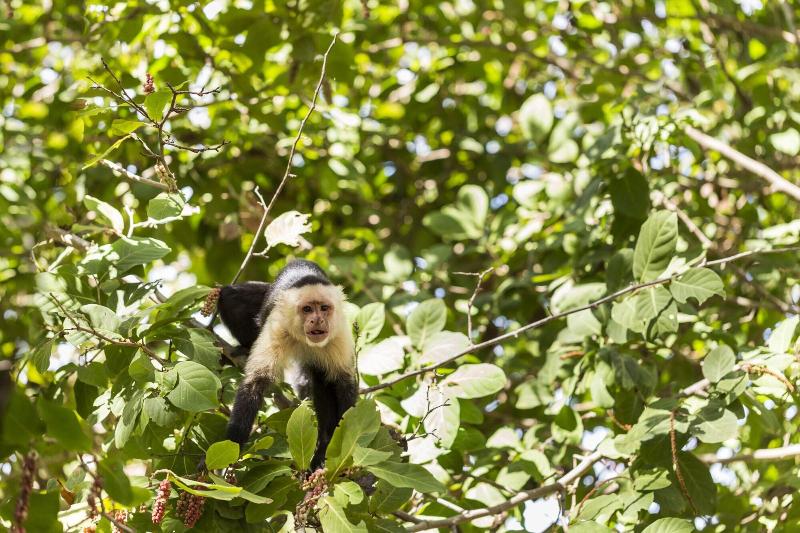
Photo: Bernard Gagnon, CC0 Costa Rica's smallest and most popular national park squeezes rainforest, white-sand coves and clear water into a compact headland on the Pacific coast. It's also one of the easiest places in the country to see wildlife, from white-faced capuchin monkeys to sloths in the trees.
Hire a guide at the entrance and you'll see far more than you would alone: they carry scopes and know exactly where the animals are resting.
Tip: Arrive when the gates open, before the heat and the crowds. Never feed the monkeys.
Playa Conchal
Beach

Photo: Haakon S. Krohn, CC BY-SA 3.0 On the Guanacaste coast, this beach is made largely of crushed seashells, giving the sand a pale, pinkish glow. The water is calm and clear, good for swimming and snorkelling, and it sits close to the big resorts of the north-west.
Marino Ballena National Park
Nature
Near the town of Uvita on the south Pacific coast, a sandbar curves out into the sea in the shape of a whale's tail at low tide. Humpback whales visit these waters from both hemispheres, which gives the area two whale-watching seasons a year. Go with a licensed operator who keeps a respectful distance.
Wild Costa Rica
Corcovado National Park
Nature

Photo: Bernard Gagnon, CC0 On the remote Osa Peninsula, Corcovado protects one of the largest tracts of lowland rainforest on the Pacific side of Central America and is often described as one of the most biodiverse places on the planet. Scarlet macaws, tapirs and monkeys live here, and with luck you'll see a few of them.
It's wild and takes effort to reach, with guided walks required inside the park. Most people base themselves in Drake Bay or Puerto Jiménez and visit on a day tour or a longer trek.
Tip: Book well ahead in the dry season, and expect a guide to be mandatory.
Tortuguero
Wildlife

Photo: S. Rae from Scotland, UK, CC BY 2.0 On the Caribbean coast there are no roads in, only boats and small planes. Tortuguero is a maze of jungle canals, best explored by boat at dawn when the birds and monkeys are active, and its beach is a nesting site for sea turtles in season.
It feels like another country from the Pacific side: wetter, quieter and wilder. A night or two is plenty.
Tip: Turtle nesting is strictly regulated, so join a licensed guided walk if you visit in season.
Pacuare River rafting
Activity
The Pacuare is one of the most beautiful whitewater rivers in Central America, running through a rainforest gorge with waterfalls dropping from the cliffs. Day trips from San José run the best sections, and some operators offer overnight trips with a jungle lodge on the bank.
Tip: River levels vary through the year. Ask your operator which section suits your experience.
Eat and drink
Gallo pinto
Food

Photo: Legendre17, CC BY 3.0 Rice and black beans stir-fried together with onion, sweet pepper and coriander: the Costa Rican breakfast. It comes with eggs, fried plantain and often a spoonful of the local sauce Lizano, and it will set you up for a morning of jungle walking.
Casado
Food

Photo: Richie Diesterheft from Chicago, IL, USA, CC BY 2.0 The classic lunch plate, served in small family restaurants called sodas. A casado puts rice, beans, salad, fried plantain and a choice of chicken, beef or fish on one plate. It's simple, filling and typically very good value.
Costa Rican coffee
Food
Coffee shaped modern Costa Rica, and the mountains around San José and Monteverde are full of farms that welcome visitors. A tour walks you through picking, drying and roasting, and ends, naturally, with a cup. Buy a bag to take home.
Where to stay in Costa Rica
Not sure which area suits you? Read our guide: Where to stay in Costa Rica →
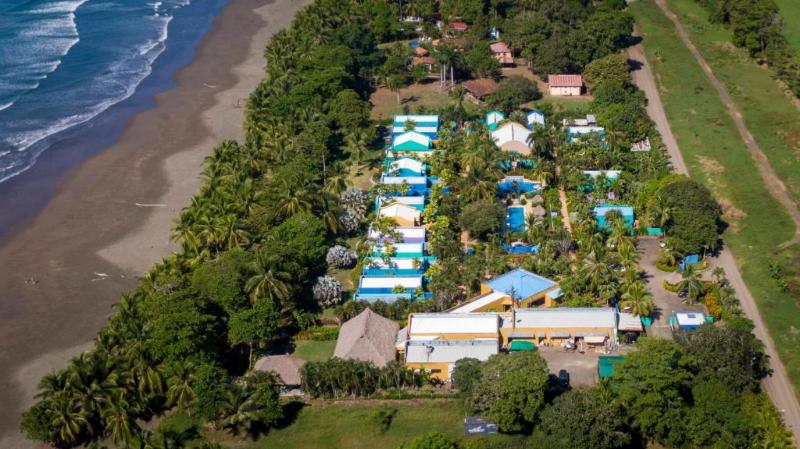
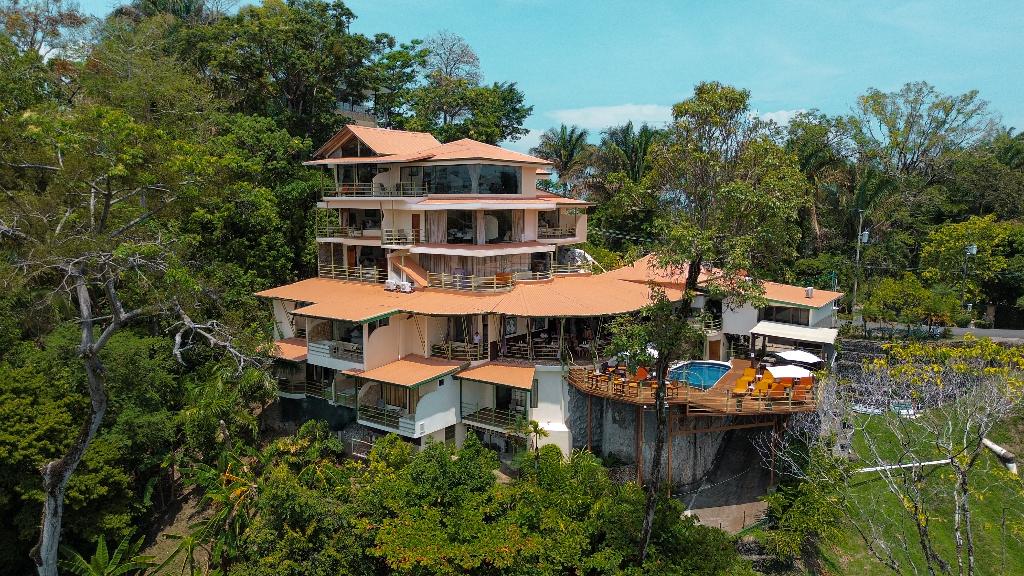
★★★★
Alma Del Pacifico
Puntarenas
Spa · Pool
See prices and rooms →

★★★★
Aloft San Jose
San Jose
Spa · Pool · Family-friendly
See prices and rooms →
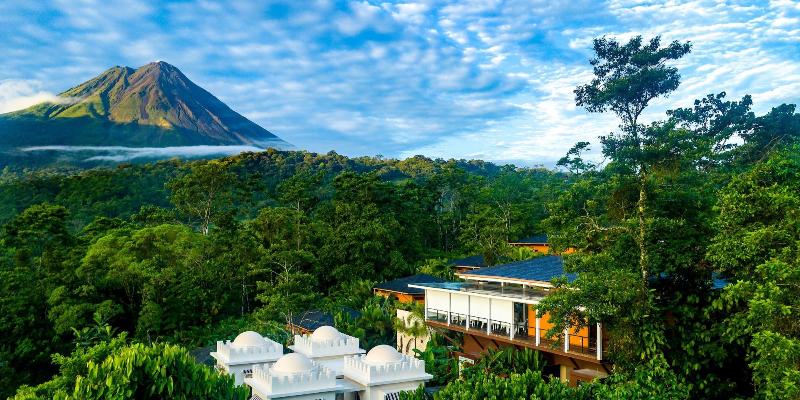
★★★★★
Nayara Springs - Adults Only
La Fortuna
Adults only · Spa · Pool
See prices and rooms →

★★★★
Alta las Palomas
San Jose
Pool · Parking
See prices and rooms →
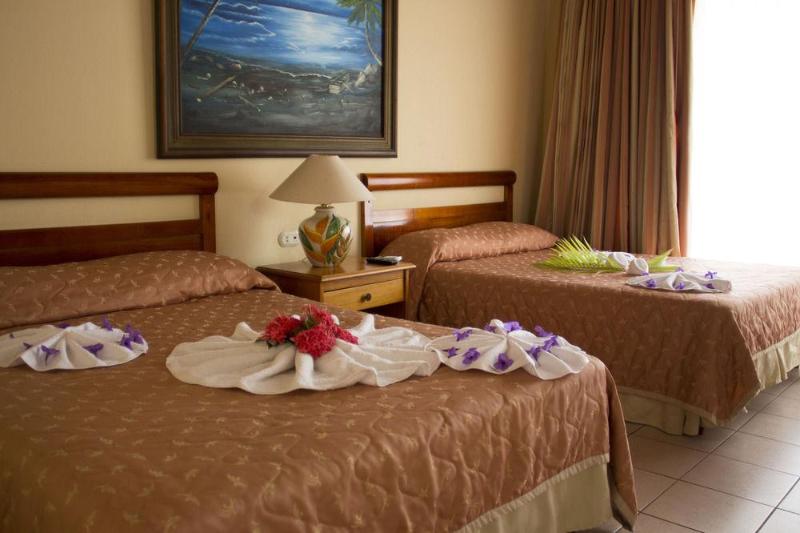
★★★★
Amapola
Jaco
Beach 300 m · Pool · Parking
See prices and rooms →
★★★★★
Four Seasons Resort Costa Rica At Peninsula Papaga
Guanacaste
Spa · Pool · Family-friendly
See prices and rooms →
★★★★
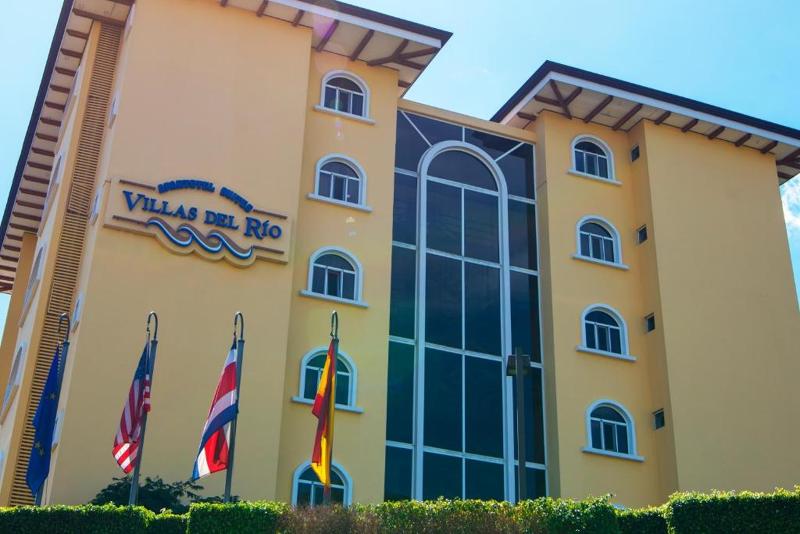
Apartotel & Suites Villas del Rio
San Rafael
Pool · Family-friendly · Pets allowed
See prices and rooms →
★★★★★
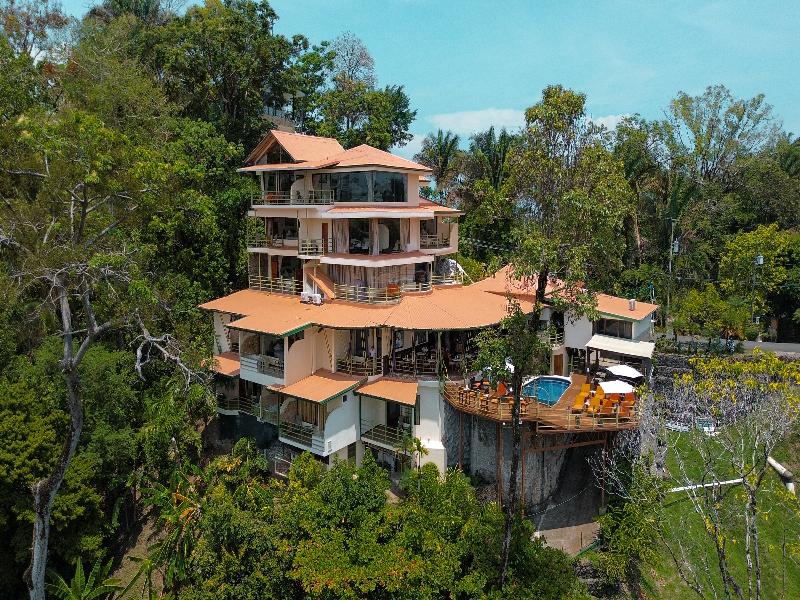
Issimo Suites Boutique Hotel and Spa
Manuel Antonio
Adults only · Spa · Pool
See prices and rooms →
Getting around
Distances look short on the map, but mountain roads are slow, so allow more time than you think. Shared shuttles link the main destinations, there are domestic flights to some regions, and a hire car gives you the most freedom. Some rural roads suit a 4x4, so check before you book.
When to go
The dry season runs roughly from December to April and is the most popular time. The green season, from about May to November, brings afternoon showers, lush scenery and fewer visitors. The Caribbean side has its own weather pattern and can be wet at any time of year.
Questions about visiting Costa Rica
- What is Costa Rica best known for?
- Rainforest, volcanoes and wildlife. Arenal Volcano, Monteverde cloud forest, Manuel Antonio National Park and the Osa Peninsula are the headline places, and the country is a world leader in ecotourism.
- Is Costa Rica worth visiting?
- Yes. It packs volcanoes, cloud forest, rainforest and both Pacific and Caribbean coasts into a small country, with easy access to wildlife and well-run national parks.
- What is there to do in Costa Rica with kids?
- Wildlife spotting at Manuel Antonio, canal boat trips at Tortuguero, hanging bridges at Monteverde, hot springs near Arenal and calm beaches in Guanacaste are all popular with families.
- How many days do you need in Costa Rica?
- Ten days to two weeks lets you combine the volcano country around Arenal with a beach region such as Manuel Antonio or Guanacaste. A week works if you stick to two bases.
- Do you need a car in Costa Rica?
- Not necessarily. Shared shuttles and tours cover the main routes, and domestic flights save time. A hire car helps if you want to explore remote areas at your own pace.
More guides
- Where to stay in Costa Rica
- The best things to do in London
- The best things to do in Edinburgh
- The best things to do in Amsterdam
- The best things to do in Barcelona
- The best things to do in Budapest
- The best things to do in Dublin
- The best things to do in Krakow
- The best things to do in Prague
- The best things to do in Berlin
- The best things to do in Lisbon
- The best things to do in Milan
- The best things to do in Paris
- The best things to do in Rome