

Croatia is a country built around its coast. A thousand-odd islands, a string of walled stone towns, Roman ruins that have never stopped being lived in and an Adriatic so clear you can count pebbles through it. Inland there are waterfalls and wooded hills, while up north, Istria has the hilltop villages and the truffles.
It's long and thin, so plan a route rather than a base. Fly into Split or Dubrovnik, take the ferries between the islands, drive up into Istria and give the national parks their early mornings. You won't see it all in one trip, which is a perfectly good reason to come back.
Don't miss
Walled cities and palaces
Dalmatia has more stone history per square metre than almost anywhere in Europe.
Dubrovnik's City Walls
Landmark

Photo: Bernard Gagnon, CC BY-SA 4.0 The medieval walls that ring Dubrovnik's Old Town are the best walk in Croatia. A route along the top takes you past towers and forts, with red roofs on one side and the glittering Adriatic on the other. The city has stood in for King's Landing on screen, but it needs no help from fiction.
Tip: Walk the walls early in the morning or late in the afternoon, when it is cooler and quieter.
Diocletian's Palace, Split
Landmark

Photo: Bernard Gagnon, CC BY-SA 4.0 In the 4th century a Roman emperor built a retirement palace on the Split waterfront, and the city grew up inside it. Today people still live, shop and eat in its walls, with Roman columns around the courtyard, a cathedral in a former mausoleum and cellars you can walk through.
It's a living old town, not a museum, and is most atmospheric in the evening when the stone glows and the Riva promenade fills.
Zadar Sea Organ
Landmark

Photo: Andrej Šalov, CC BY-SA 3.0 On the waterfront in Zadar, a flight of white steps leads down to the sea, and hidden pipes beneath turn the motion of the waves into music. Nearby, the Greeting to the Sun is a ring of glass that glows at dusk. Together they make Zadar's sunsets a favourite.
Šibenik Cathedral
Landmark

Photo: Bernard Gagnon, CC BY-SA 4.0 The Cathedral of St James is a UNESCO World Heritage Site built entirely of stone, from its vaults to its roof, with a row of carved heads running around the apses. It's an extraordinary piece of Renaissance craftsmanship in a quiet town.
Istria and the north
Rovinj
Neighbourhood

Photo: Ironbernietyrol, CC BY-SA 4.0 Istria's prettiest town is a fishing port on a little peninsula, its tall pastel houses climbing to a hilltop church with a campanile. Cobbled lanes wind between art galleries and wine bars, and the harbour is lovely at sunset.
Pula Arena
Landmark

Photo: Diego Delso, CC BY-SA 4.0 A Roman amphitheatre that's among the best preserved in the world, standing by the waterfront in Pula, with its outer walls still almost complete. It still hosts concerts and festivals, and sits among other Roman remains in a city that's easy to explore on foot.
Motovun
Neighbourhood
A walled hill town in the green interior of Istria, with a loop of ramparts and views over forests and vineyards. It's the heart of Istrian truffle country, and a fine spot for a long lunch.
Zagreb
Neighbourhood
The capital is a relaxed city of cafés, parks and Habsburg-era streets. Take the short funicular up to the Upper Town, with its tile-roofed St Mark's Church, then drop down to Dolac, the open-air market behind the main square, for fruit, cheese and cured meats.
Waterfalls and wild places
Plitvice Lakes
Nature

Photo: Berthold Werner, CC BY-SA 3.0 Sixteen terraced lakes in shades of turquoise and green are linked by waterfalls and cascades, with wooden walkways carrying you right over the water. It's a UNESCO World Heritage Site and one of the most beautiful places in Europe, set in the forests of inland Croatia.
Tip: Go early or in the late afternoon and book entry in advance in summer: the walkways get crowded.
Krka National Park
Nature

Photo: Skot, CC BY-SA 4.0 Near Šibenik, the Krka river drops through a series of waterfalls, the largest of which, Skradinski Buk, is a broad curtain of cascades with walkways beside it. It's easy to reach from Split or Zadar and a gentler alternative to Plitvice.
Kornati Islands
Nature
A scatter of bare, pale limestone islands off Zadar and Šibenik, the Kornati are a national park best seen by boat. There are no villages to speak of, just clear water, sheltered coves and sailing boats.
Mljet
Nature
A long, forested island south of Dubrovnik with two saltwater lakes in the national park at its western end. There's a small monastery on an island in one of the lakes, and you can cycle or walk around the shore.
Islands and beaches
Hvar Town
Neighbourhood

Photo: Boris Tylevich, CC BY 2.0 Hvar is the glamorous face of the Dalmatian islands: a handsome Venetian-era harbour, a stone square, a fortress above the town and a nightlife scene that runs late. The nearby Pakleni islands, reached by taxi boat, have the swimming.
Zlatni Rat
Beach

Photo: Marin0110, CC BY-SA 4.0 Near the town of Bol on the island of Brač, the Golden Horn is a long spit of pale pebbles that juts into the sea, and its tip shifts with the wind and the currents. It's a favourite for windsurfing and swimming, with pine trees behind.
Korčula
Neighbourhood

Photo: Quintin Soloviev, CC BY 4.0 A walled old town on a small peninsula, laid out in a herringbone of lanes to catch the breeze and block the wind. It claims to be the birthplace of Marco Polo, and it has a cathedral, small museums and ferries to the mainland and other islands.
Eat and drink
Istrian truffles
Food
The woods of inland Istria are rich in truffles, and restaurants serve them shaved over pasta, eggs and steak. Look for fuži, a hand-rolled pasta, and wash it down with a glass of Malvazija, the crisp local white.
Dalmatian seafood
Food

Photo: pelican from Tokyo, Japan, CC BY-SA 2.0 Along the coast, the best meals are simple: grilled fish with olive oil and garlic, octopus salad and black risotto, coloured and flavoured with cuttlefish ink. Order whole fish by weight at a harbourside konoba.
Peka
Food
Lamb, veal or octopus and vegetables roasted slowly under an iron bell covered in hot embers, until everything is tender and smoky. It usually needs ordering ahead, so ask when you book a table at a traditional konoba.
Where to stay in Croatia
Not sure which area suits you? Read our guide: Where to stay in Croatia →
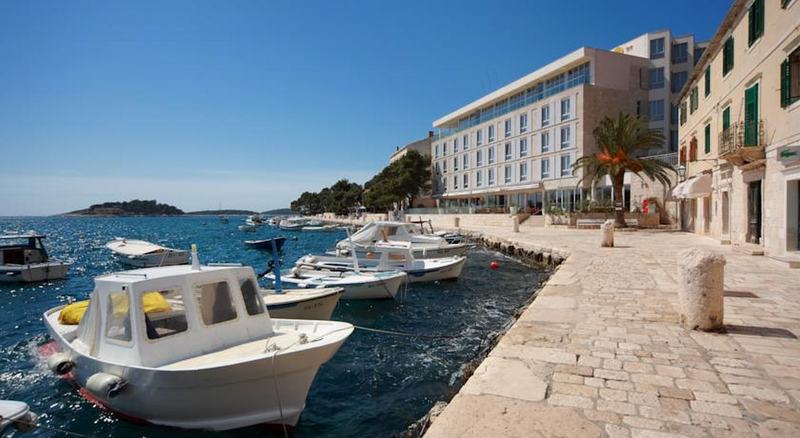
★★★★
Adriana, Hvar spa hotel
Island Hvar
Beach 500 m · Spa · Pool
From £212 a night, taxes incl.2 adults · checked 1 Oct, 19:38
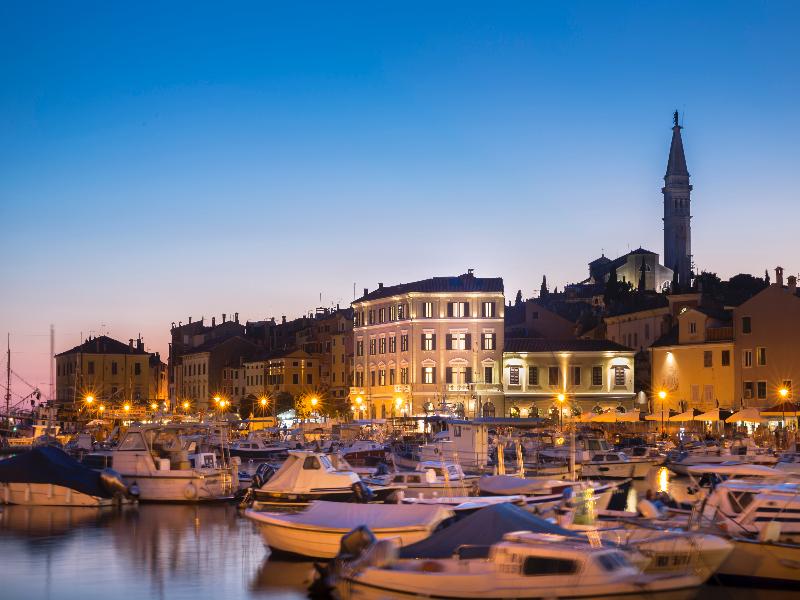
★★★★
Adriatic Hotel by Maistra Collection
Rovinj
Beach 300 m · Parking
See prices and rooms →

★★★★★
Hotel Excelsior Dubrovnik
Dubrovnik
Beach 20 m · Spa · Pool
From £1,243 a night, taxes incl.2 adults · checked 1 Oct, 19:22
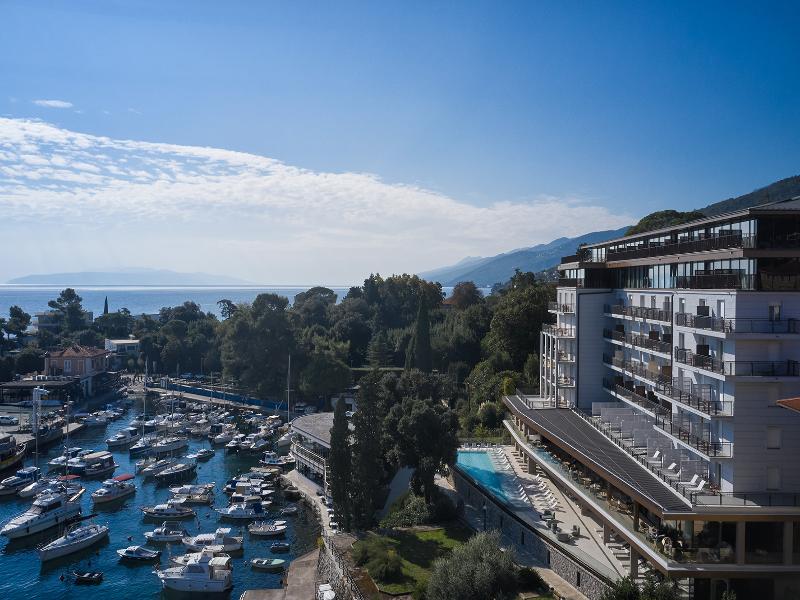
★★★★
Amadria Park Grand Hotel 4 Opatijska Cvijeta
Opatija
Beach 50 m · Spa · Parking
See prices and rooms →

★★★★
Amadria Park Hotel Agava
Opatija
Beach 150 m · 73 rooms · Pets allowed
See prices and rooms →
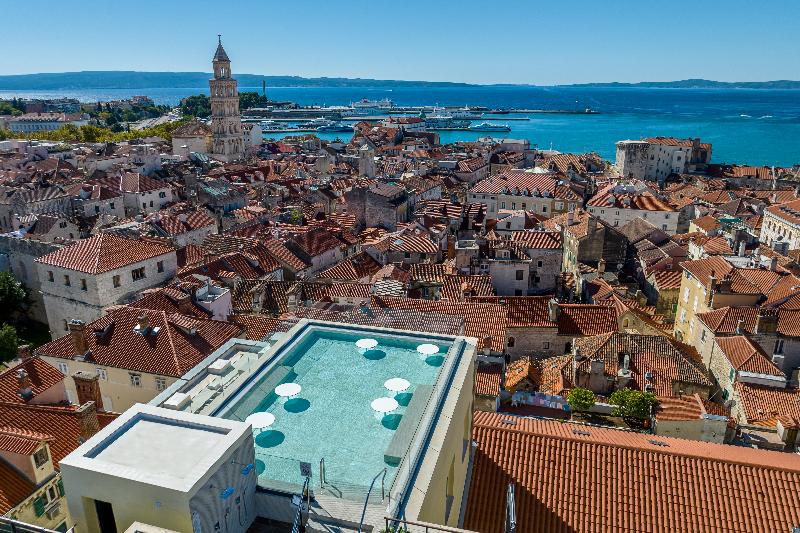
★★★★★
Cornaro Hotel
Split
Beach 1.2 km · Spa · Parking
From £440 a night, taxes incl.2 adults · checked 1 Oct, 19:38
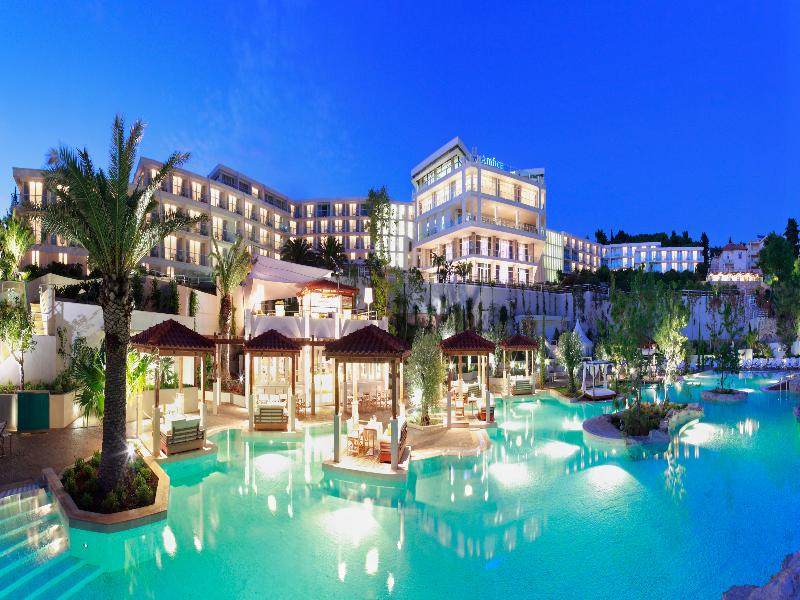
★★★★
Amfora Hvar Grand Beach Resort
Hvar, Island Hvar
Beach 10 m · Pool · Family-friendly
From £140 a night, taxes incl.2 adults · checked 1 Oct, 19:38
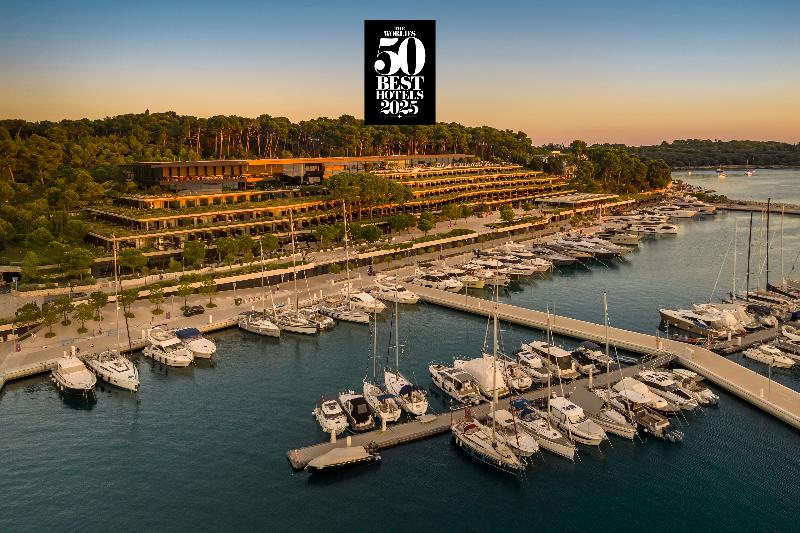
★★★★★
Grand Park Hotel Rovinj by Maistra Collection
Rovinj
Beach 100 m · Spa · Pool
See prices and rooms →
Getting around
Buses link the coastal cities, and ferries run from Split, Dubrovnik and Zadar to the islands, with more services in summer. A hire car is the easiest way to see Istria and the national parks, though parking in old towns is limited. Zagreb, Split and Dubrovnik have the main airports.
When to go
May, June and September are ideal, with warm sea, good walking weather and fewer crowds. July and August are hot and busy, especially on the coast, and island ferries run reduced services in winter.
Questions about visiting Croatia
- What is Croatia best known for?
- Its Adriatic coast and islands, the walled old towns of Dubrovnik and Split, the waterfalls of Plitvice, Roman ruins in Pula and fresh seafood.
- How many days do you need in Croatia?
- A week lets you combine Dubrovnik, Split and an island. Ten days adds Plitvice or Istria and a slower pace. Croatia is long, so choose a region rather than trying to see everything.
- Do you need a car in Croatia?
- Not on the coast: buses and ferries link the main towns. A car helps in Istria and for reaching the national parks, but parking in old towns is limited.
- Is Croatia good for island hopping?
- Yes. Ferries link Split, Dubrovnik and Zadar with islands such as Hvar, Brač, Korčula and Mljet, and many hops can be done in a day.
More guides
- Where to stay in Croatia
- The best things to do in London
- The best things to do in Edinburgh
- The best things to do in Amsterdam
- The best things to do in Barcelona
- The best things to do in Budapest
- The best things to do in Dublin
- The best things to do in Krakow
- The best things to do in Prague
- The best things to do in Berlin
- The best things to do in Lisbon
- The best things to do in Milan
- The best things to do in Paris
- The best things to do in Rome