
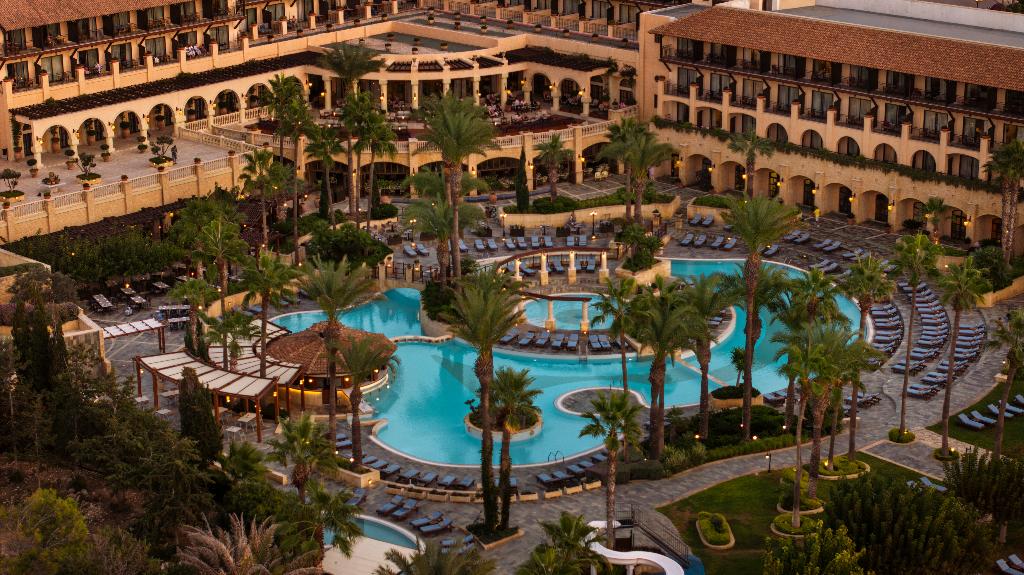
Cyprus is the Mediterranean in layers. Sandy beaches and warm, clear water on the coast; Greek, Roman, Byzantine and Venetian ruins just inland; pine-scented mountains with painted chapels and wine villages above the heat. And all of it's so compact that you can do a bit of everything.
Most people base themselves on the coast, in Paphos, Limassol, Larnaca or around Ayia Napa, and discover the rest by hire car. The island drives on the left, signs are in English as well as Greek, and distances are short.
Don't miss
Ancient Cyprus
Some of the best-preserved Roman mosaics in the Mediterranean, and a coastline thick with legend.
Paphos Archaeological Park
Landmark

Photo: Diego Delso, CC BY-SA 4.0 The UNESCO-listed ruins of Nea Paphos, once the island's Roman capital, sit right by the harbour. The stars are the floor mosaics of grand Roman villas, vivid with gods, heroes and hunting scenes, which have survived for nearly two thousand years. Allow a couple of hours and bring a hat.
Tip: There is little shade. Go in the morning, and take water.
Tombs of the Kings
Landmark

Photo: Nikodem Nijaki, CC BY-SA 3.0 A little way up the coast from Paphos harbour, a necropolis of underground tombs carved straight into the rock, some with columns and courtyards. No kings were buried here, but the grandeur of the tombs earned the name. It's atmospheric, with the sea glinting beyond the stone.
Kourion
Landmark

Photo: Salwa Farwaneh Dameh, CC0 Perched on a cliff west of Limassol, this ancient city has Roman mosaics, a bathhouse and a well-preserved Greco-Roman theatre overlooking the sea. It's one of the finest archaeological sites on the island, and the setting is superb.
Petra tou Romiou
Nature

Photo: This photo was taken by Anton Zelenov. Please credit this with : Photo : Anton Z, CC BY-SA 4.0 Aphrodite's Rock: a cluster of sea stacks and a pebbly beach on the south-west coast, said in legend to be where the goddess of love rose from the foam. Whatever the truth, the setting is dramatic, especially at sunset, and tradition says that swimming around the rock brings good luck.
Beaches and coast
Nissi Beach
Beach

Photo: Héctor Ochoa "Robot8A", CC BY-SA 4.0 Ayia Napa's best-known beach is a stretch of fine white sand with shallow, clear water, with a small islet that you can wade out to. It has loungers, water sports and beach bars, and in summer it's lively all day.
Tip: Come early for sunbeds in high season.
Fig Tree Bay
Beach

Photo: Gerda Arendt, CC0 In Protaras, a sheltered, golden-sand bay with calm, shallow water, an easy choice for families. A promenade runs behind it, lined with cafés, shops and tavernas.
Cape Greco
Nature

Photo: kallerna, CC BY-SA 4.0 A national park at the island's south-eastern tip, with rugged limestone cliffs, sea caves, coves with startlingly clear water and and walking trails along the clifftops. It's a great place for a walk, a swim or a boat trip along the coast.
Tip: Take shoes you can scramble in, and watch your footing near the cliff edges.
Blue Lagoon, Akamas
Nature

Photo: Michal Klajban, CC BY-SA 4.0 On the wild Akamas peninsula in the north-west, the Blue Lagoon is a sheltered bay of astonishingly clear turquoise water, reached by boat trip from Latchi or on foot along coastal trails. Bring a mask and snorkel.
Towns and lakes
Limassol old town
Neighbourhood
Limassol is Cyprus's liveliest city, with a seafront promenade, a smart marina and a revived old town of stone buildings, cafés and craft shops around the medieval castle. Come for a wander, a coffee and an unhurried dinner.
Larnaca Salt Lake
Nature

Photo: Qasinka, CC0 Close to Larnaca airport, a shallow salt lake where flocks of flamingos and other wading birds spend the winter. The mosque of Hala Sultan Tekke stands among palm trees on its far shore, an important Muslim pilgrimage site and a peaceful place to visit.
Nicosia old town
Neighbourhood
The capital is surrounded by Venetian walls and split by a UN-patrolled buffer zone that runs through the middle of the old town. Walk along Ledra Street to see the checkpoint, then lose yourself in the lanes of craft shops, museums and cafés.
Into the mountains
Troodos Mountains
Nature

Photo: Michal Klajban, CC BY-SA 4.0 Pine forests, winding roads, cool air and stone villages fill the heart of the island, with Mount Olympus as its high point. In summer it's a welcome break from the coastal heat, and in winter there's occasional snow on the peaks.
The painted churches
Landmark

Photo: Diego Delso, CC BY-SA 4.0 Scattered across the Troodos are small, modest-looking churches whose interiors are covered in Byzantine frescoes. Ten of them are UNESCO-listed, and you can visit several in a day by car, with views of green valleys in between.
Omodos
Neighbourhood
A pretty wine village of cobbled lanes, whitewashed houses and wine shops around the Monastery of the Holy Cross. It's a good lunch stop and a good place to taste the local drop.
Eat and drink
Cypriot meze
Food
The best way to eat in Cyprus is to order a meze: a parade of small dishes that keeps arriving. Expect dips, salads, grilled halloumi, souvlaki, sausages, stuffed vine leaves and fish, until you cry mercy. Bring friends and an appetite.
Halloumi
Food

Photo: Hmioannou, CC BY 3.0 The salty, squeaky cheese that conquered British supermarkets began here. In Cyprus you'll eat it grilled, fried, in sandwiches, with watermelon in summer and baked in pastries. Nothing back home tastes quite the same.
Commandaria
Food
A sweet, amber dessert wine made in the foothills of the Troodos, with a history stretching back many centuries. Sip it after dinner, or buy a bottle in a wine village to take home.
Where to stay in Cyprus
Not sure which area suits you? Read our guide: Where to stay in Cyprus →
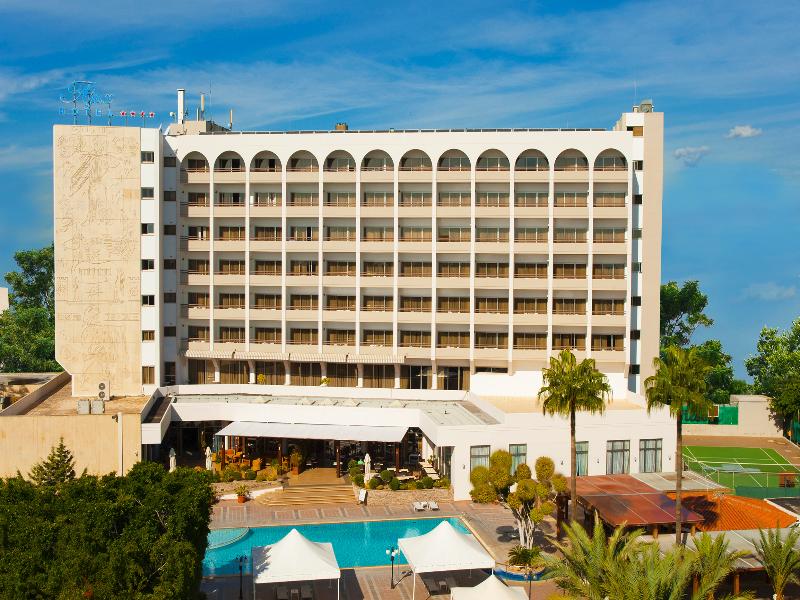
★★★★
Ajax Hotel
Limassol
Beach 500 m · Spa · Pool
See prices and rooms →
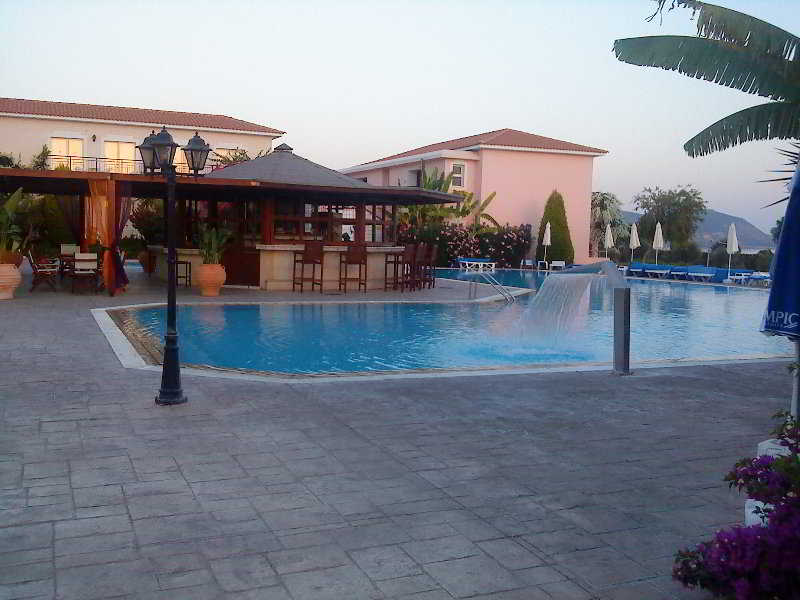
★★★★
Akamanthea Holiday Village
Polis
Beach 450 m · All-inclusive option · Family-friendly
From £95 a night, taxes incl.2 adults · checked 1 Oct, 19:38
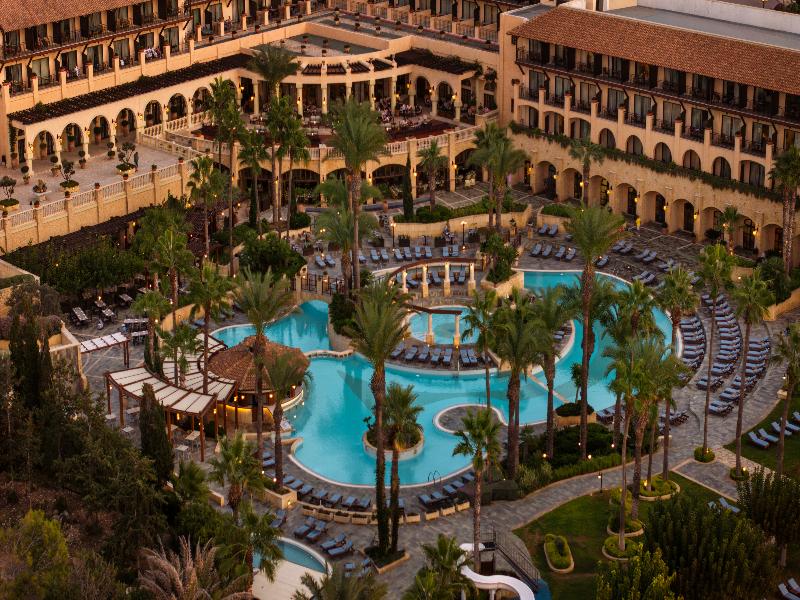
★★★★★
Elysium
Paphos
Spa · Pool · Family-friendly
From £340 a night, taxes incl.2 adults · checked 1 Oct, 19:38
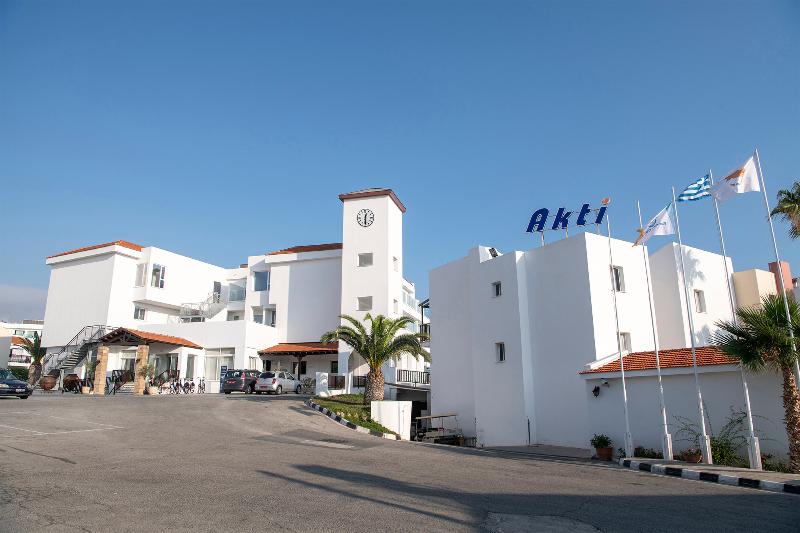
★★★★
Akti Beach Hotel & Village Resort
Chloraka, Paphos
Spa · Pool · Parking
See prices and rooms →
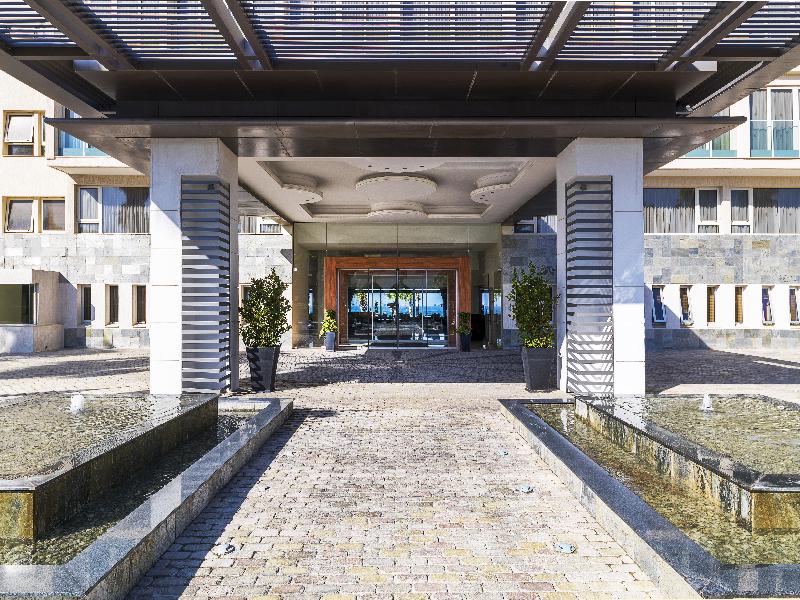
★★★★
Alexander The Great Beach Hotel
Paphos
Beach 350 m · Spa · Pool
From £332 a night, taxes incl.2 adults · checked 1 Oct, 19:38
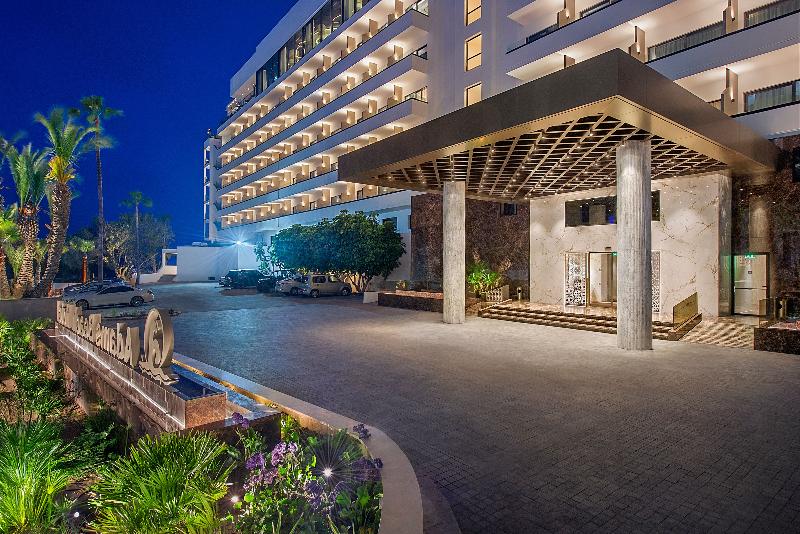
★★★★★
Adams Beach Hotel
Ayia Napa
Spa · Pool · Family-friendly
From £185 a night, taxes incl.2 adults · checked 1 Oct, 19:38
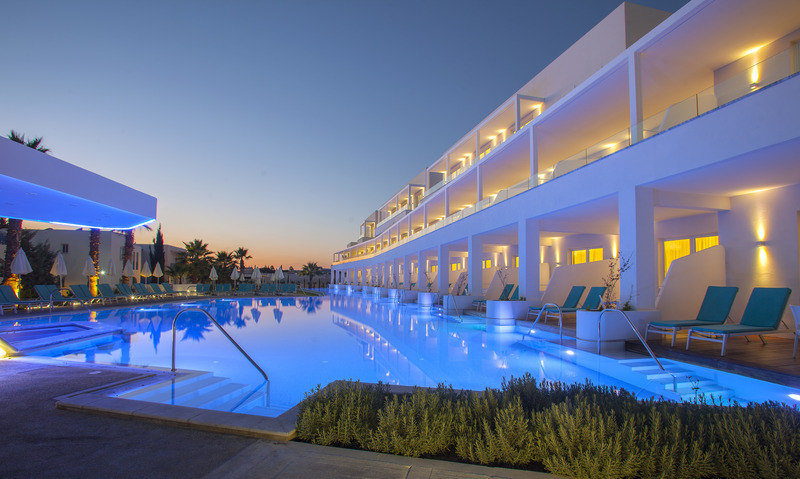
★★★★
Aliathon Resort
Paphos
Beach 150 m · Spa · Pool
From £205 a night, taxes incl.2 adults · checked 1 Oct, 19:38
★★★★★
Capo Bay
Protaras
Spa · Pool · Family-friendly
From £199 a night, taxes incl.2 adults · checked 1 Oct, 19:38
Getting around
Hire a car if you want to see more than the resort you're staying in. The island drives on the left, roads are good, and the main sights are an easy drive from each other. Buses cover the main towns, and taxis and organised excursions fill the gaps.
When to go
Summers are hot and best for beach holidays. Spring and autumn are warm and ideal for sightseeing and walking, and the mountains are cool even in summer. Winters are mild on the coast.
Questions about visiting Cyprus
- What is Cyprus best known for?
- Warm weather and beaches, Roman mosaics at Paphos, Aphrodite's Rock, the Troodos mountains, halloumi and meze.
- What is there to do in Cyprus with kids?
- Shallow, sandy beaches such as Nissi Beach and Fig Tree Bay, boat trips, water parks and mountain villages make it a good family destination.
- Which part of Cyprus is best for sightseeing?
- Paphos has the Roman mosaics and Tombs of the Kings, Limassol is close to Kourion and the Troodos foothills, and Larnaca and Ayia Napa are well placed for the east.
- How many days do you need in Cyprus?
- A week works well for a beach holiday with a few day trips. Ten days lets you see the whole island at an easy pace.
- Do you need a car in Cyprus?
- Not for a beach stay, but a hire car is the best way to reach the mountains, ancient sites and quieter beaches.
More guides
- Where to stay in Cyprus
- The best things to do in London
- The best things to do in Edinburgh
- The best things to do in Amsterdam
- The best things to do in Barcelona
- The best things to do in Budapest
- The best things to do in Dublin
- The best things to do in Krakow
- The best things to do in Prague
- The best things to do in Berlin
- The best things to do in Lisbon
- The best things to do in Milan
- The best things to do in Paris
- The best things to do in Rome