

A generation ago Doha was a quiet pearling port on a shallow bay. Today its skyline looks like a competition between architects, and several of the world's most famous have indeed been let loose here. Yet the city has taken care not to lose itself: the old souq still smells of spice and oud, wooden dhows still bob in the harbour, and the desert begins where the suburbs stop.
Doha suits a short, well-planned visit. The museums are superb, the waterfront walk is one of the best in the Gulf, and the metro makes hopping between them simple. Spend your days in cool galleries and your evenings outdoors, when the heat lifts and the whole city comes out to eat.
Don't miss
The big sights
Souq Waqif
Market

Photo: Diego Delso, CC BY-SA 3.0 Doha's old market stands where Bedouin once came to trade wool and livestock, rebuilt in traditional style with mud-rendered walls, timber beams and a warren of covered alleys. Stalls sell spices by the sack, perfume, embroidered robes, sweets and cooking pots, and porters still push wheelbarrows through the crowd.
It wakes up properly after sunset. The main lane fills with restaurant tables and the scent of grilled meat and shisha, and it seems as if half of Qatar has come out for a stroll. This is the most atmospheric place in the city.
Tip: Many shops close in the afternoon. Come in the early evening and stay for dinner.
The Corniche
Landmark

Photo: Peter Dowley from Dubai, United Arab Emirates, CC BY 2.0 A broad waterfront promenade curves for several miles around Doha Bay, from the Museum of Islamic Art to the towers of West Bay. Palm trees line the path, traditional dhows are moored along the harbour wall, and the skyline across the water glitters more with every step.
Walk or cycle a stretch of it around dusk, when the air cools and families come out. For the view from the water, take a short dhow cruise from the quay.
Katara Cultural Village
Landmark

Photo: Zairon, CC BY 4.0 Between West Bay and The Pearl, a purpose-built quarter of sand-coloured lanes houses galleries, theatres, an opera house and a huge open-air amphitheatre facing the sea. Look out for the mosque covered in blue and gold tiles and the curious mud-brick pigeon towers beside it.
There is a public beach, a long row of restaurants and, most evenings, some kind of festival or concert going on. Go at night, when it is lit up and lively.
The Pearl
Neighbourhood

Photo: [1] (A♥) @ Flickr.com, CC BY 2.0 An artificial island of marinas, apartment towers and shopping arcades off the northern shore. Porto Arabia, its main harbour, is ringed by a waterfront walk of cafés and designer shops with a fleet of gleaming yachts for scenery.
The prettiest corner is Qanat Quartier, a pastel-painted pastiche of Venice complete with canals and little arched bridges. It is entirely artificial and rather charming, especially for a coffee and a wander in the late afternoon.
Museums and galleries
Doha has built some of the most impressive museums of this century.
Museum of Islamic Art
Museum

Photo: Šarūnas Burdulis from Hanover, USA, CC BY-SA 2.0 The building that put Doha on the cultural map stands on its own island at the end of the Corniche: a stack of pale stone cubes by the architect I. M. Pei, sharp-edged in the sun and serene at night. Inside, a soaring atrium looks out through a great window to the skyline.
The galleries hold fourteen centuries of treasures from three continents, including ceramics, carpets, jewelled daggers, astrolabes and manuscripts, all beautifully lit. The park that curves around the bay behind it is a favourite picnic spot.
Tip: Leave time for the park outside, which has one of the best views of the West Bay towers.
National Museum of Qatar
Museum

Photo: Davide Mauro, CC BY-SA 4.0 Jean Nouvel's design is like nothing else: hundreds of huge interlocking discs, the colour of sand, modelled on the desert rose, a crystal formation found in the Qatari desert. The building loops around the restored palace of a former ruler.
Inside, a long sequence of galleries carries you from the geology of the peninsula through Bedouin life and pearl diving to oil, gas and the modern state, using films projected across the curving walls. Even people who dislike museums tend to enjoy this one.
Msheireb Museums
Museum
Four restored courtyard houses in the rebuilt downtown district tell the quieter stories of Qatar. One looks honestly at the history of slavery in the region; another recalls the first oil workers; the others explore family life and how the city has changed.
They are small, thoughtful and seldom crowded. The surrounding quarter, Msheireb, is worth a look in itself: a modern take on traditional shaded streets, with its own little tram.
3-2-1 Qatar Olympic and Sports Museum
Museum
Attached to Khalifa International Stadium, this is one of the largest sports museums in the world. It traces the story of sport from ancient games to the modern Olympics, with a hall of torches, kit worn by famous athletes and a gallery on the events Qatar has hosted.
The top floor is an activity zone where you can test your own speed, balance and reactions. Excellent with energetic children.
Modern Doha
Lusail
Neighbourhood

Photo: Alwaleed Khaled, CC BY 4.0 North of Doha, a whole new city has risen from the sand. Its best-known landmark is Lusail Stadium, the golden bowl that staged the 2022 World Cup final, and its skyline is marked by a pair of curved towers shaped like crossed swords.
Visitors come for Lusail Boulevard, a wide avenue of shops and cafés, for the marina promenade, and for a vast shopping mall styled after Paris with a canal running through it.
Education City
Landmark

Photo: En Merker, CC0 On the western edge of Doha, a campus of universities doubles as a showcase of contemporary architecture. The Qatar National Library, designed by Rem Koolhaas, is a single enormous room where terraces of bookshelves rise from a sunken core of ancient manuscripts.
Nearby stands the Education City Mosque, held aloft on five great pillars inscribed with calligraphy. The library is open to the public and makes a calm, air-conditioned hour.
Eat and drink
Machboos
Food
Qatar's national dish is a big platter of rice cooked in spiced stock with lamb, chicken or fish, scented with dried lime, cardamom and cinnamon. It is generous, fragrant and made for sharing, traditionally eaten from a communal dish.
Look for it in the Qatari restaurants of Souq Waqif and Katara, where you can also try harees, a slow-cooked wheat and meat porridge, and luqaimat, sweet fried dumplings drizzled with syrup.
Karak
Food
The unofficial national drink is karak, strong black tea boiled with evaporated milk, sugar and cardamom until it turns the colour of caramel. It arrived with workers from South Asia and has been adopted by everybody.
It is sold from small tea shops and hatches all over the city, often to drivers who simply pull up and wave. Have it with a warm, flaky chapati.
Out of town
Qatar is small, and the desert and coast are never far away.
Khor Al Adaid, the Inland Sea
Day trip

Photo: Kevin Gong @ Flickr, CC BY 2.0 In the far south of the country, great dunes roll right down into a tidal inlet of the Gulf, one of the few places in the world where the sea reaches deep into the heart of the desert. There are no roads: you get there in a four-wheel-drive, surfing up and down the dunes on the way.
Tours usually stop for a swim and to watch the sun set over the sand. Some include dinner or a night in a desert camp.
Tip: Go with a licensed tour operator. Dune driving is not something to try in a hire car.
Al Zubarah
Day trip

Photo: P. Hughes, CC BY 4.0 On the lonely north-west coast lie the remains of a walled town that grew rich on pearls and trade in the eighteenth century and was then abandoned to the sand. It is Qatar's first UNESCO World Heritage Site.
A square fort with round corner towers, built in the twentieth century, stands guard beside the ruins and holds a small exhibition. The drive across the empty interior shows you a Qatar far removed from the glass towers.
Al Thakira Mangroves
Nature

Photo: P. Hughes, CC BY 4.0 Near the town of Al Khor, north of Doha, a dense green belt of mangroves lines a shallow lagoon, a startling splash of colour on an otherwise sandy coast. Guided kayak trips paddle through the channels at high tide, with herons and other wading birds watching from the branches.
It is a peaceful half day and a pleasant change from malls and museums.
Where to stay in Doha
Not sure which area suits you? Read our guide: Where to stay in Doha →

★★★★
Abraj INN Royal 2
Doha
Beach 100 m · Spa · Rooftop pool
See prices and rooms →
★★★★
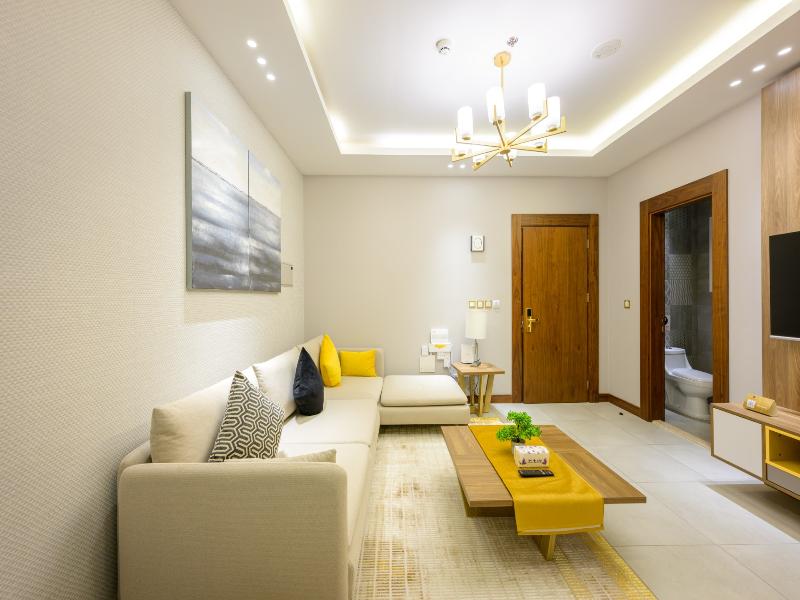
Abraj Inn suites hotel
Doha
Spa · Pool · Pets allowed
From £58 a night, taxes incl.2 adults · checked 14 Nov, 11:08

★★★★★
Waldorf Astoria Doha West Bay
Doha
Beach 1.4 km · Spa · Pool
From £146 a night, taxes incl.2 adults · checked 14 Nov, 11:08

★★★★
Adagio Doha
Doha
Pool · Parking
From £58 a night, taxes incl.2 adults · checked 14 Nov, 11:08

★★★★
Akasiya Hotel
Doha
63 rooms · Parking
From £131 a night, taxes incl.2 adults · checked 14 Nov, 11:08

★★★★★
Souq Waqif Boutique Hotels by TIVOLI
Doha
Spa · Pool · Parking
From £87 a night, taxes incl.2 adults · checked 14 Nov, 11:08

★★★★
Al Liwan Suites
Doha
Spa · Pool · Family-friendly
See prices and rooms →
★★★★★
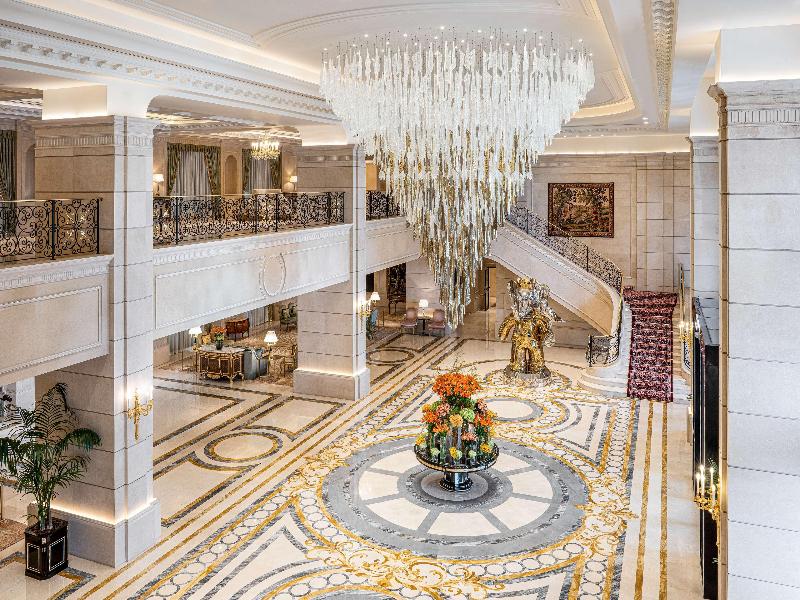
The Plaza Doha, LXR Hotels & Resorts
Doha
Parking
From £106 a night, taxes incl.2 adults · checked 14 Nov, 11:08
Getting around
The Doha Metro is modern, driverless and air-conditioned, and links the airport with Souq Waqif, the National Museum, West Bay, Katara and Lusail. Taxis and ride-hailing apps fill the gaps. Distances are too great, and for much of the year the weather too hot, to walk between districts.
When to go
The cooler months, from roughly November to March, are by far the best time to visit, with warm, sunny days and pleasant evenings. Summer is extremely hot and humid, and life moves indoors. During Ramadan, restaurants generally open after sunset and the nights are especially lively.
Questions about visiting Doha
- What is Doha best known for?
- Its futuristic skyline, the Museum of Islamic Art and the National Museum of Qatar, the traditional market of Souq Waqif, and for hosting the 2022 football World Cup.
- Is Doha worth visiting?
- Yes, for a few days or a stopover. The museums are outstanding, Souq Waqif is full of atmosphere in the evening, and a desert trip to the Inland Sea is an easy and memorable day out.
- How many days do you need in Doha?
- Two to three days covers the souq, the main museums, the Corniche, Katara and The Pearl. Add a day for the desert or the north of the country.
- What is there to do in Doha with kids?
- The 3-2-1 Olympic and Sports Museum, the park at the Museum of Islamic Art, a dhow cruise, the beach at Katara and a dune-driving trip to the Inland Sea all go down well with children.
- Do you need a car in Doha?
- No. The metro and taxis cover the city, and desert trips are best done with a tour. A hire car is only useful if you want to explore the north of Qatar independently.
More guides
- Where to stay in Doha
- The best things to do in London
- The best things to do in Edinburgh
- The best things to do in Manchester
- The best things to do in York
- The best things to do in Amsterdam
- The best things to do in Birmingham
- The best things to do in Liverpool
- The best things to do in Bristol
- The best things to do in Barcelona
- The best things to do in Budapest
- The best things to do in Cambridge
- The best things to do in Dublin
- The best things to do in Krakow