
Most people know Frankfurt as an airport, a trade fair or a row of bank towers seen from a taxi. Stay a night or two and a different city turns up. Behind the skyline, the only real one in Germany, there is a square of gabled, half-timbered houses, a cathedral where emperors were crowned, a riverbank lined with museums and a district of old taverns where the local drink is poured from grey stoneware jugs.
It is a city of contrasts worn lightly: bankers and students, glass and timber, high finance and sausages at a market counter. It is also compact, with most of what you'll want within a walk of the River Main. And when you have had enough of the city, the Rhine, Heidelberg and the hills of the Taunus are all an easy trip away.
Don't miss
The big sights
Old Frankfurt and new Frankfurt, a few minutes apart.
The Römerberg
Landmark

Photo: Thomas Wolf (Der Wolf im Wald), CC BY-SA 3.0 Frankfurt's old central square is the picture on every postcard: a row of tall half-timbered houses on one side, and on the other the Römer, the city hall since the 15th century, with its three stepped gables. Flattened in the Second World War, the square was carefully rebuilt. In December it hosts one of Germany's best-known Christmas markets.
Frankfurt Cathedral
Landmark

Photo: Leonhard Lenz, CC0 The red sandstone Kaiserdom is where the Holy Roman Emperors were elected and, for more than two centuries, crowned. Strictly speaking it was never a bishop's seat, but the title stuck. The Gothic tower is the landmark of the old town, and those who climb its several hundred steps get a fine view of medieval rooftops against the bank towers.
The New Old Town
Neighbourhood

Photo: Dr. Thomas Liptak, CC BY-SA 4.0 Between the cathedral and the Römerberg, a whole quarter of lanes and small squares was rebuilt and opened in 2018 on the footprint of the medieval town lost in the war. Some houses are faithful reconstructions, with painted timbers and carved details; others are modern buildings in the old proportions. It is a pleasant place for a wander, with craft shops, cafés and wine bars.
Main Tower
Landmark
Frankfurt's cluster of skyscrapers has earned it the nickname Mainhattan, and this is the tower you can go up. A lift whisks you to an open-air viewing platform some 200 metres above the street, with the river, the old town and the Taunus hills laid out around you. Go late in the day to watch the lights come on.
Tip: The platform is open to the sky and closes in bad weather, so pick a clear day.
Eiserner Steg
Landmark

Photo: Michielverbeek, CC BY 4.0 The Iron Footbridge has carried walkers across the Main since the 19th century, linking the old town with Sachsenhausen. Its railings are thick with lovers' padlocks, and the middle of the span gives the classic view of the skyline rising behind the cathedral. The grassy riverbanks on either side are where Frankfurt goes to stroll, jog and picnic.
Goethe House
Museum
Johann Wolfgang von Goethe, Germany's greatest writer, was born in 1749 in this comfortable merchant's house. Rebuilt after the war and furnished as it was in his day, it has four floors of panelled rooms, an astronomical clock and the study where he began Faust. A museum of the Romantic era stands next door.
Museums and gardens
Städel Museum
Museum

Photo: Städel Museum, CC BY-SA 4.0 One of the finest art museums in Germany, on the south bank of the Main. The collection covers seven hundred years of European painting, from Botticelli, Rembrandt and Vermeer to Monet, Picasso and Francis Bacon, with contemporary art in bright galleries beneath the garden. If you see only one museum in Frankfurt, make it this one.
The Museum Embankment
Museum
The Städel is the star of the Museumsufer, a string of museums along both banks of the river, many of them in handsome old villas. Film, architecture, applied art, communication, world cultures and sculpture each have their own, so you can pick according to mood and weather. On certain Saturdays a big flea market sets up along the riverbank.
Senckenberg Natural History Museum
Museum

Photo: Dr. Thomas Liptak, CC BY-SA 4.0 One of the largest natural history museums in Germany, and the place to take children on a rainy day. Its dinosaur halls are the big draw, with towering skeletons including a Tyrannosaurus rex and a Diplodocus, alongside fossils from the nearby Messel Pit, whales, mammoths and a great many stuffed birds.
Palmengarten
Nature

Photo: Sdkb, CC BY-SA 4.0 Frankfurt's botanical garden opened in the 19th century and is still a favourite for a quiet afternoon. Vast glasshouses recreate rainforest, desert and mangrove swamp; outside are rose gardens, rockeries, a boating lake and playgrounds. On a grey winter's day, the warm, damp air of the palm house is a holiday in itself.
Neighbourhoods and markets
Sachsenhausen
Neighbourhood

Photo: Gerda Arendt, CC0 Cross the river to find the Frankfurt that tourists like best. The old part of Sachsenhausen is a knot of cobbled lanes and half-timbered houses, home to the traditional apple wine taverns, where strangers share long wooden tables and benches. Look for a wreath of fir branches hung over the door: it means the house serves its own.
Kleinmarkthalle
Market

Photo: DXR, CC BY-SA 4.0 The city's indoor market is a plain post-war hall with a glorious interior life: well over a hundred stalls of fruit, cheese, bread, flowers, spices and sausages. Locals queue at the butchers' counters for a hot sausage in a roll, then head up to the gallery for a glass of wine above the bustle. It is the best casual lunch in town.
Eat and drink
Apfelwein
Food
Frankfurt's drink is not beer but apple wine, known locally as Ebbelwoi: a flat, tart, refreshing cider. It is poured from a blue-patterned grey stoneware jug called a Bembel into a ribbed glass with a diamond pattern. Newcomers often order it mixed with sparkling water. It grows on you quickly, especially on a warm evening.
Grüne Soße
Food

Photo: Benreis, CC BY 3.0 Green sauce is the city's signature dish and, by tradition, Goethe's favourite. Seven fresh herbs are chopped fine and stirred into a cool, creamy sauce, then served with boiled eggs and potatoes or with boiled beef. Alongside it on tavern menus you'll find Frankfurter sausages, pork cutlets, and a sour-milk cheese in onion dressing known as Handkäs mit Musik.
Day trips
Heidelberg
Day trip

Photo: Holger Uwe Schmitt, CC BY-SA 4.0 An easy train ride to the south lies the most romantic of German towns. A ruined red sandstone castle looms over a baroque old town and an arched stone bridge across the River Neckar, and Germany's oldest university keeps the streets young. Walk the Philosophers' Way on the opposite bank for the famous view.
The Rhine Valley
Day trip

Photo: King (Felix Koenig), CC BY-SA 3.0 West of Frankfurt, the Rhine cuts a deep gorge through steep vineyards, with a castle on almost every crag. The stretch downstream from Rüdesheim is a UNESCO World Heritage site and passes the Lorelei rock of legend. The classic day out is a train to the wine town of Rüdesheim and a river cruise from there.
Mainz
Day trip
A short S-Bahn ride away, on the Rhine, Mainz is a cheerful wine town with a thousand-year-old red sandstone cathedral and a lively market in its shadow. Johannes Gutenberg invented printing with movable type here, and the museum named after him displays copies of his famous Bible. Finish in a wine tavern in the old town.
Where to stay in Frankfurt
Not sure which area suits you? Read our guide: Where to stay in Frankfurt →

★★★★
nhow Frankfurt
Frankfurt am Main
Pets allowed · Parking
From £143 a night, taxes incl.2 adults · checked 14 Nov, 16:53

★★★★
Sheraton Offenbach Hotel
Offenbach am Main
Parking
From £79 a night, taxes incl.2 adults · checked 14 Nov, 16:53

★★★★★
Steigenberger Icon Frankfurter Hof
Frankfurt
Spa · Parking
From £254 a night, taxes incl.2 adults · checked 14 Nov, 16:53

★★★★
25hours Hotel The Goldman
Frankfurt am Main
Parking
From £50 a night, taxes incl.2 adults · checked 14 Nov, 16:53

★★★★
ACHAT Hotel Frankfurt Maintal
Frankfurt am Main
Pets allowed · Parking
From £84 a night, taxes incl.2 adults · checked 14 Nov, 16:53

★★★★★
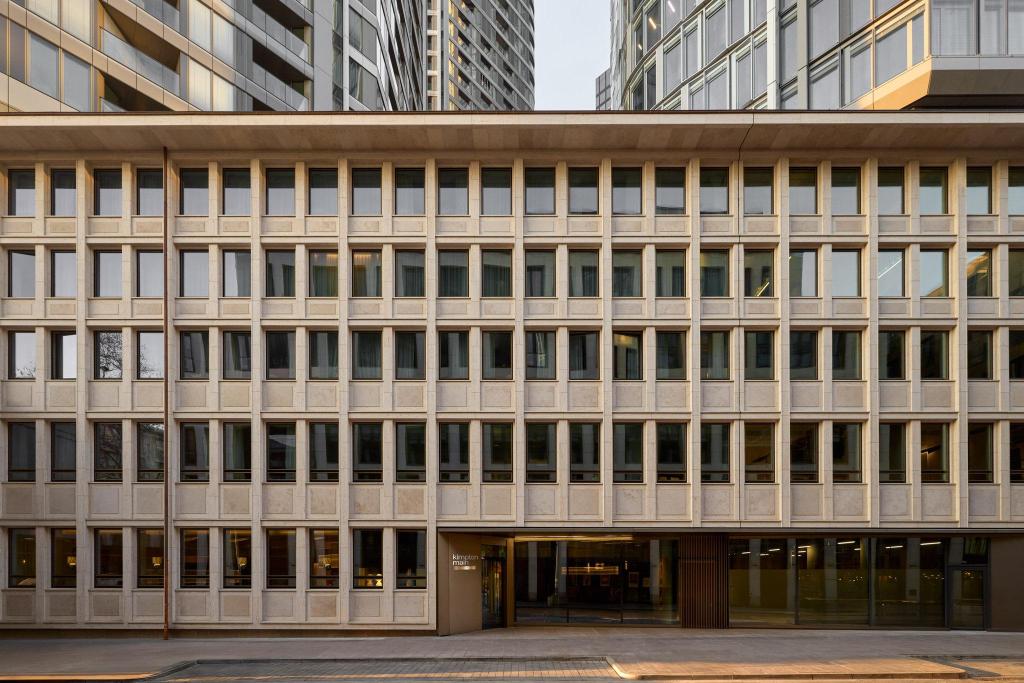
Kimpton Main Frankfurt
Frankfurt
Pets allowed · Parking
From £200 a night, taxes incl.2 adults · checked 14 Nov, 16:53

★★★★
Amadeus Frankfurt
Frankfurt am Main
From £76 a night, taxes incl.2 adults · checked 14 Nov, 16:53
★★★★★
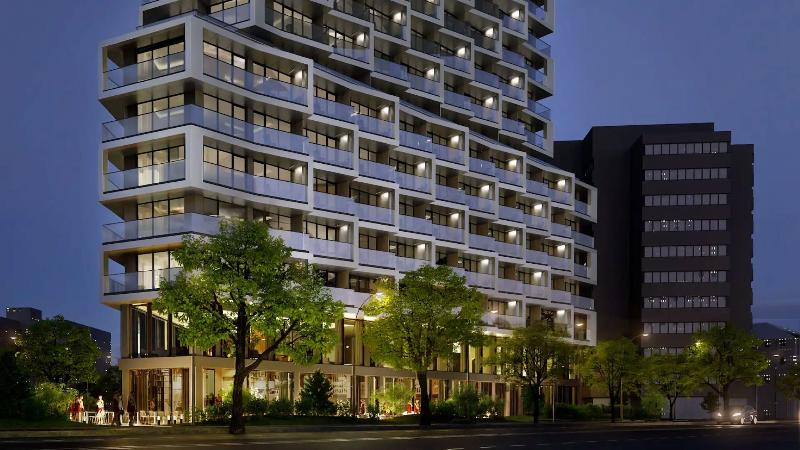
Kennedy 89 Hotel Frankfurt, part of Hyatt
Frankfurt am Main
Parking
From £326 a night, taxes incl.2 adults · checked 14 Nov, 16:53
Getting around
The old town, the river and Sachsenhausen are all walkable. The U-Bahn, S-Bahn and trams cover everything else, and the S-Bahn links the airport with the main station in a few stops. Frankfurt is a major rail hub, so day trips by train could not be easier.
When to go
Late spring to early autumn is best for the riverbanks and the tavern gardens. The Christmas market fills the Römerberg in December. Hotel rates jump during the big trade fairs, so check the fair calendar before fixing your dates.
Questions about visiting Frankfurt
- What is Frankfurt best known for?
- Its skyline of bank towers, its role as Germany's financial centre, one of Europe's busiest airports and its trade fairs. For visitors, the highlights are the Römerberg, the cathedral, the riverside museums and apple wine.
- Is Frankfurt worth visiting?
- Yes. It is more interesting than its business reputation suggests, with a rebuilt old town, excellent museums, a lively food and drink culture and very easy day trips to Heidelberg and the Rhine.
- How many days do you need in Frankfurt?
- One to two days covers the city's main sights. Stay three or four if you want to add Heidelberg, the Rhine Valley or Mainz.
- What is there to do in Frankfurt with kids?
- The dinosaurs at the Senckenberg Museum, the glasshouses and playgrounds of the Palmengarten, the view from Main Tower and the riverbank paths are all good for families.
- Do you need a car in Frankfurt?
- No. Public transport is excellent in the city, and Heidelberg, Mainz and the Rhine are all straightforward by train.
More guides
- Where to stay in Frankfurt
- The best things to do in London
- The best things to do in Edinburgh
- The best things to do in Manchester
- The best things to do in York
- The best things to do in Amsterdam
- The best things to do in Birmingham
- The best things to do in Liverpool
- The best things to do in Bristol
- The best things to do in Barcelona
- The best things to do in Budapest
- The best things to do in Cambridge
- The best things to do in Dublin
- The best things to do in Krakow