
Fukuoka is the Japanese city that people move to and never leave. The biggest city on the southern island of Kyushu is compact, sunny and unhurried, with a beach, a castle park and an airport that is a five-minute subway ride from the main station. It has few blockbuster sights. What it has is a way of life, and most of that way of life involves eating.
This is the home of tonkotsu ramen and of the yatai, open-air food stalls that set up along the river each evening. Spend the days between shrines, parks and shopping streets, and the nights perched on a stool with strangers. Then use the trains: Dazaifu, Yanagawa and Kitakyushu are all easy day trips.
Don't miss
Eat and drink
Start here. Everyone else does.
Yatai food stalls
Food

Photo: Yoshikazu TAKADA from Tokyo, Japan, CC BY 2.0 As dusk falls, small wooden stalls roll out along the Naka River on Nakasu island and around the streets of Tenjin. Each seats eight or ten people elbow to elbow around a counter, while the owner grills skewers, simmers oden and ladles out ramen a foot or two away. Fukuoka has more of these stalls than anywhere else in Japan.
The food is good; the atmosphere is better. You will end up talking to the people next to you whether you share a language or not.
Tip: Stalls are small and popular, so eat and move on to let the next people sit. Many close in bad weather.
Hakata ramen
Food
Fukuoka's gift to the world: thin, straight noodles in a rich, creamy broth made by boiling pork bones for hours. Bowls come small, and the custom is to order kaedama, a second helping of noodles dropped into your remaining soup. You can choose how firm you want them; locals like them barely cooked.
Tip: Top your bowl from the jars on the counter: red ginger, sesame and spicy mustard greens.
Motsunabe and mentaiko
Food

Photo: nesnad, CC BY 3.0 The city's other two obsessions. Motsunabe is a hotpot of beef or pork offal simmered with cabbage, garlic chives and chilli, far lighter and more delicious than it sounds, finished with noodles in the leftover broth. Mentaiko is spicy salted pollock roe, eaten on rice, in omelettes and in pasta, and sold in every souvenir shop in Hakata Station.
Yanagibashi Market
Market

Photo: LWY from Yanagibashi Rengo Ichiba in Haruyoshi, Chuo, Fukuoka, Fukuoka, CC BY 2.0 A short covered arcade between Hakata and Tenjin known as Fukuoka's kitchen, where the city's chefs buy their fish. Stalls sell seafood straight from the Genkai Sea, fishcakes, pickles and mentaiko, and a few small counters serve fresh seafood rice bowls for an early lunch.
Tip: Go in the morning; much of it winds down in the afternoon.
Shrines, temples and old Hakata
Kushida Shrine
Landmark
The guardian shrine of old Hakata and the spiritual home of the Hakata Gion Yamakasa, the July festival in which teams of men in loincloths race towering floats through the streets at dawn. One of the enormous decorated floats is kept on display in the grounds all year round. The shrine is a few minutes' walk from Canal City.
Tochoji Temple
Landmark
A temple in the Gion district said to have been founded by the monk Kukai in the ninth century. It is known for its red five-storey pagoda and for the Fukuoka Daibutsu, a great seated Buddha carved in wood that fills an upstairs hall. Neighbouring Shofukuji, founded in the 12th century, is regarded as Japan's first Zen temple.
Canal City Hakata
Activity

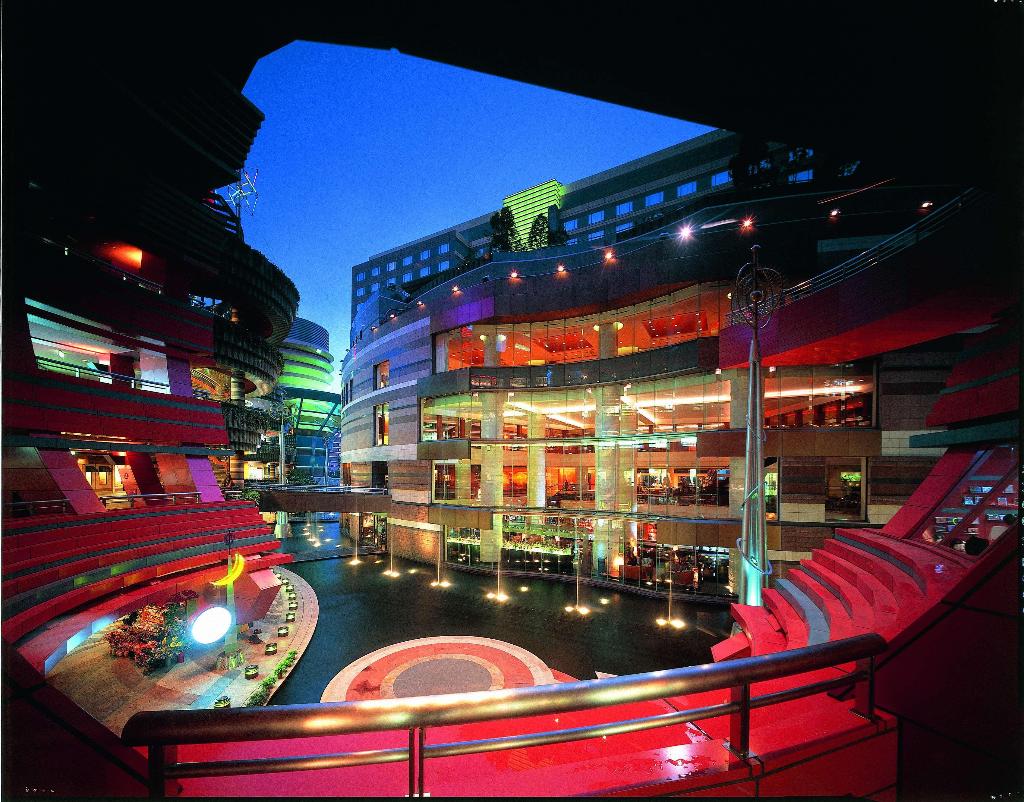
Photo: そらみみ, CC BY-SA 4.0 A curvy, candy-coloured shopping and entertainment complex built around an artificial canal, where fountains dance to music through the day. There are shops, cinemas and a floor called Ramen Stadium that gathers noodle shops from around Japan. It is the easiest place in town to fill a rainy afternoon.
Parks and the seafront
Ohori Park
Nature

Photo: Hirho, CC BY 4.0 The city's favourite park is mostly water: a large lake, once part of the castle moat, crossed by a string of islands linked with stone bridges. Locals jog and cycle the path around it, families take out swan boats, and a traditional Japanese garden sits in one corner. It is Fukuoka at its most relaxed.
Fukuoka Castle ruins and Maizuru Park
Landmark

Photo: Hirho, CC BY-SA 4.0 Next to Ohori Park, the stone walls and a few gates and turrets are all that remain of what was once the largest castle on Kyushu. Climb to the top of the old keep foundations for a view over the city. In late March and early April the park's cherry trees turn it into one of the best blossom spots in the region.
Fukuoka Tower and Momochi Seaside Park
Landmark
A slender tower clad in mirrored glass rises over the modern bayside district of Momochi, with an observation deck looking across Hakata Bay and the city. At its foot is a man-made beach with a little pier of restaurants, popular for volleyball and sunset walks. The Fukuoka City Museum is close by.
Tip: Come late in the day for the sunset over the bay.
Nokonoshima Island
Nature

Photo: そらみみ, CC BY-SA 4.0 A ten-minute ferry ride across Hakata Bay brings you to a small, green island with a flower park on its northern slopes. Fields of rapeseed, poppies, sunflowers or cosmos, depending on the season, roll down towards the sea, with the city skyline in the distance. It feels much further from town than it is.
Neighbourhoods and nights out
Tenjin
Neighbourhood
Fukuoka's downtown, where the department stores cluster above ground and a long, handsome shopping arcade runs below it. The lanes of neighbouring Daimyo are the fashionable bit: independent boutiques, coffee shops, standing bars and small restaurants packed in tight. It is the best area in the city for an aimless afternoon and a long evening.
Nakasu
Nightlife

Photo: MTY48, CC BY-SA 4.0 A narrow island between two rivers, crammed with bars, clubs and restaurants and reckoned to be the largest entertainment district in western Japan. Its neon signs, reflected in the water, are one of the city's signature views. Most visitors come for the row of yatai along the southern riverbank and a stroll across the bridges.
Day trips
Dazaifu Tenmangu
Day trip

Photo: Jakub Hałun, CC BY-SA 4.0 Half an hour or so by train from Tenjin, Dazaifu is home to one of Japan's most important shrines, dedicated to Sugawara no Michizane, the deified scholar whom students petition before exams. You approach along a street of souvenir shops selling grilled rice cakes, cross arched bridges over a pond and arrive among thousands of plum trees. The Kyushu National Museum is next door.
Tip: Try the umegae mochi, a warm bean-filled rice cake sold all along the approach.
Yanagawa
Day trip
A former castle town south of Fukuoka, laced with old moats and canals. The thing to do is take a punt: a boatman poles you slowly under low bridges and overhanging willows, often singing as he goes. Follow it with the local speciality, steamed eel on rice.
Kokura and Mojiko
Day trip

Photo: 663highland, CC BY 2.5 Kitakyushu, at the northern tip of Kyushu, is a quarter of an hour from Hakata by bullet train. Kokura has a reconstructed castle with a fine garden beside it. A short hop further on, the old port of Mojiko keeps a handsome set of brick and timber buildings from its trading heyday around a waterfront, facing Honshu across the Kanmon Strait.
Where to stay in Fukuoka
Not sure which area suits you? Read our guide: Where to stay in Fukuoka →

★★★★
Hotel Nikko Fukuoka
Fukuoka
Parking
From £286 a night, taxes incl.2 adults · checked 14 Nov, 17:07

★★★★
Hotel Il Palazzo
Fukuoka
77 rooms · Parking
From £223 a night, taxes incl.2 adults · checked 14 Nov, 17:07

★★★★★
Grand Hyatt Fukuoka
Fukuoka
Spa · Pool · Parking
From £377 a night, taxes incl.2 adults · checked 14 Nov, 17:07

★★★★
Best Western Plus Fukuoka Tenjin-minami
Fukuoka
Pets allowed · Parking
From £94 a night, taxes incl.2 adults · checked 14 Nov, 17:07

★★★★
Hilton Fukuoka Sea Hawk
Fukuoka
Spa · Pool · Parking
From £121 a night, taxes incl.2 adults · checked 14 Nov, 17:07

★★★★★
Hotel Okura Fukuoka
Fukuoka
Spa · Pool · Parking
From £136 a night, taxes incl.2 adults · checked 14 Nov, 17:07

★★★★
Rihga Royal Hotel Kokura
Kitakyushu
Spa · Pool · Parking
From £121 a night, taxes incl.2 adults · checked 14 Nov, 17:07
★★★★★
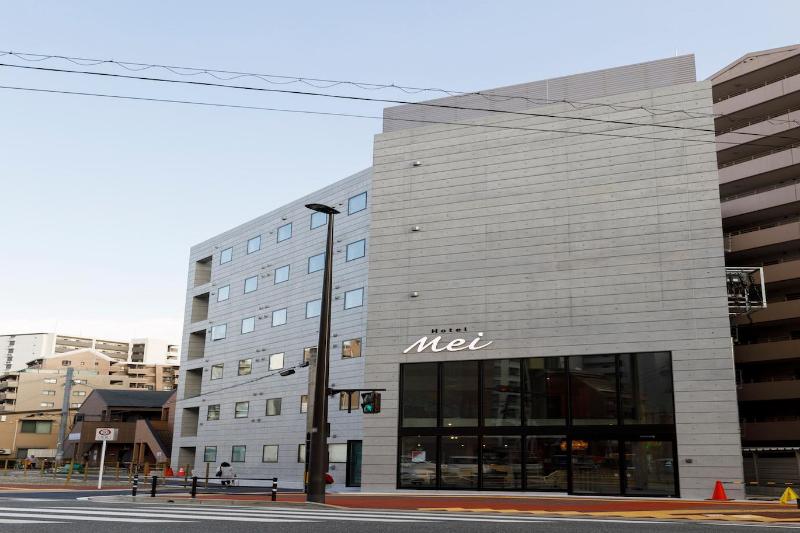
Hotel Mei
Fukuoka
From £84 a night, taxes incl.2 adults · checked 14 Nov, 17:07
Getting around
Fukuoka is one of the easiest cities in Japan to get around. The subway links the airport, Hakata Station, Nakasu, Tenjin and Ohori Park on a single line, and the centre is flat and walkable. Buses reach Momochi and the ferry terminal. Trains to Dazaifu and Yanagawa leave from Tenjin; the bullet train to Kokura leaves from Hakata.
When to go
Spring and autumn are the most pleasant, with cherry blossom in late March and early April. Early summer brings a rainy season, followed by hot, humid weather. Winters are cool but rarely severe. The Hakata Gion Yamakasa festival in early July is a spectacular time to be in town.
Questions about visiting Fukuoka
- What is Fukuoka best known for?
- Food. It is the home of Hakata tonkotsu ramen, mentaiko and motsunabe, and has more open-air yatai food stalls than any other city in Japan.
- How many days do you need in Fukuoka?
- Two days is enough for the city itself: shrines, Ohori Park, shopping and two good evenings of eating. Add a third for a day trip to Dazaifu or Yanagawa.
- Is Fukuoka worth visiting?
- Yes, particularly if you travel to eat. It is friendly, compact and far less crowded than Tokyo or Kyoto, and it is the natural starting point for a trip around Kyushu.
- What is there to do in Fukuoka with kids?
- Take a swan boat on the lake at Ohori Park, play on the beach at Momochi, watch the fountain show at Canal City and catch the ferry to the flower fields of Nokonoshima.
- Do you need a car in Fukuoka?
- No. The subway, buses and trains cover the city and the main day trips, and the airport is minutes from the centre by subway.
More guides
- Where to stay in Fukuoka
- The best things to do in London
- The best things to do in Edinburgh
- The best things to do in Manchester
- The best things to do in York
- The best things to do in Amsterdam
- The best things to do in Birmingham
- The best things to do in Liverpool
- The best things to do in Bristol
- The best things to do in Barcelona
- The best things to do in Budapest
- The best things to do in Cambridge
- The best things to do in Dublin
- The best things to do in Krakow