
Gdansk does not look like the rest of Poland. Its tall, gabled merchants' houses, painted and gilded and topped with statues, belong to the world of Baltic trade: for centuries this was one of the richest ports in northern Europe, and it built accordingly. Almost all of it was flattened in 1945 and put back, brick by brick, by people who refused to let it go.
History here is not something behind glass. The Second World War began on the edge of this city, and the movement that helped bring down communism in Europe began in its shipyard. Between the two, there is amber to buy, pierogi to eat, and a sandy beach at the end of the tram line.
Don't miss
The Main Town
The rebuilt heart of the old port, all within a few minutes on foot.
The Long Market and Neptune Fountain
Landmark

Photo: Jake73, CC BY-SA 3.0 The grand processional route of old Gdansk runs from the Golden Gate down Long Street into the Long Market, a wide, cobbled square lined with the tall, narrow houses of the merchants who made the city rich. Every facade is a different colour and each tries to outdo its neighbour.
At the centre stands a bronze Neptune with his trident, the city's emblem since the seventeenth century, in front of the white Artus Court where the merchants met. The spire of the Main Town Hall rises above it all.
Tip: Come back after dark, when the day trippers have gone and the facades are lit.
St Mary's Church
Landmark

Photo: Aneta p, CC BY 4.0 One of the largest brick churches in the world, a great red cliff of a building that looms over the rooftops of the Main Town. Inside it is whitewashed, bright and vast, with room for thousands, a towering astronomical clock from the fifteenth century and star vaulting high overhead.
The reward for climbing the several hundred steps of the tower is the best view in the city: a sea of red roofs, the river, the shipyard cranes and, on a clear day, the Baltic.
Mariacka Street
Neighbourhood

Photo: Silar, CC BY-SA 4.0 The prettiest street in Gdansk runs from the back of St Mary's down to the river. Each house has a raised stone terrace in front, reached by its own steps and drained by carved gargoyle spouts, and almost every one is now an amber workshop or jewellery stall.
Baltic amber has been traded here for centuries, and this is the place to buy it. Even if you are only looking, it is a street to wander slowly, ideally with a coffee at one of the terrace tables.
The Crane
Landmark

Photo: Ermell, CC BY-SA 4.0 The hulking, dark timber structure jutting over the Motława waterfront is a medieval port crane, the largest of its kind in Europe in its day. Men walking inside huge wooden treadwheels powered it, hoisting cargo and raising ships' masts. It doubled as a city gate.
It is now part of the National Maritime Museum. The Long Embankment that runs past it, lined with restaurants and moored boats, is the city's favourite place for a stroll.
Museums and history
Two of the best modern museums in Europe, and the place where the war began.
The Museum of the Second World War
Museum

Photo: Adrian Grycuk, CC BY 3.0 pl A dramatic leaning tower of red concrete and glass marks one of the most ambitious history museums in Europe. The main exhibition is underground and enormous, telling the story of the war through the experience of ordinary people as much as armies: a recreated pre-war street, family photographs, a tank, a child's toy.
It is powerful, sobering and brilliantly done. Allow at least three hours, and do not plan anything too jolly straight afterwards.
The European Solidarity Centre
Museum

Photo: Photograph by Mike Peel (www.mikepeel.net)., CC BY-SA 4.0 In August 1980, a strike at the Lenin Shipyard in Gdansk, led by an electrician called Lech Wałęsa, gave birth to Solidarity, the trade union that went on to help end communist rule in Poland and beyond. This rust-coloured building, shaped like the hull of a ship, stands on the spot and tells the story.
Outside are the famous shipyard gate and the tall steel crosses of the Monument to the Fallen Shipyard Workers. Inside, the exhibition is gripping even if you know nothing about the period.
Westerplatte
Landmark

Photo: Fallaner, CC BY-SA 4.0 On 1 September 1939, a German battleship opened fire on a small Polish military depot on this wooded peninsula at the mouth of the harbour. They were the opening shots of the Second World War. The garrison, hugely outnumbered, held out for a week.
Today there are ruined barracks, information boards and a tall stone monument on a mound. It is a quiet, reflective place, reached by bus or, in season, by boat from the waterfront in the Main Town.
The Amber Museum
Museum
Gdansk calls itself the world capital of amber, and this museum, housed in a huge medieval mill, makes the case. It explains how fossilised tree resin washes up on the Baltic shore, then shows what craftsmen have done with it over the centuries.
Look for the pieces with insects trapped inside millions of years ago, and for the more eccentric modern creations. It is a good hour for a rainy afternoon, and useful homework before you go shopping on Mariacka Street.
Oliwa, Sopot and the beaches
Oliwa Cathedral and Park
Landmark

Photo: Gerda Arendt, CC0 In the leafy northern suburb of Oliwa, a long, narrow cathedral with twin pointed towers hides one of the great organs of Europe: an eighteenth-century instrument with thousands of pipes and carved angels that move, blowing trumpets and ringing bells, as it plays. Short recitals are given regularly.
Around it is a lovely old park of clipped avenues, ponds and a palm house, ideal for an hour's wander before or after.
Sopot
Day trip

Photo: Diego Delso, CC BY-SA 3.0 A few stops up the coast by local train, Sopot is Poland's smartest seaside resort: a long sandy beach, a grand old spa hotel on the sand and a wooden pier that strides more than half a kilometre out into the bay, the longest of its kind in Europe.
The pedestrian main street, lined with bars and restaurants and home to the wobbly, cartoonish Crooked House, runs straight down to the sea. Come for a day on the beach, or for the nightlife, which is the liveliest on this coast.
Brzeźno and Jelitkowo beaches
Beach

Photo: Diego Delso, CC BY-SA 3.0 Gdansk has its own seaside, a short tram ride from the centre. Brzeźno and Jelitkowo are wide strips of pale, fine sand backed by dunes and pine woods, joined by a seafront path that carries on to Sopot. Brzeźno has a pier of its own and a string of fish restaurants.
The Baltic is bracing rather than warm, but on a hot July day the beaches are full, and out of season they are wonderful for a windy walk.
Eat and drink
Pierogi
Food

Photo: MOs810, CC BY-SA 4.0 Poland's favourite dumplings are half-moons of soft dough, boiled or fried, with fillings that run from potato and curd cheese to minced meat, sauerkraut and wild mushrooms, or sweet ones stuffed with bilberries. Every restaurant in the Main Town serves them, and several serve little else.
Being a port, Gdansk is also good for fish: look for Baltic herring, served in oil or in cream, and smoked fish along the coast.
Goldwasser
Food
The city's own tipple, first made here in the sixteenth century: a strong, sweet herbal liqueur with flakes of real gold leaf drifting about in the glass. Shake the bottle and it looks like a snow globe for grown-ups.
It is more curiosity than connoisseur's drink, but it is very Gdansk, and a small bottle makes an easy present to take home.
Day trips
Malbork Castle
Day trip

Photo: Scotch Mist, CC BY-SA 4.0 An easy train ride south-east of Gdansk stands the largest castle in the world by land area: a colossal red-brick fortress on the bank of the River Nogat, built by the Teutonic Knights in the Middle Ages as the headquarters of their monastic state. It is a UNESCO World Heritage Site.
Three castles in one, with moats, drawbridges, cloisters, a grand refectory and walls that seem to go on for ever. Children love it, and anyone with a taste for medieval history will need most of a day.
Tip: The best photograph is from the footbridge over the river, looking back at the whole castle.
The Hel Peninsula
Day trip
A thin ribbon of sand and pine forest curling out into the Baltic, with open sea on one side and the sheltered bay on the other. In places it is only a few hundred metres wide. Beaches run its entire length, and the shallow bay side is popular with windsurfers and kitesurfers.
The fishing port of Hel sits at the very tip. In summer you can reach it by boat across the bay from Gdansk, Sopot or Gdynia, which is half the fun.
Where to stay in Gdansk
Not sure which area suits you? Read our guide: Where to stay in Gdansk →

★★★★
Puro Gdansk Stare Miasto
Gdansk
Parking
From £158 a night, taxes incl.2 adults · checked 14 Nov, 02:22

★★★★
Mercure Gdansk Stare Miasto
Gdansk
Spa · Pets allowed · Parking
From £51 a night, taxes incl.2 adults · checked 14 Nov, 14:52
★★★★★
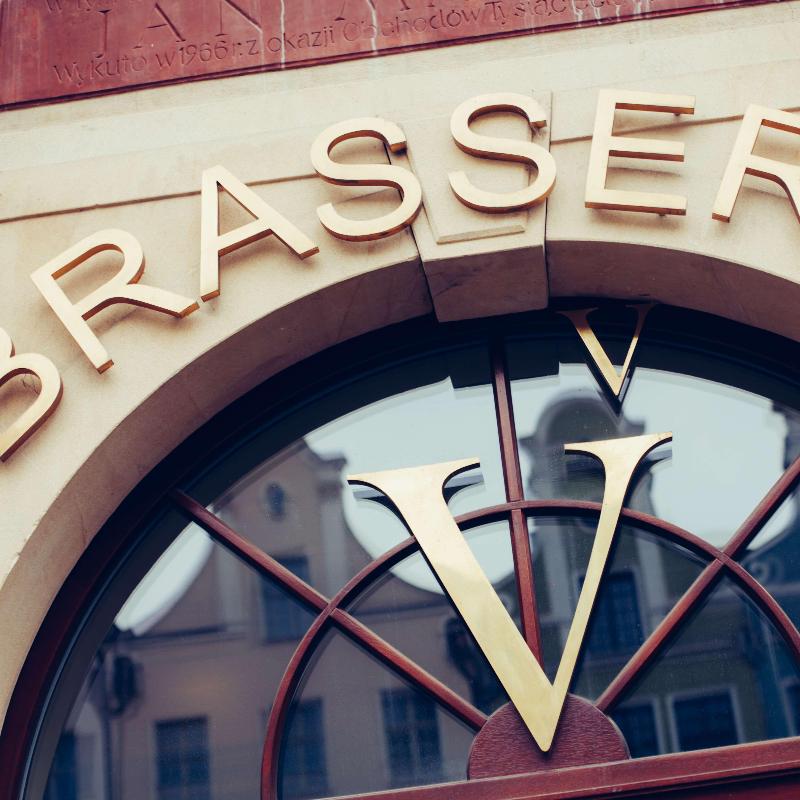
Radisson Blu Hotel Gdansk
Gdansk
Beach 10 m · Parking
From £107 a night, taxes incl.2 adults · checked 14 Nov, 14:52

★★★★
Almond Business&SPA - GRANO HOTEL Gdańsk Riverside
Gdansk
Spa · Pool · Pets allowed
From £53 a night, taxes incl.2 adults · checked 14 Nov, 14:52

★★★★
Bayjonn Boutique Hotel
Sopot
Beach 150 m · 29 rooms · Parking
From £87 a night, taxes incl.2 adults · checked 14 Nov, 14:52
★★★★★
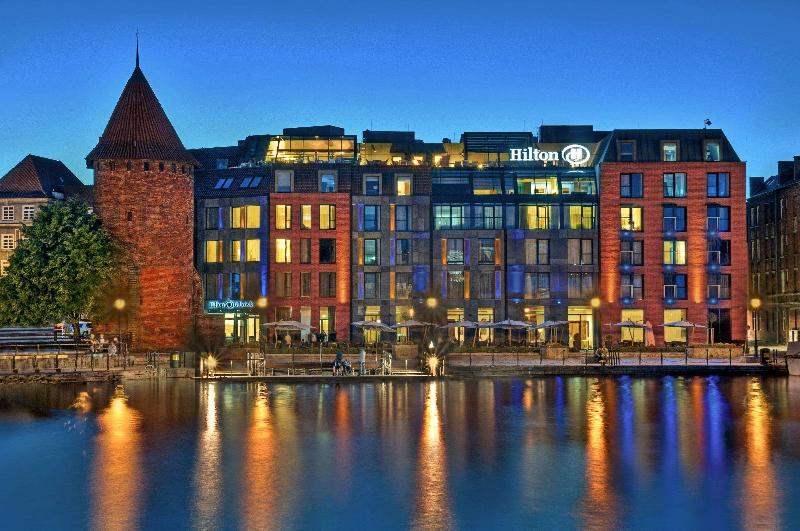
Hilton Gdansk
Gdansk
All-inclusive option · Spa · Pool
From £109 a night, taxes incl.2 adults · checked 14 Nov, 14:52

★★★★
Courtyard Gdynia Waterfront
Gdynia
Beach 600 m · Parking
From £74 a night, taxes incl.2 adults · checked 14 Nov, 14:52

★★★★★
Sofitel Grand Sopot
Sopot
Beach 200 m · Spa · Pool
From £92 a night, taxes incl.2 adults · checked 14 Nov, 14:52
Getting around
The Main Town is traffic-free in parts and easily walked. Trams run to Oliwa and the beaches, and the SKM local trains link Gdansk with Sopot and Gdynia every few minutes, so the three cities work as one. Malbork is a simple trip by main-line train. You do not need a car.
When to go
Summer is beach season and the busiest time, especially during St Dominic's Fair, a huge street market that takes over the centre for several weeks from late July. Spring and early autumn are quieter and pleasant for sightseeing. Winters are cold, with a Christmas market to compensate.
Questions about visiting Gdansk
- What is Gdansk best known for?
- Its colourful, rebuilt Main Town, the huge brick St Mary's Church, the medieval Crane on the waterfront, Baltic amber, and its place in history as the city where the Second World War began and the Solidarity movement was born.
- Is Gdansk worth visiting?
- Yes. It is one of the most beautiful cities in Poland, with two outstanding modern museums, good food, sandy beaches on the tram network and Sopot and Malbork Castle close by.
- How many days do you need in Gdansk?
- Three days works well: one for the Main Town, one for the Second World War museum and the Solidarity Centre, and one for Sopot and the beaches or a trip to Malbork Castle.
- What is there to do in Gdansk with kids?
- Climb the tower of St Mary's, watch the moving angels on the organ at Oliwa, spend a day on the beach at Brzeźno or Sopot, and explore the drawbridges and courtyards of Malbork Castle.
- Do you need a car in Gdansk?
- No. The centre is walkable, trams reach the beaches and Oliwa, and frequent local trains run to Sopot and Gdynia. Malbork is on the main railway line.
More guides
- Where to stay in Gdansk
- The best things to do in London
- The best things to do in Edinburgh
- The best things to do in Manchester
- The best things to do in York
- The best things to do in Amsterdam
- The best things to do in Birmingham
- The best things to do in Liverpool
- The best things to do in Bristol
- The best things to do in Barcelona
- The best things to do in Budapest
- The best things to do in Cambridge
- The best things to do in Dublin
- The best things to do in Krakow