

Everyone knows one thing about Hiroshima. On 6 August 1945 it became the first city to be destroyed by an atomic bomb, and the park and museum that remember that morning are among the most moving places you will ever visit. Nobody should come to Japan and miss them.
What surprises people is the city around them. Hiroshima today is green, open and easy-going, crossed by six rivers and rattling old trams, with a baseball team it adores and a savoury pancake it will happily argue about. Half an hour away, the island of Miyajima has one of the most beautiful shrines in the country. Give it two days at least; most visitors wish they had allowed more.
Don't miss
The Peace Park
The heart of the city, and the reason most people come.
Peace Memorial Park and the A-Bomb Dome
Landmark

Photo: Oilstreet, CC BY 2.5 The skeletal dome of the former Industrial Promotion Hall stood almost directly beneath the blast and has been kept exactly as it was left, a UNESCO World Heritage Site and the city's most powerful symbol. Across the river, on what was once a busy downtown district, the Peace Memorial Park spreads out in lawns and trees.
Walk slowly. The arched cenotaph frames the eternal flame and the dome beyond it, and the Children's Peace Monument is hung with thousands of bright paper cranes sent by schoolchildren from around the world.
Tip: Come back in the evening, when the dome is floodlit and the park is quiet.
Hiroshima Peace Memorial Museum
Museum

Photo: Taisyo, CC BY-SA 3.0 The museum at the southern end of the park tells the story of the bombing through the belongings of the people it killed: a scorched lunchbox, a child's tricycle, a watch stopped at a quarter past eight. It is unflinching and deeply affecting, and it ends with a clear-eyed appeal for a world without nuclear weapons.
Tip: It gets very busy. Go first thing or late in the day, and give yourself time afterwards.
Orizuru Tower
Landmark
Next door to the A-Bomb Dome, this tower has an open-air wooden observation deck on its roof with a view straight down over the dome and the Peace Park, and on clear days out to Miyajima. Visitors can fold a paper crane and drop it into a glass wall that runs down the side of the building.
Around the city
Hiroshima Castle
Landmark

Photo: DXR, CC BY-SA 4.0 Known as Carp Castle, the original fortress was flattened in 1945. The five-storey keep was rebuilt in the 1950s and stands within a broad moat and stone walls, at its prettiest in cherry blossom season. Within the grounds, look for the trees that survived the bombing and still grow there.
Shukkeien Garden
Nature

Photo: Jakub Hałun, CC BY-SA 4.0 A stroll garden laid out for the local lord in the 17th century, whose name means 'shrunken scenery garden'. Valleys, mountains and forests are recreated in miniature around a central pond, with paths winding over little bridges and past teahouses. It is a calm half hour, ten minutes' walk from the castle.
Hondori and downtown
Neighbourhood
A covered shopping arcade runs east from the Peace Park through the middle of town, lined with shops, cafés and restaurants. The surrounding streets of Hatchobori and Nagarekawa are where the city eats and drinks after dark. Getting there is half the fun: Hiroshima's trams include vintage cars gathered from all over Japan.
Mazda Zoom-Zoom Stadium
Activity
Hiroshima is mad about its baseball team, the Toyo Carp, and a game at their open-air stadium near the main station is a wonderful night out even if you do not know the rules. Fans in red sing a different song for every batter and let off balloons in the seventh innings. The season runs from spring to autumn.
Tip: Tickets are in demand, so look into them well ahead of your trip.
Miyajima
A short train and ferry ride from the city, and worth a full day.
Itsukushima Shrine
Landmark

Photo: Bernard Gagnon, CC BY-SA 3.0 One of the classic views of Japan: a great vermilion torii gate standing in the sea in front of a shrine built on stilts over the water. At high tide both seem to float. At low tide you can walk across the sand to the foot of the gate. The shrine is a UNESCO World Heritage Site, and the island's wild deer wander the lanes around it.
Tip: Check the tide times before you go so you see the gate both ways, and stay into the evening when the day trippers leave.
Mount Misen
Nature

Photo: dconvertini, CC BY-SA 2.0 The forested peak at the centre of Miyajima has been sacred for more than a thousand years. A ropeway carries you most of the way up, leaving a half-hour walk to the summit, or you can hike the whole thing on trails through primeval forest. From the top the Seto Inland Sea spreads out below, scattered with islands.
Daisho-in Temple
Landmark

Photo: Daderot, CC0 At the foot of Mount Misen, a short walk from the shrine, this Buddhist temple is many visitors' favourite thing on the island. Its stairways are lined with spinning prayer wheels and hundreds of small stone statues in knitted caps, and its halls hold everything from a cave of lanterns to a sand mandala.
Eat and drink
Hiroshima-style okonomiyaki
Food

Photo: EllieBellie25, CC BY-SA 4.0 The city's soul food. Where Osaka mixes everything into a batter, Hiroshima builds its savoury pancake in layers on the hotplate: a thin crêpe, a mountain of cabbage, bean sprouts, pork, noodles and a fried egg, finished with a sweet, dark sauce. Sit at the counter and watch it being made. Okonomimura, a building with several floors of tiny stalls, is the famous place to try it.
Oysters and momiji manju
Food

Photo: Ocdp, CC0 Hiroshima Bay produces more oysters than anywhere else in Japan, and you will find them grilled in the shell, deep-fried or cooked with rice, particularly on Miyajima's main shopping street. The island's other speciality is momiji manju, a small maple-leaf-shaped cake with a sweet bean filling, best eaten warm from the griddle.
Day trips
Onomichi
Day trip
A hillside port town on the Inland Sea, east of Hiroshima, known for its steep lanes, old temples, cats and views. A walking route links some two dozen temples across the slope, with a ropeway up to Senkoji for the best panorama. It is also the starting point of the Shimanami Kaido cycling route.
Shimanami Kaido
Activity

Photo: Fabimaru, CC BY-SA 4.0 Japan's best-loved cycling route runs for around 70 kilometres from Onomichi to Imabari on Shikoku, hopping across six islands of the Inland Sea on a series of soaring bridges with dedicated bike paths. You do not have to ride it all: hire a bike, cross one or two bridges and drop it off at another terminal.
Kintaikyo Bridge, Iwakuni
Day trip

Photo: Jakub Hałun, CC BY-SA 4.0 Just over the border in Yamaguchi, under an hour from Hiroshima, a wooden bridge crosses the Nishiki River in five graceful arches. First built in the 17th century, it leads to a park at the foot of a hill, with a ropeway up to Iwakuni Castle. It is lovely in cherry blossom season.
Tomonoura
Day trip

Photo: 663highland, CC BY 2.5 A small, wonderfully preserved fishing port near Fukuyama, at the eastern end of the prefecture. Its harbour, with an old stone lighthouse and stepped quays, looks much as it did in the Edo period, and the narrow streets behind are lined with merchants' houses. It is a slow, atmospheric place for a wander and a seafood lunch.
Where to stay in Hiroshima
Not sure which area suits you? Read our guide: Where to stay in Hiroshima →
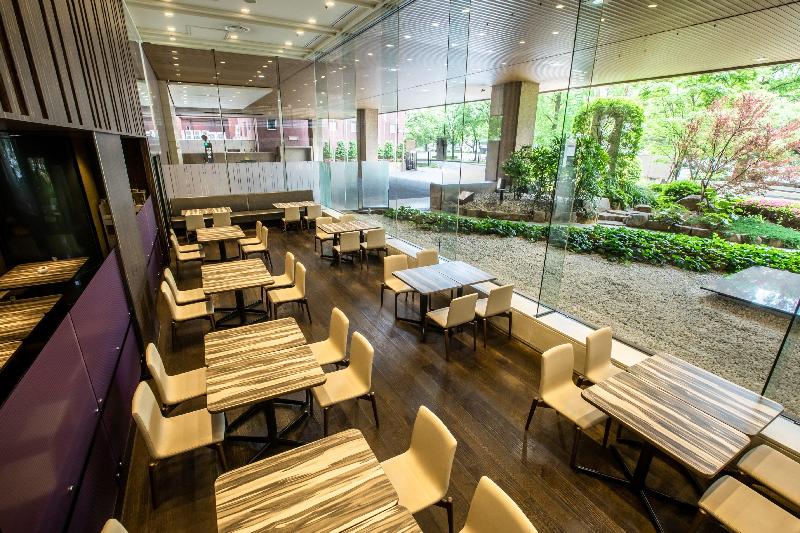
★★★★
Ana Crowne Plaza Hiroshima
Hiroshima
Spa · Parking
From £66 a night, taxes incl.2 adults · checked 14 Nov, 15:52

★★★★
Rihga Royal Hotel Hiroshima
Hiroshima
Spa · Pool · Parking
From £62 a night, taxes incl.2 adults · checked 14 Nov, 15:52

★★★★★
Sheraton Grand Hiroshima Hotel
Hiroshima
Spa · Pool · Parking
From £114 a night, taxes incl.2 adults · checked 14 Nov, 15:52

★★★★
Kinsuikan
Hiroshima
Spa · 39 rooms · Parking
See prices and rooms →

★★★★
Fukuyama New Castle
Fukuyama
Parking
From £62 a night, taxes incl.2 adults · checked 14 Nov, 15:52

★★★★★
Teiennoyado Sekitei
Hatsukaichi
Spa · 12 rooms
See prices and rooms →

★★★★
Azumi Setoda
Onomichi
Spa · 22 rooms · Parking
From £420 a night, taxes incl.2 adults · checked 14 Nov, 15:52

★★★★★
HOTEL PROMOTE HIROSHIMA
Hiroshima
21 rooms · Parking
See prices and rooms →
Getting around
Hiroshima's trams run from the main station to the Peace Park, downtown and the port, and are the simplest way around the centre. For Miyajima, take the train or tram to Miyajimaguchi and the short ferry across; boats also run direct from the Peace Park. Onomichi and Fukuyama are on the main railway line east, and the bullet train makes Hiroshima an easy stop between Osaka and Kyushu.
When to go
Spring, for cherry blossom, and autumn, when the maples on Miyajima turn red, are the finest times. Summers are hot and humid, with a rainy season in early summer; winters are cool and mostly dry. The peace ceremony on 6 August draws large crowds, and the city is very busy around that date.
Questions about visiting Hiroshima
- What is Hiroshima best known for?
- The atomic bombing of 1945 and the Peace Memorial Park and museum that commemorate it. It is also known for Miyajima and its floating torii gate, for okonomiyaki and for oysters.
- How many days do you need in Hiroshima?
- Two full days: one for the Peace Park, museum, castle and city, and one for Miyajima. A third lets you add Onomichi or a stretch of the Shimanami Kaido.
- Can you visit Hiroshima as a day trip?
- Yes, from Osaka or Kyoto by bullet train, but it is a long day if you try to fit in Miyajima as well. Staying a night is far more relaxed, and both the Peace Park and the island are at their best in the evening.
- What is there to do in Hiroshima with kids?
- Take the ferry to Miyajima to see the deer and ride the ropeway up Mount Misen, climb Hiroshima Castle, ride the old trams and watch okonomiyaki being cooked at the counter.
- Is Hiroshima worth visiting?
- Yes. The Peace Park is one of the most important sights in Japan, and the city and Miyajima together make one of the most memorable stops on any trip.
More guides
- Where to stay in Hiroshima
- The best things to do in London
- The best things to do in Edinburgh
- The best things to do in Manchester
- The best things to do in York
- The best things to do in Amsterdam
- The best things to do in Birmingham
- The best things to do in Liverpool
- The best things to do in Bristol
- The best things to do in Barcelona
- The best things to do in Budapest
- The best things to do in Cambridge
- The best things to do in Dublin
- The best things to do in Krakow