
Iceland is a country still under construction. Volcanoes rebuild the coast, glaciers grind out the valleys, and the ground steams, spits and bubbles within an hour of the capital. It's a small island with an outsized landscape: waterfalls the size of cathedrals, black-sand beaches, lagoons full of drifting icebergs and, in the dark months, skies that glow green.
Almost everything worth seeing is reached by road, and the distances are bigger than they look on the map. Base yourself in Reykjavik for the Golden Circle and the south coast, or work your way round the Ring Road if you have a week or more. Whichever you choose, pack waterproofs, a swimming costume and plenty of patience with the weather.
Don't miss
The Golden Circle
Iceland’s classic day out from Reykjavik: three sights, one loop.
Þingvellir
Nature

Photo: Olga Ernst, CC BY-SA 4.0 Two things happened here. Iceland's parliament first met in the year 930, in the open air beneath a cliff, and the ground itself is tearing in two, as the North American and Eurasian plates drift apart. You can walk down the Almannagjá gorge between them.
It's a UNESCO World Heritage Site, and the combination of history and geology is unlike anywhere else. Go early and the rift is yours alone.
Tip: Wear proper shoes: the paths are gravel and can be wet.
Geysir and Strokkur
Nature

Photo: Andreas Tille, CC BY-SA 3.0 The original Geysir gave every other geyser its name, but these days it rarely performs. Strokkur, a few steps away, makes up for it, blasting a column of boiling water high into the air every few minutes.
Watch for the water to dome and swell, then step back and keep upwind of the spray. The surrounding geothermal field is all steaming vents and blue pools.
Gullfoss
Nature

Photo: Diego Delso, CC BY-SA 4.0 The Golden Falls drop in two great steps into a narrow canyon, throwing up a mist that conjures rainbows on a sunny day. The Hvítá river arrives wide and calm, then disappears, and the sheer force of it's humbling.
Paths lead to viewpoints above and beside the falls. In winter the spray freezes the whole scene into ice sculptures.
Tip: The lower path can be soaked with spray: bring a waterproof jacket.
The south coast
Waterfalls, cliffs and black sand, all along one road.
Seljalandsfoss
Nature

Photo: Jakub Hałun, CC BY 4.0 A slim, elegant waterfall that tumbles from a cliff beside the Ring Road, and the only one in the area you can walk behind. The path circles through the spray, so you see the falls from the inside, and the evening light is lovely.
Tip: The path behind the falls is slippery. Waterproof trousers are worth having.
Skógafoss
Nature

Photo: Martin Falbisoner, CC BY-SA 4.0 A wide, thundering curtain of water, around sixty metres high, that falls straight onto a grassy plain. Walk right up to the base and a rainbow often hangs in the mist.
A staircase beside the falls climbs to a viewing platform, and beyond it a trail follows the river upstream past a string of smaller cascades.
Reynisfjara
Beach

Photo: Alexey Komarov, CC BY-SA 4.0 A black-sand beach with columns of hexagonal basalt, a cave, and the jagged sea stacks of Reynisdrangar rising offshore. It's dramatic, dark and utterly photogenic.
It's also dangerous. Sneaker waves surge much further up the beach than you expect, so stay well back from the water and never turn your back on the sea.
Tip: Heed the warning signs: the waves here have swept visitors out to sea.
Dyrhólaey
Nature

Photo: Diego Delso, CC BY-SA 4.0 A great headland with a natural arch punched through it, and views along the black-sand coast in both directions. From the cliff-top you look straight down on Reynisfjara.
Glaciers, peninsulas and the north
If you have more time, the Ring Road rewards it.
Jökulsárlón and Diamond Beach
Nature

Photo: Jakub Hałun, CC BY 4.0 Icebergs calve from the Breiðamerkurjökull glacier into this lagoon and drift slowly towards the sea, in blues and whites so clean they look painted. Boat trips run among them in season, and the black sand beyond is where chunks of ice wash up like glittering jewels.
That is Diamond Beach, a short walk from the lagoon. It's a long drive from Reykjavik, so most visitors stay overnight in the east.
Tip: Treat the south-east as a two-day trip, not a day trip from the capital.
The Snæfellsnes peninsula
Nature

Photo: Jakub Hałun, CC BY 4.0 Often called Iceland in miniature, this long finger of land has a glacier-capped volcano at its tip, lava fields, black pebble coves and fishing villages. The shapely peak of Kirkjufell, near Grundarfjörður, is one of the most photographed mountains in the country.
It makes a lovely loop from Reykjavik if you would rather avoid the busier south coast.
Lake Mývatn
Nature
In the north, around a shallow lake dotted with pseudocraters, you find some of Iceland's strangest ground: the lava labyrinth of Dimmuborgir, steaming vents and mud pots at Hverir, and a geothermal bath to finish the day.
Akureyri, the capital of the north, is a pleasant base for whale watching and for reaching the lake.
Dettifoss
Nature

Photo: Jakub Hałun, CC BY 4.0 A broad grey wall of glacial meltwater crashing into a canyon in the north-east, among the most powerful waterfalls in Europe. There's no gentle prettiness here, just raw volume and noise, and the ground trembles beneath you.
Tip: The approach roads are remote and close in winter. Check conditions before setting off.
Spa, city and sky
The Blue Lagoon
Activity

Photo: Jakub Hałun, CC BY-SA 4.0 Iceland's most famous soak: a milky-blue geothermal lagoon steaming in a black lava field on the Reykjanes Peninsula, between Keflavík airport and Reykjavik. Smear on the silica mud mask, drift with a drink at the in-water bar, and feel your holiday melt.
It's popular for a reason, and the surreal setting is half the appeal. Many people visit on arrival or departure day.
Tip: Book ahead: slots sell out well in advance, especially in summer.
Reykjavik
Neighbourhood
The world's northernmost capital is small, colourful and full of character. Climb the tower of Hallgrímskirkja for the view over the rooftops, walk down to the Harpa concert hall by the harbour, and browse the design shops and cafés along Laugavegur.
It has serious food and a lively bar scene, and the Golden Circle, the south coast and the Blue Lagoon all start here.
The northern lights
Activity

Photo: Carl Young, CC BY-SA 4.0 From late summer to spring, the dark skies over Iceland can be lit by shimmering green curtains of aurora. There are no guarantees, since you need clear skies and solar activity, but away from city lights you have a real chance.
Escape the glow of the capital, give yourself several nights, and be patient. Staying in the countryside helps.
Kjötsúpa
Food
Icelandic lamb soup is the nation's favourite comfort food: a hearty broth of lamb with root vegetables and herbs, thick enough to warm you after a day of waterfalls. Order it at cafés and farm restaurants, often with bread on the side.
Where to stay in Iceland
Not sure which area suits you? Read our guide: Where to stay in Iceland →
★★★★
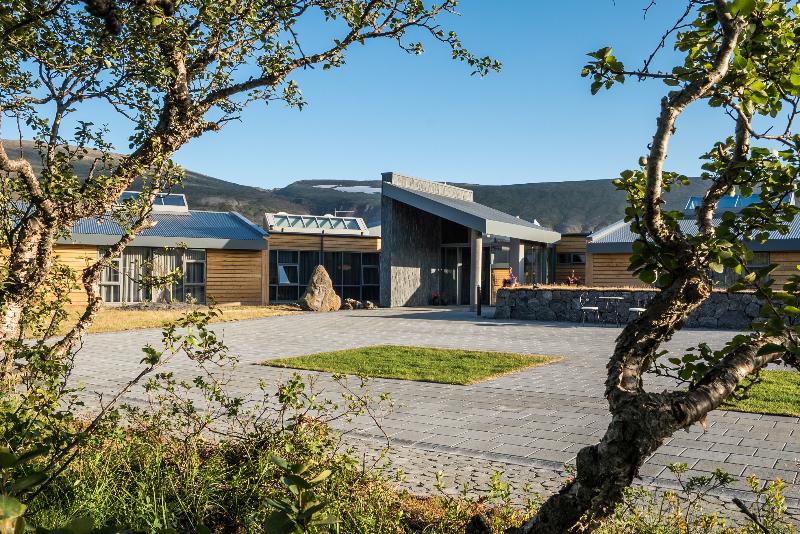
Hotel Husafell
Husafell
Pool · 48 rooms · Family-friendly
See prices and rooms →
★★★★
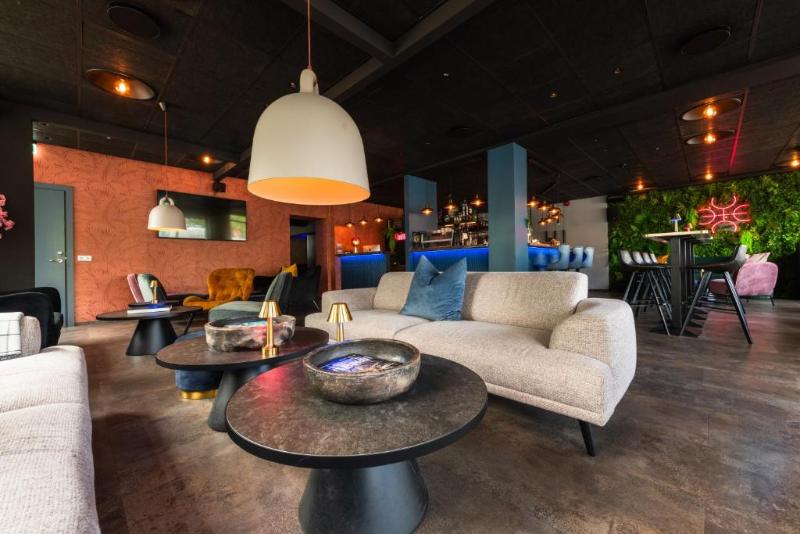
Centrum Hotel
Akureyri
49 rooms · Parking
See prices and rooms →

★★★★★
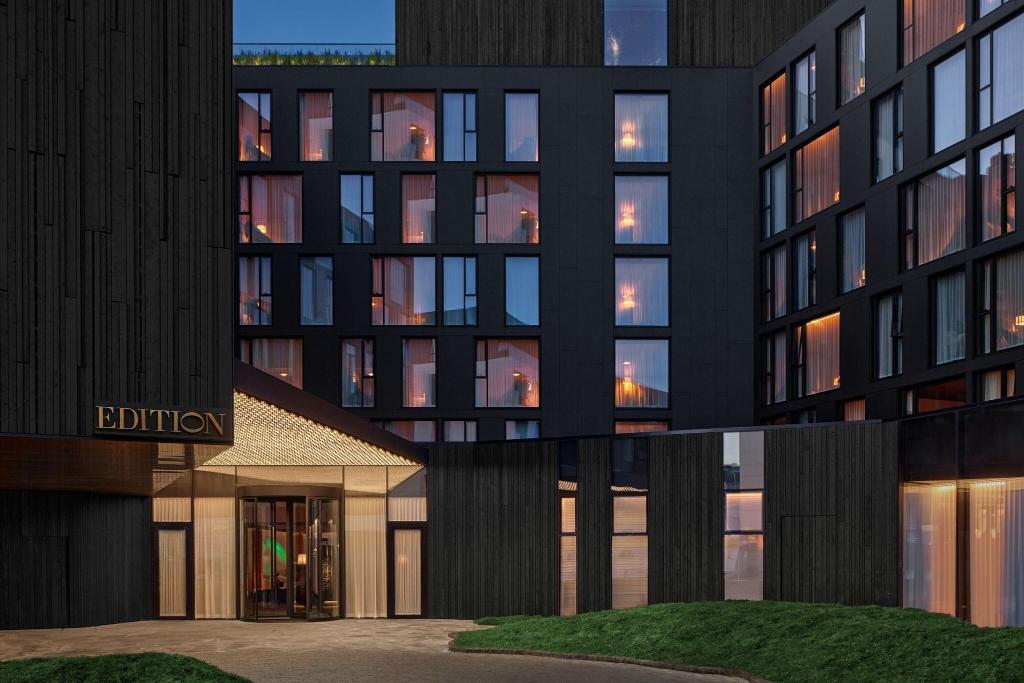
The Reykjavik Edition
Reykjavik
Spa · Parking
See prices and rooms →
★★★★
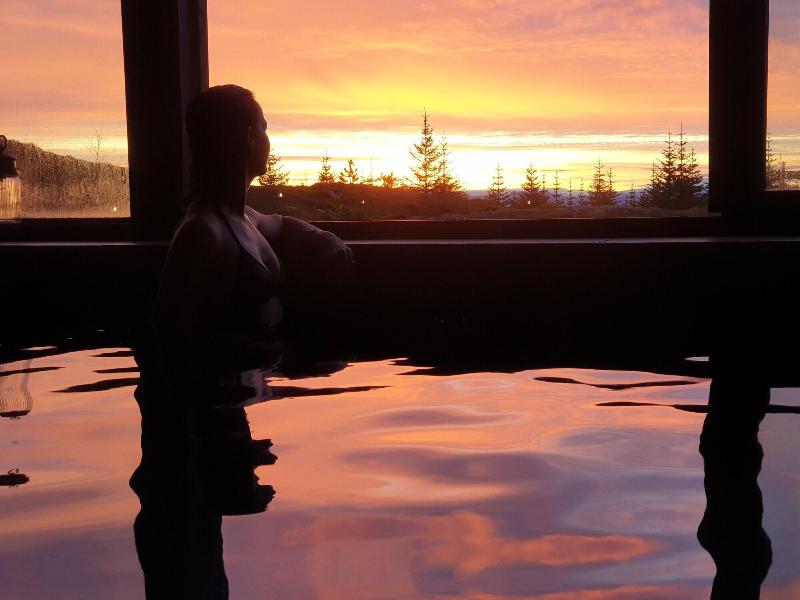
360 Hotel & Thermal Baths
Selfoss
Spa · Pool · 13 rooms
See prices and rooms →
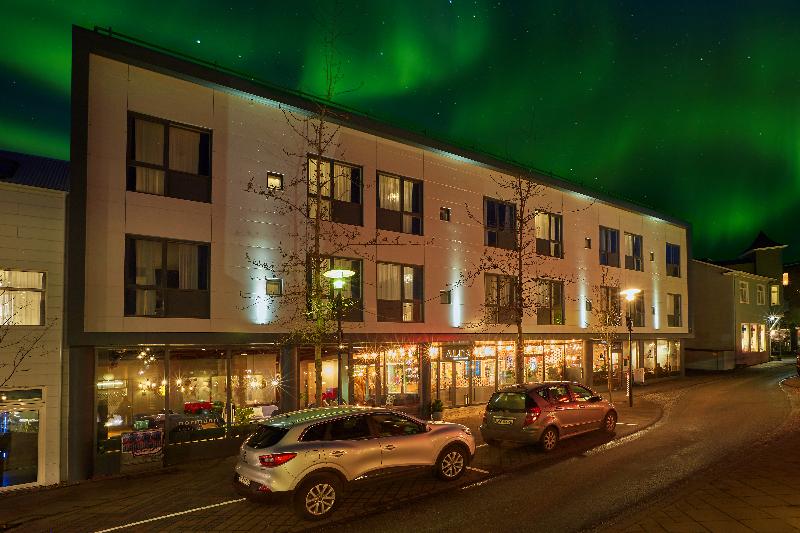
★★★★
Alda Hotel Reykjavik
Reykjavik
Beach 3 km
From £398 a night, taxes incl.2 adults · checked 1 Oct, 17:38
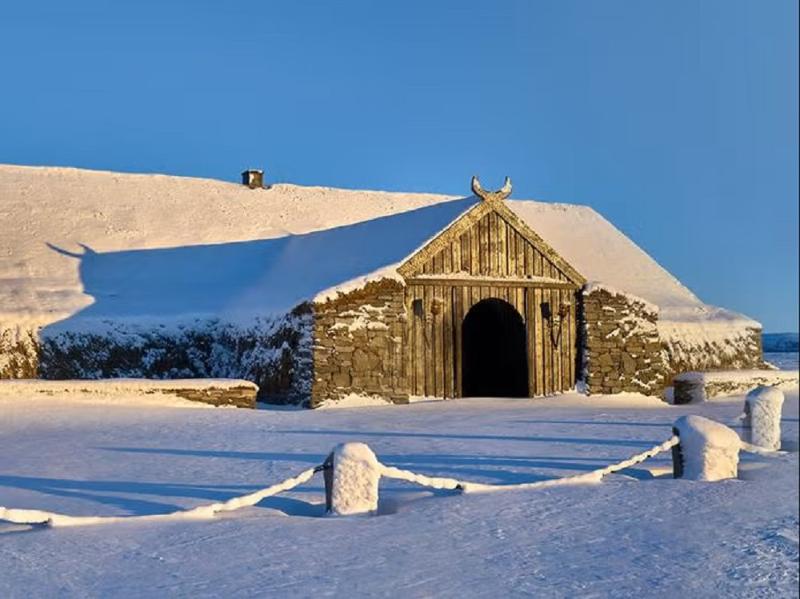
★★★★★
Torfhus Retreat
Selfoss
27 rooms · Parking
See prices and rooms →
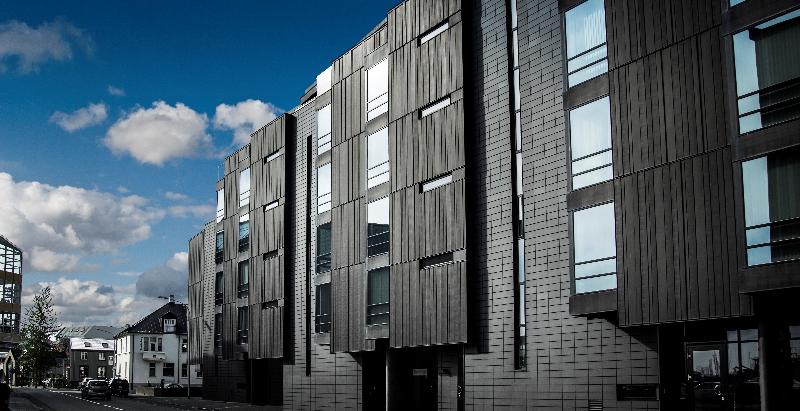
★★★★
Black Pearl Luxury Apartments
Reykjavik
22 rooms · Parking
From £311 a night, taxes incl.2 adults · checked 1 Oct, 17:38
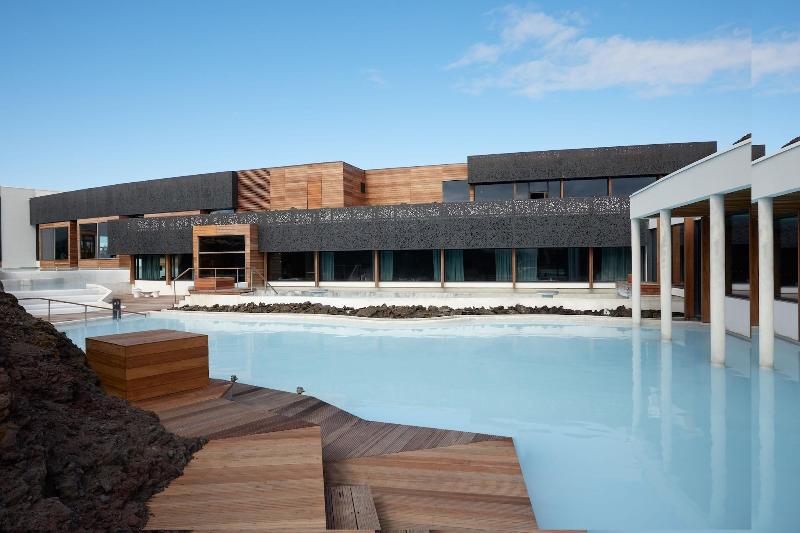
★★★★★
The Retreat At Blue Lagoon Iceland
Grindavik
Spa · 61 rooms · Parking
See prices and rooms →
Getting around
A hire car gives you the most freedom, and the Ring Road is well surfaced, but distances are long and the weather can change quickly, especially in winter. If you would rather not drive, coach tours cover the Golden Circle, the south coast and the Blue Lagoon from Reykjavik.
When to go
Summer has long, light days and open roads, and is the easiest time for driving and hiking. Winter brings short days, snow and the chance of the northern lights. Weather is changeable in every season, so pack layers either way.
Questions about visiting Iceland
- What is Iceland best known for?
- Its dramatic landscapes: waterfalls such as Gullfoss and Skógafoss, geysers, glaciers, black-sand beaches and the Blue Lagoon, plus the northern lights in the dark months.
- How many days do you need in Iceland?
- Three or four days covers Reykjavik, the Golden Circle and the south coast. A week lets you add the Snæfellsnes peninsula or reach the glacier lagoon, and a full Ring Road trip takes eight to ten days.
- Do you need a car in Iceland?
- It helps a lot outside Reykjavik, because sights are spread out. You can see the main ones on coach tours if you prefer not to drive.
- When can you see the northern lights in Iceland?
- Between late summer and spring, when the nights are dark. You need clear skies and some luck, so allow several nights and stay away from city lights.
More guides
- Where to stay in Iceland
- The best things to do in London
- The best things to do in Edinburgh
- The best things to do in Amsterdam
- The best things to do in Barcelona
- The best things to do in Budapest
- The best things to do in Dublin
- The best things to do in Krakow
- The best things to do in Prague
- The best things to do in Berlin
- The best things to do in Lisbon
- The best things to do in Milan
- The best things to do in Paris
- The best things to do in Rome