

Istanbul is the only major city that sits on two continents, and it wears the crown well. Over the centuries it has been Byzantine Constantinople and the Ottoman capital, and the layers show everywhere: a 1,500-year-old church with a dome that seems to float, a covered bazaar that has been trading for centuries, mosques crowned with minarets that punctuate the skyline, and ferries chugging between Europe and Asia as if it were nothing.
Give it time. The big sights in Sultanahmet could fill two days alone, and the real joys, a breakfast spread, a tea in a tulip glass, a fish sandwich by the water, come in between. Wear comfortable shoes for steep, cobbled hills, carry a scarf for mosque visits and let the call to prayer be your soundtrack.
Don't miss
The Old City
Sultanahmet packs more history per square metre than almost anywhere on earth.
Hagia Sophia
Landmark

Photo: Arild Vågen, CC BY-SA 3.0 Built in the 6th century as a cathedral, later a mosque, then a museum, and now a mosque again, this is one of the great buildings of the world. The enormous central dome appears to hover above you, and the mix of Byzantine mosaics and Islamic calligraphy tells the city's story in a single room.
Tip: Dress modestly and check the current visiting arrangements before you go, as they have changed in recent years.
The Blue Mosque
Landmark

Photo: Moonik, CC BY-SA 3.0 Officially the Sultan Ahmed Mosque, it takes its nickname from the thousands of blue İznik tiles covering its interior. Six slender minarets frame a cascade of domes, and the courtyard is as impressive as the prayer hall.
Tip: It is a working mosque, so expect closures around prayer times, and cover your shoulders and knees.
Topkapı Palace
Landmark

Photo: Carlos Delgado, CC BY-SA 3.0 For centuries the home of the Ottoman sultans, this sprawling palace is a series of courtyards, pavilions and tiled chambers on a headland above the Bosphorus. Highlights include the Imperial Treasury and the Harem, and the terraces have gorgeous views over the water.
Tip: Allow at least half a day, and arrive early to beat the tour groups.
The Basilica Cistern
Landmark

Photo: Moise Nicu, CC BY 3.0 A cool, dimly lit underground reservoir built under Emperor Justinian in the 6th century, supported by rows of columns rising from shallow water. Two column bases carved with Medusa heads are the quirkiest finds.
The Süleymaniye Mosque
Landmark

Photo: Arild Vågen, CC BY-SA 3.0 The grandest of the imperial mosques, designed by the great architect Mimar Sinan for Süleyman the Magnificent. It sits on a hill above the Golden Horn, with a peaceful garden, a calm interior and fantastic views.
The Grand Bazaar
Market

Photo: Slyronit, CC BY-SA 4.0 One of the largest and oldest covered markets in the world, a maze of vaulted lanes lined with thousands of shops selling carpets, ceramics, lamps, jewellery and leather. Bargaining is part of the fun, and so is getting thoroughly lost.
Tip: Go in the morning, take your time, and be ready to haggle with a smile.
The Spice Bazaar
Market

Photo: Miomir Magdevski, CC BY-SA 4.0 Also known as the Egyptian Bazaar, this L-shaped market near the Galata Bridge is a feast for the nose, with heaps of spices, dried fruit, nuts, Turkish delight and tea. It's smaller and easier than the Grand Bazaar.
Beyoğlu and the Golden Horn
Galata Tower
Landmark

Photo: Alexxx1979, CC BY-SA 3.0 A medieval stone tower built by the Genoese, rising above the lanes of Galata. The viewing gallery at the top gives a panoramic sweep across the Golden Horn, the Old City skyline and the Bosphorus.
Tip: Go near sunset for the best light, and expect a queue.
İstiklal Avenue
Neighbourhood
A long pedestrian street running from Taksim Square towards Galata, packed with shops, cafés, bookshops and old buildings. A little red nostalgic tram rattles up and down the middle. Duck into the side streets for meyhanes and bars.
Karaköy and the Galata Bridge
Neighbourhood
Karaköy is the waterfront district of galleries, specialist coffee and stylish cafés. The Galata Bridge nearby is lined with fishermen, and the restaurants beneath it face the Golden Horn and the Old City skyline.
Balat
Neighbourhood

Photo: Antoloji, CC BY-SA 4.0 A hillside neighbourhood on the Golden Horn, with steep streets of brightly painted wooden and stone houses, antique shops, old churches and a lot of cafés. Wander without a plan and you'll find the city's more local side.
On the water
A Bosphorus ferry
Activity
The best way to see Istanbul is from the water. Public ferries and sightseeing cruises run up the Bosphorus between Europe and Asia, passing waterfront palaces, wooden mansions and fortresses, with Maiden's Tower sitting on its islet off the Asian shore.
Tip: A public ferry is a cheap, scenic way to cross, and a simit and a glass of tea on deck complete it.
Dolmabahçe Palace
Landmark

Photo: This Photo was taken by Wolfgang Moroder. Feel free to use my photos, but please, CC BY-SA 3.0 A 19th-century Ottoman palace on the European shore of the Bosphorus, in a lavish mix of European styles. Highlights include the crystal staircase, a vast chandelier-filled ceremonial hall and the room where Atatürk died.
Kadıköy
Neighbourhood
Take the ferry to the Asian side and you'll find a lively market district packed with fishmongers, delis, cafés and bars. Stroll the Moda seafront afterwards for a sunset over the Old City.
The Princes' Islands
Day trip
A group of car-free islands in the Sea of Marmara, reached by ferry. Büyükada, the largest, has pine woods, wooden mansions, quiet lanes and seafood restaurants. Hire a bike or just walk.
Eat, drink and unwind
A Turkish breakfast
Food

Photo: Jwslubbock, CC BY-SA 3.0 A spread of cheeses, olives, tomatoes, cucumbers, eggs, honey, clotted cream, jam and fresh bread, served with endless glasses of tea. It's a long, social affair and the best way to start a day.
Balık ekmek
Food

Photo: Benreis, CC BY 3.0 Grilled fish, lettuce and onion in a bread roll, sold from boats and stalls around the Galata Bridge and Eminönü waterfront. Eat it standing up, with a squeeze of lemon and the Golden Horn in front of you.
Baklava and Turkish delight
Food
Layers of paper-thin pastry filled with pistachios and soaked in syrup, plus rose and lemon lokum. Specialist shops across the city sell both, and a tiny cup of Turkish coffee is the perfect companion.
A Turkish bath
Activity
A traditional hammam is a good way to ease tired feet after a day of sightseeing, with steam, a scrub and a foam massage. Historic hammams in Sultanahmet, such as Çemberlitaş, welcome visitors.
Where to stay in Istanbul
Not sure which area suits you? Read our guide: Where to stay in Istanbul →
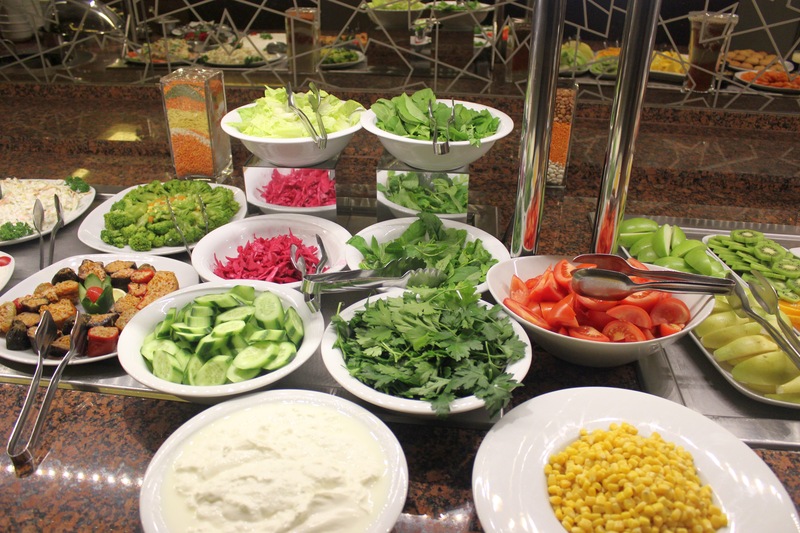
★★★★
The Time istanbul Hotel
Laleli/istanbul
Spa · Pool · 65 rooms
See prices and rooms →

★★★★
AHC Ayasofya Hotel - Special Class
Istanbul
Spa · 36 rooms
From £179 a night, taxes incl.2 adults · checked 1 Oct, 18:23

★★★★★
AJWA Sultanahmet
Istanbul
Spa · Pool · 61 rooms
See prices and rooms →
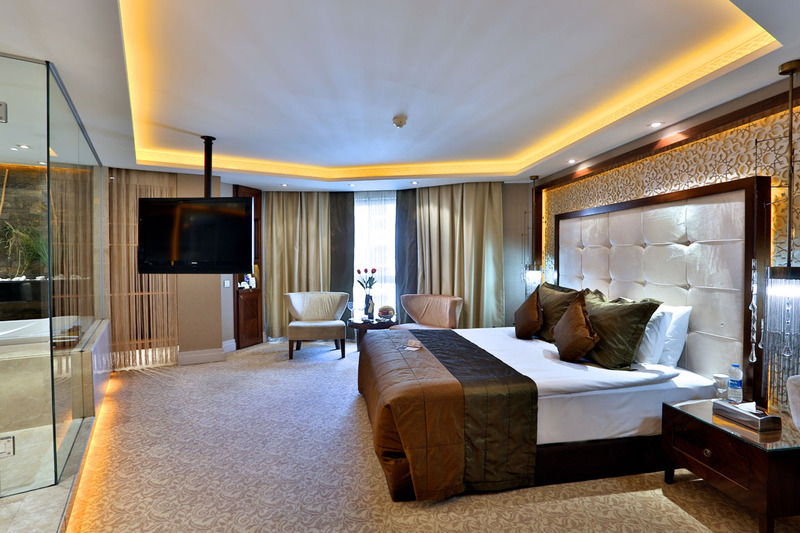
★★★★
AHC Old City Hotel
Istanbul
Spa · Pool · Parking
From £120 a night, taxes incl.2 adults · checked 1 Oct, 18:23

★★★★
Albatros Premier Hotel
Sultanahmet
58 rooms · Parking
From £86 a night, taxes incl.2 adults · checked 1 Oct, 18:23
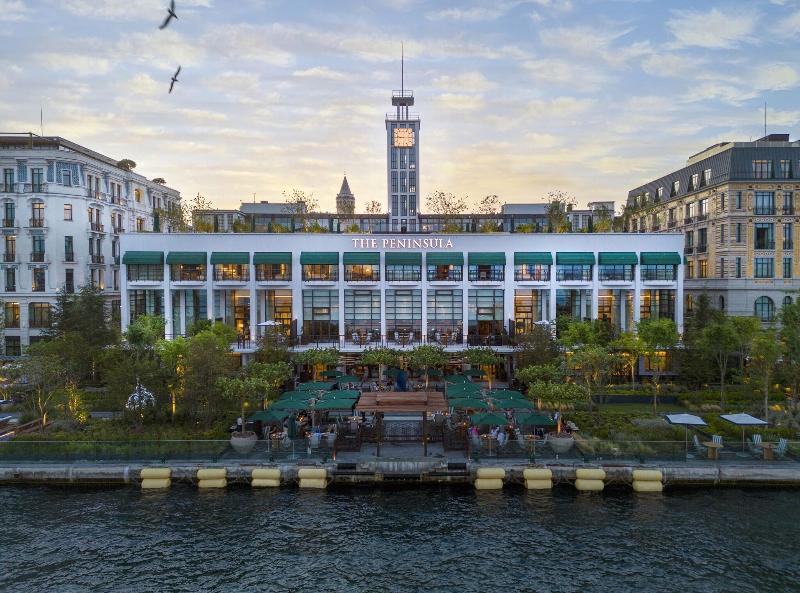
★★★★★
The Peninsula Istanbul
Karaköy - Beyoğlu
Adults only · Spa · Pool
From £1,428 a night, taxes incl.2 adults · checked 1 Oct, 18:23
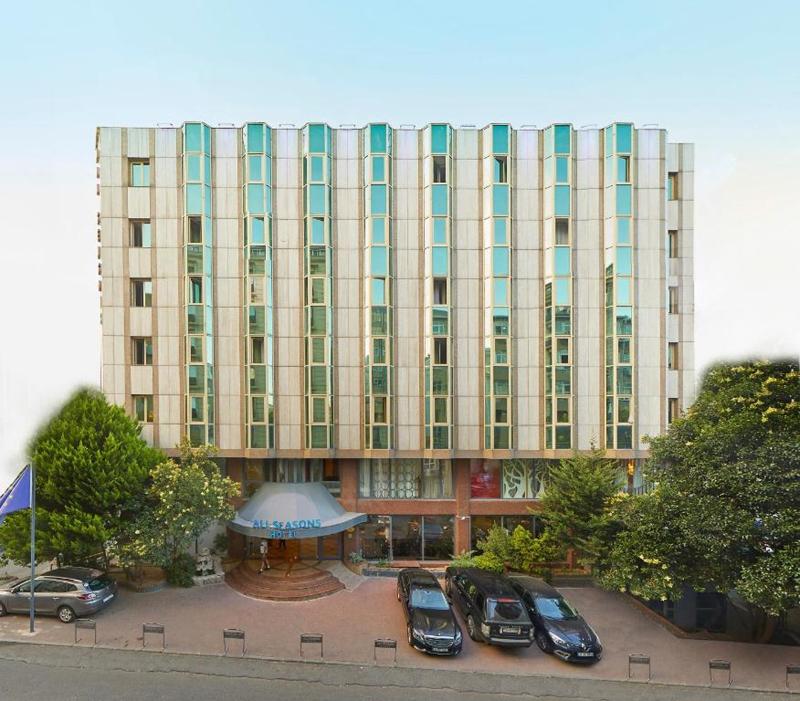
★★★★
All Seasons Hotel
Findikzade- Istanbul
70 rooms · Parking
From £78 a night, taxes incl.2 adults · checked 1 Oct, 18:23
★★★★★
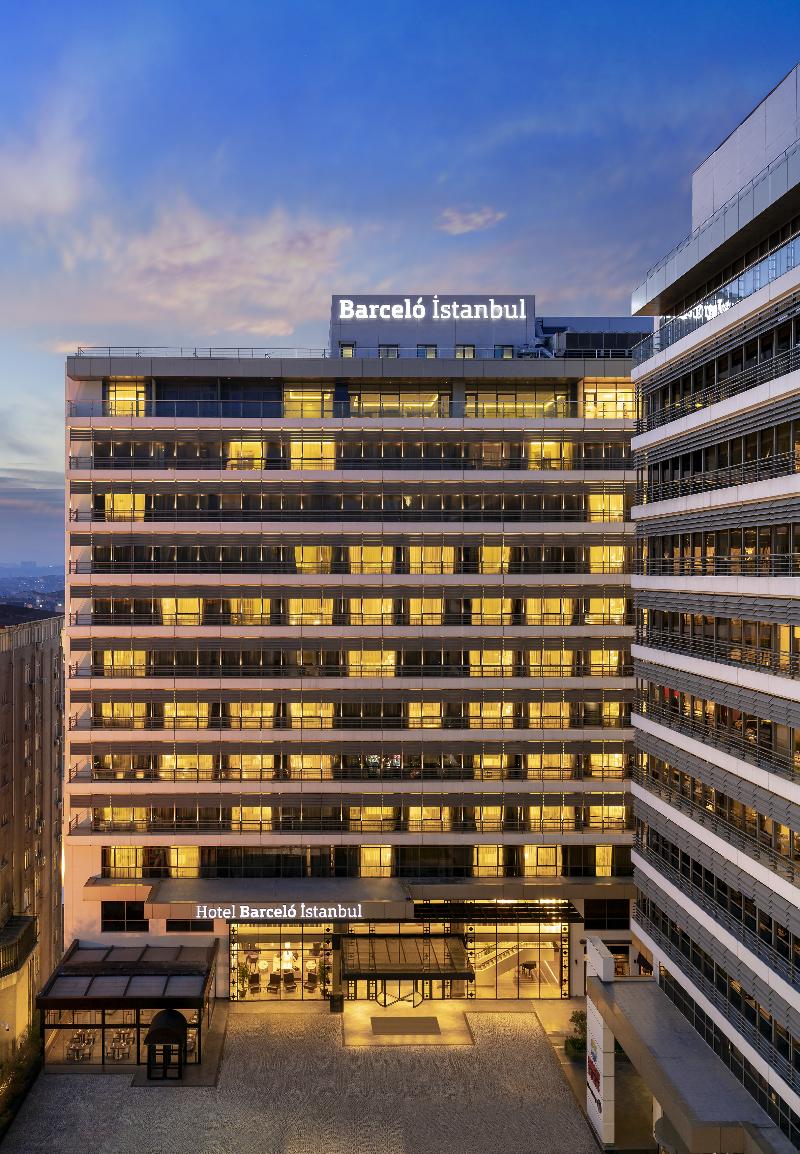
Barceló Istanbul
Beyoglu - Istanbul
Beach 2 km · Spa · Parking
From £181 a night, taxes incl.2 adults · checked 1 Oct, 18:23
Getting around
Istanbul is huge and hilly. Trams, metro lines, funiculars and ferries link the main areas, and an Istanbulkart travel card makes them easy to use. Walking is best in Sultanahmet and Beyoğlu, while ferries across the Bosphorus are both transport and sightseeing. Taxis are widely available.
When to go
Spring and autumn are the best seasons, with mild weather for walking and fewer crowds. Summers are hot and busy, and winters are cool and grey but quiet. Visit the major mosques outside prayer times, and bear in mind that dates for religious holidays shift each year.
Questions about visiting Istanbul
- What is Istanbul best known for?
- Hagia Sophia, the Blue Mosque, Topkapı Palace and the Grand Bazaar, the Bosphorus strait dividing Europe and Asia, and a rich food culture of kebabs, baklava and Turkish tea.
- How many days do you need in Istanbul?
- Three or four days covers the Old City, the Galata and Beyoğlu districts and a Bosphorus trip. Add a day for the Asian side or the Princes’ Islands.
- What should I wear in Istanbul’s mosques?
- Dress modestly, with shoulders and knees covered. Women should carry a scarf for their heads, and everyone removes their shoes before entering. Visits are not possible during prayer times.
- Is Istanbul walkable?
- Parts of it are. Sultanahmet and Beyoğlu are great on foot, but the city is large and hilly, so use trams, the metro and ferries to link the districts.
More guides
- Where to stay in Istanbul
- The best things to do in London
- The best things to do in Edinburgh
- The best things to do in Amsterdam
- The best things to do in Barcelona
- The best things to do in Budapest
- The best things to do in Dublin
- The best things to do in Krakow
- The best things to do in Prague
- The best things to do in Berlin
- The best things to do in Lisbon
- The best things to do in Milan
- The best things to do in Paris
- The best things to do in Rome