
Japan runs on contrast. You can spend the morning at a mossy temple where the only sound is a raked-gravel garden and the afternoon in a neon canyon of arcades and ramen counters. Bullet trains that leave to the second share the rails with wooden-walled villages, and a convenience-store egg sandwich is somehow a life-changing meal.
The classic first trip links Tokyo, Kyoto and Osaka by shinkansen, with Mount Fuji and Hakone a short ride from the capital and the castle at Himeji or the shrine at Miyajima as add-ons. Everything is clean, safe and astonishingly well organised, which leaves you free to wander, get a little lost and eat very well.
Don't miss
Tokyo
Endless, electric and surprisingly calm once you step off the main roads.
Sensō-ji
Landmark

Photo: Tak1701d, CC BY-SA 3.0 Tokyo's oldest temple sits in Asakusa behind the Kaminarimon, a great red gate hung with an enormous paper lantern. Beyond it, Nakamise-dori is a lane of stalls selling rice crackers, sweets and souvenirs, leading to the incense-wreathed main hall.
Visit early, before the tour groups, or after dark when the lanterns glow and the crowds thin.
Shibuya Crossing
Landmark

Photo: Benh LIEU SONG (Flickr), CC BY-SA 2.0 Every time the lights change, a wave of people floods the junction from every side in one giant, well-mannered scramble. It's Tokyo in a single frame, and the best way to appreciate it's to take part, then watch from above.
Look for the statue of Hachikō, the loyal dog, by the station, and head up one of the nearby towers for the bird's-eye view.
Meiji Jingu
Landmark
A Shinto shrine dedicated to Emperor Meiji and his wife, hidden in a forest right beside Harajuku. You pass under huge wooden torii gates and along a wide gravel path, and the city's noise simply falls away.
Tip: Pair it with Harajuku next door: the contrast between shrine and street fashion is pure Tokyo.
Tsukiji Outer Market
Market
The famous wholesale fish auction moved to Toyosu in 2018, but the lanes of the outer market remain: stalls and tiny restaurants selling sushi, grilled seafood, sweet omelette on a stick and strong coffee. Come hungry, and early.
Kyoto
Japan’s old capital, a city of temples, gardens and wooden lanes.
Fushimi Inari
Landmark

Photo: Basile Morin, CC BY-SA 4.0 Thousands of vermilion torii gates line a trail that climbs the wooded slope of Mount Inari, each donated by a business or individual. Under the gates, light flickers and the crowds thin the higher you go.
The shrine, dedicated to the god of rice, is a short train ride from central Kyoto. Walk as far up as you like.
Tip: Go early in the morning or at dusk for fewer people, and wear comfortable shoes.
Kinkaku-ji
Landmark

Photo: Basile Morin, CC BY-SA 4.0 The Golden Pavilion is a Zen temple whose upper floors are covered in gold leaf, glittering over a still pond. It began as a shogun's retreat and was later turned into a temple. It's photogenic in every season, and especially under snow or autumn colour.
Arashiyama Bamboo Grove
Nature

Photo: Basile Morin, CC BY-SA 4.0 On the western edge of Kyoto, a path winds between towering stalks of bamboo that creak and rustle overhead. The effect is otherworldly, and the grove sits beside Tenryū-ji temple and the Hozu river.
Come early, as it's very popular. Combine it with the temple gardens and a riverside stroll.
Kiyomizu-dera
Landmark
A UNESCO-listed temple whose great wooden veranda juts out from the hillside above the city. The lanes leading up to it, Ninenzaka and Sannenzaka, are lined with ceramic shops and sweet stalls, and are best walked at the start or end of the day.
Gion
Neighbourhood
Kyoto's geisha district, with traditional wooden teahouses along Hanamikoji and the lanes around it. You may spot a maiko or geiko hurrying to an appointment at dusk.
Keep your distance and be respectful: these are working people on private streets, not exhibits.
Osaka and the west
Dotonbori
Nightlife

Photo: 32linesky, CC BY-SA 4.0 Osaka's glittering canalside strip is all neon, giant mechanical crabs and the famous Glico running man sign. The local motto is 'kuidaore', eat until you drop, and the street food stalls take it seriously.
Come after dark, when the lights shimmer in the water and the whole street smells of grilled batter and sweet sauce.
Himeji Castle
Landmark

Photo: Bernard Gagnon, CC BY-SA 3.0 The finest surviving castle in Japan, nicknamed the White Heron for its gleaming walls and sweeping roofs. A UNESCO World Heritage Site, it's easily reached from Osaka or Kyoto by shinkansen.
Hiroshima Peace Memorial Park
Museum
A quiet, moving park around the Atomic Bomb Dome, the ruin left standing after 1945, with a museum telling the story of the bombing and the city's commitment to peace. It's a sombre, important place and a UNESCO World Heritage Site.
Itsukushima Shrine, Miyajima
Day trip

Photo: Jakub Hałun, CC BY 4.0 A short ferry ride from Hiroshima, the island of Miyajima is famous for the red torii gate that seems to float in the sea at high tide. The shrine stands on stilts over the water, and at low tide you can walk out to the gate.
Try the grilled oysters and momiji manju, maple-leaf-shaped cakes, from the shops along the main street.
Fuji, Hakone and Kamakura
Easy escapes from Tokyo.
Mount Fuji
Nature

Photo: Midori, CC BY 3.0 Japan's highest and most sacred peak rises in a perfect cone above the surrounding lakes. Lake Kawaguchi on its northern side is the classic viewpoint, and the clearest days are often in winter and early in the morning.
Climbing is only possible in a short summer season. Most visitors are happy to admire it from the lake and from the trains.
Tip: Cloud often hides the summit by midday. Go early and be flexible.
Hakone
Day trip

Photo: Kentagon, CC BY-SA 4.0 A hot-spring resort in the hills, a short trip from Tokyo, where you combine a ropeway ride to the steaming valley of Ōwakudani, a boat trip across Lake Ashi and, on a clear day, views of Fuji. Stay overnight in a ryokan with an onsen and it's hard to leave.
Kamakura
Day trip

Photo: Alexandar Vujadinovic, CC BY-SA 4.0 A seaside town south of Tokyo and the seat of a medieval shogunate, dotted with Zen temples and hiking trails. Its star is the Great Buddha, a bronze figure of Amida that has sat in the open air for centuries.
Eat
Ramen
Food
Slurping is encouraged. Tokyo's classic is a shoyu broth with chewy noodles, while rich tonkotsu from Kyushu and miso ramen from Hokkaido have their own devotees. Order at a ticket machine, grab a counter seat and eat while it's hot.
Takoyaki
Food

Photo: City Foodsters, CC BY 2.0 Osaka's signature snack: crisp-shelled balls of batter with a piece of octopus inside, topped with sauce, mayonnaise and dancing bonito flakes. They are scalding hot, so wait a moment. Find them at street stalls in Dotonbori.
Sushi
Food
From conveyor-belt restaurants to tiny counters where a chef serves each piece in turn, sushi in Japan is a different experience. Eat nigiri with your fingers if you like, dip the fish side lightly in soy, and follow the chef's pace.
Where to stay in Japan
Not sure which area suits you? Read our guide: Where to stay in Japan →
★★★★
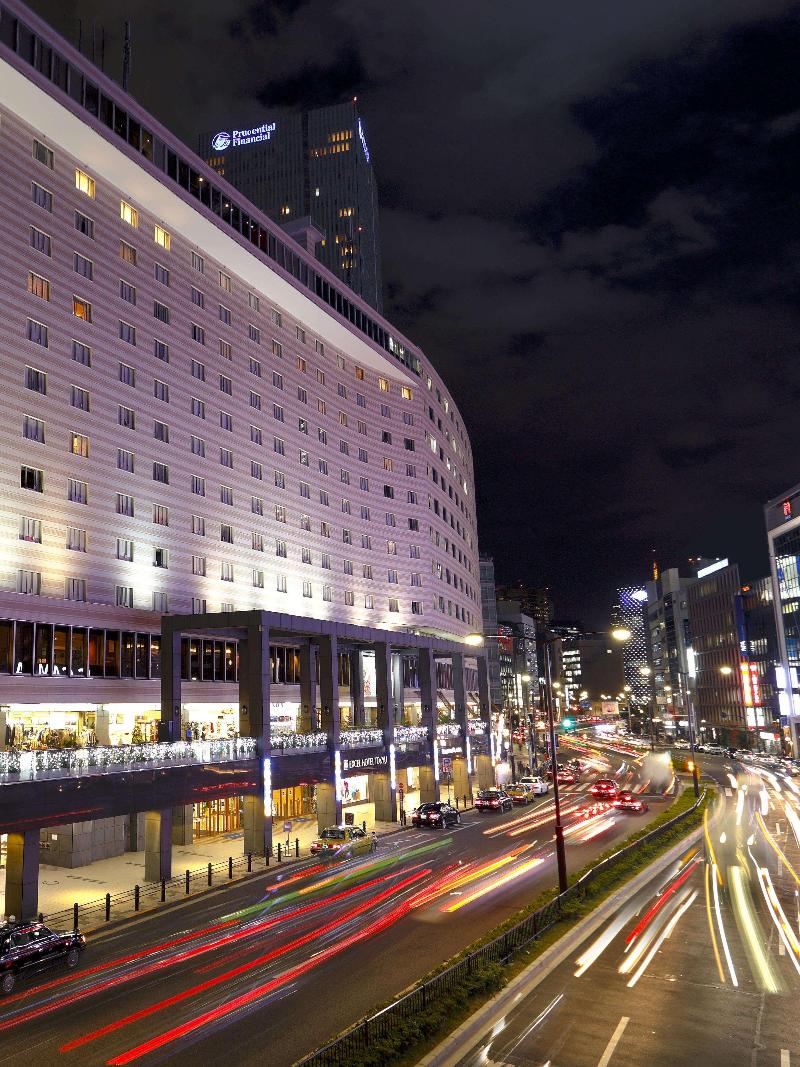
Akasaka Excel Hotel Tokyu
Tokyo
Parking
See prices and rooms →

★★★★
Ana Crowne Plaza Chitose
Chitose
Spa · Parking
See prices and rooms →
★★★★★
Shangri-La Tokyo
Tokyo
Spa · Pool · Parking
From £855 a night, taxes incl.2 adults · checked 1 Oct, 18:09
★★★★
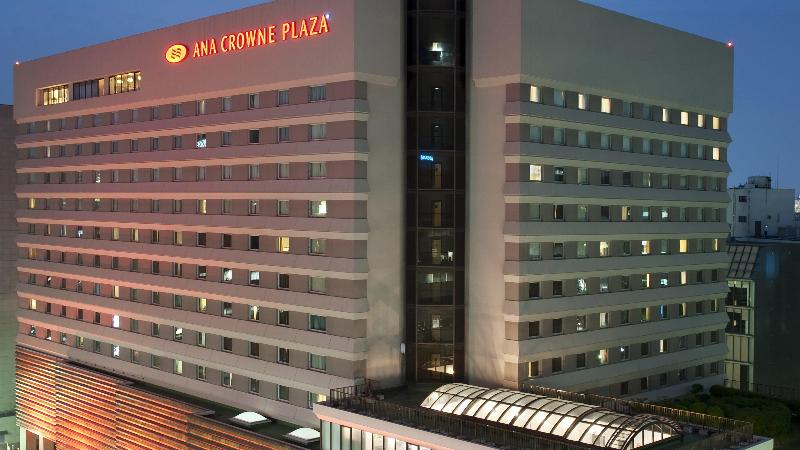
ANA Crowne Plaza Fukuoka
Fukuoka
Spa · Pool · Parking
See prices and rooms →
★★★★
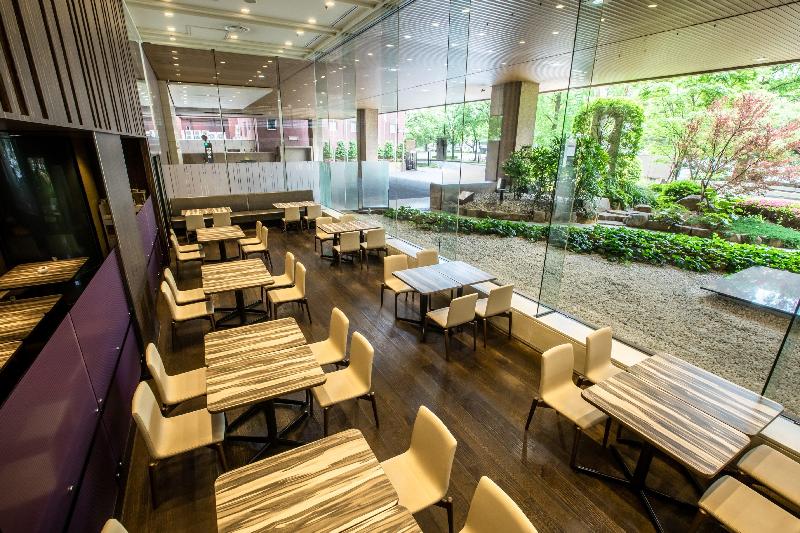
Ana Crowne Plaza Hiroshima
Hiroshima
Spa · Parking
See prices and rooms →
★★★★★
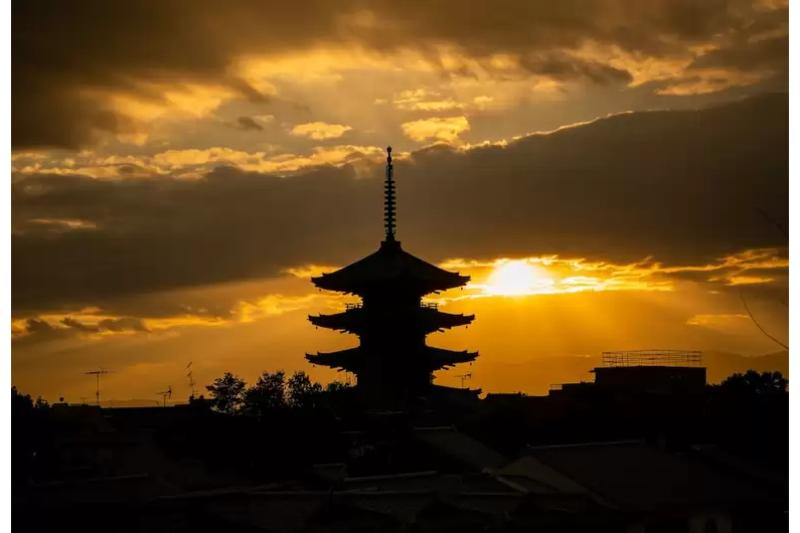
Park Hyatt Kyoto
Kyoto
Spa · 70 rooms · Parking
From £2,632 a night, taxes incl.2 adults · checked 1 Oct, 18:37
★★★★
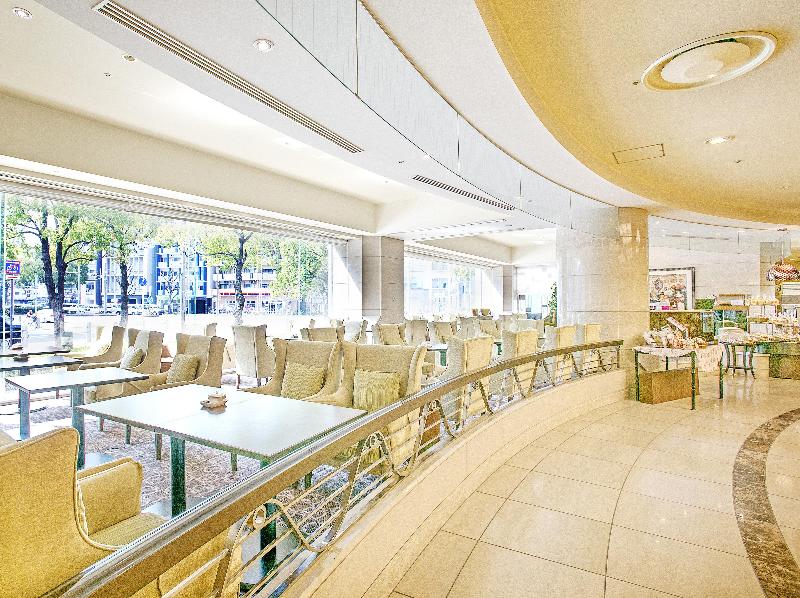
ANA Crowne Plaza Hotel Grand Court Nagoya
Aichi
Parking
See prices and rooms →
★★★★★
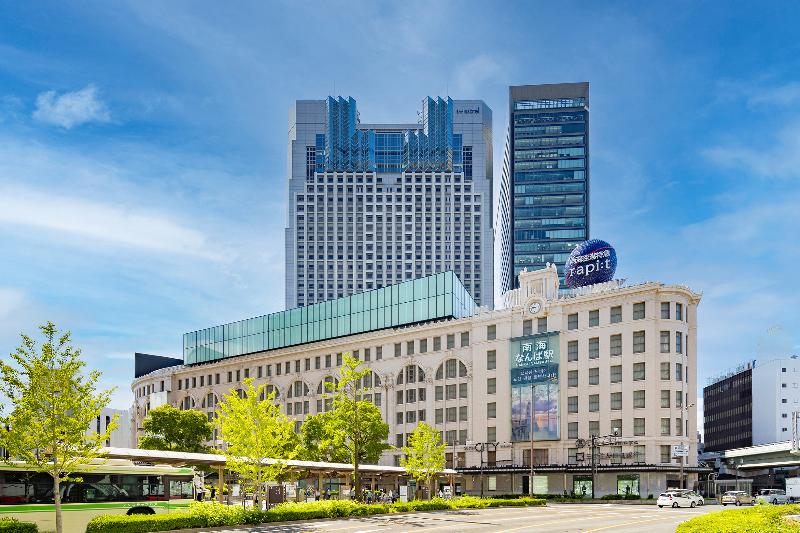
Swissotel Nankai Osaka
Osaka Shi
Spa · Pool · Parking
From £302 a night, taxes incl.2 adults · checked 1 Oct, 18:38
Getting around
Shinkansen bullet trains link Tokyo, Kyoto, Osaka and Hiroshima, and local trains and subways are clean, precise and easy once you have a rechargeable IC card for tapping in. Cities are best explored on foot and by metro, and a car is rarely needed.
When to go
Spring brings cherry blossom and autumn brings red maple leaves, and both are busy and beautiful. Summer is hot and humid, with a rainy spell in early summer, while winter is cold, dry and clear, which is when Fuji looks its best.
Questions about visiting Japan
- What is Japan best known for?
- Its blend of ancient temples and futuristic cities, Mount Fuji, cherry blossom, bullet trains and food from sushi and ramen to street snacks.
- How many days do you need in Japan?
- Ten to fourteen days works well for Tokyo, Kyoto and Osaka with a day trip to Hakone or Fuji. A week is enough for Tokyo and Kyoto alone.
- Is Japan worth visiting?
- Yes. It's safe, spotless and endlessly interesting, with something new at every turn, from shrines to street food.
- Do you need a car in Japan?
- No, not for the main tourist routes. Trains and subways are excellent, and cars are only useful in rural areas.
More guides
- Where to stay in Japan
- The best things to do in London
- The best things to do in Edinburgh
- The best things to do in Amsterdam
- The best things to do in Barcelona
- The best things to do in Budapest
- The best things to do in Dublin
- The best things to do in Krakow
- The best things to do in Prague
- The best things to do in Berlin
- The best things to do in Lisbon
- The best things to do in Milan
- The best things to do in Paris
- The best things to do in Rome