
Kefalonia is the biggest of the Ionian islands and the most dramatic: a mountain-spined, cliff-fringed island where white pebble beaches meet deep blue water and the hillsides smell of thyme and pine. In 1953 an earthquake flattened most of its towns, but a few villages escaped, and rebuilt Argostoli is easy-going and pleasant. The real show is the scenery.
You can see most of it in a loop by car. Start at Argostoli, head to the caves near Sami, cross the island to the green north and its harbour villages, and come back via the vineyards. Pack swim shoes (many beaches are pebbly) and plan to arrive at the famous beaches early or late, when the light is best.
Don't miss
Beaches
Myrtos Beach
Beach

Photo: Matt Sims, CC BY 2.0 A great crescent of white pebbles under steep, green-streaked cliffs, with water that shifts between turquoise and deep blue. Seen from the hairpin road above, it's one of the best-known views in Greece. The descent takes a few minutes and the swim is memorable.
Tip: The sea can be rough and currents strong, so follow local advice and swim carefully. Arrive early for the best light.
Antisamos
Beach

Photo: Piet Horden, CC BY-SA 3.0 Near Sami on the east coast, a cove of pebbles and clear water backed by thickly wooded hills. It's more sheltered than Myrtos, with calmer water and a handful of tavernas, and it was used as a location in the 2001 film of Captain Corelli's Mandolin.
Xi Beach
Beach

Photo: Splendid entry, CC BY 3.0 On the Paliki peninsula in the south-west, a long, gently shelving beach of golden sand backed by ochre cliffs. The shallow water suits families, and there are loungers and tavernas close by.
Petani
Beach
A long, quiet beach on the north-west coast of the Paliki peninsula, with pale shingle and clear water, a few tavernas and a feeling of space. It's an easy day out if you're staying near Lixouri.
Caves and mountains
Melissani Cave
Nature

Photo: Matt Sims, CC BY 2.0 Near Sami, a collapsed roof lets sunlight pour into a cave holding a lake. At midday the water glows an almost electric blue. You glide across it in a small rowing boat, steered by a guide, between rock walls and hanging stalactites.
Tip: Visit around midday, when the sun is high and the colour is at its best.
Drogarati Cave
Nature

Photo: Lubomir Mihalik, CC BY 3.0 A few minutes from Sami, you step down into a large chamber of stalactites and stalagmites. The hall is known for its acoustics, and concerts have been held there. It's cool, dramatic and a good option on a hot day.
Mount Ainos
Nature

Photo: No machine-readable author provided. Christos Vittoratos assumed (based on copyr, CC BY-SA 2.5 The highest peak in the Ionian islands rises to around 1,600 metres and is covered in a national park of black firs that give the mountain its dark colour. A road winds up to a viewpoint, and trails lead through the forest and up to the summit.
Villages and harbours
Fiskardo
Neighbourhood

Photo: Christos Vittoratos, Public domain The pastel-coloured harbour village at the island's northern tip survived the 1953 earthquake, so it keeps its Venetian-era look. Yachts lie against the quay and tavernas fill the waterfront. It's easily the prettiest place on the island to sit with a glass of wine.
Assos
Neighbourhood

Photo: Tom Corser, CC BY-SA 3.0 A small village of pastel houses draped around a bay on the north-west coast, joined by a narrow isthmus to a headland topped by a Venetian fortress. The walk up to the fort gives a sweeping view of the sea and the village below.
Argostoli
Neighbourhood

Photo: The Only Kind Of love, CC BY-SA 4.0 The island's capital sits on a wide bay, and a long stone causeway, the De Bosset bridge, crosses the lagoon beside the town. The waterfront and the main square have cafés and tavernas, and the town is a good base for shops, museums and the nearby beaches.
Ithaca
Day trip
Ferries cross the narrow strait to Ithaca, the island legend links with Odysseus. It's greener, quieter and more rugged than Kefalonia, with a pretty main harbour at Vathy. A day trip or a boat excursion is easy from the east coast.
Eat and drink
Kefalonian meat pie
Food

Photo: Saintfevrier, CC BY-SA 3.0 Kreatopita is the island's signature dish: a hearty pie of meat, rice and spices in a crisp pastry case, traditionally served for celebrations. You'll find it in village tavernas and bakeries, and it's an ideal lunch before an afternoon on the beach.
Robola wine
Food

Photo: Saintfevrier, CC BY-SA 3.0 The island's own white grape grows on high limestone slopes, producing a crisp, mineral wine with citrus notes. Visit a winery in the hills above Argostoli for a tasting, or simply order a glass with grilled fish.
Where to stay in Kefalonia
Not sure which area suits you? Read our guide: Where to stay in Kefalonia →
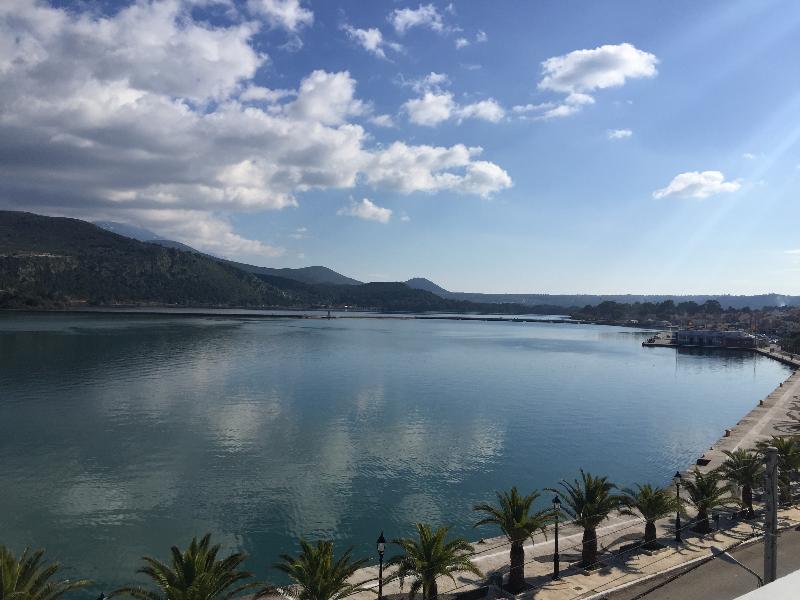
★★★★
Kefalonia Grand
Argostoli
Beach 2 km
From £85 a night, taxes incl.2 adults · checked 1 Oct, 21:52
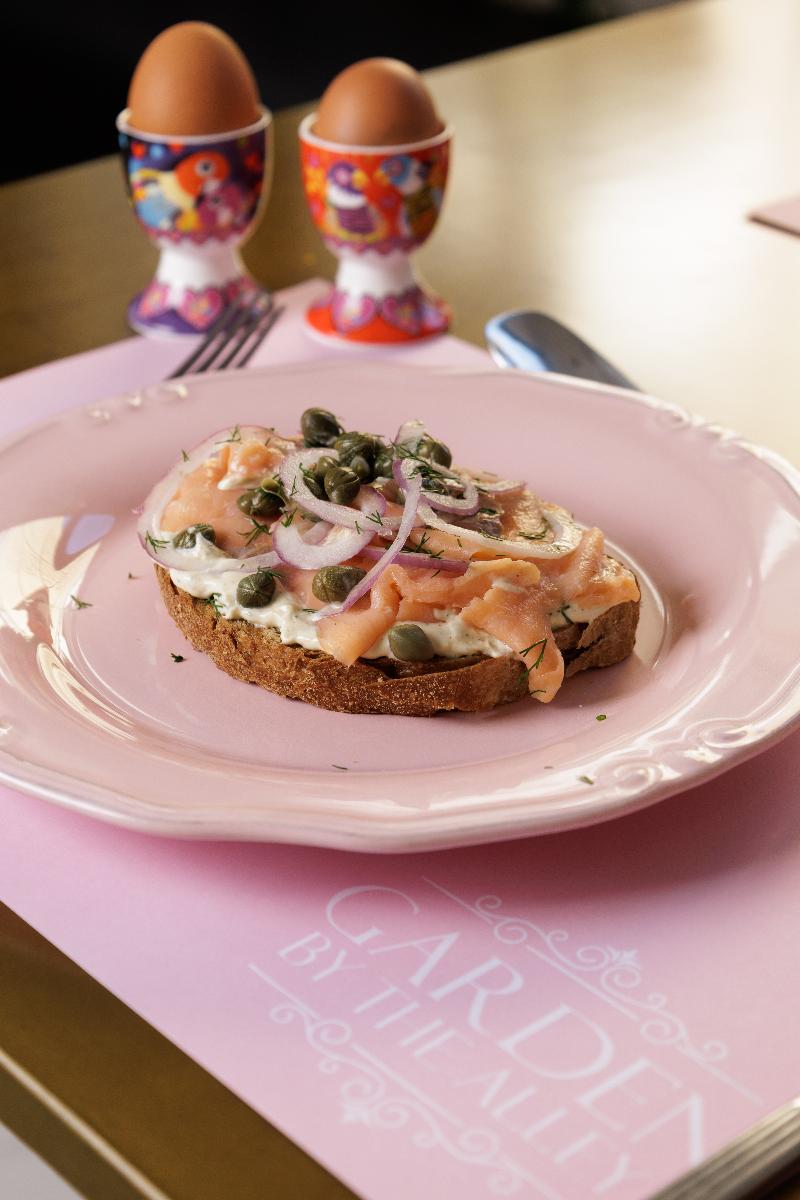
★★★★
Alley Boutique Hotel & Spa
Argostoli
Spa · 18 rooms · Family-friendly
From £74 a night, taxes incl.2 adults · checked 1 Oct, 21:52
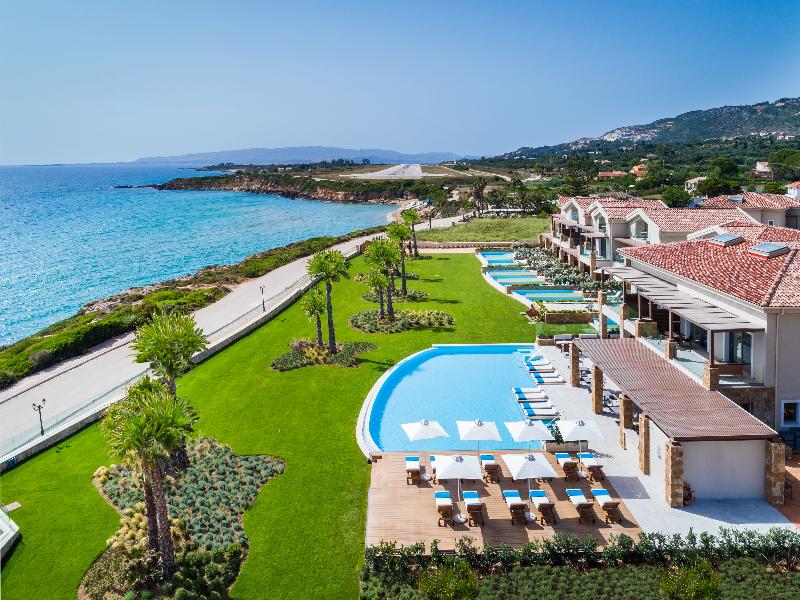
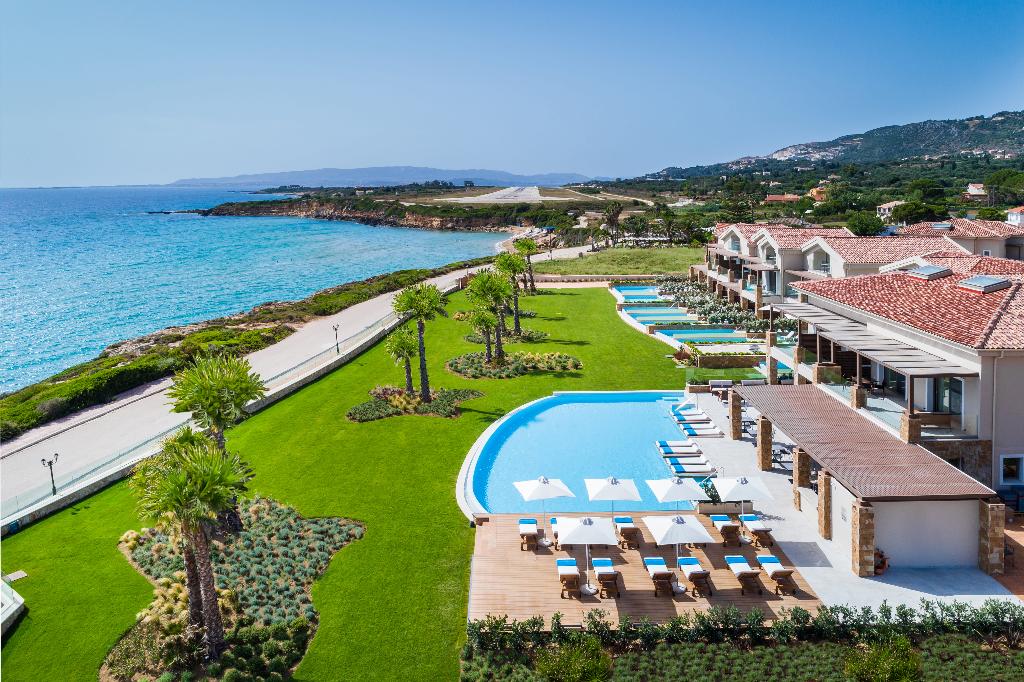
★★★★★
Electra Kefalonia Hotel and Spa
Svoronata
Spa · Pool · 34 rooms
See prices and rooms →

★★★★
Argile Resort & Spa
Lixouri
Beach 50 m · Pool · Family-friendly
See prices and rooms →
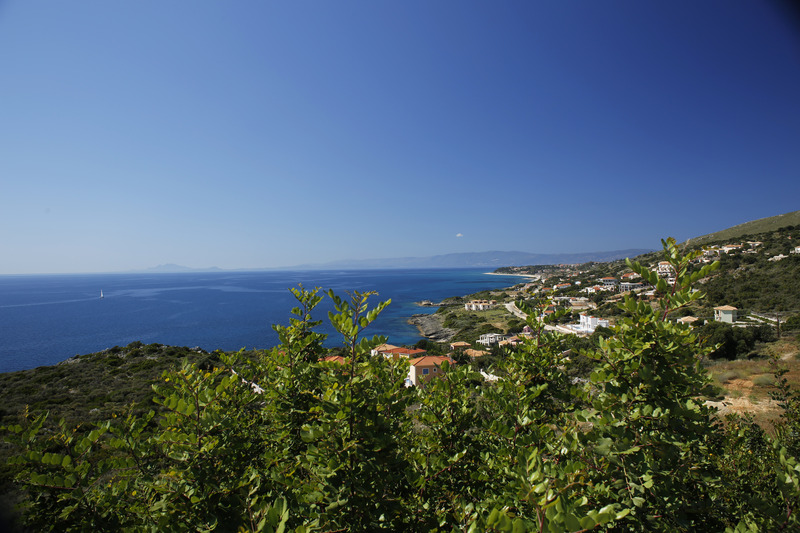
★★★★
Asteris
Skala
Beach 800 m · Pool · Family-friendly
See prices and rooms →
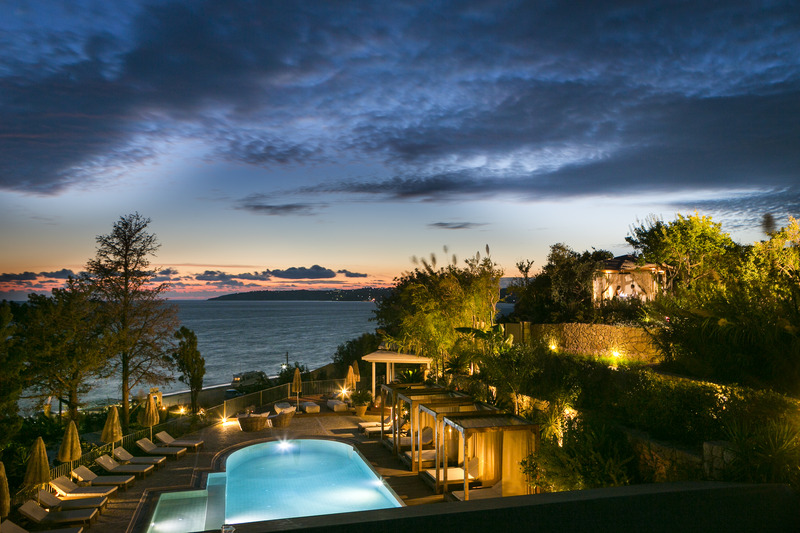
★★★★★
F Zeen
Kefalonia
Beach 50 m · Adults only · Spa
See prices and rooms →
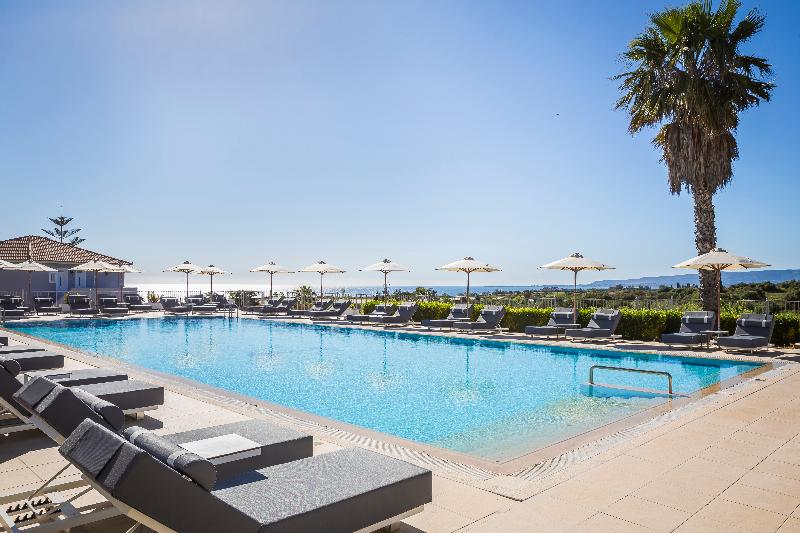
★★★★
Astra Village
Kefalonia
Beach 150 m · All-inclusive option · Spa
See prices and rooms →
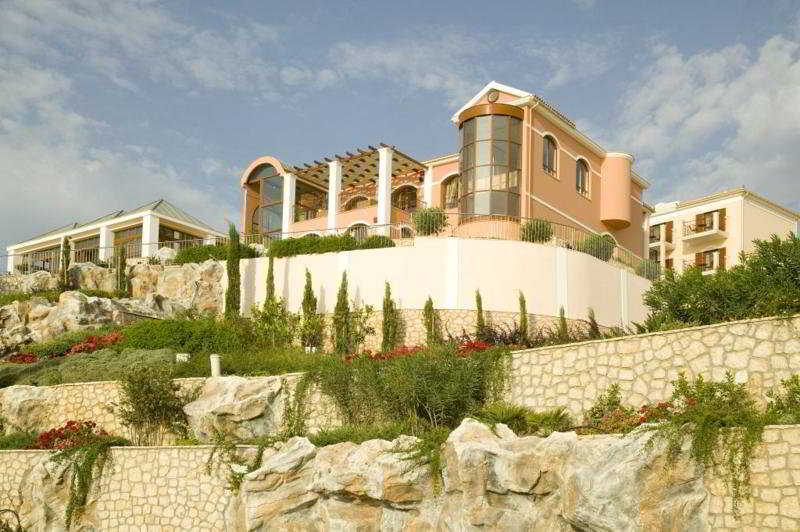
★★★★★
Regina dell Acqua Resort
Skala Kefalonia
Spa
See prices and rooms →
Getting around
Buses link the main towns but a hire car is the most practical way to reach beaches, caves and villages. Roads are mountainous and can be narrow, so allow extra time, and fill up with fuel in the main towns. Small ferries link the island with Ithaca and nearby islands.
When to go
May to early October is the season for swimming, and June and September give warm sea with fewer people. Spring is green and good for walking, and Mount Ainos can be cool even in summer. Many tavernas and boat trips close from November.
Questions about visiting Kefalonia
- What is Kefalonia best known for?
- Its white pebble beaches, especially Myrtos, the Melissani and Drogarati caves, harbour villages like Fiskardo and Assos, and the film Captain Corelli’s Mandolin.
- Is Kefalonia worth visiting?
- Yes. It has some of the most spectacular beaches and scenery in the Ionian Sea, with a relaxed, authentic feel and plenty of room to explore.
- What is there to do in Kefalonia with kids?
- Melissani and Drogarati caves, shallow beaches such as Xi and Antisamos, and boat trips are all popular with children.
- How many days do you need in Kefalonia?
- A week lets you cover the main beaches, caves and villages at a relaxed pace. Four or five days is enough for the highlights.
- Do you need a car in Kefalonia?
- Almost certainly. The best sights are spread across the island, and buses are limited, so a hire car gives you the most freedom.
More guides
- Where to stay in Kefalonia
- The best things to do in London
- The best things to do in Edinburgh
- The best things to do in Amsterdam
- The best things to do in Barcelona
- The best things to do in Budapest
- The best things to do in Dublin
- The best things to do in Krakow
- The best things to do in Prague
- The best things to do in Berlin
- The best things to do in Lisbon
- The best things to do in Milan
- The best things to do in Paris
- The best things to do in Rome