

Kenya is where the word safari comes from, and it still does the thing better than almost anywhere. Lions on the open plains, elephants beneath the snows of Kilimanjaro, flamingos on a soda lake, rhinos in a sanctuary: all of it on a single trip, with comfortable lodges at the end of each day and a tropical beach to finish.
The country is bigger than it looks, so decide what matters. A first safari usually means the Maasai Mara and perhaps Amboseli or Lake Nakuru, with Nairobi as the gateway. Add Samburu for species you won't see in the south, or finish on the Indian Ocean coast at Diani or Watamu, where the water is warm and the Swahili culture is strong.
Don't miss
Safari
The parks and reserves that make Kenya.
Maasai Mara
Wildlife

Photo: Volodymyr Burdiak, CC BY-SA 4.0 Kenya's most famous reserve is rolling savannah dotted with acacia and alive with lions, cheetahs, leopards, elephants and giraffes. From roughly July to October, huge herds of wildebeest and zebra cross the Mara River in the Great Migration, one of the world's great wildlife spectacles.
Game drives at dawn and dusk give the best sightings. Some camps also offer a sunrise hot-air balloon flight over the plains.
Tip: Book camps well ahead for migration season, and treat the exact timing of river crossings as unpredictable.
Amboseli National Park
Wildlife

Photo: Ninaras, CC BY 4.0 Known for large herds of elephants and for the view of Mount Kilimanjaro, rising across the border in Tanzania, which dominates the horizon on clear mornings. Swamps and open plains make it easy to see animals, and the photographs write themselves.
Tip: Kilimanjaro is often hidden by cloud later in the day, so be out at sunrise.
Samburu National Reserve
Wildlife

Photo: "Daniel Fafard (Dreamdan)", CC BY-SA 3.0 In the hot, dry north, Samburu has species you won't see in the south, including the reticulated giraffe, Grevy's zebra, Beisa oryx, the gerenuk and the Somali ostrich, grouped as the Samburu Special Five. The Ewaso Ng'iro river draws elephants and big cats, and the landscape is wild and rocky.
Lake Nakuru National Park
Wildlife

Photo: Syllabub, CC BY-SA 3.0 A soda lake ringed by woodland, grassland and cliffs, famed for flamingos when conditions suit them, and a refuge for both black and white rhinos. The park is compact, easy to cover in a day and a good first stop on the way to or from the Mara.
Tsavo East and Tsavo West
Wildlife

Photo: Byrdyak, CC BY-SA 4.0 Kenya's biggest national parks, two vast areas of bush and volcanic hills inland from the coast. Elephants here are often tinted red by the local earth. The parks combine well with a beach holiday, and are reached by road or air from Mombasa and Diani.
Laikipia and Mount Kenya
Ol Pejeta Conservancy
Wildlife
A large conservancy in Laikipia with a strong conservation focus, home to a big population of rhinos, including the last two northern white rhinos on the planet, protected round the clock. It also has chimpanzees in a sanctuary and a good range of plains game.
Mount Kenya
Nature

Photo: Ruud Zwart, CC BY-SA 2.5 nl Africa's second-highest mountain is an extinct volcano with glaciers on its peaks, a UNESCO World Heritage Site ringed by forest and moorland. Trekkers climb to Point Lenana over several days, while visitors on a lodge stay enjoy the views and forest walks.
Tip: The summit is a multi-day trek, so go with an experienced operator and allow time to adjust to altitude.
Nairobi
Nairobi National Park
Wildlife

Photo: This Photo was taken by Timothy A. Gonsalves. Feel free to use my photos, but pl, CC BY-SA 4.0 The only national park in the world bordering a capital city. Lions, giraffes, zebras and rhinos roam the grassland while skyscrapers sit on the skyline. It's an easy half-day game drive on a layover, and a good way to ease into a safari.
David Sheldrick Wildlife Trust
Wildlife
A well-known conservation charity that rescues and raises orphaned baby elephants and rhinos in Nairobi, then returns them to the wild. Visitors can see the orphans at their daily mud bath and learn how the rescue and rehabilitation works.
Tip: Visits are timed and limited, so check the arrangements and book ahead.
Karen Blixen Museum
Museum

Photo: Alexander Leisser, CC BY-SA 4.0 The farmhouse in the leafy suburb of Karen was the home of the Danish author Karen Blixen, who wrote about her life in Kenya in Out of Africa. The house is furnished as it was in her day, with gardens and views towards the Ngong Hills.
The coast
Diani Beach
Beach

Photo: FredD, CC BY-SA 3.0 A long stretch of powder-white sand south of Mombasa, fringed with palms and bathed in warm, clear water. A coral reef offshore keeps the sea calm, and the beach has a relaxed mix of resorts, cafés, water sports and kitesurfing. It's the standard way to end a safari.
Watamu Marine National Park
Nature

Photo: Queen Asali, CC BY 4.0 Part of a protected marine area near Malindi, Watamu has coral gardens, sea turtles and calm, turquoise bays. Snorkel or take a glass-bottom boat over the reef at low tide, then walk back along a quiet beach.
Fort Jesus
Landmark
A great coral-stone Portuguese fort overlooking the harbour at Mombasa, built in the late sixteenth century and a UNESCO World Heritage Site. Walk the ramparts, visit the museum and then lose an afternoon in the narrow lanes of Mombasa's Old Town.
Gede Ruins
Landmark

Photo: Jeffmugendi, CC BY-SA 4.0 In a forest near Watamu, the ruins of a medieval Swahili town, with mosques, a palace and houses overgrown with trees, were abandoned centuries ago. The setting is atmospheric, and monkeys and birds add to the mood.
Eat and drink
Nyama choma
Food

Photo: safaritravelplus, CC0 Kenya's national feast: goat or beef grilled over charcoal and served in chunks, with a pile of salt and kachumbari, a fresh tomato and onion salad. It's a social meal eaten with friends and a cold Tusker beer. Go where the locals queue.
Swahili coast cooking
Food
Along the coast, the food reflects centuries of trade across the Indian Ocean. Look for fish and prawns in coconut sauce, spiced pilau rice, biryani and sweet, sticky mandazi. Eat at small beach restaurants and let the daily catch decide.
Where to stay in Kenya
Not sure which area suits you? Read our guide: Where to stay in Kenya →
★★★★
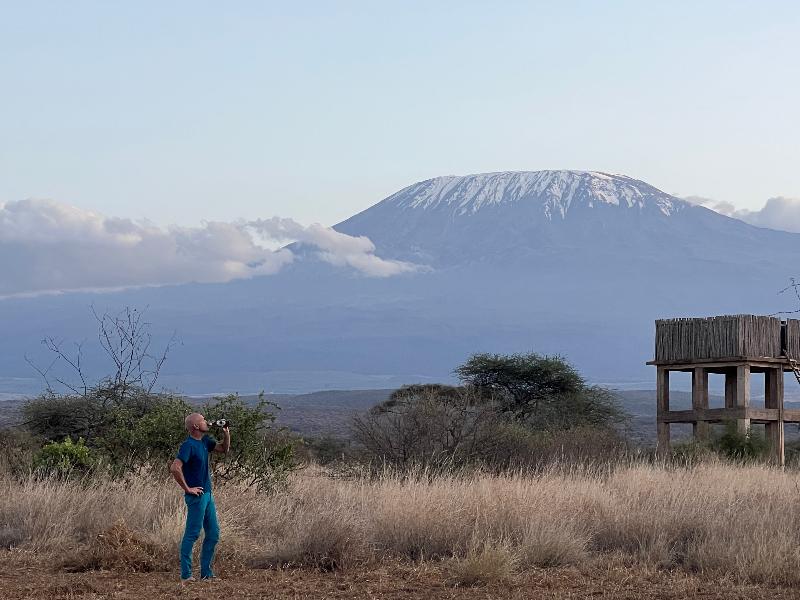
Aa Lodge Amboseli
Amboseli
Spa · Pool · 78 rooms
See prices and rooms →

★★★★
Acacia Premier Hotel
Kisumu
Spa · Pool · Parking
See prices and rooms →
★★★★★
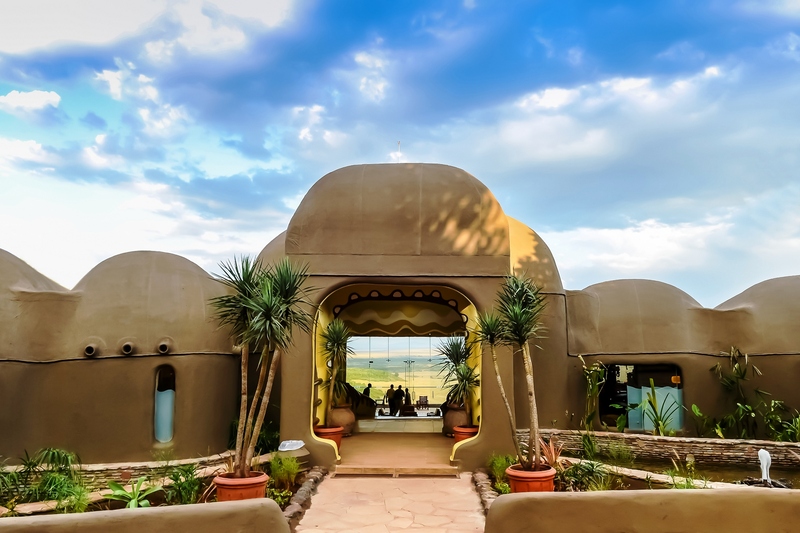
Mara Serena Safari Lodge
Maasai Mara Game Reserve
Spa · Pool · Parking
See prices and rooms →
★★★★
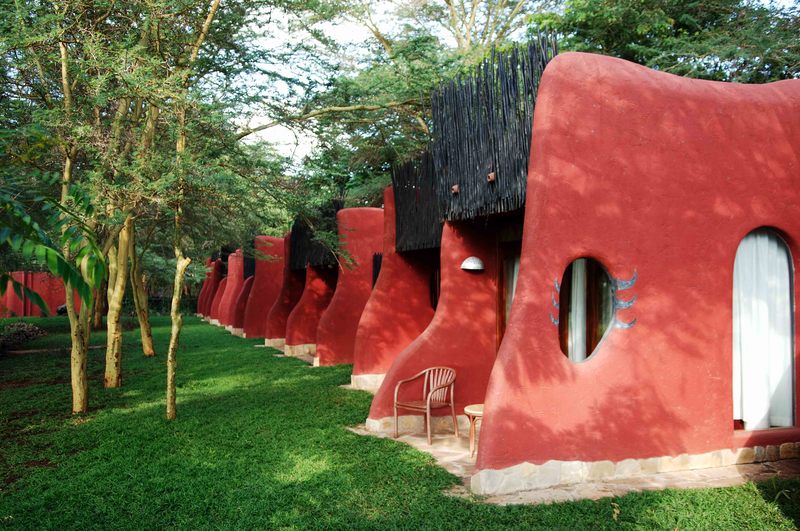
Amboseli Serena Safari Lodge
Amboseli National Park
Spa · Pool · Family-friendly
See prices and rooms →
★★★★
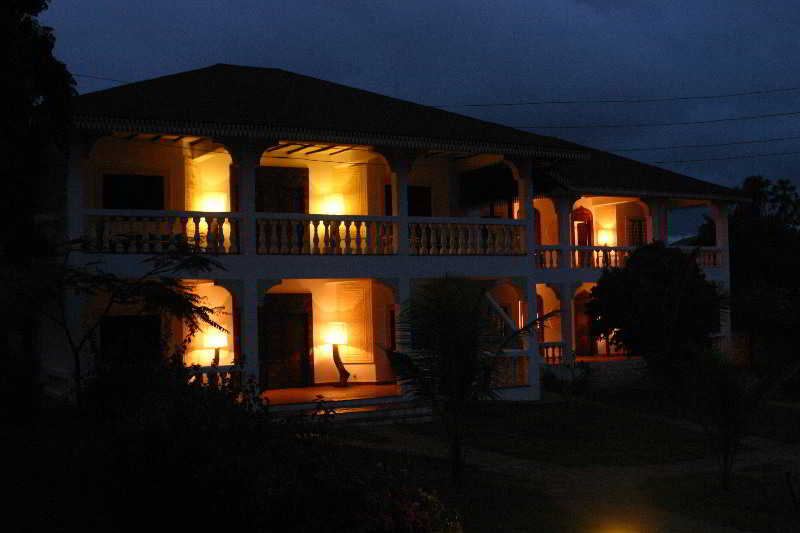
Aquarius Beach Resort
Watamu
Beach 200 m · Spa · 80 rooms
See prices and rooms →
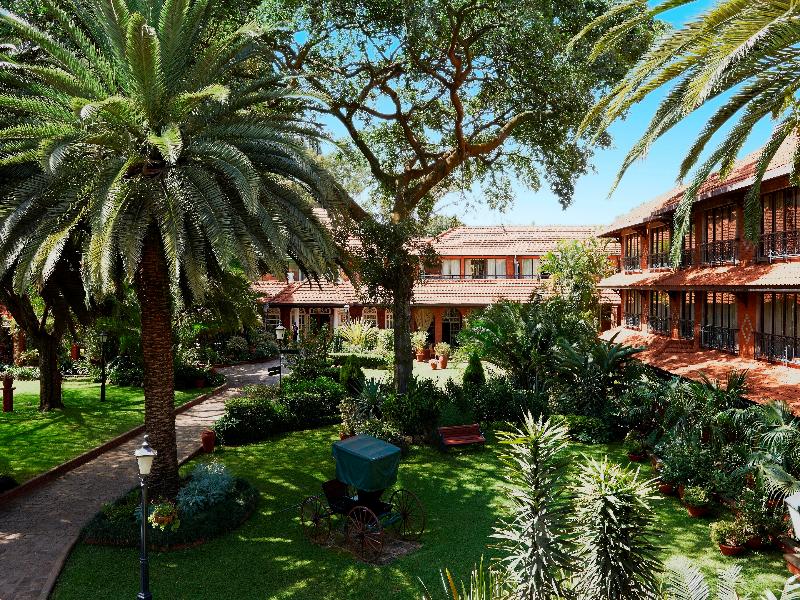
★★★★★
Fairmont The Norfolk
Nairobi
Spa · Pool · Parking
From £168 a night, taxes incl.2 adults · checked 1 Oct, 21:38
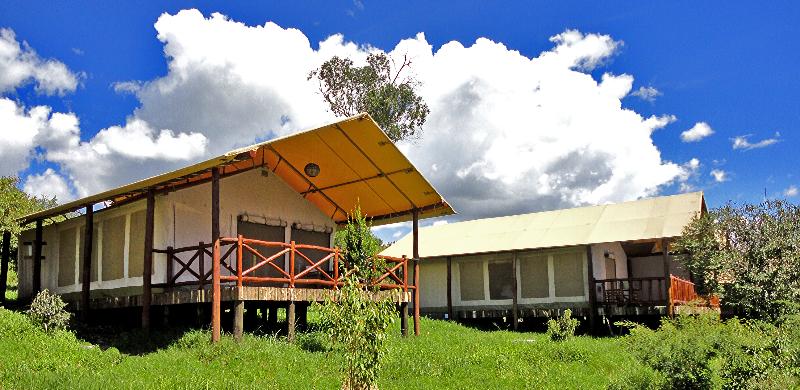
★★★★
Ashnil Mara Camp
Narok
Pool · 56 rooms · Parking
See prices and rooms →
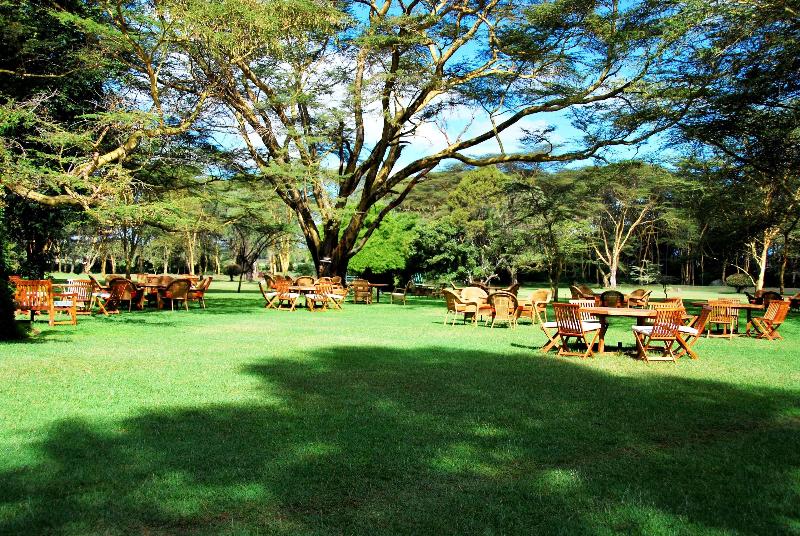
★★★★★
Muthu Lake Naivasha Country Club, Naivasha
Naivasha
Spa · Pool · Parking
See prices and rooms →
Getting around
Most visitors fly between parks on small planes or travel by road with a safari company, which handles the driving and the guiding. Roads outside Nairobi can be slow and rough, so allow time. Between Nairobi and the coast, there's a train and plenty of domestic flights.
When to go
The long dry season, from about June to October, is the best time for wildlife, with the Great Migration in the Mara at its peak. January and February are also dry and good. The long rains fall roughly from March to May, when roads are muddy and many camps are quieter.
Questions about visiting Kenya
- What is Kenya best known for?
- Safaris and wildlife, especially the Maasai Mara and the Great Migration, as well as Amboseli, Samburu, Mount Kenya and the beaches of the Indian Ocean coast.
- Is Kenya worth visiting?
- Yes. Few countries combine world-class wildlife, varied landscapes and tropical beaches so easily, and the lodges and camps are very well run.
- What is there to do in Kenya with kids?
- Game drives in Nairobi National Park and Lake Nakuru, the elephant orphans in Nairobi, and a beach holiday at Diani or Watamu are all popular with families. Many lodges have age limits for game drives, so check before you book.
- How many days do you need in Kenya?
- A week gives you time for Nairobi and one or two parks. Ten days to two weeks lets you add a second region, such as Samburu, or a few days on the coast.
- Do you need a car in Kenya?
- Not for a safari. Most visitors use a safari operator with a driver-guide, or fly between camps, and taxis or ride-hailing work within Nairobi and the coast.
More guides
- Where to stay in Kenya
- The best things to do in London
- The best things to do in Edinburgh
- The best things to do in Amsterdam
- The best things to do in Barcelona
- The best things to do in Budapest
- The best things to do in Dublin
- The best things to do in Krakow
- The best things to do in Prague
- The best things to do in Berlin
- The best things to do in Lisbon
- The best things to do in Milan
- The best things to do in Paris
- The best things to do in Rome