

Kuala Lumpur grew from a muddy tin-mining camp into a city of skyscrapers in little more than a century, and it still has the energy of somewhere in a hurry. Glass towers rise over Moorish domes, Chinese shophouses and Hindu temples, and the call to prayer drifts across streets where the air smells of charcoal and satay.
What makes KL special is the mix. Malay, Chinese and Indian cultures share the city, and you taste all three within a few steps of each other, usually for very little money. Add a rainforest canopy walk in the centre and a cave temple on the doorstep, and two or three days fill themselves.
Don't miss
The big sights
Petronas Twin Towers
Landmark

Photo: CEphoto, Uwe Aranas, CC BY-SA 3.0 The 88-storey pair of steel and glass towers that put KL on the map, and still the tallest twin towers in the world. Their floor plan is based on an Islamic eight-pointed star, and a skybridge links them partway up. Visits take in the bridge and an observation deck near the top.
The best free view is from the KLCC Park at their feet, where fountains play in the lake after dark and the towers glow silver above the trees.
Tip: Tickets for the skybridge and observation deck are timed and limited, so book ahead.
Batu Caves
Landmark

Photo: Jorge Láscar from Melbourne, Australia, CC BY 2.0 A limestone hill on the northern edge of the city, riddled with caves that hold one of the most important Hindu shrines outside India. A towering golden statue of Lord Murugan stands at the foot of 272 steps painted in rainbow colours, which climb to a cathedral-sized cavern open to the sky.
It is an active place of worship, at its busiest during the Thaipusam festival early in the year.
Tip: Cover shoulders and knees, go early before the heat, and keep food and drinks out of sight of the resident monkeys.
KL Tower
Landmark
Menara Kuala Lumpur is a slender telecommunications tower standing on a forested hill, which gives its observation deck a view that rivals the Petronas Towers, with the towers themselves in the picture. At its base is the KL Forest Eco Park, a pocket of original rainforest with a canopy walkway.
Merdeka Square
Landmark

Photo: Unknown, CC0 The green where the Malayan flag was first raised at independence in 1957. Along one side runs the Sultan Abdul Samad Building, a long colonial-era fantasy of copper domes, arches and a clock tower. A short walk away, Masjid Jamek sits at the meeting of the two rivers where the city began.
Thean Hou Temple
Landmark

Photo: Alexey Komarov, CC BY-SA 4.0 A six-tiered Chinese temple on a hilltop south of the centre, dedicated to the sea goddess Mazu. Red pillars, sweeping gold roofs and hundreds of hanging lanterns make it one of the most photogenic spots in the city, and the terraces look back towards the skyline.
Museums and gardens
Islamic Arts Museum Malaysia
Museum

Photo: Chainwit., CC BY-SA 4.0 A calm, light-filled museum holding one of the finest collections of Islamic decorative art in South-East Asia: illuminated Qurans, textiles, jewellery, ceramics and beautiful scale models of the great mosques of the world. The building itself, with its tiled domes, is part of the pleasure. Ideal for the hottest hours of the day.
Perdana Botanical Gardens
Nature

Photo: Renek78, CC0 The city's oldest and largest park, a sweep of lawns, lake and tropical planting on the western side of the centre. Within and around it are an orchid garden, a butterfly park and the KL Bird Park. It is where to come when the traffic gets too much.
Neighbourhoods and markets
Petaling Street
Market

Photo: IQRemix, CC BY-SA 2.0 The covered main street of Chinatown is a crush of stalls selling watches, bags and T-shirts, most of them cheerfully fake. The real reasons to come are in the lanes around it: old coffee shops, noodle stalls, street art, and the ornate Sri Mahamariamman Temple, the oldest Hindu temple in the city.
Central Market
Market

Photo: Wiki Farazi, CC0 A sky-blue Art Deco market hall near Chinatown, once the city's wet market and now given over to Malaysian crafts: batik, pewter, wood carving and kites. It is air-conditioned, easy to browse and a sensible place to buy presents.
Bukit Bintang
Neighbourhood
KL's shopping and entertainment district, where giant malls line up along one buzzing street. Come for air-conditioned browsing by day and bars and street life by night. A covered walkway links it to the Petronas Towers, which is welcome in the afternoon heat or a downpour.
Kampung Baru
Neighbourhood
A traditional Malay village that has somehow survived in the shadow of the towers. Wooden houses on stilts stand in gardens of banana and coconut palms with the skyline looming straight behind. Evening is the time to visit, when the food stalls set up and the contrast is at its sharpest.
Eat and drink
Jalan Alor
Food

Photo: Alexander Synaptic, CC BY-SA 4.0 As the sun goes down, this street behind Bukit Bintang fills with plastic tables, smoke and noise. Restaurants and hawker stalls line both sides, grilling satay, chicken wings and seafood, frying noodles and piling up tropical fruit. It is touristy, but it is still the most enjoyable introduction to eating in KL.
Nasi lemak
Food

Photo: Jpatokal, CC BY-SA 4.0 Malaysia's national dish: rice cooked in coconut milk, served with spicy sambal, crisp fried anchovies, peanuts, cucumber and a boiled egg, often with fried chicken or beef rendang alongside. Traditionally it is breakfast, wrapped in a banana leaf, but KL eats it at every hour.
Day trips
Melaka
Day trip

Photo: Marcin Konsek, CC BY-SA 4.0 A historic port city to the south, shaped by Malay sultans and then Portuguese, Dutch and British rule, and now a UNESCO World Heritage Site. See the red Dutch Square, the hilltop ruins of St Paul's Church and the antique shops and weekend night market of Jonker Street.
Putrajaya
Day trip

Photo: Iamsantanubose, CC BY-SA 4.0 Malaysia's purpose-built administrative capital, south of KL, is a planned city of grand boulevards, bridges and government buildings around a man-made lake. The star is the rose-pink Putra Mosque on the water's edge. It makes an easy half day.
Where to stay in Kuala Lumpur
Not sure which area suits you? Read our guide: Where to stay in Kuala Lumpur →

★★★★
AC Hotel Kuala Lumpur
Kuala Lumpur
Pool · Parking
See prices and rooms →

★★★★
Aloft Kuala Lumpur Sentral
Kuala Lumpur
Pool · Family-friendly · Parking
From £97 a night, taxes incl.2 adults · checked 14 Nov, 08:22
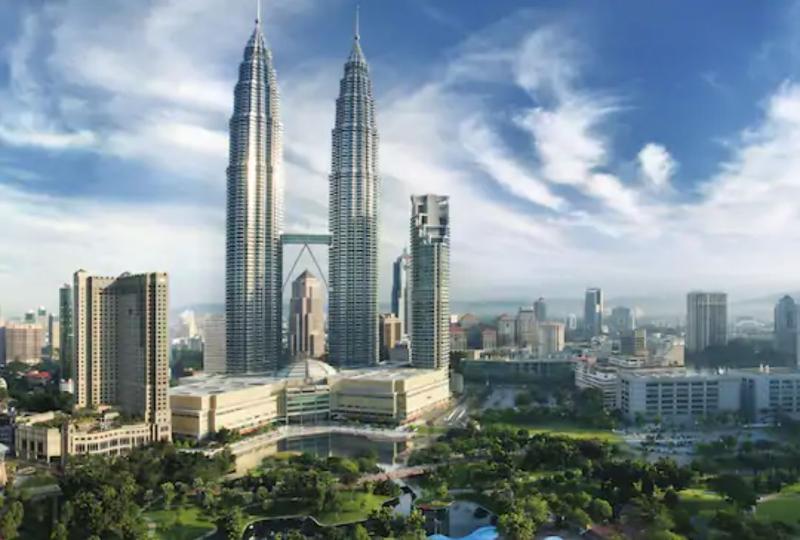
★★★★★
Mandarin Oriental Kuala Lumpur
Kuala Lumpur
Spa · Pool · Parking
From £168 a night, taxes incl.2 adults · checked 14 Nov, 08:22
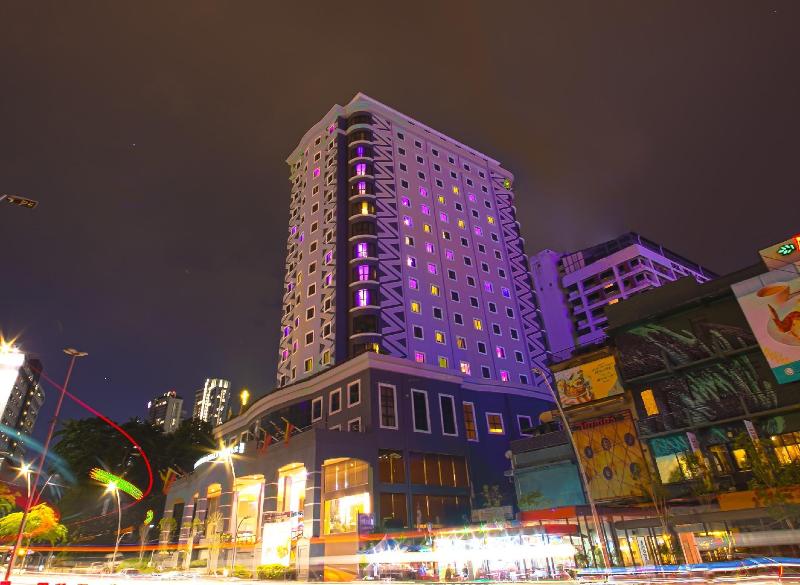
★★★★
AnCasa Hotel Kuala Lumpur
Kuala Lumpur
Parking
From £44 a night, taxes incl.2 adults · checked 14 Nov, 08:22
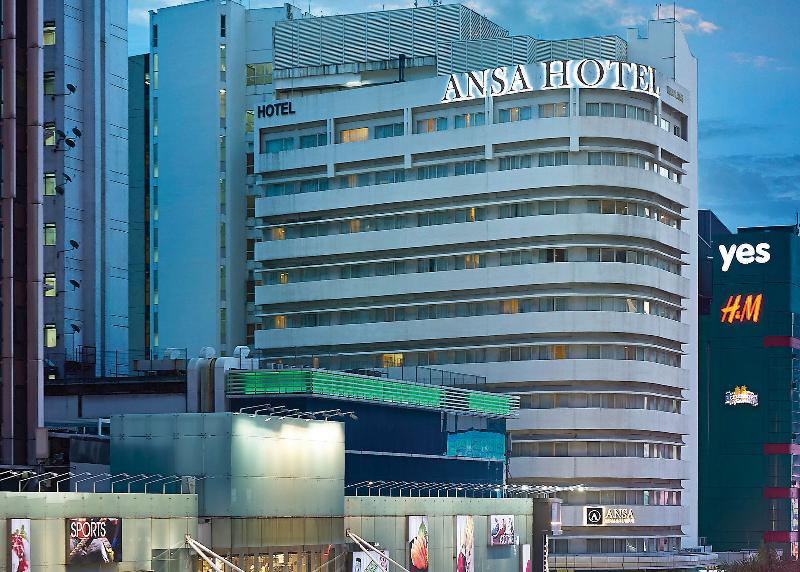
★★★★
ANSA Kuala Lumpur
Wilayah Persekutuan
Spa · Parking
From £103 a night, taxes incl.2 adults · checked 14 Nov, 08:22

★★★★★
Grand Millennium Kuala Lumpur
Kuala Lumpur
Spa · Pool · Parking
From £116 a night, taxes incl.2 adults · checked 14 Nov, 08:22
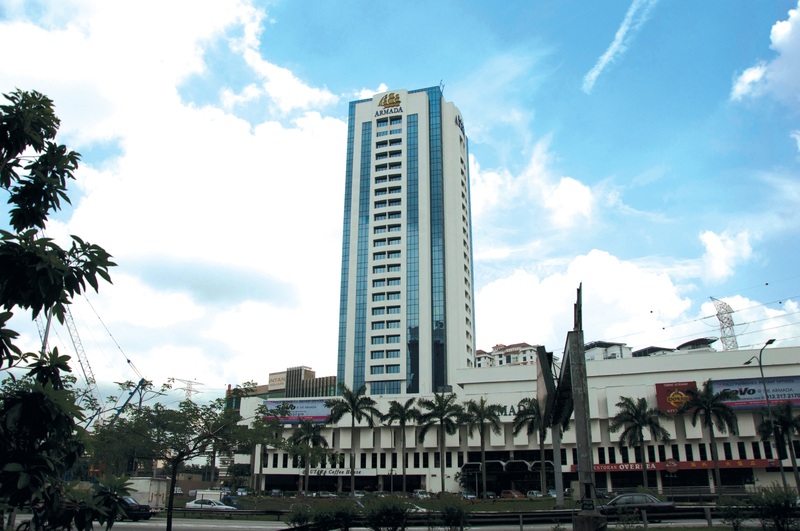
★★★★
Armada Petaling Jaya
Selangor Darul Ehsan
Parking
From £65 a night, taxes incl.2 adults · checked 14 Nov, 08:22

★★★★★
Shangri-La Kuala Lumpur
Kuala Lumpur
Spa · Pool · Parking
From £114 a night, taxes incl.2 adults · checked 14 Nov, 08:22
Getting around
The LRT, MRT and monorail cover the main sights, and a commuter train runs out to Batu Caves. Ride-hailing apps are cheap and often the simplest choice, especially in the heat. Walking between districts is harder than the map suggests, so use the covered walkways where they exist.
When to go
KL is hot and humid all year, and rain can fall in any month, usually as a heavy afternoon thunderstorm that clears quickly. There is no bad time to visit: plan sightseeing for the morning and keep a mall or museum in reserve.
Questions about visiting Kuala Lumpur
- What is Kuala Lumpur best known for?
- The Petronas Twin Towers, the Hindu shrine at Batu Caves, huge shopping malls and a street-food scene that mixes Malay, Chinese and Indian cooking.
- How many days do you need in Kuala Lumpur?
- Two to three days covers the towers, Batu Caves, Chinatown and Merdeka Square, with time to eat well. Add a day for Melaka.
- Is Kuala Lumpur worth visiting?
- Yes. It is good value, easy to get around, full of excellent food and a natural stopover between Europe and the rest of South-East Asia or Australia.
- What is there to do in Kuala Lumpur with kids?
- The fountains and playground at KLCC Park, the canopy walk at KL Forest Eco Park, the bird park in the botanical gardens and the rainbow steps of Batu Caves are all good with children.
More guides
- Where to stay in Kuala Lumpur
- The best things to do in London
- The best things to do in Edinburgh
- The best things to do in Manchester
- The best things to do in York
- The best things to do in Amsterdam
- The best things to do in Birmingham
- The best things to do in Liverpool
- The best things to do in Bristol
- The best things to do in Barcelona
- The best things to do in Budapest
- The best things to do in Cambridge
- The best things to do in Dublin
- The best things to do in Krakow