

Lisbon tumbles down seven hills to the broad Tagus estuary, a city of tiled facades, creaking yellow trams and viewpoints that stop you in your tracks. It's sunny, relaxed and full of character: one moment you're lost in the medieval lanes of Alfama, the next you're in a grand riverside square rebuilt after the great earthquake of 1755, or watching the sun sink behind the red suspension bridge.
Wear good shoes, as the hills and slippery cobbles are relentless, and let the trams, funiculars and the odd lift do some of the climbing. Spend a day in Belém for the monuments and the custard tarts, keep your evenings for fado and Bairro Alto, and don't leave without a day in the fairy-tale hills of Sintra.
Don't miss
The big sights
Hills, trams and views over the river.
Alfama and São Jorge Castle
Neighbourhood

Photo: Jakub Hałun, CC BY 4.0 Lisbon's oldest quarter is a labyrinth of steep lanes, stairways and tiny squares where washing hangs from the balconies and the smell of grilled fish drifts from open doors. Much of it survived the 1755 earthquake, and it still feels like a village.
At the top, the ramparts of São Jorge Castle, a Moorish-era fortress, wrap around the hilltop and give a superb panorama over the rooftops and the river.
Tip: Get lost on purpose: the lanes are too tangled for maps, and that is half the fun.
Tram 28
Activity

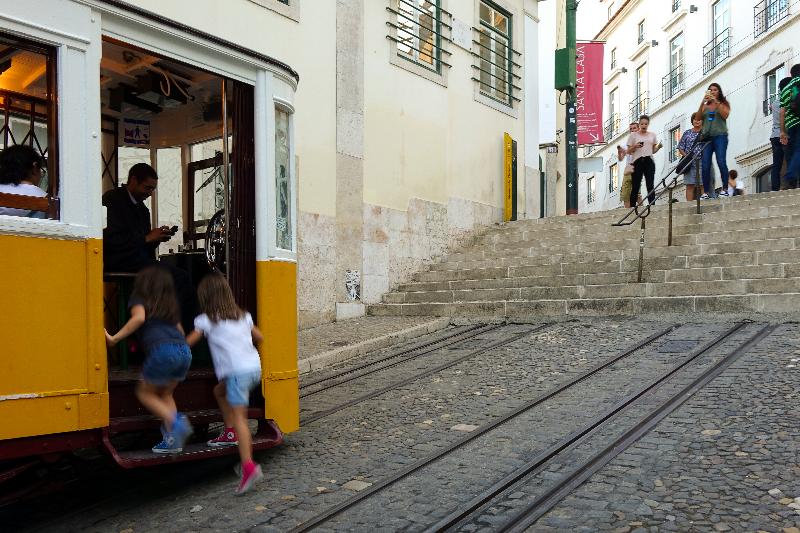
Photo: Ввласенко, CC BY-SA 4.0 The vintage yellow trams of route 28 clatter and squeal through Graça, Alfama, the Baixa and Chiado, squeezing through streets so narrow you could touch the walls. It's a sightseeing tour for the price of a public transport ticket, and a thrill in itself.
Tip: Ride early in the morning from the start at Martim Moniz to get a seat, and keep an eye on your pockets.
Praça do Comércio and the Baixa
Landmark

Photo: Diego Delso, CC BY-SA 3.0 After the earthquake of 1755, the Marquis of Pombal rebuilt the lower town on a neat grid, opening onto this vast arcaded square on the river. Walk through the triumphal arch on Rua Augusta into the Baixa, and ride the ornate iron Santa Justa Lift up to Chiado.
The miradouros
Nature

Photo: Vitor Oliveira from Torres Vedras, PORTUGAL, CC BY-SA 2.0 Lisbon's viewpoints are part of daily life, places to sit with a drink and watch the city turn gold. The Miradouro da Senhora do Monte is the highest, Santa Luzia and Portas do Sol look over Alfama, and São Pedro de Alcântara faces the castle across the valley.
Tip: Pick one for sunset; many have a kiosk selling drinks.
Belém
Monuments to the Age of Discovery, a short tram ride west along the river.
Jerónimos Monastery
Landmark

Photo: NorbertNagel, CC BY-SA 4.0 Built with the riches of the spice trade, this vast UNESCO-listed monastery is the masterpiece of the Manueline style, its stone carved with ropes, sea creatures and exotic plants. The two-storey cloister is breathtaking, and the church holds the tomb of the explorer Vasco da Gama.
Tip: Queues build quickly: buy tickets in advance and go at opening time.
Belém Tower
Landmark

Photo: Diego Delso, CC BY-SA 3.0 A 16th-century fortress on the edge of the Tagus, decorated like a jewel box with turrets, balconies and stone rope-work. It once guarded the harbour from which the explorers set sail; nearby, the huge Monument to the Discoveries juts out over the water.
Neighbourhoods and nights out
Bairro Alto and Chiado
Nightlife
By day, Chiado is elegant Lisbon: old cafés, bookshops and theatres, and a bronze of the poet Fernando Pessoa outside A Brasileira. By night, the grid of narrow streets in the Bairro Alto next door becomes one big party, with crowds spilling out of tiny bars to drink in the street.
Fado
Nightlife
Lisbon's soul music, recognised by UNESCO, is a melancholy song of longing and loss, sung to the twang of the Portuguese guitar. Hear it in an intimate fado house in Alfama or Mouraria, where dinner and a glass of wine come with goosebumps.
Tip: Silence is expected while the fadista sings; save your chatter for the breaks.
LX Factory
Neighbourhood
Beneath the 25 de Abril Bridge, a former industrial complex has been turned into a creative hub of independent shops, restaurants, bars and studios, including a spectacular bookshop in an old printing works. It's at its liveliest at weekends.
Museums and family days out
Gulbenkian Museum
Museum
The oil magnate Calouste Gulbenkian's private collection spans Egyptian antiquities, Islamic ceramics, European painting and René Lalique's Art Nouveau jewellery, displayed in a calm modernist building set in lovely gardens with ponds and shady paths. It's one of Lisbon's most rewarding museums, and never feels crowded.
National Tile Museum
Museum

Photo: Gerda Arendt, CC0 In a former convent east of the centre, the Museu Nacional do Azulejo tells the story of Portugal's famous painted tiles over five centuries. Highlights include a long blue-and-white panorama of Lisbon before the earthquake and a gilded Baroque chapel.
The Oceanarium
Activity
In the modern riverside district of Parque das Nações, Lisbon's aquarium is built around one enormous central tank of sharks, rays and shoals of fish, surrounded by recreated ocean habitats. It's a winner with children.
Eat and drink
Pastéis de nata
Food

Photo: Photo Claude TRUONG-NGOC, CC BY-SA 3.0 Portugal's custard tart is a crisp, flaky pastry case filled with rich egg custard, blistered on top and best eaten warm with a dusting of cinnamon. The most famous come from Pastéis de Belém, near the monastery, which has been baking them to a secret recipe since the 19th century.
Tip: The queue at Pastéis de Belém moves fast, and there are plenty of seats inside.
Time Out Market
Market

Photo: FlyingCrimsonPig, CC BY 2.0 Inside the old Mercado da Ribeira at Cais do Sodré, a food hall of counters run by well-known local chefs and restaurants lets you try a bit of everything, from croquettes and cured ham to seafood and pastries. The traditional fruit and fish market still trades alongside.
Grilled sardines
Food

Photo: Duarte Briz, CC BY-SA 4.0 In summer, sardines sizzle on charcoal grills on every corner, served simply on bread or with potatoes and salad. In June, the Santo António festivities turn the old quarters into one long street party fuelled by sardines and wine.
Round off the night with a ginjinha, sour cherry liqueur, from one of the tiny bars around Rossio.
Day trips
Sintra
Day trip

Photo: Jakub Hałun, CC BY 4.0 In the misty, forested hills west of Lisbon, the UNESCO-listed town of Sintra is crowded with romantic palaces: the candy-coloured Pena Palace on its peak, the ruined Moorish Castle along the ridge, and the mystical gardens and spiralling initiation well of the Quinta da Regaleira.
Tip: Trains run from Rossio station. Book Pena Palace tickets ahead, go early, and use the local buses to climb the hills.
Cascais
Day trip

Photo: Jakub Hałun, CC BY 4.0 The train from Cais do Sodré runs right along the coast to Cascais, a former fishing town turned seaside resort with sandy beaches, a pretty marina and a cliff-top walk to the wave-battered rocks of Boca do Inferno.
Where to stay in Lisbon
Not sure which area suits you? Read our guide: Where to stay in Lisbon →

★★★★
3K Europa
Lisboa
Parking
See prices and rooms →
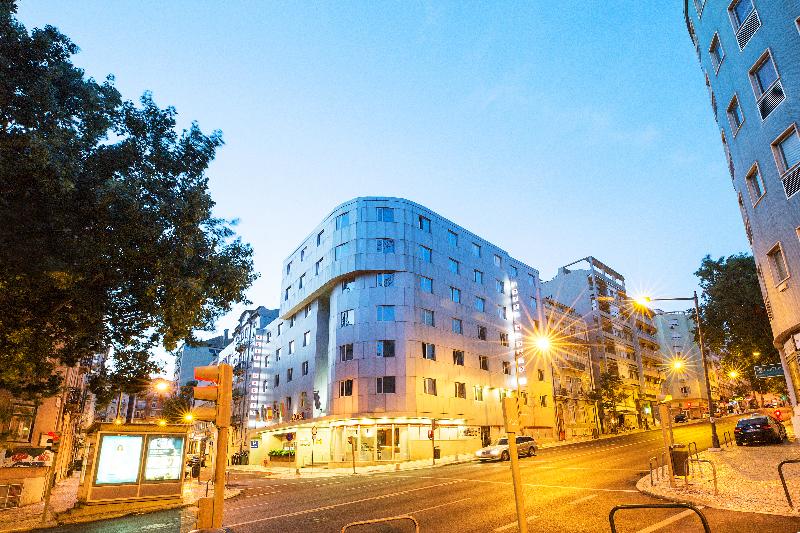
★★★★
3K Madrid
Lisboa
Parking
From £141 a night, taxes incl.2 adults · checked 1 Oct, 18:23

★★★★★
Altis Avenida, member Preferred Hotels & Resorts
Lisboa
Pets allowed · Parking
See prices and rooms →
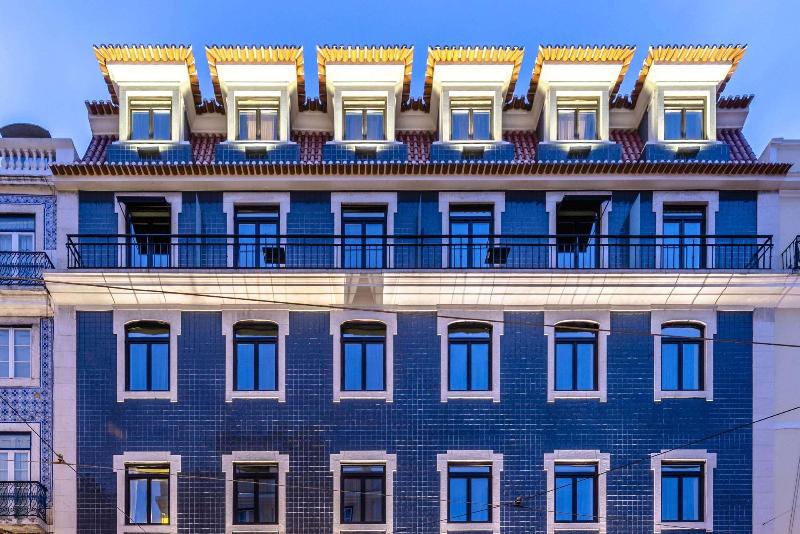
★★★★
9 Hotel Mercy
Lisboa
47 rooms · Pets allowed
From £232 a night, taxes incl.2 adults · checked 1 Oct, 18:23
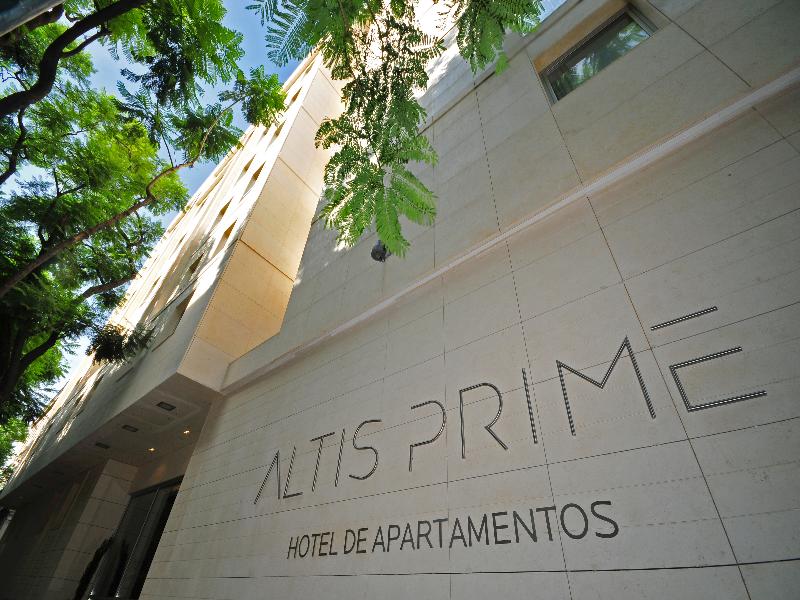
★★★★
Altis Prime Hotel
Lisboa
Pets allowed · Parking
From £273 a night, taxes incl.2 adults · checked 1 Oct, 18:23
★★★★★
The Lumiares
Lisboa
Spa · 52 rooms · Parking
From £656 a night, taxes incl.2 adults · checked 1 Oct, 18:23
★★★★
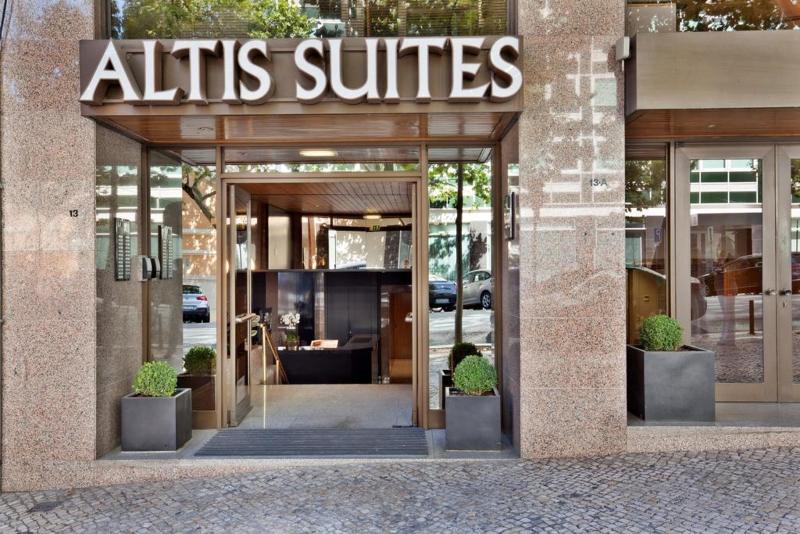
Altis Suites
Lisboa
32 rooms · Parking
See prices and rooms →

★★★★★
Santiago De Alfama - Boutique Hotel
Lisbon
Spa · 19 rooms · Parking
See prices and rooms →
Getting around
The metro is quick and simple, and trams, funiculars and buses handle the hills. Tram 15 runs along the river to Belém. Taxis and ride-hailing apps are plentiful. Trains go to Sintra and Cascais, so you won't need a car unless you're touring further afield.
When to go
Spring and early autumn are perfect: warm, sunny and less crowded. Summer is hot and busy, and June brings the Santo António festivities. Winter is mild but can be wet, and Lisbon is lovely and quiet.
Questions about visiting Lisbon
- What is Lisbon best known for?
- Its hills and viewpoints, vintage trams, the Alfama quarter and São Jorge Castle, the monuments of Belém, fado music and pastéis de nata.
- How many days do you need in Lisbon?
- Three days covers Alfama, the Baixa, Chiado, Bairro Alto and Belém. Add a day for Sintra and another for Cascais and the coast.
- Is Sintra worth a day trip from Lisbon?
- Yes. Its palaces, castle and gardens in the forested hills are among the highlights of Portugal, and trains run regularly from Rossio station.
- Is Lisbon a walkable city?
- Yes, but it is very hilly, with steep cobbled streets. Comfortable shoes are essential, and trams, funiculars and the Santa Justa Lift help with the climbs.
More guides
- Where to stay in Lisbon
- The best things to do in London
- The best things to do in Edinburgh
- The best things to do in Amsterdam
- The best things to do in Barcelona
- The best things to do in Budapest
- The best things to do in Dublin
- The best things to do in Krakow
- The best things to do in Prague
- The best things to do in Berlin
- The best things to do in Milan
- The best things to do in Paris
- The best things to do in Rome
- The best things to do in Madrid