
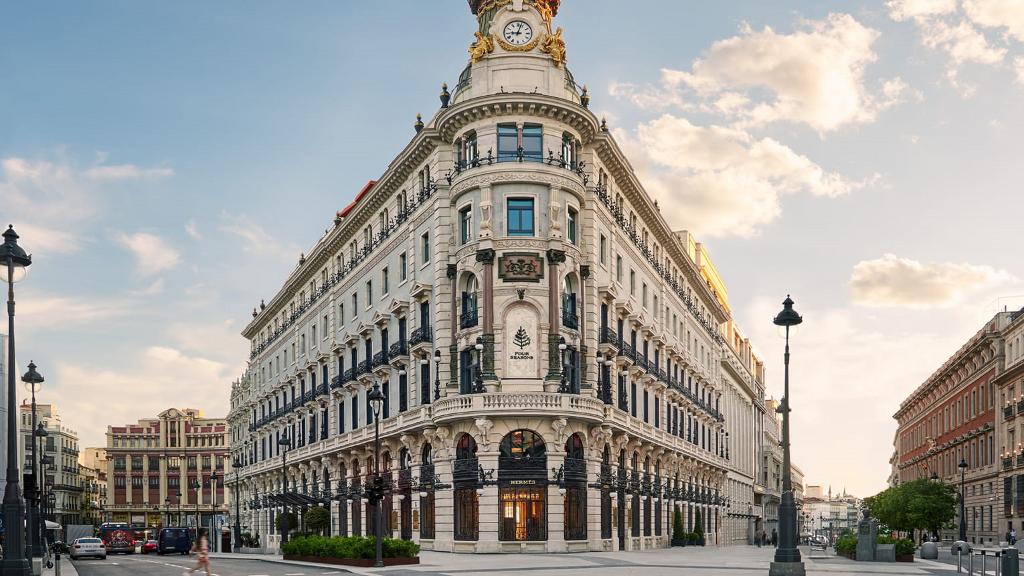
Madrid doesn't do the slow reveal. Within a mile of Puerta del Sol you have three of Europe's great art collections, a royal palace built to outshine Versailles, a park the size of a small town and more tapas bars than anyone could crawl in a lifetime. Then the sun goes down, the city has a late lunch-sized dinner at ten, and the streets of La Latina and Malasaña fill up until the small hours.
It is a compact, walkable city with an excellent metro, and it sits at the hub of Spain's high-speed rail network. That makes Toledo, Segovia and El Escorial easy day trips, so a long weekend can take in both the capital and the castles of Castile.
Don't miss
The art triangle
Three world-class galleries within a few minutes of each other on the Paseo del Prado.
Museo del Prado
Museum

Photo: Emilio J. Rodríguez Posada, CC BY-SA 2.0 Spain's national gallery is one of the finest collections of European painting anywhere. This is where you stand in front of Velázquez's Las Meninas, Goya's haunting Black Paintings, El Greco's elongated saints and Bosch's wildly strange Garden of Earthly Delights, as well as rooms of Titian, Rubens and Rembrandt.
It is enormous, so don't try to see it all. Pick a few rooms, give Velázquez and Goya the time they deserve, and come back another day if you're hooked.
Tip: Book a timed ticket online to skip the queue, and pick up the free floor plan that marks the masterpieces.
Museo Reina Sofía
Museum
Madrid's modern art museum, opposite Atocha station, is home to Picasso's Guernica, his huge black-and-white howl against the bombing of a Basque town during the Spanish Civil War. Seeing it in person is a genuine jolt. The rest of the collection is strong on Dalí, Miró and the Spanish avant-garde.
Museo Thyssen-Bornemisza
Museum
The third corner of the triangle is a private collection that fills in everything the other two leave out: Italian primitives, Dutch masters, the Impressionists, German Expressionists and American pop art, all in a manageable, beautifully hung palace. It is the one to choose if you only have a couple of hours.
Royal Madrid
Palacio Real
Landmark

Photo: Carlos Delgado, CC BY-SA 3.0 The Royal Palace is one of the largest palaces in Europe, a vast white-stone statement of Bourbon power on a bluff above the Manzanares. The royal family lives elsewhere these days, but the palace is still used for state occasions, and the tour takes you through dazzling throne rooms, frescoed ceilings and the royal armoury.
Outside, the formal Sabatini Gardens and the shadier Campo del Moro are free to wander, and the Almudena Cathedral faces the palace across the parade ground.
Tip: Buy tickets online in advance. The palace can close at short notice for official events, so check before you go.
Plaza Mayor
Landmark

Photo: Carlos Delgado, CC BY-SA 3.0 Madrid's grand 17th-century square is a perfect arcaded rectangle of red-washed buildings, with an equestrian statue of Philip III in the middle and painted murals on the Casa de la Panadería. Over the centuries it has hosted bullfights, coronations and the Inquisition's trials; today it is café tables and street performers.
Tip: Admire it, then eat elsewhere: the terraces here are about the view. In December the square fills with a Christmas market.
Templo de Debod
Landmark

Photo: Diego Delso, CC BY-SA 4.0 Yes, that is a genuine ancient Egyptian temple in the middle of Madrid. Egypt gave it to Spain in thanks for helping to save the Nubian monuments threatened by the Aswan High Dam, and it was rebuilt stone by stone on a hilltop park west of Plaza de España.
Come at sunset, when the temple glows against the sky and the view stretches over the palace to the Casa de Campo.
Parks, markets and neighbourhoods
El Retiro
Nature

Photo: Diego Delso, CC BY-SA 4.0 Madrid's great green lung was once a royal retreat and is now everyone's back garden. Hire a rowing boat on the big lake beneath the colonnaded monument to Alfonso XII, find the glass-and-iron Palacio de Cristal reflected in its pond, and join the Sunday crowds of joggers, puppeteers and families.
Together with the Paseo del Prado, the park is a UNESCO World Heritage Site.
El Rastro
Market
Every Sunday morning the streets of La Latina, especially the steep Ribera de Curtidores, turn into Madrid's famous flea market. Expect a happy jumble of antiques, vintage clothes, vinyl, old postcards and pure junk.
Tip: Go early to browse, keep an eye on your pockets, then join the locals for vermouth and tapas in the bars around Cava Baja.
Malasaña
Neighbourhood
The heartland of La Movida, the explosion of art, music and nightlife that followed the end of the Franco dictatorship, Malasaña is still Madrid's indie quarter. Graffiti-sprayed shutters, vintage shops, third-wave coffee and old-school bars cluster around the Plaza del Dos de Mayo, which fills with drinkers on summer evenings.
Barrio de las Letras
Neighbourhood
Cervantes, Lope de Vega and Quevedo all lived in this little grid of streets between Sol and the Prado, and lines of their verse are set in brass into the pavements of Calle de las Huertas. Today it is a lively mix of bookshops, theatres and bars that spill on to Plaza de Santa Ana.
Eat and drink
Madrid eats late, eats often and does it standing up at the bar.
Mercado de San Miguel
Market

Photo: Javier Perez Montes, CC BY-SA 4.0 An early 20th-century iron-and-glass market hall by Plaza Mayor, reborn as a gourmet food hall. Graze your way round oysters, croquetas, jamón ibérico and pintxos with a glass of vermouth or cava. It is touristy and pricier than a neighbourhood bar, but it is a fine introduction to what Spain eats.
Tapas in La Latina
Food
Calle de la Cava Baja and the streets around it are lined with old taverns and tapas bars, each with its own speciality. Order a caña of beer, see what the regulars are eating and point. Sunday lunchtime, after the Rastro, is when the whole neighbourhood is out.
Chocolate con churros
Food

Photo: LWY from Pasadena, USA, CC BY 2.0 Madrid's favourite way to end a big night or start a slow morning: fried dough for dunking into hot chocolate so thick it is almost a pudding. Chocolatería San Ginés, in an alley off Calle del Arenal, has been serving it since the 19th century and is the classic stop.
Cocido madrileño
Food

Photo: Smnt, CC BY-SA 4.0 The city's hearty signature stew of chickpeas, vegetables and several kinds of meat, traditionally served in stages: the broth first as a noodle soup, then the chickpeas and vegetables, then the meats. It is a winter lunch that needs a siesta afterwards.
Day trips
High-speed trains and buses put three UNESCO-listed towns within easy reach.
Toledo
Day trip

Photo: Ввласенко, CC BY-SA 3.0 Spain's former imperial capital crowns a rocky hill wrapped in a loop of the River Tagus. Its tangle of lanes holds a towering Gothic cathedral, synagogues, mosques and churches that tell the story of the city's Christian, Jewish and Muslim past, and the house and paintings of El Greco, who lived and worked here.
Tip: High-speed trains leave from Atocha. Cross the river to the viewpoints on the far bank for the classic panorama of the city.
Segovia
Day trip

Photo: David Corral Gadea, CC BY-SA 3.0 es Segovia's Roman aqueduct strides through the middle of town on two tiers of granite arches, built without a drop of mortar. Walk up through the old town past the cathedral to the turreted Alcázar on its rocky prow, then sit down to the local speciality, roast suckling pig.
El Escorial
Day trip

Photo: Zvonimir Stamenov, CC BY-SA 4.0 In the foothills of the Sierra de Guadarrama, Philip II built this colossal granite monastery-palace in the 16th century as the centre of his empire. Its austere courtyards hide a magnificent frescoed library and the royal pantheon, where most of Spain's kings since then are buried.
Where to stay in Madrid
Not sure which area suits you? Read our guide: Where to stay in Madrid →
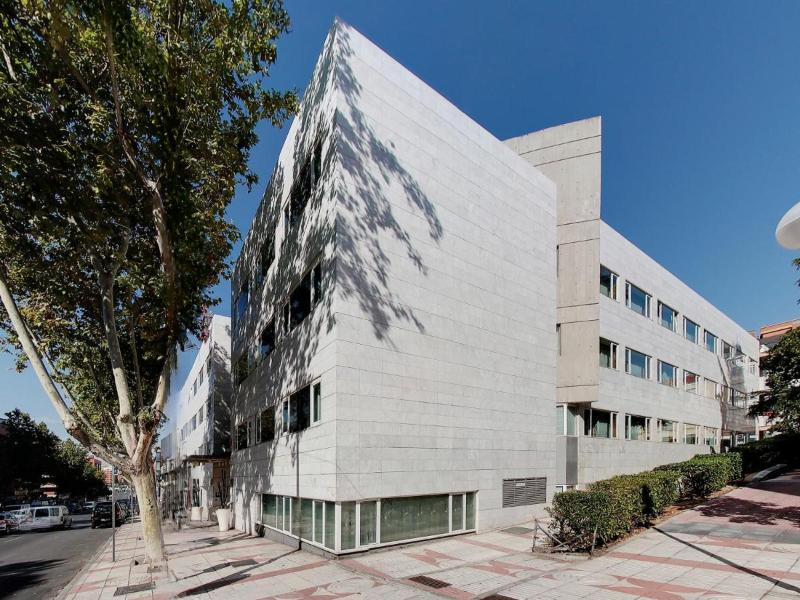
★★★★
1881 Madrid Ventas Hotel
Madrid
Parking
From £211 a night, taxes incl.2 adults · checked 1 Oct, 17:38
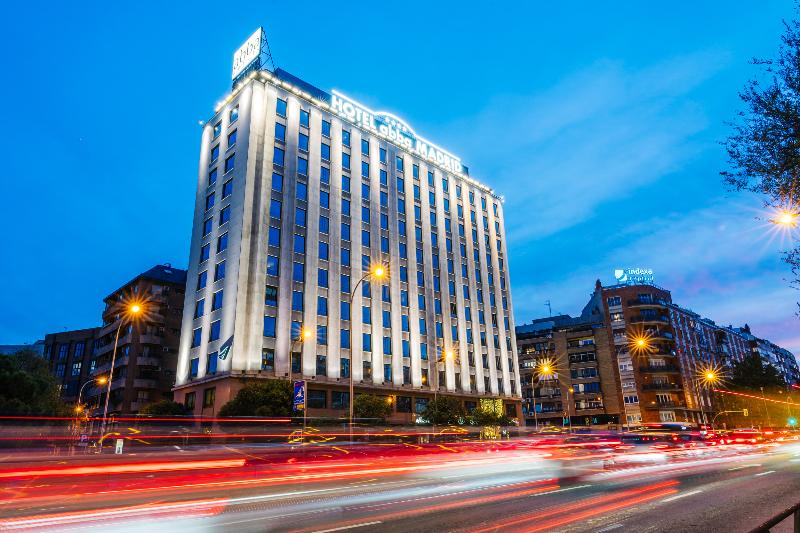
★★★★
Abba Madrid
Madrid
Parking
See prices and rooms →
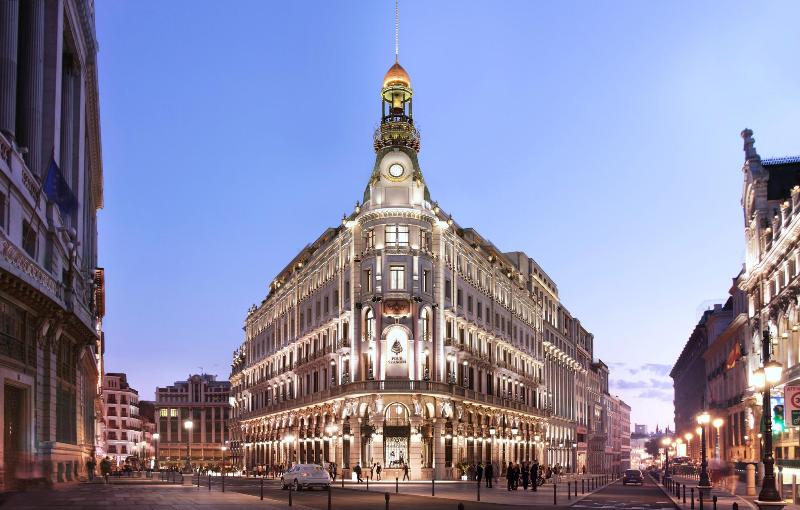
★★★★★
Four Seasons Hotel Madrid
Madrid
Spa · Pool · Pets allowed
From £2,080 a night, taxes incl.2 adults · checked 1 Oct, 17:38
★★★★
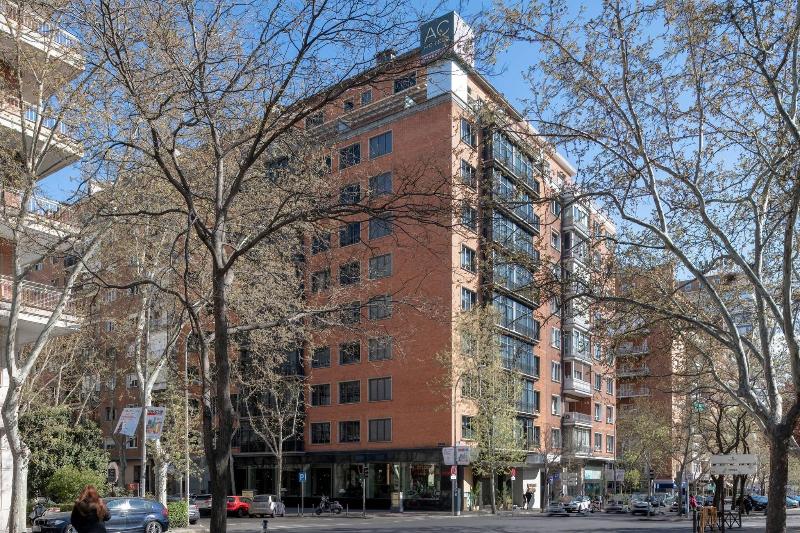
AC Madrid Aitana
Madrid
Parking
From £354 a night, taxes incl.2 adults · checked 1 Oct, 17:38

★★★★
AC Madrid Alcalá de Henares
Alcala de Henares
Family-friendly · Parking
From £130 a night, taxes incl.2 adults · checked 1 Oct, 17:38
★★★★★
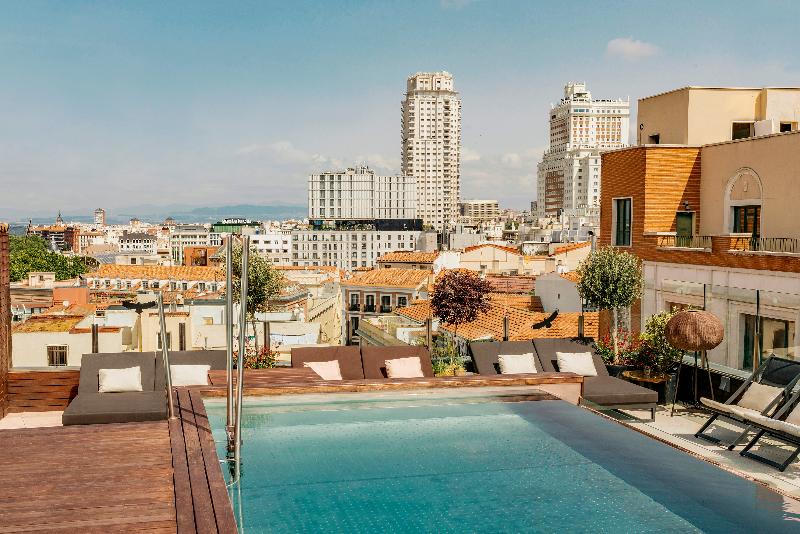
Palacio de los Duques Gran Meliá
Madrid
All-inclusive option · Spa · Rooftop pool
From £589 a night, taxes incl.2 adults · checked 1 Oct, 17:38

★★★★
AC Madrid Coslada Aeropuerto
Madrid
Spa · Parking
From £159 a night, taxes incl.2 adults · checked 1 Oct, 17:38
★★★★★
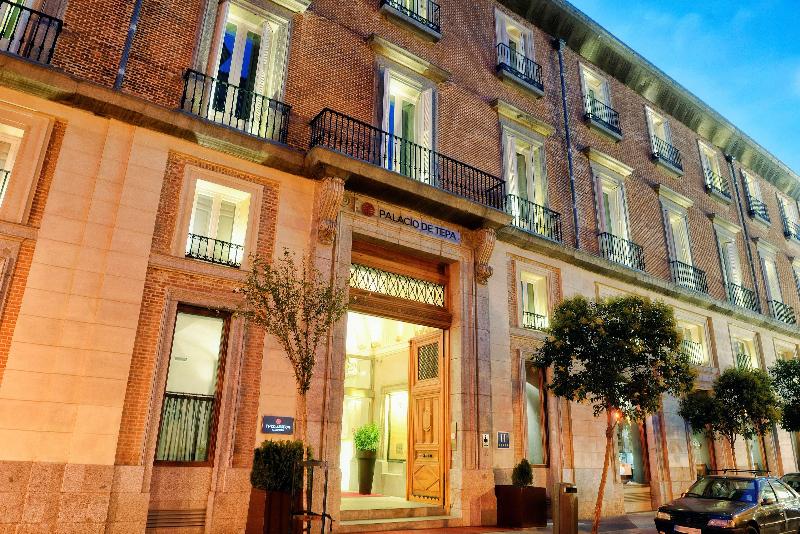
NH Collection Madrid Palacio de Tepa
Madrid
Spa · Pets allowed · Parking
See prices and rooms →
Getting around
Central Madrid is best on foot: the Prado, Sol, Plaza Mayor and the Royal Palace are all walking distance apart. The metro is quick, clean and covers the whole city, including the airport. For day trips, high-speed trains run from Atocha and Chamartín.
When to go
Spring and autumn are ideal, with warm days for walking and terrace weather in the evenings. July and August are very hot, and many locals leave town in August. Winters are crisp and often sunny, with fewer crowds in the museums.
Questions about visiting Madrid
- What is Madrid best known for?
- Its art museums, above all the Prado, Reina Sofía and Thyssen-Bornemisza, plus the Royal Palace, El Retiro park, tapas and a famously late, lively nightlife.
- How many days do you need in Madrid?
- Three days covers the big museums, the palace, El Retiro and a couple of good nights out. Add a day or two for trips to Toledo or Segovia.
- What is there to do in Madrid with kids?
- Rowing boats on the lake in El Retiro, the Templo de Debod, churros and chocolate, and the Sunday buzz of El Rastro all go down well. Football fans will want to see the Santiago Bernabéu stadium.
- Is it worth going to Toledo from Madrid?
- Yes. Toledo is one of the most striking historic cities in Spain and an easy day trip by high-speed train from Atocha.
More guides
- Where to stay in Madrid
- The best things to do in London
- The best things to do in Edinburgh
- The best things to do in Amsterdam
- The best things to do in Barcelona
- The best things to do in Budapest
- The best things to do in Dublin
- The best things to do in Krakow
- The best things to do in Prague
- The best things to do in Berlin
- The best things to do in Lisbon
- The best things to do in Milan
- The best things to do in Paris
- The best things to do in Rome