
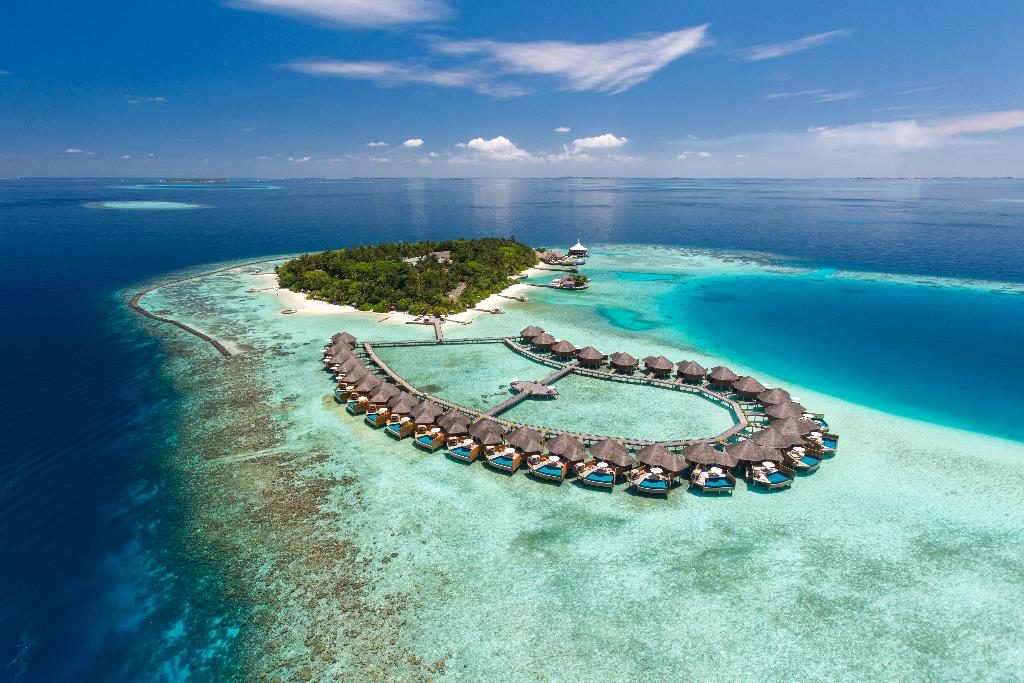
Ask people what you do in the Maldives and most will say nothing, beautifully. They're half right. The sand is soft, the lagoons are the colour of a swimming-pool advert, and a hammock over the water is a perfectly good plan. But the real show is below the surface, where the islands' coral rings drop away into some of the richest water in the Indian Ocean.
Almost everything here happens on the water, so the trick is choosing your moments: a dawn snorkel on the house reef, a day out with manta rays or whale sharks, a dhoni boat at sunset. Add a seaplane flight and a spoonful of local culture in Malé or on an inhabited island, and you've done the Maldives properly.
Don't miss
In the water
The reason the Maldives exists on every wish list.
Snorkelling the house reef
Activity
Most resort islands sit on their own fringing reef, which means you can wade in from the beach with a mask and be among parrotfish, butterflyfish, reef sharks and turtles within minutes. Go early, when the light is soft and the fish are busy.
Reefs differ island to island, so it's worth checking where a resort's reef is, and whether you can reach it from the shore.
Tip: Wear a rash vest and reef-safe sun cream, and never stand on or touch the coral.
Manta rays at Hanifaru Bay
Wildlife

Photo: TANAKA Juuyoh (%u7530%u4E2D%u5341%u6D0B), CC BY 2.0 In Baa Atoll, a UNESCO biosphere reserve, this small bay becomes a feeding ground for reef manta rays and whale sharks when plankton blooms gather on the tide. Dozens of mantas somersaulting through the water is one of the great wildlife sights of the Indian Ocean.
Visits are tightly managed to protect the animals, with limits on numbers and time in the water. The best chances fall in the southwest monsoon, roughly from May to November.
Tip: Book through a Baa Atoll resort or a licensed operator, and treat sightings as likely, never guaranteed.
Whale sharks in South Ari Atoll
Wildlife

Photo: Dapaan, CC BY-SA 3.0 South Ari Atoll is one of the few places on earth where whale sharks can be seen close to the surface through much of the year. Boats leave from Dhigurah, Maamigili and nearby resorts, and you slip into the water to swim alongside these huge, gentle fish.
Tip: Keep your distance, don't touch, and choose an operator that follows the marine guidelines.
Diving the channels of Ari Atoll
Activity
Where the tide funnels between islands, the Maldives' channels (kandus) fill with grey reef sharks, eagle rays, turtles and walls of fish. Ari Atoll has some of the best-known sites, such as Maaya Thila and Fish Head, and dive centres on most islands run trips for all levels.
Tip: Learners can do a try-dive or a course on the house reef before heading to the stronger currents.
On top of the water
A seaplane flight
Activity

Photo: Martin Falbisoner, CC BY-SA 4.0 Many resorts are reached by seaplane, and the transfer is half the thrill. Twin-propeller floatplanes lift off from Malé's airport lagoon and skim over atolls that look like jade necklaces strewn on blue silk, before landing on the water beside your jetty.
Seaplanes fly in daylight only, so a late international arrival can mean a night in Malé before your resort transfer.
Tip: Ask for a window seat, and pack soft bags: luggage allowances on the seaplane are tight.
Dolphin cruise at sunset
Activity

Photo: Alexia Pihier for MDC SeaMarc Maldives, CC BY-SA 4.0 Resorts and guesthouses run sunset trips on dhonis, the traditional Maldivian boats. You motor out beyond the reef, drink in hand, and watch for wild spinner dolphins arcing through the glow. Sightings are common but never certain, and the sunset is a decent consolation prize.
A sandbank picnic
Activity

Photo: MBraun Germany, CC BY-SA 3.0 Hop on a boat to a patch of pure white sand that rises out of the lagoon and disappears at high tide. Spread a towel, snorkel off the edge and have the horizon to yourself. Some resorts and local-island guesthouses offer these trips as a half-day escape.
Tip: There is no shade on a sandbank. Take a hat, water and plenty of sun cream.
The sea of stars at Vaadhoo
Nature
On some nights, tiny bioluminescent plankton wash ashore and make the waves glow electric blue, a phenomenon visitors call the sea of stars. Vaadhoo island in Raa Atoll is the best known spot, though it comes and goes with the tides and seasons and can't be promised.
Local islands and Malé
The side of the Maldives most resort guests never see.
Dhigurah
Neighbourhood

Photo: Syced, CC BY-SA 3.0 A long, skinny local island on the southern edge of Ari Atoll, with a three-kilometre strip of public beach, guesthouses and cafés. It's the usual base for whale shark trips and a relaxed way to see everyday island life. Dress modestly in the village; beachwear belongs on the beach.
Dhiffushi
Neighbourhood

Photo: Saaremees, CC BY-SA 4.0 A small fishing island in North Malé Atoll with guesthouses, a stretch of beach set aside for bikinis and an easy speedboat ride from the airport. It's a good intro to local-island life and a cheaper way into the Maldives than a private resort.
Hukuru Miskiy
Landmark

Photo: Zairon, CC BY-SA 4.0 Malé's Old Friday Mosque dates from the seventeenth century and is built from carved coral stone, with intricate lacquered woodwork inside. It's one of the oldest buildings in the country and sits in a quiet graveyard garden, a short walk from the waterfront.
Tip: Dress modestly, and check visiting rules for non-Muslims before you go.
Malé fish market
Market

Photo: Buiobuione, CC BY-SA 4.0 Right on the harbour, the market is where the day's tuna catch comes in by the boatload and is hacked up on the slab. Next door, the produce market is stacked with coconuts, bananas and chillies. It's smelly, noisy and the most honest hour you'll spend in the capital.
Tip: Go in the morning, when the catch lands.
Eat and drink
Mas huni
Food
The Maldivian breakfast: shredded smoked tuna mixed with grated coconut, onion, chilli and lime, scooped up with warm roshi flatbread. It sounds odd at 8am and tastes brilliant. Ask for it on any local island, and many resorts serve it too.
Garudhiya
Food

Photo: LittleT889, CC BY 4.0 A clear, steaming broth of tuna simmered with salt and a few spices, served with rice, lime, chilli and often a bit of fried fish. It's the Maldives' comfort food, and on a local island you can eat it alongside the people who caught the fish.
Where to stay in Maldives
Not sure which area suits you? Read our guide: Where to stay in the Maldives →
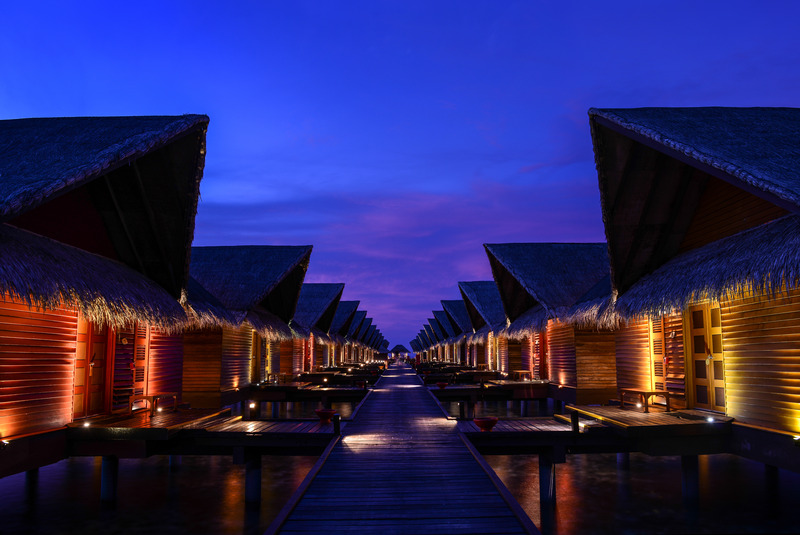
★★★★
Adaaran Select Hudhuranfushi Resort
North Kaafu Atoll
All-inclusive option · Spa · Pool
See prices and rooms →
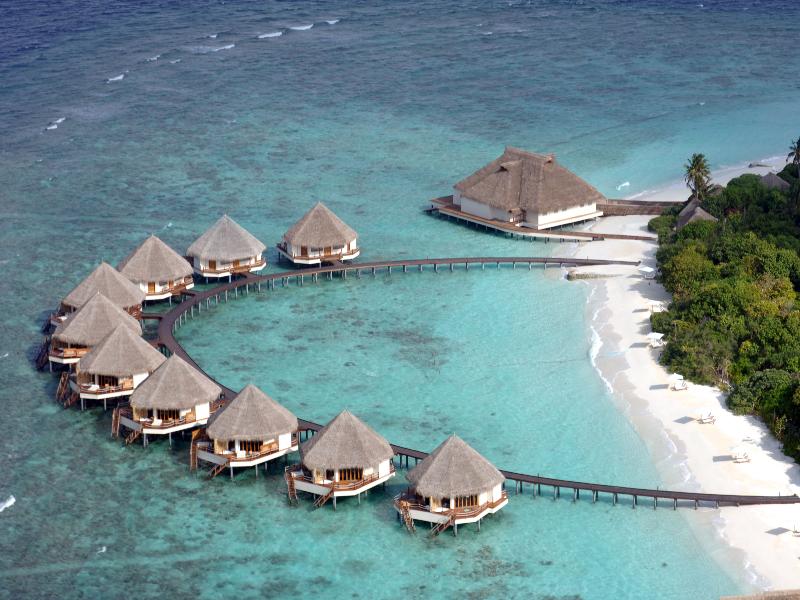
★★★★
Adaaran Select Meedhupparu
Raa Atoll
Spa · Pool · Family-friendly
See prices and rooms →
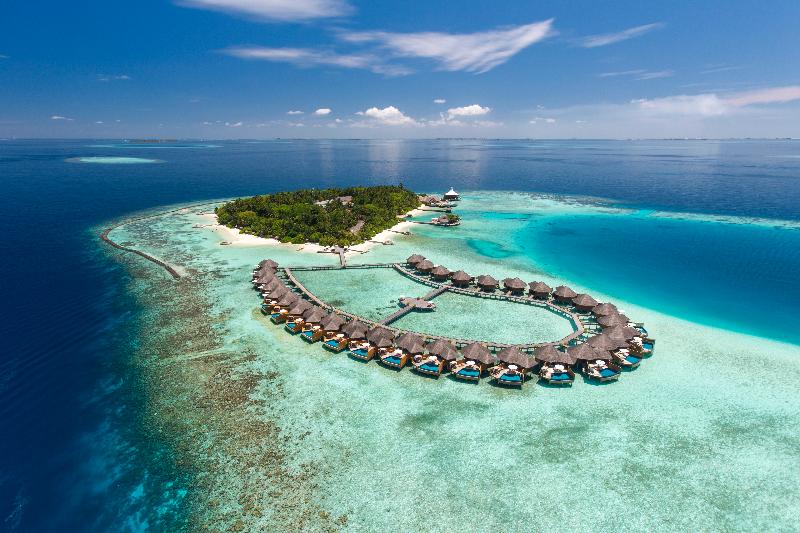
★★★★★
Baros Maldives
Male
Adults only · Spa · Pool
See prices and rooms →

★★★★
Ari Grand Hotel & Spa
Dhangethi
Pool · 40 rooms · Family-friendly
See prices and rooms →
★★★★
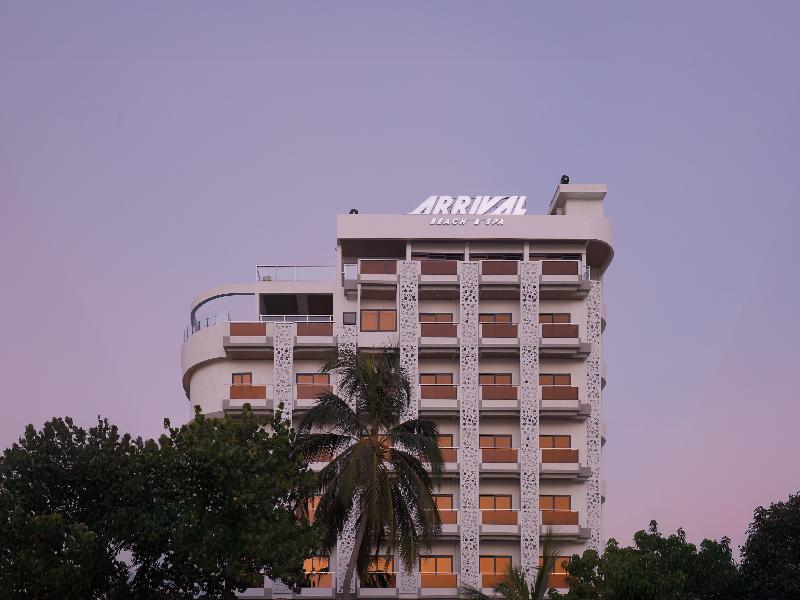
Arrival Beach And Spa At Gulhi
Gulhi
Beach 50 m · Spa · Rooftop pool
See prices and rooms →
★★★★★
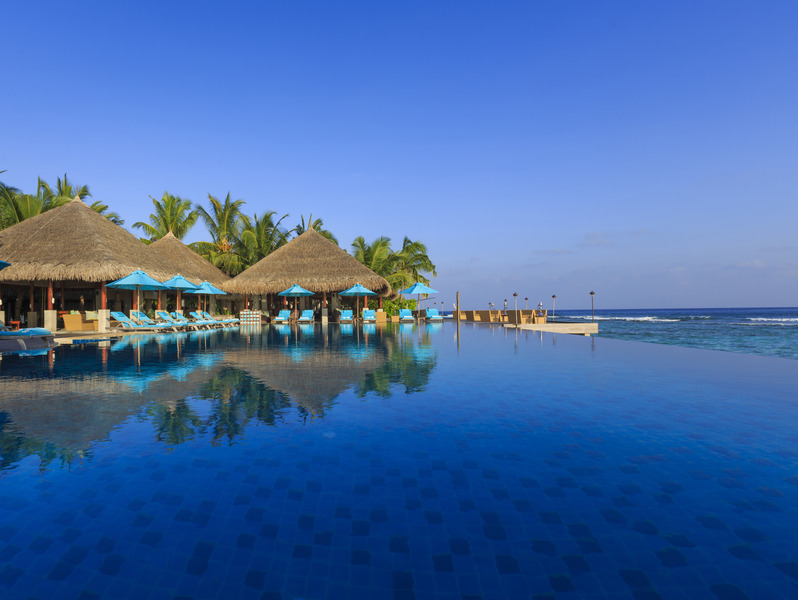
Anantara Veli Maldives Resort
South Male Atoll
All-inclusive option · Spa · Pool
See prices and rooms →

★★★★
Avyanna Gulhi Beach Hotel
Gulhi
38 rooms · Family-friendly · Parking
From £77 a night, taxes incl.2 adults · checked 1 Oct, 20:23

★★★★★
Four Seasons Resort Maldives at Landaa Giraavaru
Baa Atoll
Spa · Pool · Family-friendly
See prices and rooms →
Getting around
Almost every trip involves water: seaplanes and domestic flights to the farther atolls, speedboats to nearby islands, and public ferries between local islands. Resorts usually arrange your transfer, so check how you'll get from Malé's airport before booking, as it changes both timing and cost.
When to go
The drier northeast monsoon, roughly December to April, brings the calmest seas and the most sun. The wetter southwest monsoon is still warm and can be excellent for manta rays and surf. Showers pass quickly, and the Maldives is warm all year.
Questions about visiting Maldives
- What is the Maldives best known for?
- Private-island resorts, overwater villas, white-sand beaches and clear lagoons ringed by coral reef. It is also one of the best places to snorkel and dive, with manta rays, whale sharks and reef sharks.
- Is the Maldives worth visiting?
- Yes, especially if you love the sea. The reefs, wildlife and island scenery are hard to match, and local islands offer a more affordable and cultural side to a trip.
- What is there to do in the Maldives besides the beach?
- Snorkelling and diving, manta ray and whale shark trips, seaplane flights, dolphin cruises, sandbank picnics, local-island visits and a day exploring Malé.
- How many days do you need in the Maldives?
- Five to seven nights is a comfortable stay for a resort. Add a few extra if you want to combine a resort with a local island or travel between atolls.
More guides
- Where to stay in the Maldives
- The best things to do in London
- The best things to do in Edinburgh
- The best things to do in Amsterdam
- The best things to do in Barcelona
- The best things to do in Budapest
- The best things to do in Dublin
- The best things to do in Krakow
- The best things to do in Prague
- The best things to do in Berlin
- The best things to do in Lisbon
- The best things to do in Milan
- The best things to do in Paris
- The best things to do in Rome