
Mauritius is the island that gets mistaken for a beach and nothing else. Yes, the lagoons are glassy and the sand is soft. But step inland and you find a volcanic island with a Hindu crater lake, a rainforest of rare birds, a mountain with a UN heritage listing and a hillside of earth in seven shades.
It's also one of the great cultural melting pots of the Indian Ocean. Indian, African, Chinese, French and British influences meet on the plate and in the streets, so the best days here mix a swim with a meal you wouldn't find anywhere else. The island is small enough to see most of it from one base.
Don't miss
The big sights
The south-west corner holds the island's best scenery.
Seven Coloured Earths
Nature

Photo: CEphoto, Uwe Aranas, CC BY-SA 3.0 In the hills above Chamarel, volcanic dunes ripple in bands of red, brown, violet, green and blue, and the colours stay separate even after heavy rain. It's a small park rather than a long walk, and a memorable half-hour with a view over the forest.
Giant Aldabra tortoises wander an enclosure beside the viewing platform, a nice extra for children.
Tip: Combine it with the Chamarel waterfall and a rum tasting in the same village.
Chamarel Waterfall
Nature

Photo: "dronepicr", CC BY 2.0 A single thin ribbon of water drops around a hundred metres into a forested gorge, seen from a viewpoint near the Seven Coloured Earths. It looks best after rain and in the morning light, before the haze builds up.
Le Morne Brabant
Nature

Photo: "dronepicr", CC BY 2.0 A great basalt monolith rising from the sea on the south-west tip, Le Morne is a UNESCO World Heritage Site because escaped slaves are remembered to have hidden on its slopes. It's an emotional landmark as well as a spectacular one, with kitesurfers working the lagoon at its foot.
A steep hike to the summit is possible, but it's best done with a local guide.
Tip: Start the climb at first light. The midday sun on the rock is fierce.
Black River Gorges National Park
Nature

Photo: CEphoto, Uwe Aranas, CC BY-SA 3.0 The island's biggest area of native forest, climbing through hills and ravines to some of the best viewpoints in Mauritius. Walking trails thread through the trees, and the park shelters rare birds that live nowhere else, as well as monkeys and deer.
Tip: Wear proper shoes and take water. Trails can be muddy and humid.
Grand Bassin
Landmark

Photo: Balou46, CC BY-SA 4.0 Up in the island's volcanic highlands, Grand Bassin (Ganga Talao) is a crater lake sacred to Mauritian Hindus. Giant statues of Shiva and Durga look over the water, and in the spring the lake is the destination of a huge pilgrimage for Maha Shivaratri.
Tip: Dress modestly, remove your shoes at the temples and be respectful of worshippers.
Beaches and lagoons
Trou aux Biches
Beach

Photo: Karsten Ratzke, CC0 A long, gently curving beach on the north-west coast, with calm turquoise water, casuarina trees for shade and easy snorkelling just off the sand. It's one of the island's most popular family beaches, and the shallows suit young swimmers.
Belle Mare
Beach

Photo: Arne Müseler, CC BY-SA 3.0 de On the east coast, Belle Mare has a seemingly endless sweep of pale sand backed by palms and fringed by a lagoon. It's quieter and more open than the north and west, with a wilder feel when the trade winds blow.
Blue Bay Marine Park
Nature

Photo: GrandEscogriffe, CC BY-SA 4.0 Near Mahébourg in the south-east, this protected lagoon is full of coral gardens and bright reef fish, with clear water that's easy to snorkel. Glass-bottom boats go out for those who prefer to stay dry, and the beach is among the most beautiful on the island.
Tip: Go in the morning, when the water is calmest and the light is best for snorkelling.
Île aux Cerfs
Beach

Photo: Arne Müseler, CC BY-SA 3.0 de A small island off the east coast, reached by boat from Trou d'Eau Douce, ringed by white sand and shallow, startlingly clear water. Come for a day of swimming, water sports and a seafood lunch under the trees. It's the island's best-known day out for good reason.
Tip: Take a boat in the morning, before the day-trip crowds arrive.
Towns and gardens
Port Louis
Neighbourhood
The capital is a dense, lively mix of colonial buildings, mosques, temples and market stalls. Aapravasi Ghat, a UNESCO site, marks where indentured labourers from India first arrived in Mauritius. The Central Market is the best place to taste street food and buy spices, tea and souvenirs.
Tip: Port Louis is a weekday town. Many shops and offices close early on Saturdays and on Sundays.
Pamplemousses Botanical Garden
Nature

Photo: Condem at English Wikipedia, Public domain One of the oldest botanical gardens in the southern hemisphere is famous for its giant water lilies, whose enormous floating leaves cover the ponds. Walk the shady avenues of palms and spice trees on a cooler morning, or take a guide to learn what's growing around you.
Eat and drink
Dholl puri
Food

Photo: Yoann74, CC BY-SA 4.0 The island's favourite street food: a thin, soft flatbread stuffed with ground yellow split peas, folded around curry, chutney and a dab of chilli. Eat one for lunch from a roadside stall. The Mauritian way is to buy a handful and eat them with your fingers.
Tip: Pair it with alouda, a sweet, chilled milk-and-basil-seed drink.
Rhumerie de Chamarel
Food

Photo: "dronepicr", CC BY 2.0 A rum distillery in the hills near Chamarel, where cane grows on the estate. You can tour the grounds, learn how the rum is made and taste a few styles, followed by lunch on the terrace. It's a pleasant stop on a day around the Seven Coloured Earths.
Where to stay in Mauritius
Not sure which area suits you? Read our guide: Where to stay in Mauritius →
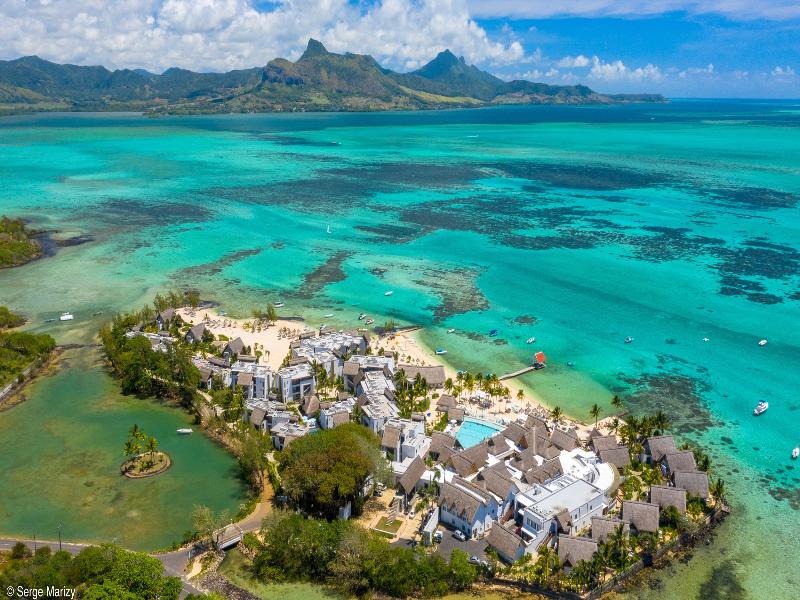
★★★★
Preskil Island Resort
Mahebourg
All-inclusive option · Spa · Pool
See prices and rooms →

★★★★
Anelia Resorts & Spa
Flic en Flac
Beach 30 m · All-inclusive option · Spa
See prices and rooms →
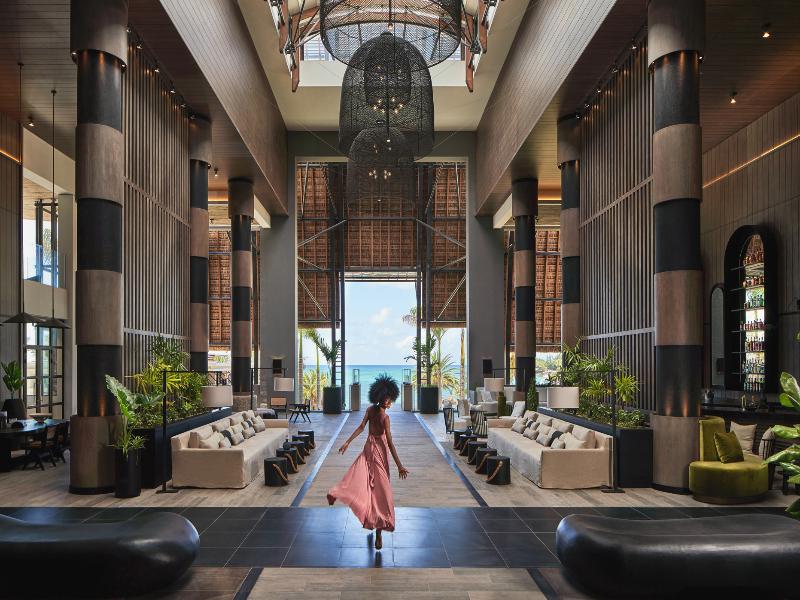
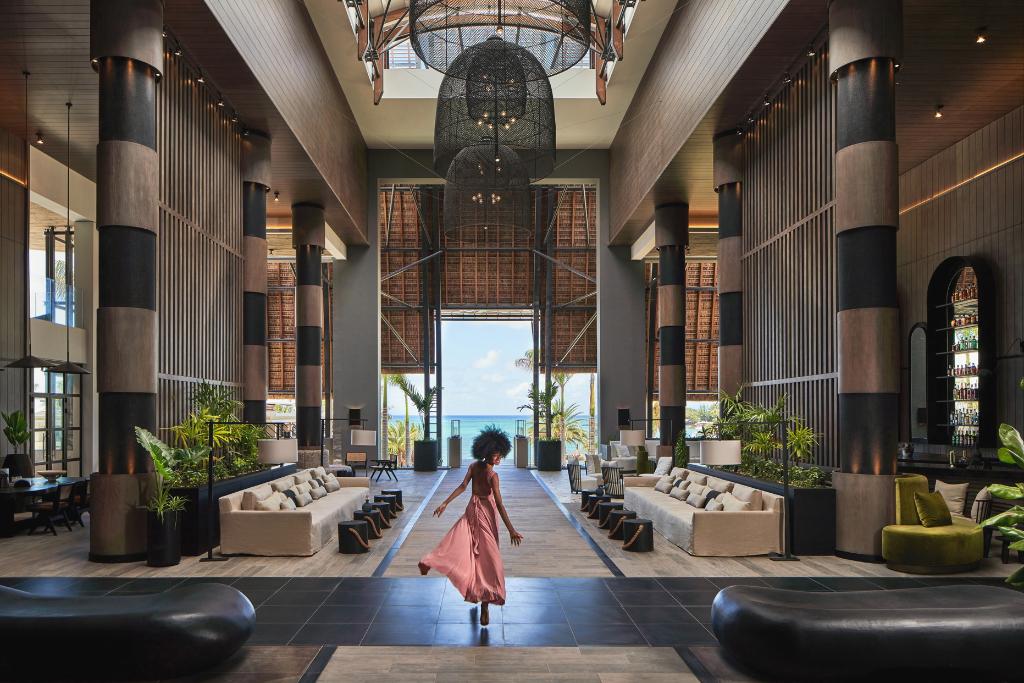
★★★★★
LUX Grand Baie Resort & Residences
Grand-Baie
Spa · Family-friendly · Parking
See prices and rooms →
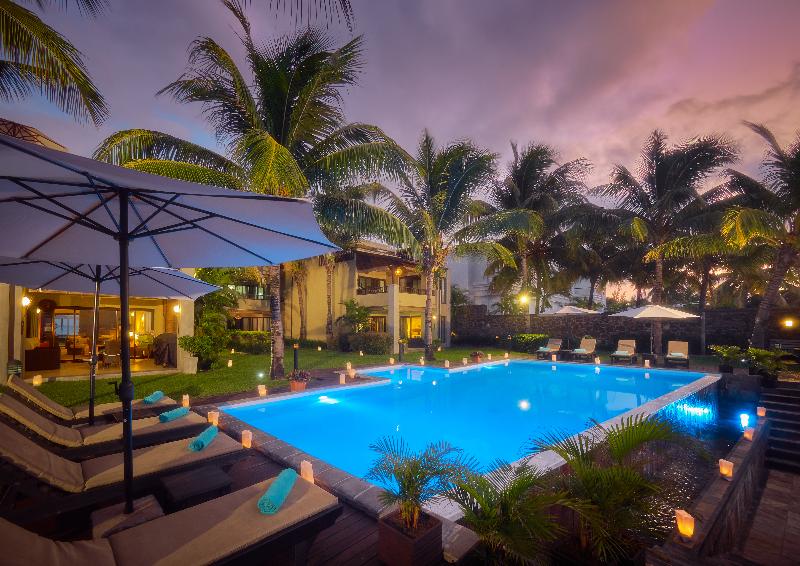
★★★★
Bel Azur Beach Residence By LOV
Mauricio
Pool · 8 rooms · Parking
See prices and rooms →
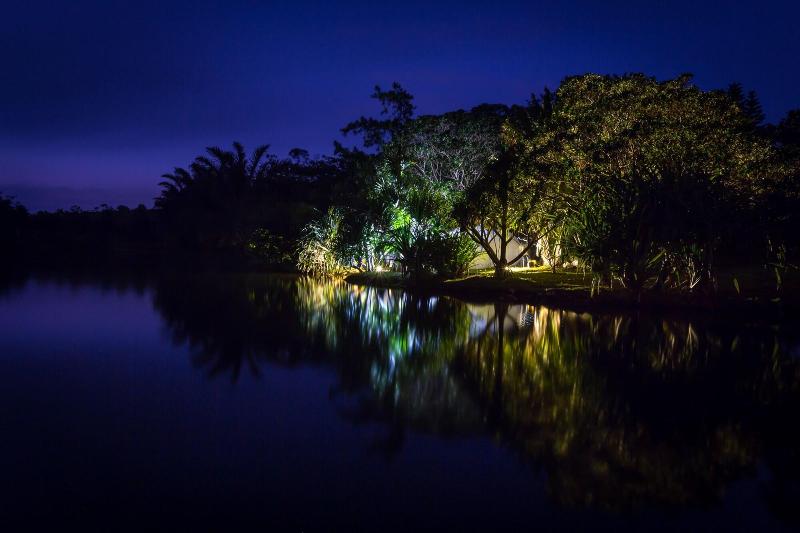
★★★★
Bubble Lodge Bois Chéri
Bois Cheri
3 rooms · Parking
See prices and rooms →
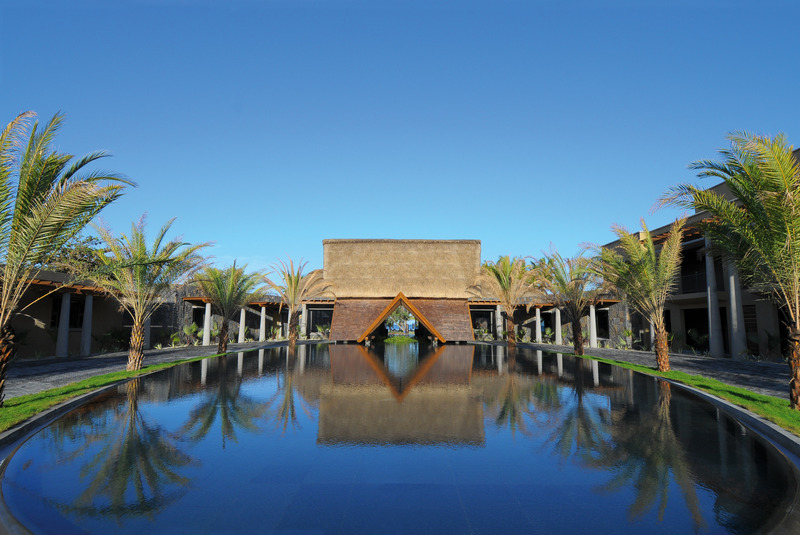
★★★★★
Trou aux Biches Beachcomber Golf Resort & Spa
Mauritius Island
Spa · Pool · Family-friendly
See prices and rooms →
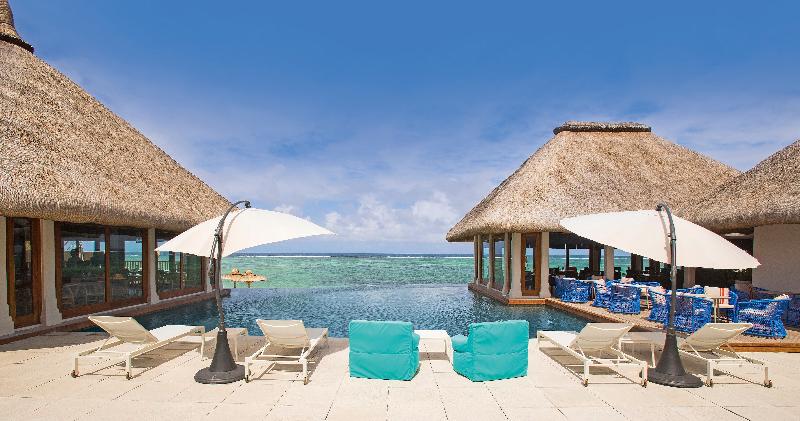
★★★★
C Mauritius
41604
Spa · Pool · Parking
See prices and rooms →
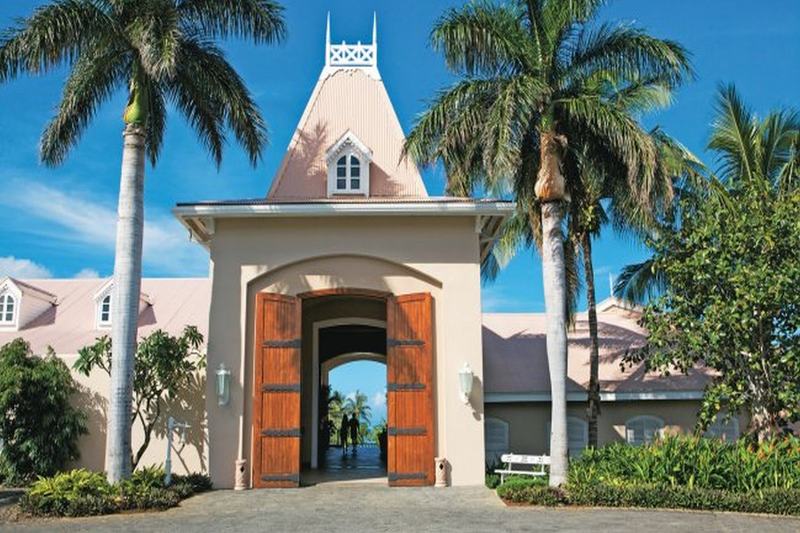
★★★★★
Sugar Beach Mauritius
Flic en Flac
All-inclusive option · Spa · Pool
From £815 a night, taxes incl.2 adults · checked 1 Oct, 19:53
Getting around
Mauritius is small, but roads can be slow, and public buses don't reach many sights. A hire car gives the most freedom, a driver for the day is a stress-free alternative, and taxis and organised tours cover the main attractions. Traffic runs on the left.
When to go
The island is warm all year. The drier months, roughly May to December, are cooler and more comfortable for walking. The summer, from around January to April, is hotter and wetter, and cyclone season can bring storms.
Questions about visiting Mauritius
- What is Mauritius best known for?
- White-sand beaches and clear lagoons, a mixed Indian, African, European and Chinese culture, and a surprisingly dramatic interior with waterfalls, forests and mountains.
- Is Mauritius worth visiting?
- Yes. Beyond the beaches you can visit rainforest, a sacred crater lake, botanical gardens and a lively capital, and the food is some of the most varied in the Indian Ocean.
- What is there to do in Mauritius besides the beach?
- Hike in Black River Gorges, see the Seven Coloured Earths, visit Grand Bassin and Port Louis, tour a rum distillery, and sample street food such as dholl puri.
- How many days do you need in Mauritius?
- A week gives you time for the beach and the main sights. With ten days you can see both the north and the south without rushing.
- Do you need a car in Mauritius?
- It helps. A hire car or driver makes it easy to reach the inland and southern sights, while resorts, beaches and the main towns are fine by taxi or bus.
More guides
- Where to stay in Mauritius
- The best things to do in London
- The best things to do in Edinburgh
- The best things to do in Amsterdam
- The best things to do in Barcelona
- The best things to do in Budapest
- The best things to do in Dublin
- The best things to do in Krakow
- The best things to do in Prague
- The best things to do in Berlin
- The best things to do in Lisbon
- The best things to do in Milan
- The best things to do in Paris
- The best things to do in Rome