

Oman is the Arabian Peninsula's most easy-going surprise. It has the desert dunes and the forts you expect, but also turquoise wadis you can swim in, a mountain range with terraced rose gardens, a long coast where turtles come ashore and a capital that refuses to compete with its glass-tower neighbours. The pace is slow and the welcome is warm.
The country is big and the sights are spread out, so the best trips are road trips: a few days in Muscat, then a loop through the mountains, the desert and the east coast. A hire car and a sense of adventure are the best equipment you can bring.
Don't miss
Muscat
A low-rise, whitewashed capital between mountains and sea.
Sultan Qaboos Grand Mosque
Landmark

Photo: Mostafameraji, CC BY-SA 4.0 Muscat's showpiece mosque is a vast complex of sandstone, marble and gold-tinted domes, with one of the largest hand-woven carpets and one of the biggest chandeliers in the world inside its main prayer hall. It's one of the few mosques in the Gulf open to non-Muslim visitors.
Tip: Dress modestly, with shoulders and knees covered, and women should cover their hair. Check visiting times before you go.
Mutrah Souq
Market

Photo: Dr. Thomas Liptak, CC BY-SA 4.0 A maze of covered lanes beside the Mutrah Corniche, packed with frankincense, silver daggers, scarves, spices and Omani sweets. It's one of the oldest markets in Arabia, and wandering its dim alleys, with the scent of incense in the air, is the best way to start a trip.
Walk the Corniche afterwards, past the fishing boats and up to the old watchtowers on the hill.
Tip: Haggle politely, and try an Omani coffee with dates at a market café.
Old Muscat and its forts
Landmark

Photo: Mai-Sachme, CC BY-SA 3.0 Tucked between rocky hills and the sea, the old town is dominated by the twin Portuguese-built forts of Al Jalali and Al Mirani, and the ceremonial Al Alam Palace, with its gold-and-blue columns, on the waterfront. It's quick to see and photogenic at any hour.
Desert, mountains and forts
Wahiba Sands
Nature

Photo: Diego Delso, CC BY-SA 4.0 Also known as the Sharqiya Sands, this is a sea of rippling orange dunes that glow at sunrise and sunset. Overnight in a desert camp, ride a 4x4 over the crests, walk up a dune for the sunset and sit under a sky of stars.
Tip: Go with an experienced local driver. Driving on dunes is not for beginners.
Nizwa Fort and souq
Landmark

Photo: Dr. Thomas Liptak, CC BY-SA 4.0 Nizwa was Oman's capital centuries ago, and its huge round fort and old souq are among the best-known in the country. The big draw is the Friday-morning livestock market, where farmers bring goats and cattle to sell, a lively piece of living tradition.
Tip: Arrive early on Friday, when the market is at its busiest.
Jebel Akhdar
Nature

Photo: Philipp Weigell, CC BY 3.0 The Green Mountain is a cool plateau in the Al Hajar range, with terraced orchards of pomegranates, apricots and roses clinging to the canyon walls. Villages are tiny, the air is fresher than on the plain, and the views down into the canyons are huge.
Tip: The final climb requires a 4x4, so check with your hotel before setting out.
Jebel Shams
Nature

Photo: albinfo, CC BY-SA 4.0 Oman's highest mountain looks onto a deep, dramatic canyon nicknamed the Grand Canyon of Arabia. A rim walk leads along the edge for views straight down, while the plateau is cool even in summer. The final stretch to the viewpoints is by rough road.
Bahla Fort
Landmark

Photo: Albinfo, CC BY 4.0 A huge mud-brick fortress with towers and walls that rise from a palm oasis, Bahla is a UNESCO World Heritage Site and a good example of traditional Omani architecture. The old town around it's quiet and full of potters' workshops.
Coast and wadis
Wadi Shab
Nature

Photo: Uhooep, CC BY-SA 4.0 A narrow limestone canyon on the coast road south of Muscat, where turquoise pools lie beneath towering rock walls. You cross the river by boat, walk through palm groves and then swim through a gorge to a hidden waterfall. It's one of Oman's best days out.
Tip: Wear water shoes and modest swimwear, and take a dry bag for your phone.
Bimmah Sinkhole
Nature

Photo: Krzysztof Ziarnek, Kenraiz, CC BY-SA 4.0 A huge limestone hollow filled with startlingly clear, blue-green water, with steps that lead down to the edge for a swim. It's a short stop on the coast road, easy to combine with Wadi Shab, and a good way to cool off in the heat.
Ras al Jinz turtle reserve
Wildlife

Photo: Andries Oudshoorn, CC BY-SA 2.0 On the easternmost tip of the Arabian Peninsula, green turtles come ashore at night to lay eggs on the beach. Guided evening visits let you watch quietly, with no torches or flash, as a female digs her nest. Nesting continues all year, with peak season in summer.
Tip: Visits are guided and must be booked in advance. Dress warmly, because nights can be breezy.
Sur
Neighbourhood

Photo: Dr. Thomas Liptak, CC BY-SA 4.0 A relaxed port town on the east coast with a long maritime history, known for its traditional dhow-building yard. Stroll the corniche and look across the lagoon. It's a good base for the turtle reserve.
Eat and drink
Shuwa
Food
Oman's celebration dish: lamb or goat marinated in spices, wrapped in leaves and slow-cooked for many hours in an underground sand oven. The meat is meltingly tender and traditionally eaten at festivals. Some restaurants and hotels serve it, often with advance notice.
Omani halwa and kahwa
Food
Omani halwa is a glossy, sticky sweet made from sugar, ghee, nuts and spices, usually flavoured with rosewater and cardamom. It's served with kahwa, thin cardamom-scented coffee poured into small cups, and a few dates. It's the standard welcome in an Omani home.
Tip: Shake the cup gently from side to side when you have had enough.
Where to stay in Oman
Not sure which area suits you? Read our guide: Where to stay in Oman →
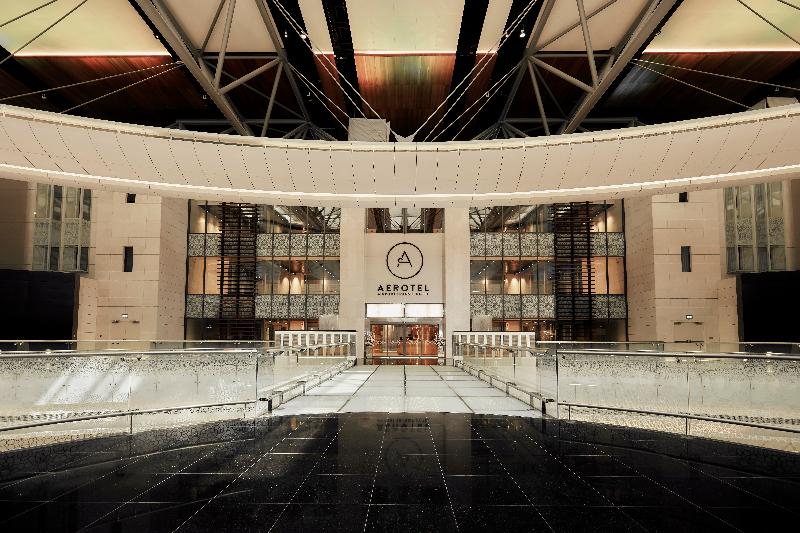
★★★★
Aerotel Muscat - Airport Transit Hotel
Muscat
See prices and rooms →

★★★★
Al Dyafa Hotel Suites
Salalah
Spa · Pool · Family-friendly
See prices and rooms →

★★★★★
Al Bustan Palace, A Ritz-Carlton Hotel
Muscat
Spa · Rooftop pool · Family-friendly
See prices and rooms →
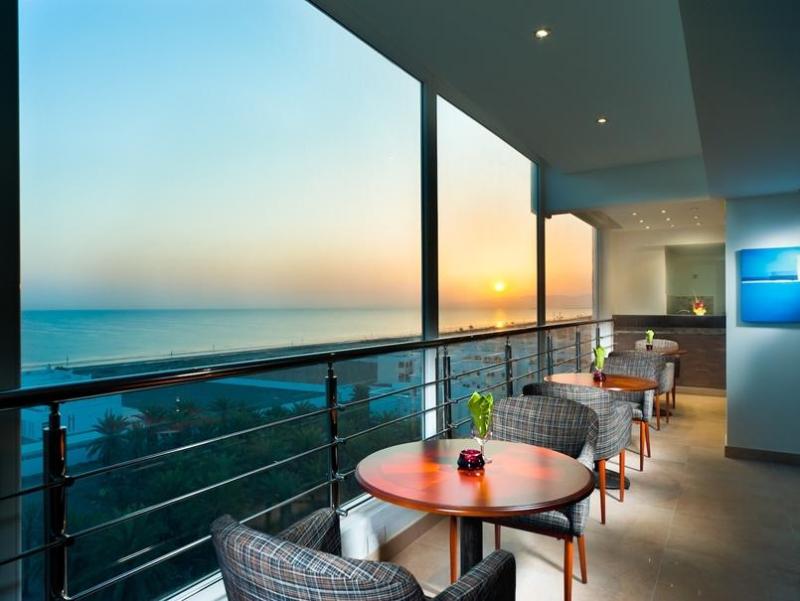
★★★★
Amouage Al Hail Hotel managed by Centara
Muscat
Spa · Pool · 50 rooms
See prices and rooms →
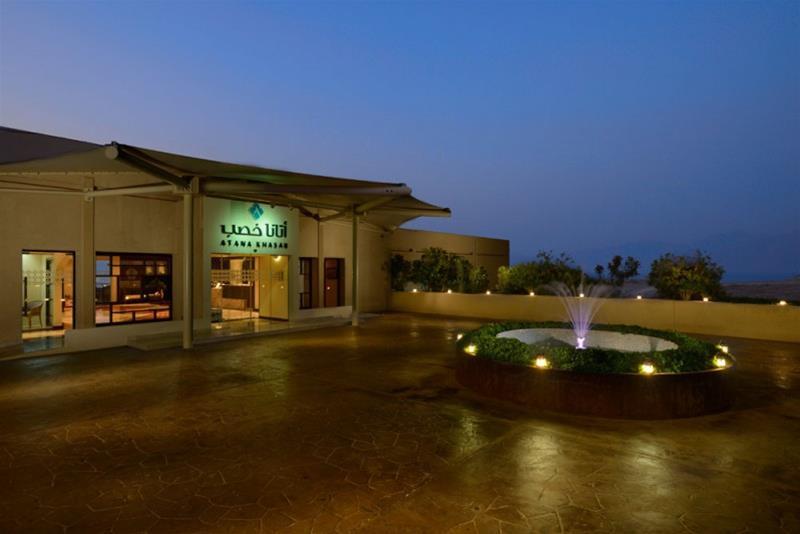
★★★★
Atana Musandam
Khasab
Pool · Family-friendly · Parking
See prices and rooms →
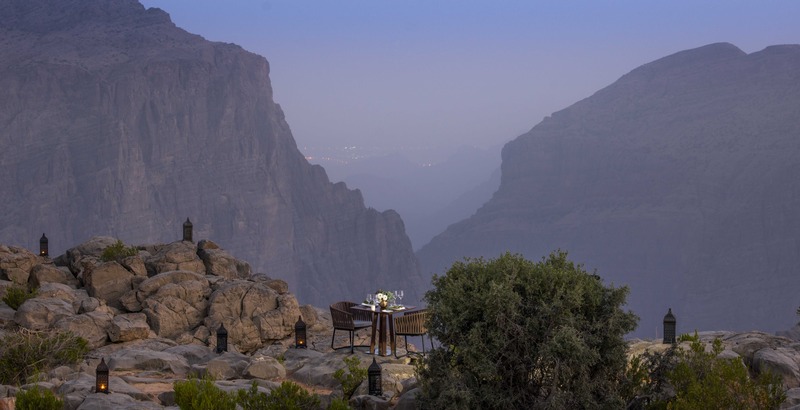
★★★★★
Anantara Al Jabal Al Akhdar Resort
Nizwa
Spa · Pool · Family-friendly
See prices and rooms →
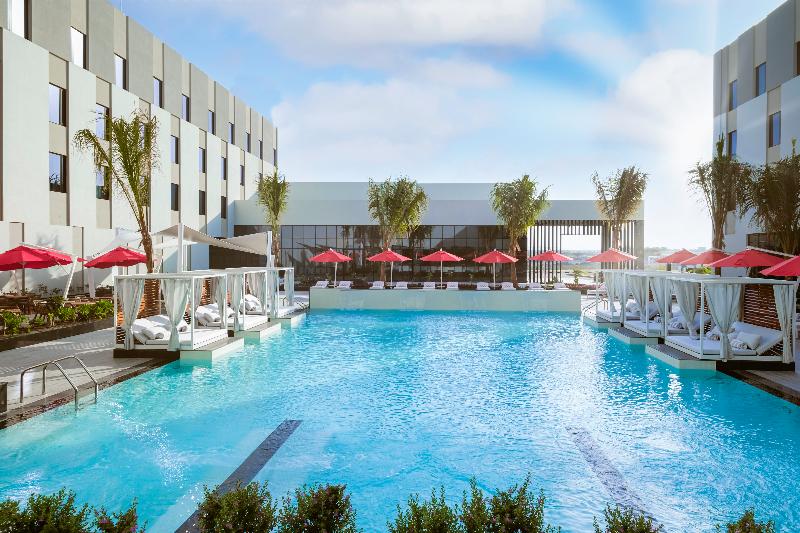
★★★★
Avani Muscat Hotel & Suites
Muscat
Spa · Pool · Family-friendly
See prices and rooms →
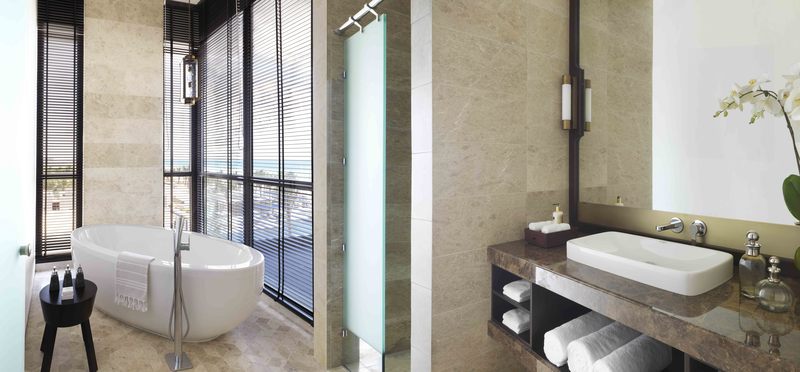
★★★★★
Al Baleed Resort Salalah by Anantara
Salalah
Spa · Pool · Family-friendly
See prices and rooms →
Getting around
Oman rewards a hire car. Distances are long and public transport is limited, but the roads are good and well signed. A 4x4 is needed for some mountain and desert routes, and it's wise to arrange a local driver or guide for the dunes. Taxis cover Muscat.
When to go
The best months for most of the country are roughly October to April, when days are warm and nights are mild. Summers are very hot on the coast and the plains, though the mountains stay cooler. The southern region of Dhofar turns green during the khareef monsoon, from about June to September.
Questions about visiting Oman
- What is Oman best known for?
- Forts and souqs, frankincense, desert dunes, turquoise wadis, mountain scenery and a relaxed, welcoming culture. Muscat's Grand Mosque is the best-known sight.
- Is Oman worth visiting?
- Yes. It offers desert, mountains, beaches and history in a safe, unhurried country. Many visitors say it is the most welcoming place in the Gulf.
- What is there to do in Oman with kids?
- Swimming at the Bimmah Sinkhole, a night in a Wahiba Sands desert camp, the Mutrah Souq and watching turtles at Ras al Jinz are all popular with families.
- How many days do you need in Oman?
- Three or four days covers Muscat. A week lets you add the mountains and Wadi Shab, and ten days adds the desert and the east coast without rushing.
- Do you need a car in Oman?
- For anything outside Muscat, yes. A hire car is the easiest way to reach the wadis, forts and mountains, with a 4x4 for rough tracks and dunes.
More guides
- Where to stay in Oman
- The best things to do in London
- The best things to do in Edinburgh
- The best things to do in Amsterdam
- The best things to do in Barcelona
- The best things to do in Budapest
- The best things to do in Dublin
- The best things to do in Krakow
- The best things to do in Prague
- The best things to do in Berlin
- The best things to do in Lisbon
- The best things to do in Milan
- The best things to do in Paris
- The best things to do in Rome