
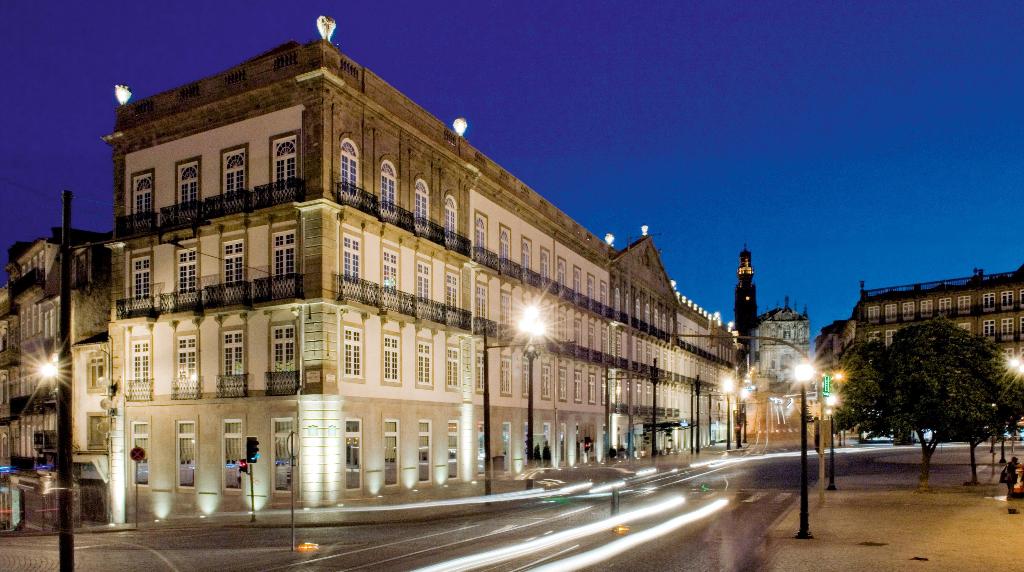
Porto is a city of steep granite hills, blue-and-white tiles and laundry flapping from tall, skinny houses that tumble down to the Douro. It is grittier and more down-to-earth than Lisbon, with a wry, hard-working pride, and it rewards anyone prepared to climb its stairways with views that stop you in your tracks.
Then there is the port. Across the river in Vila Nova de Gaia, the old wine lodges still age it in vast cellars, and upriver the Douro Valley's terraced vineyards are one of the great day trips in Europe. Add cheap, hearty food, a lively bar scene and Atlantic beaches a tram ride away, and it is easy to see why a weekend often turns into a week.
Don't miss
The big sights
Porto's historic centre is a UNESCO World Heritage Site, and most of it is a steep walk from the river.
The Ribeira
Neighbourhood

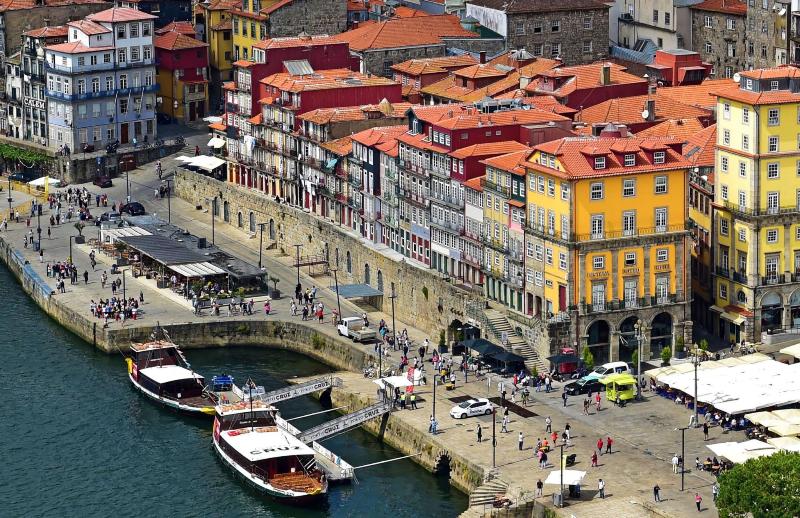
Photo: Jakub Hałun, CC BY 4.0 Porto's riverside quarter is the postcard: a jumble of colourful, tile-fronted houses stacked above a quay lined with cafés, with old rabelo boats bobbing on the water. Behind the waterfront, a warren of alleys and stairways climbs towards the cathedral, full of washing lines, tiny tascas and corner shrines.
Tip: The quayside restaurants trade on the view. Walk a street or two back for better value.
Ponte Dom Luís I
Landmark

Photo: Diego Delso, CC BY-SA 4.0 Porto's signature double-decker iron bridge, opened in the 1880s and designed by an engineer who had worked with Gustave Eiffel, leaps across the Douro between Porto and Gaia. Walk across the top deck, which you share with the metro, for a dizzying view down over the Ribeira, then come back along the lower level at river height.
Tip: At sunset, join the crowd at the Jardim do Morro on the Gaia side for the classic view of the bridge and the city.
São Bento station
Landmark

Photo: jad99 from Graz, Austria, CC BY-SA 2.0 Even if you're not catching a train, step into São Bento's entrance hall. Its walls are covered with around 20,000 blue-and-white azulejo tiles showing great moments of Portuguese history, battles, royal processions and scenes of country life. It is one of the most beautiful station halls anywhere.
Torre dos Clérigos
Landmark
The slender baroque bell tower of the Clérigos church has been Porto's landmark for centuries. Climb the narrow spiral stairs to the top for a 360-degree view over the terracotta rooftops, the river and the bridges.
Livraria Lello
Landmark

Photo: John Samuel, CC BY-SA 4.0 A neo-Gothic bookshop with carved wooden shelves, a stained-glass skylight and a swirling crimson staircase that seems to float in the middle of the room. It is so popular that you need a ticket to get in, and the queue is part of the experience.
Tip: Book a timed ticket online and go at opening time, before the queue snakes round the block.
Port, river and sea
Port lodges of Vila Nova de Gaia
Food

Photo: Belarmino Ribeiro, CC BY 3.0 Port wine is made upriver in the Douro Valley, but for centuries it has been brought down to Gaia to age in the cool, damp lodges along the south bank. Famous names line the waterfront and climb the hill behind, and most offer cellar tours ending with a tasting of tawnies, rubies and whites.
Tip: Book tours ahead in summer. A white port and tonic on a terrace overlooking the river is the local aperitif.
Douro river cruise
Activity

Photo: Michael Gaylard from Horsham, UK, CC BY 4.0 The short 'six bridges' cruises that leave from both banks are the easiest way to see Porto from the water, passing under every bridge from the elegant Ponte Dom Luís I to the modern concrete spans upstream. Many go out in boats styled on the old rabelos that once carried port barrels downriver.
Foz do Douro
Neighbourhood
Where the Douro finally meets the Atlantic, Porto turns into a seaside town. Ride the historic tram along the river, then stroll the long promenade past rocky beaches, lighthouses and old forts, stopping for a drink as the sun sinks into the ocean.
Churches, art and architecture
Igreja de São Francisco
Landmark
Plain and Gothic on the outside, the church of St Francis is an astonishing blaze of gilded baroque woodcarving within, every surface dripping with gold. Below it, the catacombs hold the tombs of friars and wealthy merchants.
Serralves
Museum
Porto's contemporary art museum is a cool, white building by the Portuguese architect Álvaro Siza, set in beautiful landscaped grounds with a pink art deco villa, formal gardens, woodland and a treetop walk. Come for the exhibitions, stay for the park.
Casa da Música
Landmark
Rem Koolhaas's concert hall looks like a giant white crystal dropped on to the Boavista roundabout. Guided tours show off its striking interiors, but the best way in is with a ticket for one of its concerts, which range from classical to jazz and fado.
Eat and drink
Porto food is generous, unfussy and very good value.
Francesinha
Food

Photo: Ih8connecticut, CC0 Porto's gloriously excessive signature sandwich: layers of bread, steak, ham and sausage, smothered in melted cheese and drowned in a rich, beery tomato sauce, often with a fried egg on top and chips on the side. Every café claims to make the best one. You'll need a walk afterwards.
Mercado do Bolhão
Market

Photo: Afsalgado, CC BY-SA 4.0 Porto's grand old market hall reopened in 2022 after a long restoration, and it is once again full of fishmongers, flower sellers, butchers and fruit stalls, with little counters for petiscos and a glass of wine.
Seafood in Matosinhos
Food
Just north of the city, the fishing port of Matosinhos is where Porto goes for grilled fish. Restaurants along its streets set up charcoal grills on the pavement and cook sardines, sea bass and octopus over the coals. Order whatever was landed that morning.
Tip: The metro runs straight there. Combine it with a walk on the big sandy beach.
Day trips
The Douro Valley
Day trip

Photo: mat's eye, CC BY 2.0 Upriver from Porto, the Douro winds through steep hills sculpted into terraced vineyards, a UNESCO World Heritage landscape and the home of port. Visit a quinta for a tasting, take a boat trip from Pinhão or Peso da Régua, and ride the train that runs along the riverbank, one of the most scenic lines in Europe.
Tip: Trains leave from São Bento. Go for at least a day; staying overnight at a quinta is even better.
Guimarães
Day trip

Photo: John Samuel, CC BY-SA 4.0 Proudly known as the birthplace of Portugal, since the country's first king, Afonso Henriques, is traditionally said to have been born here, Guimarães has a hilltop castle, a grand ducal palace and a beautifully kept medieval centre that is a UNESCO World Heritage Site.
Braga
Day trip
Portugal's religious capital is a lively university town of churches and squares. Just outside it, the sanctuary of Bom Jesus do Monte sits atop a spectacular zigzagging baroque staircase. Climb it, or ride the old water-powered funicular alongside.
Where to stay in Porto
Not sure which area suits you? Read our guide: Where to stay in Porto →

★★★★
AC Porto
Porto
Spa · Parking
From £145 a night, taxes incl.2 adults · checked 1 Oct, 18:52
★★★★
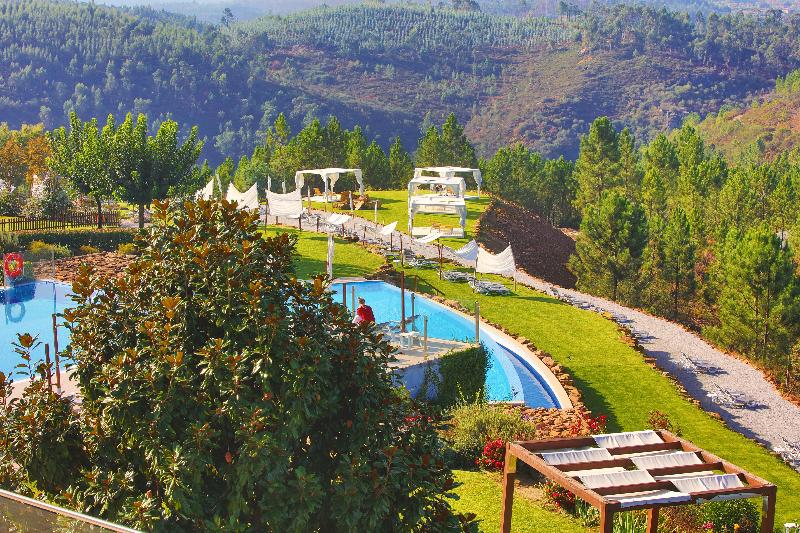
Água Hotels Mondim de Basto
Mondim de Basto
Spa · Pool
From £125 a night, taxes incl.2 adults · checked 1 Oct, 18:52
★★★★★
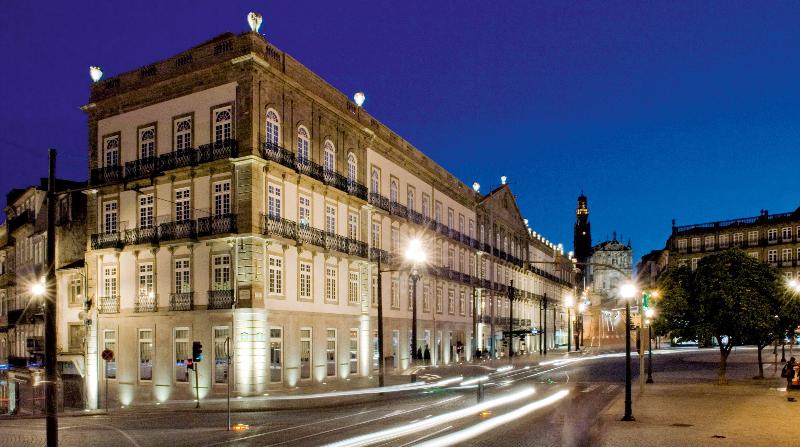
InterContinental Porto Palacio das Cardosas
Porto
Beach 3 km · Spa · Parking
From £330 a night, taxes incl.2 adults · checked 1 Oct, 18:52

★★★★
AP Aeroporto Porto
Moreira
64 rooms · Parking
See prices and rooms →
★★★★
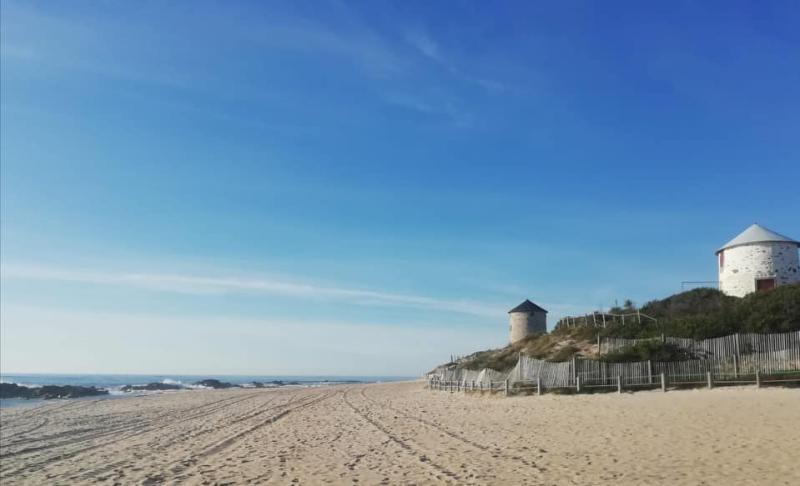
Apulia Praia Hotel
Apulia
Beach 150 m · Spa · Parking
See prices and rooms →
★★★★★
Pestana Vintage Porto-Hotel & World Heritage Site
Oporto
Spa · Parking
From £327 a night, taxes incl.2 adults · checked 1 Oct, 18:52

★★★★
Aquae Flaviae - Premium Chaves
Chaves
Pool · Parking
From £116 a night, taxes incl.2 adults · checked 1 Oct, 18:52
★★★★★
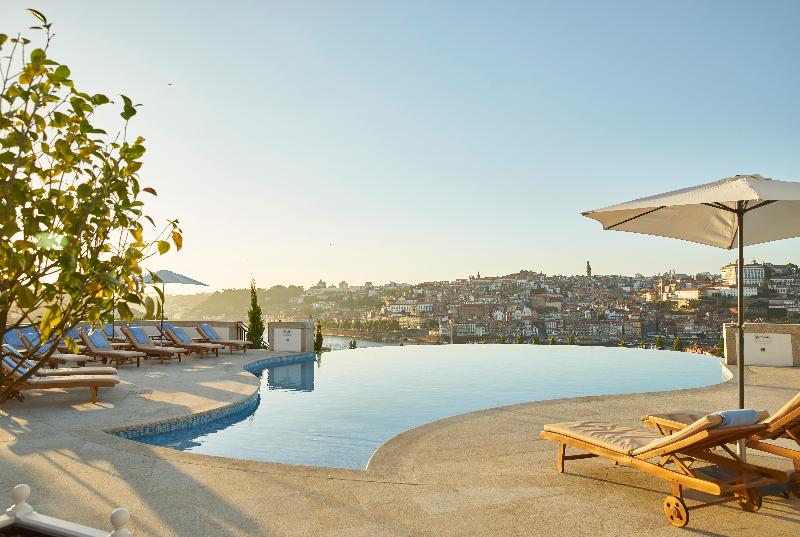
The Yeatman
Vila Nova de Gaia, Porto
Spa · Pool · Family-friendly
See prices and rooms →
Getting around
The centre is walkable but very hilly, so wear good shoes. The metro links the airport, the centre, Gaia and Matosinhos, and historic trams run along the river to Foz. Trains for the Douro Valley, Guimarães and Braga leave from São Bento and Campanhã.
When to go
Late spring to early autumn brings the warmest, sunniest weather. The festival of São João in June is Porto's biggest party. Winters are mild but often wet. The Douro Valley is especially beautiful during the September grape harvest.
Questions about visiting Porto
- What is Porto best known for?
- Port wine, its riverside Ribeira district and the Dom Luís I bridge, blue-and-white azulejo tiles, the francesinha sandwich, and being the gateway to the Douro Valley.
- How many days do you need in Porto?
- Two or three days covers the city, the port lodges and a trip to Foz. Add a day for the Douro Valley.
- Is the Douro Valley worth a day trip from Porto?
- Yes. The terraced vineyards are spectacular, and you can go by train, boat or tour. Staying a night lets you see it at a slower pace.
- Is Porto good for a weekend break?
- Very. It is compact, the food and wine are excellent value, and the main sights are close together.
More guides
- Where to stay in Porto
- The best things to do in London
- The best things to do in Edinburgh
- The best things to do in Amsterdam
- The best things to do in Barcelona
- The best things to do in Budapest
- The best things to do in Dublin
- The best things to do in Krakow
- The best things to do in Prague
- The best things to do in Berlin
- The best things to do in Lisbon
- The best things to do in Milan
- The best things to do in Paris
- The best things to do in Rome