
Portugal packs an improbable amount into a narrow strip of the Atlantic coast. Two of Europe's most characterful cities, a river valley terraced with vines, medieval towns behind whitewashed walls, and a southern shore of honey-coloured cliffs and warm, clear coves. Offshore, Madeira and the Azores add volcanoes, crater lakes and gardens that flower all year.
It is a country that still feels unhurried. Trams grind up hills they have climbed for a century, lunch is long, and a custard tart and a coffee count as a perfectly reasonable plan for the next half hour. Come for the beaches if you like, but give the cities and the countryside their share of your time. They are what you will remember.
Don't miss
Lisbon and around
A capital of seven hills, tiled façades and Atlantic light.
Belém Tower and Jerónimos Monastery
Landmark

Photo: Diego Delso, CC BY-SA 3.0 Portugal's Age of Discovery set sail from Belém, on the river west of central Lisbon, and two UNESCO-listed monuments remember it. The Belém Tower is a small, ornate fortress standing in the shallows of the Tagus. The Jerónimos Monastery nearby is vast, its cloister carved with ropes, sea creatures and other maritime flourishes; Vasco da Gama is buried inside. Afterwards, join the queue at the famous old bakery down the road for a warm custard tart. Everybody does.
Tip: Come first thing in the morning. Queues for both monuments build quickly.
Alfama and Tram 28
Neighbourhood

Photo: Paul Arps from The Netherlands, CC BY 2.0 Alfama is Lisbon's oldest quarter, a tangle of steps and alleys that survived the great earthquake of 1755. Washing hangs between the houses, fado drifts from restaurant doorways at night, and the hilltop São Jorge Castle looks out over the rooftops to the river. The little yellow Tram 28 rattles right through it, squeezing round corners with inches to spare. Ride it once for the fun, then get off and get lost on foot.
Tip: The tram is famously crowded. Board at the start of the line, early or late in the day.
Sintra and Pena Palace
Day trip

Photo: CEphoto, Uwe Aranas, CC BY-SA 3.0 In wooded hills a short train ride from Lisbon, Portugal's kings and aristocrats built their summer retreats, and the result is a UNESCO-listed fantasy land. Pena Palace is the star, a hilltop confection of red and yellow towers, domes and battlements. Below it are the mossy ramparts of the Moorish Castle and the mysterious gardens of Quinta da Regaleira, with its spiral well.
Tip: Sintra is cooler and mistier than Lisbon, and very busy. Start early and choose two or three sights rather than attempting them all.
Cascais
Beach
The railway that hugs the coast west of Lisbon ends at Cascais, a former fishing village turned elegant seaside town. Small sandy beaches sit right in the centre, a marina and old fortress stand guard, and the seafront promenade runs all the way to Estoril. It is the easiest beach day from the capital, and a relaxed base in its own right.
Porto and the north
Ribeira and the Dom Luís I Bridge
Neighbourhood

Photo: Dale Cruse - 10M views from San Francisco, CA, USA, CC BY 4.0 Porto tumbles down a steep hillside to the River Douro, and the Ribeira waterfront at the bottom is its most atmospheric corner: tall, narrow houses in faded colours above a quay lined with café tables. The whole historic centre is a UNESCO World Heritage Site. Soaring over it is the Dom Luís I Bridge, a double-decked iron arch. Walk across the top level for the best view in the city, then come down to the wine lodges on the far bank.
The Douro Valley
Nature

Photo: mat's eye, CC BY 2.0 Upriver from Porto, the Douro winds between hills cut into thousands of vineyard terraces, the birthplace of port wine and one of the oldest demarcated wine regions in the world. It is glorious to look at, especially at harvest time in early autumn. See it by boat, by the railway that follows the riverbank, or by car on famously scenic roads. Many of the wine estates, called quintas, welcome visitors for tastings and lunch.
Old towns and the heartland
Óbidos
Landmark

Photo: Diego Delso, CC BY-SA 4.0 A tiny hill town still completely encircled by its medieval walls, north of Lisbon. Inside, whitewashed houses trimmed in blue and yellow line cobbled lanes splashed with bougainvillea. You can walk the ramparts for views over the rooftops, then try a ginjinha, the local cherry liqueur, traditionally served in a little cup made of chocolate.
Nazaré
Beach

Photo: Alvesgaspar, CC BY-SA 3.0 Nazaré is a fishing town with a long, sandy beach and a cliff-top quarter reached by funicular. In winter it becomes famous for something else: an undersea canyon funnels Atlantic swells into some of the biggest waves ever surfed. Watch from the headland by the lighthouse. In summer the sea calms down and the town is a lively, traditional beach resort.
The University of Coimbra
Landmark
Coimbra was Portugal's medieval capital and is home to one of the oldest universities in Europe, set in a former royal palace on top of the hill. The highlight is the Joanina Library, a gilded Baroque hall of painted ceilings and carved shelves. Students in black capes still give the city a youthful energy, and its own soulful style of fado.
Évora
Landmark

Photo: Norbert Nagel, CC BY-SA 3.0 The capital of the sun-baked Alentejo is a walled, whitewashed city with a Roman temple standing in its main square. It also has a fortress-like cathedral and the Chapel of Bones, whose walls are lined with the skulls and bones of thousands of people. Outside town lie cork oak forests, vineyards and prehistoric standing stones. Go for slow lunches and big skies.
The Algarve coast
Portugal's sunny south: golden cliffs, sea caves and dependable beach weather.
Ponta da Piedade
Nature

Photo: Paul Wilkinson from London, United Kingdom, CC BY 2.0 Just outside Lagos, the coast breaks up into a maze of ochre sea stacks, arches and grottoes rising from turquoise water. A long flight of steps leads down the cliff to a tiny landing stage where small boats wait to take you through the caves. Kayak and paddleboard trips leave from Lagos too. Come at sunset when the rock glows orange.
Benagil Cave
Nature
The Algarve's most photographed spot is a sea cave near the village of Benagil with a round hole in its roof, so that sunlight pours down onto a hidden beach inside. It can only be reached from the water, by boat tour or guided kayak, and rules on landing inside have been tightened to protect it. Go with a licensed operator.
Tip: Choose an early departure. The cave gets crowded and the sea is usually calmer in the morning.
Praia da Marinha
Beach

Photo: Tobi 87, CC BY-SA 3.0 Often picked out as one of the most beautiful beaches in Portugal, Marinha is a sweep of golden sand beneath sculpted limestone cliffs, with rock arches and clear water that is superb for snorkelling. A cliff-top trail runs from here along the coast towards Benagil, with a new view round every corner. Steps lead down, so it is less suited to pushchairs.
The islands
Madeira's levada walks
Nature
Madeira is a mountainous, subtropical island far out in the Atlantic, known for its gardens, its fortified wine and its mild weather all year. The best way to see it is on foot along the levadas, narrow irrigation channels that contour around the hillsides through ancient laurel forest, past waterfalls and along airy ledges. There are gentle strolls and serious hikes.
Tip: Some levadas pass through unlit tunnels. Bring a torch and a waterproof.
Sete Cidades, the Azores
Nature

Photo: Vitor Oliveira from Torres Vedras, PORTUGAL, CC BY-SA 2.0 On São Miguel, the largest island of the Azores, an enormous volcanic crater holds twin lakes, one green and one blue according to the light, with a white village on the shore between them. Viewpoints on the rim look down on the whole scene. Elsewhere the island offers hot springs, tea plantations and whale watching. It suits walkers and anyone who likes their scenery dramatic.
Eat and drink
Pastéis de nata
Food

Photo: Photo Claude TRUONG-NGOC, CC BY-SA 3.0 Portugal's national pastry is a small custard tart in crisp, flaky pastry, its top blistered dark in a fierce oven. Eat it warm, dusted with cinnamon, standing at a café counter with a short, strong coffee. The original recipe comes from Belém in Lisbon, but every town has a bakery that claims to make the best.
Port wine lodges
Food
Port may be named after Porto, but it is aged across the river in Vila Nova de Gaia, where the famous shippers have kept their cellars for centuries. Most offer tours of the cool, dim warehouses lined with barrels, ending with a tasting of ruby, tawny and white ports. The riverside terraces here also have the best view back to Porto.
Where to stay in Portugal
Not sure which area suits you? Read our guide: Where to stay in Portugal →
★★★★
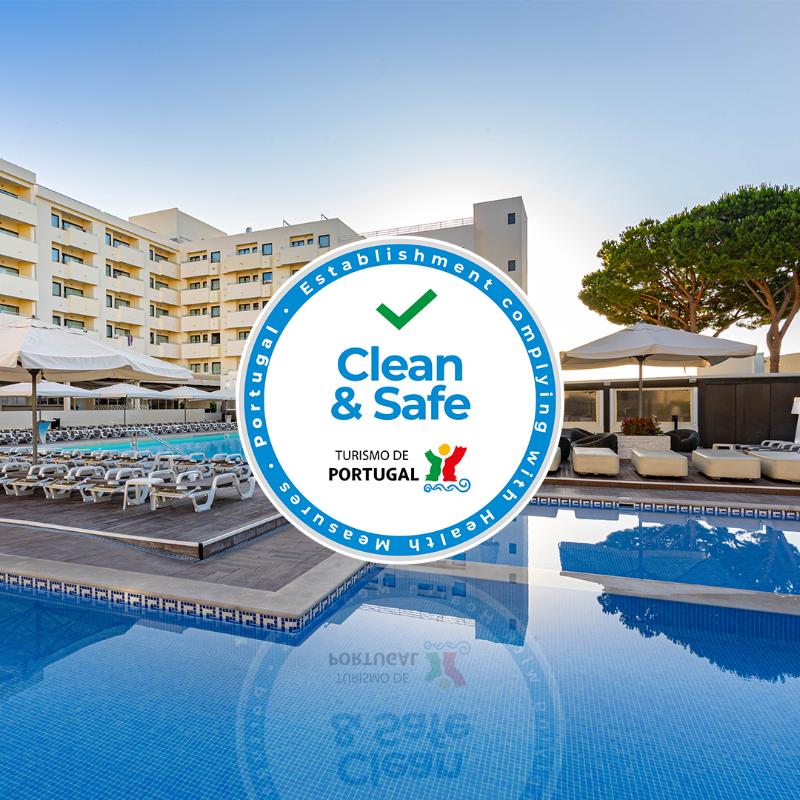
Albufeira Sol Hotel & Spa
Albufeira
Beach 900 m · All-inclusive option · Pool
See prices and rooms →
★★★★
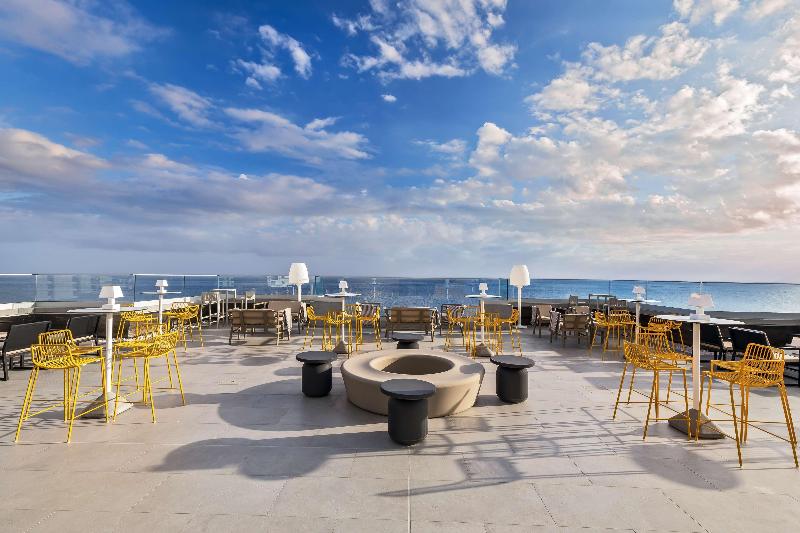
Allegro Madeira - Adults Only, Member of Barcelo
Funchal
Adults only · Parking
From £118 a night, taxes incl.2 adults · checked 14 Nov, 06:07

★★★★★
Tivoli Avenida Liberdade Lisboa
Lisboa
All-inclusive option · Spa · Pool
From £291 a night, taxes incl.2 adults · checked 14 Nov, 01:37

★★★★
AP Eva Senses
Faro
Spa · Pool
From £101 a night, taxes incl.2 adults · checked 14 Nov, 16:07

★★★★
Aqualuz Lagos by The Editory
Lagos, Algarve
Beach 600 m · Pool · Family-friendly
From £75 a night, taxes incl.2 adults · checked 14 Nov, 14:52

★★★★★
Tivoli Kopke Porto Gaia Hotel
Vila Nova de Gaia
Spa · Pets allowed · Parking
From £143 a night, taxes incl.2 adults · checked 14 Nov, 04:23

★★★★
Axis Ofir Beach Resort
Esposende
Beach 20 m · Pool · Family-friendly
From £54 a night, taxes incl.2 adults · checked 14 Nov, 04:23

★★★★★
Tivoli Marina Vilamoura Algarve Resort
Quarteira
Beach 50 m · Spa · Pool
From £171 a night, taxes incl.2 adults · checked 14 Nov, 16:07
Getting around
Trains link Lisbon, Coimbra and Porto, and run south to the Algarve. Lisbon and Porto are best explored on foot and by tram and metro; be ready for hills. A hire car is the easiest way to explore the Algarve coast, the Alentejo and the Douro Valley. Madeira and the Azores are reached by air.
When to go
Spring and early autumn are ideal: warm, sunny and less crowded than high summer. July and August are hot and busy, especially in the Algarve. Winters are mild in the south and on Madeira, and wetter in the north. The Atlantic is cool for swimming all year.
Questions about visiting Portugal
- What is Portugal best known for?
- The hilly, tiled cities of Lisbon and Porto, the beaches and cliffs of the Algarve, port wine and the Douro Valley, custard tarts, fado music and its seafaring history.
- How many days do you need in Portugal?
- A week is enough for Lisbon, Sintra and either Porto or the Algarve. With ten days to two weeks you can travel the length of the country from Porto to the south coast.
- Do you need a car in Portugal?
- Not for Lisbon or Porto, where a car is more trouble than it is worth. It is very useful in the Algarve, the Alentejo and the Douro Valley, and on Madeira and the Azores.
- What is there to do in Portugal with kids?
- The Algarve's sandy beaches, boat trips to the sea caves and water parks are the big draws, along with tram rides in Lisbon and the fairytale palaces of Sintra.
More guides
- Where to stay in Portugal
- The best things to do in London
- The best things to do in Edinburgh
- The best things to do in Manchester
- The best things to do in York
- The best things to do in Amsterdam
- The best things to do in Birmingham
- The best things to do in Liverpool
- The best things to do in Bristol
- The best things to do in Barcelona
- The best things to do in Budapest
- The best things to do in Cambridge
- The best things to do in Dublin
- The best things to do in Krakow