
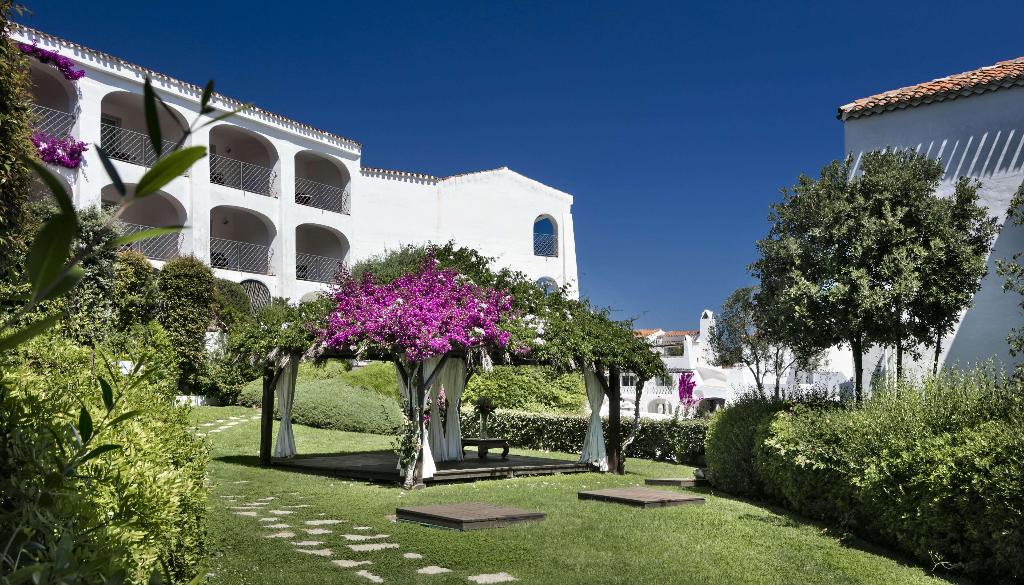
Sardinia is Italy with the volume turned down and the colours turned up. The water is the clear, impossible blue you see in the brochures. But there's far more here than sun loungers: sea caves reached by boat, towers older than Rome, a walled Catalan-flavoured port, and a food culture built on suckling pig, handmade pasta and bread as thin as paper.
It's a big island and the best bits are far apart, so think in regions. Base yourself in the north for the Costa Smeralda, La Maddalena and the Alghero coast, or in the south around Cagliari and Pula for city streets and long beaches. Hire a car either way. The reward for the driving is empty coves and a lunch you'll talk about for a year.
Don't miss
Beaches and the sea
Sardinia’s coast is the reason most people come, and it earns the reputation.
La Pelosa
Beach

Photo: Tommie Hansen from Stockholm, Sweden, CC BY 2.0 At the island's north-west tip near Stintino, La Pelosa is a curve of fine pale sand and shallow, glassy water, with an old Aragonese watchtower standing on a rock just offshore. It looks like a lagoon in the Indian Ocean, which is exactly why everyone wants to be there.
Tip: Access is managed in high season, so check the current rules before you go and arrive early.
Cala Goloritzé
Beach

Photo: Mentnafunangann, CC BY-SA 3.0 A small pebble cove on the Gulf of Orosei, squeezed between limestone cliffs and guarded by a slender stone pinnacle that rises straight out of the sea. There's no road. You walk in, which keeps the crowds manageable and makes the first glimpse of the water feel earned.
Tip: Visits are regulated and the route is a proper hike, so wear sturdy shoes and check the access rules beforehand.
Cala Luna
Beach
A crescent of sand and pebbles at the end of a dry river valley near Cala Gonone, with big sea caves along the back of the beach. Most people arrive by boat from Cala Gonone; the more determined walk in along the coast.
The La Maddalena archipelago
Nature
A national park of granite islands off the north-east coast, reached by a short ferry from Palau. Pink-tinged beaches, wind-sculpted rocks and water in every shade of turquoise. On Caprera, you can visit the home of Giuseppe Garibaldi, who spent his last years here.
Tip: Boat trips from Palau and the surrounding coast are the easiest way to reach the quieter islands.
Coast and towns
Porto Cervo and the Costa Smeralda
Neighbourhood

Photo: Bärwinkel,Klaus, CC BY-SA 4.0 The Costa Smeralda was conjured up in the 1960s by a consortium led by the Aga Khan, and Porto Cervo is its stage set: a marina of superyachts, pastel-washed piazzas and designer shops. Come for the people-watching, then escape to the coves nearby, which are the real draw.
Alghero
Neighbourhood

Photo: trolvag, CC BY-SA 3.0 A walled port on the north-west coast with a Catalan accent: the town was settled from Catalonia in the Middle Ages, and street signs are still bilingual. Walk the golden ramparts at sunset, get lost in the lanes of the old town and eat seafood on the harbour.
Tip: Alghero is the easiest base for Neptune’s Grotto, Capo Caccia and the north-west.
Cagliari Castello
Neighbourhood

Photo: Giuseppe Barberis, Public domain The island's capital climbs a hill above the sea, and the old Castello quarter sits on top behind its fortified walls: steep lanes, a Pisan-era cathedral and terraces looking over the rooftops to the bay. Below, the Marina and Stampace districts are good for evening wandering and aperitivo.
Ancient Sardinia and caves
Neptune's Grotto
Nature

Photo: Daniel Ventura, CC BY-SA 4.0 Under the cliffs of Capo Caccia near Alghero, Grotta di Nettuno is a vast sea cave of stalactites and a glittering saltwater lake. You can reach it by boat from Alghero's port, or by walking down the long cliffside staircase from the headland above.
Tip: Sea conditions decide whether boats can land, so have a plan B for rough days.
Su Nuraxi
Landmark

Photo: Norbert Nagel, CC BY-SA 3.0 Sardinia is dotted with nuraghi, the stone towers built by the island's Bronze Age people, and Su Nuraxi at Barumini is the most impressive. This UNESCO World Heritage site has a towering central keep ringed by bastions and the remains of a village. It's over three thousand years old, and it's astonishing.
Tip: Visits are generally by guided tour, so book ahead in summer.
Tharros
Landmark

Photo: Photograph by Mike Peel (www.mikepeel.net)., CC BY-SA 4.0 On the tip of the Sinis peninsula near Oristano, the ruins of Tharros were a Phoenician, then Roman, port town. Columns and paved streets stand by the sea, with a Spanish watchtower above and white sand beaches nearby for afterwards.
Eat and drink
Culurgiones
Food

Photo: Marica Massaro, CC BY-SA 4.0 Ogliastra's handmade ravioli, stuffed with potato, pecorino and mint and pinched shut in a braided pattern that looks like an ear of wheat. Served simply with tomato sauce and more cheese. Order them wherever you see them on a menu.
Porceddu
Food

Photo: Japs 88, CC BY-SA 4.0 Sardinia's celebration dish: suckling pig roasted slowly over myrtle or juniper wood until the skin is shatteringly crisp and the meat is tender. It's the centrepiece of a feast, usually in an agriturismo or a village restaurant inland. Bring an appetite and expect a long lunch.
Seadas
Food

Photo: Terendo, Public domain A large fried pastry filled with fresh, slightly sour cheese and finished with a drizzle of honey. Sweet and salty together, and the best way to close a Sardinian meal. Pair it with a glass of Vernaccia or a shot of mirto, the local myrtle liqueur.
Cannonau and Vermentino
Food
Cannonau is the island's rich, dark red, made from the Grenache grape; Vermentino is the crisp white that goes with everything from the sea. Both are worth seeking out at a cantina or wine bar, and a handful of the best producers welcome visitors for tastings.
Tip: Pane carasau, the paper-thin crisp flatbread, will arrive on the table with almost every meal. Eat it with oil and salt.
Where to stay in North Sardinia
Not sure which area suits you? Read our guide: Where to stay in Sardinia →
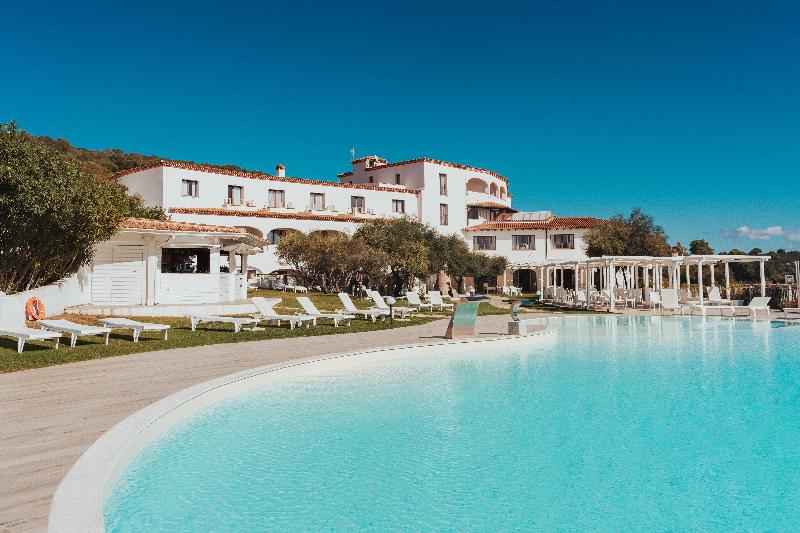
★★★★
Hotel dP Olbia - Sardinia
Olbia
Beach 2.5 km · Pool · 74 rooms
From £95 a night, taxes incl.2 adults · checked 2 Oct, 02:07
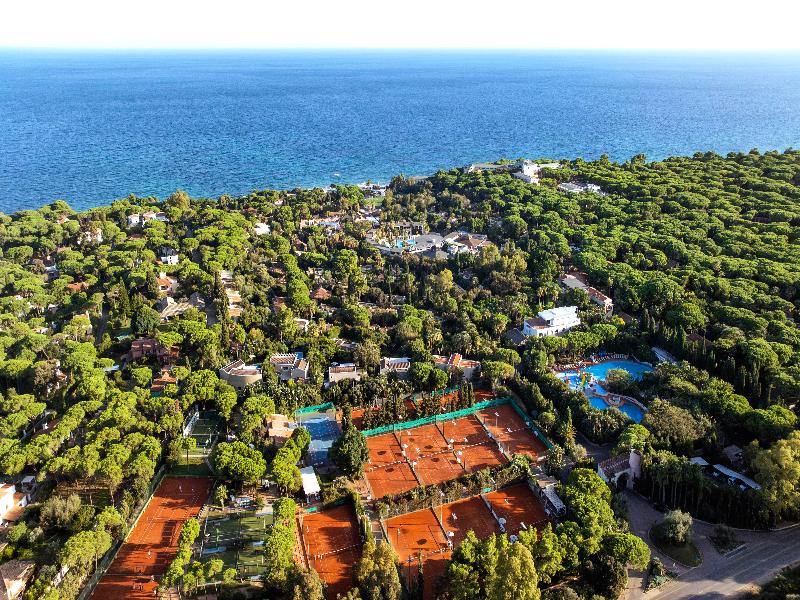
★★★★
Forte Village Resort Bouganville
Pula
Spa · Pool · Family-friendly
See prices and rooms →
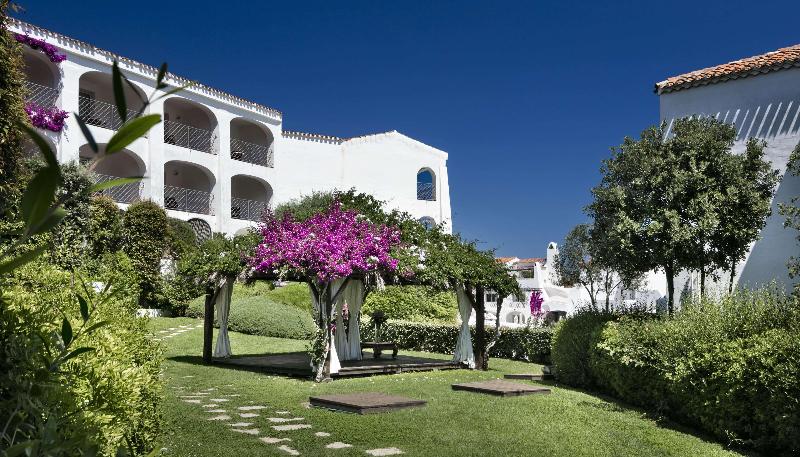
★★★★★
Grand Hotel Poltu Quatu
Arzachena
Pool · 68 rooms · Family-friendly
See prices and rooms →
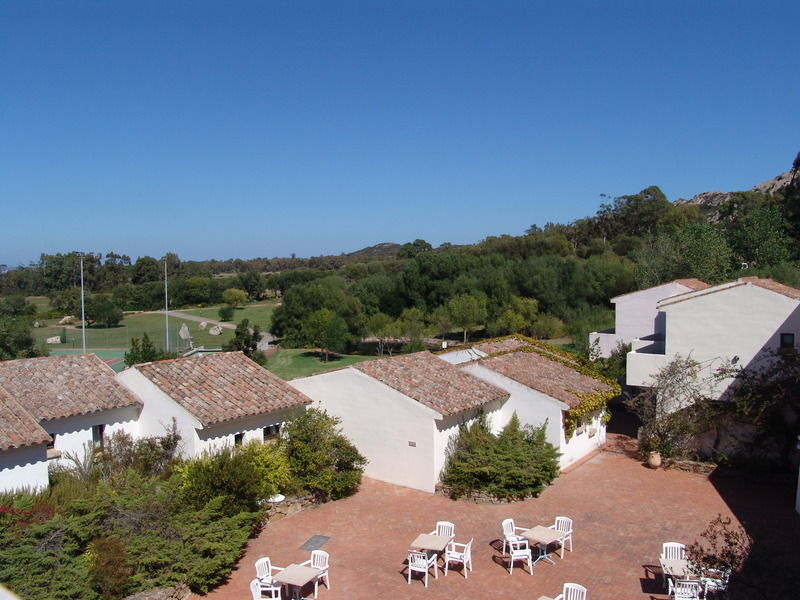
★★★★
Airone Hotel
Arzachena
Pool · Family-friendly · Parking
See prices and rooms →
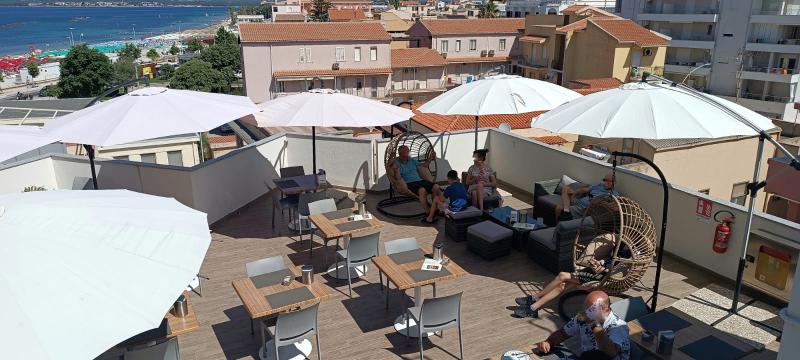
★★★★
Alma di Alghero Hotel
Alghero
Beach 20 m · Pool · Parking
From £116 a night, taxes incl.2 adults · checked 2 Oct, 02:07
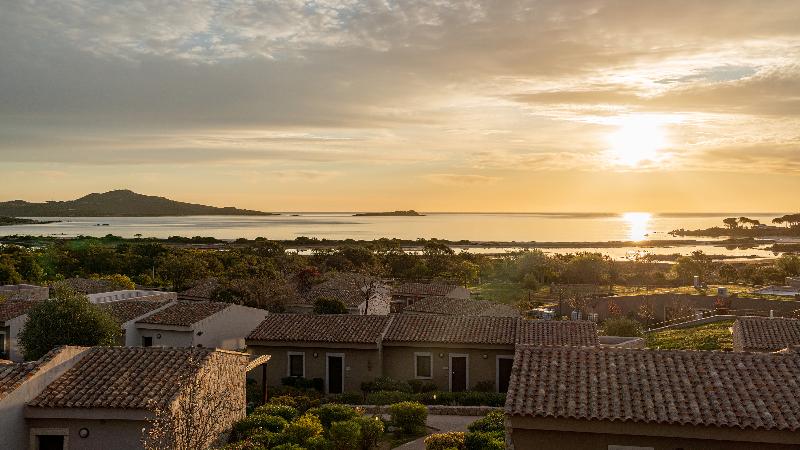
★★★★★
Baglioni Resort Sardinia
San Teodoro
Pool · 78 rooms · Parking
See prices and rooms →
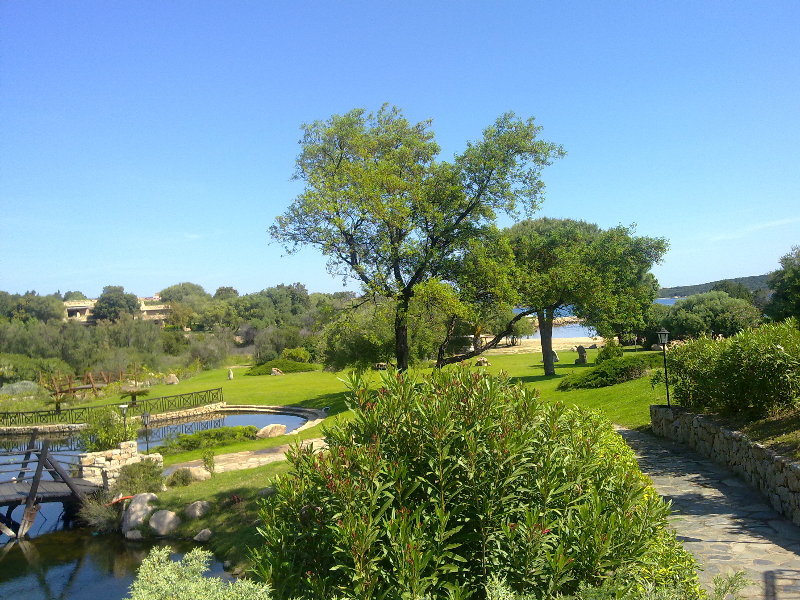
★★★★
Bagaglino I Giardini Di Porto Cervo
Localita Liscia Di V
Beach 50 m · Family-friendly · Parking
See prices and rooms →
★★★★★
Villa Las Tronas Hotel & SPA
Alghero
Spa · Pool · 24 rooms
See prices and rooms →
Getting around
Sardinia is the second-largest island in the Mediterranean and public transport is thin outside the cities, so a hire car is close to essential. Ferries link Palau with La Maddalena, and boat trips run from most resort ports. Allow more time than the map suggests: coastal and mountain roads are slow.
When to go
June and September are the sweet spot: warm sea, long days and fewer crowds than July and August, when the beaches and the roads are at their busiest. Spring is lovely for walking and wild flowers, though the water is still cool.
Questions about visiting North Sardinia
- What is Sardinia best known for?
- Its beaches and clear turquoise water, from La Pelosa in the north-west to the coves of the Costa Smeralda and the Gulf of Orosei. It's also known for the ancient nuraghe towers, its distinctive food and the walled port of Alghero.
- Is Sardinia worth visiting?
- Yes, especially if you like your beaches wild and your history ancient. It's one of the Mediterranean's best islands for combining swimming with sightseeing, and the food is excellent.
- How many days do you need in Sardinia?
- A week gives you a proper holiday in one region with a few day trips. To see both north and south you would want ten days or more, because distances are long.
- Do you need a car in Sardinia?
- For anything beyond your resort or Cagliari, yes. Many of the best beaches, nuraghi and villages are off the bus routes, and a car gives you freedom to reach them.
More guides
- Where to stay in Sardinia
- The best things to do in London
- The best things to do in Edinburgh
- The best things to do in Amsterdam
- The best things to do in Barcelona
- The best things to do in Budapest
- The best things to do in Dublin
- The best things to do in Krakow
- The best things to do in Prague
- The best things to do in Berlin
- The best things to do in Lisbon
- The best things to do in Milan
- The best things to do in Paris
- The best things to do in Rome