
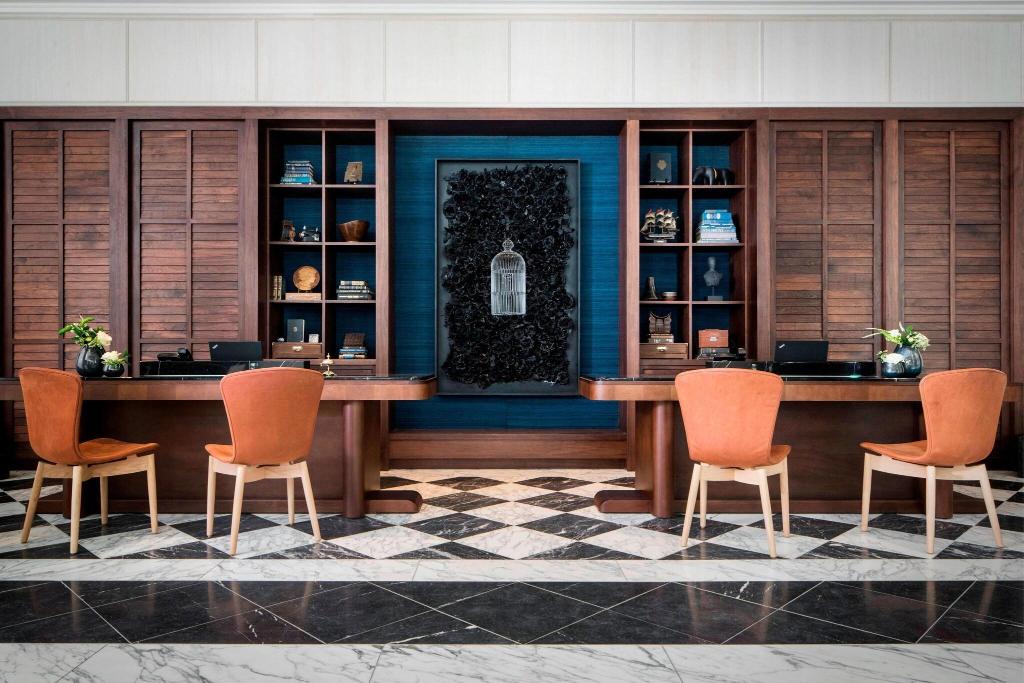
Savannah is the South at its most seductive. Georgia's oldest city was laid out in 1733 around a chain of leafy squares, and nearly all of them survive, shaded by enormous live oaks trailing grey Spanish moss. Between them run streets of brick townhouses with iron balconies, church spires, fountains and gardens. It is one of the most beautiful places to walk in America, and one of the slowest, in the best sense.
There is a mischievous side too. This is a city of ghost stories and eccentric characters, made famous by the book Midnight in the Garden of Good and Evil, where you may legally carry your cocktail down the street in a plastic cup. Eat shrimp and grits, linger in the squares, then drive out to the beach at Tybee Island when the heat gets too much.
Don't miss
The big sights
The Historic District is the attraction. Start walking.
The historic squares
Landmark

Photo: Michael Rivera, CC BY-SA 4.0 General James Oglethorpe planned Savannah as a grid broken up by public squares, and twenty-two of them remain, each a small park with its own monuments, benches and character. Chippewa Square is where Forrest Gump sat waiting for his bus. Monterey and Madison are among the prettiest, ringed by grand old houses.
The joy is in wandering from one to the next down Bull Street, with no plan at all. Every few minutes the trees close over your head again.
Tip: Walk the squares early in the morning in summer, before the heat and humidity build.
Forsyth Park
Nature

Photo: Bubba73 (Jud McCranie), CC BY-SA 4.0 At the southern end of the Historic District, the squares open out into a big, graceful park. Its centrepiece is a white cast-iron fountain from the 1850s, framed by an avenue of moss-hung oaks, and it is the image on most Savannah postcards. Locals come to jog, picnic, play frisbee and doze on the grass.
On Saturdays a farmers' market sets up at the south end. Bring a coffee and join in.
River Street
Neighbourhood

Photo: Seasider53, CC BY-SA 4.0 Down a steep flight of stone steps from the city above, old cotton warehouses line a cobbled quay along the Savannah River. They are now filled with restaurants, bars, sweet shops and souvenir stalls, and huge container ships glide past almost within touching distance. The cobbles are ballast stones left behind by sailing ships.
It is unashamedly touristy and good fun, especially in the evening. Watch your footing on the stairs.
Tip: Look out for pralines, the sugary pecan sweets made in the shops here. Free samples are part of the tradition.
Cathedral Basilica of St. John the Baptist
Landmark

Photo: bubba73, CC BY-SA 3.0 The twin white spires of Savannah's Catholic cathedral rise above Lafayette Square and can be seen across the city. The interior is a surprise after the plain exterior: soaring blue and gold vaulting, painted murals, marble and a blaze of stained glass. Step in for ten quiet minutes out of the sun. It is one of the loveliest church interiors in the South.
Bonaventure Cemetery
Landmark

Photo: Bubba73, CC BY-SA 3.0 A few miles east of the centre, on a bluff above the Wilmington River, lies one of the most atmospheric cemeteries in America. Sandy lanes run beneath a canopy of oaks and moss, past weathered angels, obelisks and family plots overgrown with azaleas. The songwriter Johnny Mercer is buried here.
It is haunting rather than gloomy, and at its most beautiful in spring when the azaleas flower.
Houses, museums and stories
Telfair Museums
Museum

Photo: Bubba73 (Jud McCranie), CC BY-SA 4.0 The oldest public art museum in the South is really three sites near each other. The Telfair Academy is a Regency mansion hung with nineteenth and twentieth-century art. The Jepson Center is a bright, modern building for contemporary work. The Owens-Thomas House and Slave Quarters tells the story of everyone who lived and worked in a grand Savannah household, free and enslaved.
Mercer-Williams House
Museum

Photo: Bubba73, CC BY-SA 3.0 The handsome red-brick mansion on Monterey Square is the house at the centre of Midnight in the Garden of Good and Evil, John Berendt's bestselling true story of antiques, high society and a notorious shooting. It was the home of the antiques dealer Jim Williams, and the ground floor is open for tours of his collection. Read the book before you come.
Jones Street
Neighbourhood

Photo: JeffersonLH, CC BY-SA 4.0 Often called the prettiest street in Savannah, and it is hard to argue. A tunnel of live oaks arches over a brick-paved road lined with nineteenth-century townhouses, each with tall front steps, iron railings and gas lamps. There is nothing to do here but walk slowly and look, which is rather the point of the whole city.
Ghost tours
Activity
Savannah likes to call itself one of the most haunted cities in America, and after dark the squares fill with guides telling tales of duels, yellow fever and restless spirits. Tours go on foot, by trolley and even by hearse. Whether or not you believe a word, it is an entertaining way to hear the city's stranger history.
Eat and drink
Lowcountry cooking
Food
The food of this coast is built on what comes out of the marshes and creeks. Shrimp and grits is the signature dish, creamy ground corn topped with fat local prawns. Look too for she-crab soup, fried green tomatoes, oysters and Lowcountry boil, a one-pot feast of shrimp, sausage, corn and potatoes tipped on to the table.
Leave room for pecan pie or peach cobbler. Nobody diets in Savannah.
City Market
Nightlife
Four blocks of restored warehouses between two squares, closed to traffic and given over to restaurants, bars, art studios and sweet shops. By day you can watch artists at work upstairs; in the evening bands play in the open air and people drift about with drinks in hand. It is the easiest place in town to start a night out.
Tip: In the Historic District you may carry an alcoholic drink in a plastic cup on the street. Bars will pour yours into a to-go cup.
Leopold's Ice Cream
Food

Photo: Pokemonprime, CC BY 4.0 A Savannah institution, scooping ice cream since 1919. The parlour on Broughton Street has an old-fashioned soda fountain, staff in paper hats and flavours made to the founding family's recipes. The queue often runs down the pavement, and on a hot Georgia afternoon it is worth every minute of the wait.
Day trips
Tybee Island
Beach

Photo: Michael Sennello, Public domain Savannah's beach is about half an hour's drive east, across miles of golden salt marsh. Tybee is a laid-back barrier island with wide sandy beaches, a pier, pastel beach cottages and seafood shacks where you eat with your fingers. Georgia's oldest and tallest lighthouse stands at the north end and can be climbed.
Look out for dolphins off the beach. Families and anyone wilting in the city heat should spend a day here.
Wormsloe State Historic Site
Landmark

Photo: TwilightLiliez, CC BY-SA 4.0 The entrance to this colonial estate is one of the most famous views in Georgia: a dead-straight avenue more than a mile long, lined with hundreds of live oaks whose branches meet overhead. At the end are the tabby ruins of a fortified house built in the 1740s by one of the colony's first settlers, with trails through the marsh-side woods.
Fort Pulaski National Monument
Day trip

Photo: Jud McCranie, CC BY 3.0 On the road to Tybee stands a massive brick fort ringed by a moat, built to guard the river approach to Savannah. In 1862, during the Civil War, Union guns breached its walls in a little over a day, and you can still see the scars. Walk the ramparts, explore the vaulted rooms and follow the trails through the surrounding marsh.
Where to stay in Savannah
Not sure which area suits you? Read our guide: Where to stay in Savannah →

★★★★
Jw Marriott Savannah Plant Riverside District
Savannah
Spa · Parking
From £366 a night, taxes incl.2 adults · checked 14 Nov, 07:37

★★★★
Andaz Savannah, By Hyatt
Savannah
Spa · Pool · Parking
From £247 a night, taxes incl.2 adults · checked 14 Nov, 07:37

★★★★★
The Perry Lane, A Luxury Collection Hote, Savannah
Savannah
Spa · Pool · Parking
From £340 a night, taxes incl.2 adults · checked 14 Nov, 07:37

★★★★
Amethyst Garden Inn
Savannah
Adults only · 10 rooms · Parking
See prices and rooms →
★★★★
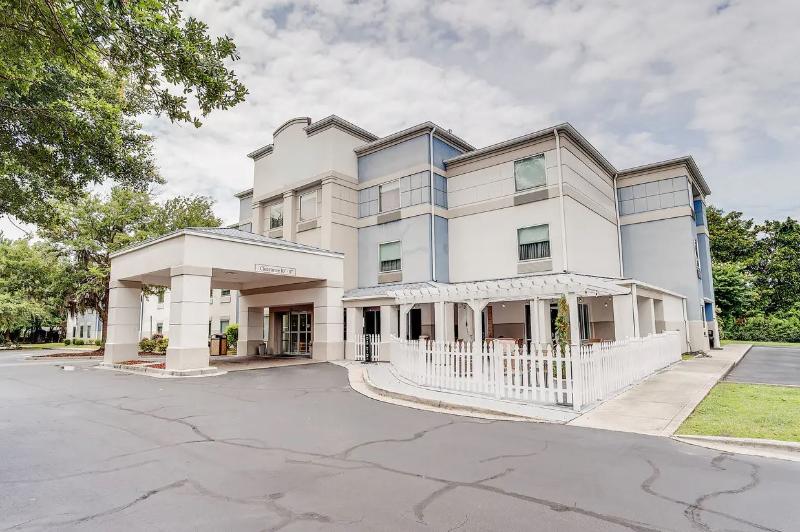
Country Inn&Suites By Radisson Savannah Southside
Savannah
Spa · Pool · 79 rooms
From £77 a night, taxes incl.2 adults · checked 14 Nov, 07:37

★★★★★
Hotel Bardo Savannah
Savannah
Spa · Pool · Family-friendly
See prices and rooms →

★★★★
DoubleTree by Hilton Savannah Airport
Savannah
Pool · Parking
From £160 a night, taxes incl.2 adults · checked 14 Nov, 07:37
★★★★★
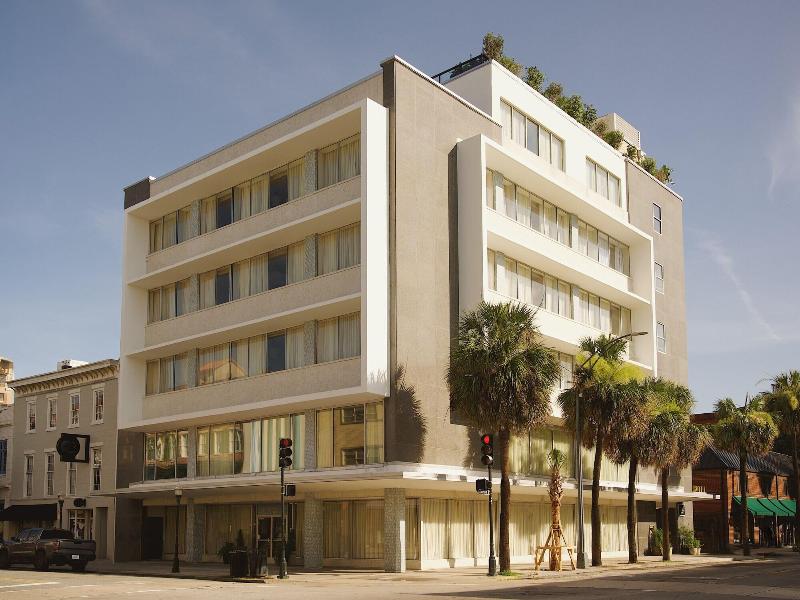
Municipal Grand
Savannah
Spa · 44 rooms
From £445 a night, taxes incl.2 adults · checked 14 Nov, 07:37
Getting around
The Historic District is flat, compact and made for walking; you can cross it on foot in well under an hour. Hop-on, hop-off trolley tours are an easy way to get your bearings. You will need a car or a taxi for Bonaventure Cemetery, Wormsloe, Fort Pulaski and Tybee Island.
When to go
Spring is the favourite season, when the azaleas bloom and the weather is warm but not oppressive. Autumn is also pleasant. Summers are hot and very humid, with afternoon thunderstorms. The city throws one of the biggest St Patrick's Day celebrations in the United States each March, when it is extremely busy.
Questions about visiting Savannah
- What is Savannah best known for?
- Its historic squares shaded by oaks and Spanish moss, its antebellum architecture, Forsyth Park and its fountain, River Street, Southern cooking and a reputation for ghost stories.
- Is Savannah worth visiting?
- Yes. It is one of the most beautiful and best-preserved historic cities in the United States, easy to explore on foot, with excellent food and a beach close by on Tybee Island.
- How many days do you need in Savannah?
- Two to three days is ideal: enough to walk the Historic District at leisure, visit a house museum or two, see Bonaventure Cemetery and spend half a day at Tybee Island.
- What is there to do in Savannah with kids?
- Run about in Forsyth Park, watch the ships on River Street, eat at Leopold's Ice Cream, take a trolley tour, explore Fort Pulaski and spend a day on the beach at Tybee Island.
- Do you need a car in Savannah?
- Not for the Historic District, which is best seen on foot. A car is useful for Tybee Island, Wormsloe and Bonaventure Cemetery, though tours and taxis also go to all three.
More guides
- Where to stay in Savannah
- The best things to do in London
- The best things to do in Edinburgh
- The best things to do in Manchester
- The best things to do in York
- The best things to do in Amsterdam
- The best things to do in Birmingham
- The best things to do in Liverpool
- The best things to do in Bristol
- The best things to do in Barcelona
- The best things to do in Budapest
- The best things to do in Cambridge
- The best things to do in Dublin
- The best things to do in Krakow