
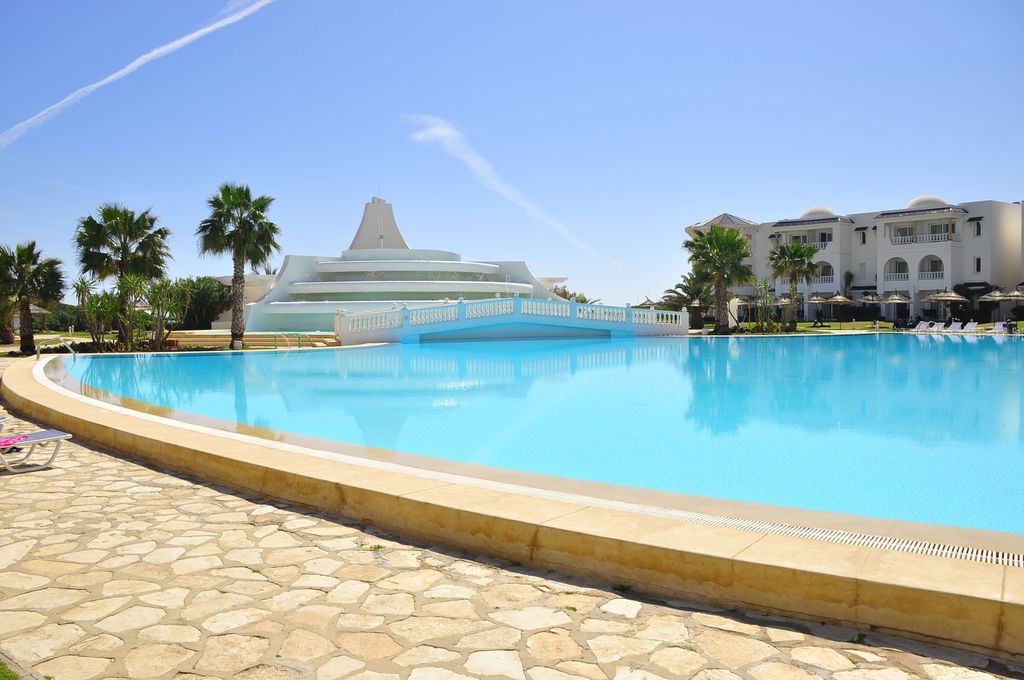
Tunisia has the beaches, and it has a lot more besides. Phoenician Carthage, once Rome's great rival, lies in the suburbs of Tunis. One of the best-preserved Roman amphitheatres in the world stands in a small town in the middle of the country. Whitewashed medinas front the Mediterranean, and the Sahara starts a day's drive to the south.
Most people stay at a resort on the east coast, around Hammamet, Sousse or Monastir, and that's a fine base: the beaches are long, the sea is warm and the all-inclusives are good value. Just don't stay by the pool all week. A day trip to Carthage, the medina in Sousse or El Djem is what makes Tunisia different from a standard beach holiday.
Don't miss
Tunis and Carthage
The capital packs in the most history per square kilometre.
The Medina of Tunis
Neighbourhood

Photo: Kritzolina, CC BY-SA 4.0 A tight tangle of covered souks, mosques and old merchant houses around the great Zitouna Mosque, a UNESCO-listed old town that's still very much in daily use. Browse for perfume, brass, leather and the red felt chechia caps the country is known for, then climb to a rooftop café for a view over the domes.
Tip: Go in the morning, when the souks are working and the light is soft.
The Bardo Museum
Museum

Photo: Josep M. Gracia, CC BY-SA 4.0 Housed in a former palace, the Bardo has one of the world's greatest collections of Roman mosaics, covering walls and floors with gods, hunters, fish, farmers and sea monsters in extraordinary colour. It's the best place to see how rich Roman Africa was, and it's well worth a few hours.
Carthage
Landmark

Photo: Silar, CC BY-SA 4.0 Phoenician Carthage was a trading superpower that fought Rome for control of the Mediterranean, until the Romans destroyed it in 146 BC and then built their own city on top. The ruins are scattered through a leafy seaside suburb, including the Antonine Baths by the water, the Tophet and the views from Byrsa Hill.
Tip: Take a guide or a good audio guide, as the sites are spread out and need some explaining.
Sidi Bou Said
Neighbourhood

Photo: Habib M'henni, CC BY 4.0 A clifftop village above the Gulf of Tunis, with blue doors and window grilles against whitewashed walls, and bougainvillea over every corner. Climb the cobbled lanes, have mint tea with pine nuts in a café with a sea view, and try a warm bambalouni doughnut.
Tip: Go in the late afternoon, when the day-trippers thin out and the light turns golden.
The coast
Hammamet medina and kasbah
Neighbourhood

Photo: Георгий Долгопский, CC BY-SA 4.0 The small medina sits on the edge of the sea, with whitewashed walls around a kasbah that looks out over the bay. It's the prettiest corner of Hammamet, and a good place for a stroll, a coffee and some souvenir shopping before heading back to the beach.
Port El Kantaoui
Neighbourhood
A purpose-built marina village north of Sousse, with a harbour of yachts, waterfront cafés and a pedestrian promenade. It's tidy and relaxed, and a good place for an evening stroll. Boat trips and a golf course are close by.
Sousse medina and Ribat
Neighbourhood

Photo: Sharon Hahn Darlin, CC BY 2.0 A UNESCO-listed walled old town, with narrow lanes, a busy souk and the Great Mosque. The eighth-century Ribat, a fortress-monastery, has a tower you can climb for views over the rooftops and the sea. The archaeological museum in the kasbah has some wonderful Roman mosaics.
Monastir Ribat
Landmark
A great sand-coloured fortress on the seafront, begun in the eighth century, and a film location for Monty Python's Life of Brian. Climb to the top for the view, then see the golden-domed mausoleum of Habib Bourguiba, Tunisia's first president.
Thalassotherapy
Activity
Tunisia is one of Europe's closest spots for thalasso, treatments using warmed seawater, mud and seaweed. Many of the coastal hotels at Hammamet, Sousse and Djerba have their own centres. Book a treatment or a day pass if you want a slower day.
Roman and holy Tunisia
El Djem amphitheatre
Landmark

Photo: Agnieszka Wolska, CC BY-SA 3.0 A vast Roman amphitheatre rising from the middle of a small market town, built in the third century and among the best-preserved in the world. It once held tens of thousands of spectators. You can climb up through the tiers, walk into the arena and explore the passages beneath.
Tip: Visit in the morning, and combine it with the mosaic museum in the town.
Kairouan
Day trip

Photo: Monaam Ben Fredj, CC BY-SA 4.0 The fourth holiest city in Islam, according to tradition, and home to the Great Mosque, one of the oldest in North Africa, with a sturdy square minaret and a vast courtyard. The medina is famed for its carpets and the sweet makroud pastry stuffed with dates.
Tip: Dress modestly and check the visiting rules at the mosque before you go.
Dougga
Day trip

Photo: Agnieszka Wolska, CC BY-SA 3.0 A Roman town on a hillside in the northern farmland, with a beautifully preserved theatre, a hilltop temple and streets lined with columns. It's a UNESCO site and much quieter than Carthage, and makes a good day out from Tunis.
South to the Sahara
Tozeur and the Chott el Djerid
Nature

Photo: Atef Ouni, CC BY-SA 4.0 A huge, flat salt lake in the south, which shimmers white in the sun and sometimes pinks at dusk, and plays tricks with mirages. Tozeur, on its edge, is a palm oasis town with brick-patterned old houses. Go for the silence and the huge sky.
The Star Wars sets and Matmata
Day trip

Photo: Habib M'henni, CC BY-SA 4.0 Scenes of Tatooine in the Star Wars films were shot in southern Tunisia. Sets like Mos Espa near Nefta still stand in the desert, and the underground troglodyte houses of Matmata were used for Luke Skywalker's home. Even if you've never seen the films, it's a good way into the desert.
Tip: Book a trip with a licensed operator, and carry water and sun protection.
Djerba and food
Houmt Souk, Djerba
Market
The main town on the island of Djerba is a whitewashed maze of souks, with pottery, jewellery and spices, a small harbour with fishing boats and a sturdy old fort. Djerba is flat, relaxed and quiet, which is why people go.
Brik and harissa
Food

Photo: Kritzolina, CC BY-SA 4.0 Brik is a thin pastry triangle filled with egg and tuna, parsley or lamb, then deep-fried until crisp. Squeeze lemon on it and eat it with your fingers, carefully, because the yolk runs. Add harissa, the fiery red chilli paste, to almost anything.
Where to stay in Tunisia
Not sure which area suits you? Read our guide: Where to stay in Tunisia →
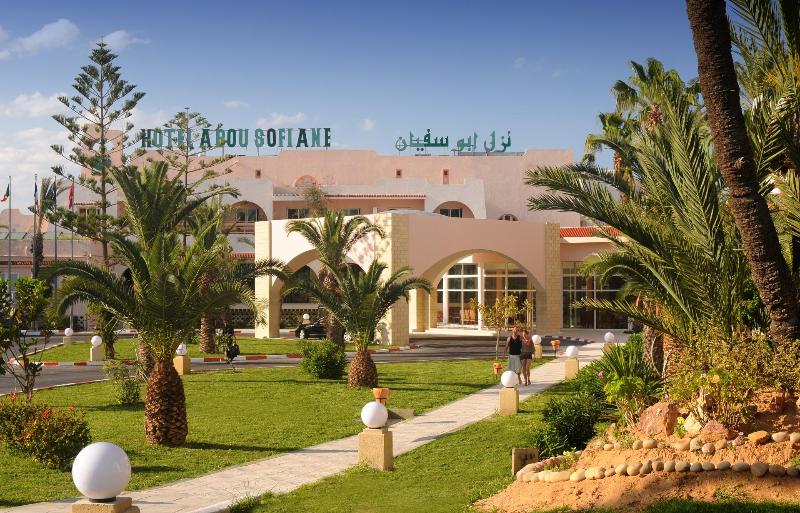
★★★★
Abou Sofiane-Families & Couples Only
Sousse
All-inclusive option · Family-friendly · Golf
See prices and rooms →
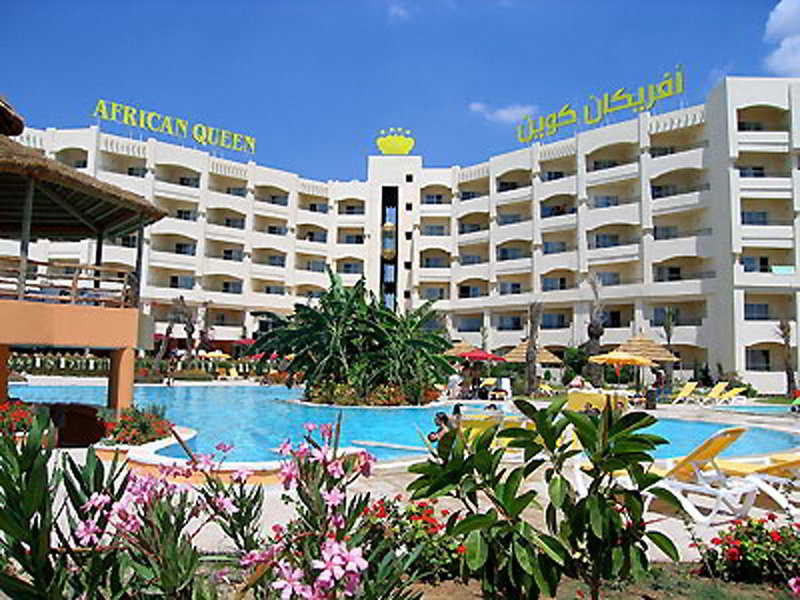
★★★★
African Queen Hammamet
Yasmine Hammamet
Spa · Pool · Parking
See prices and rooms →
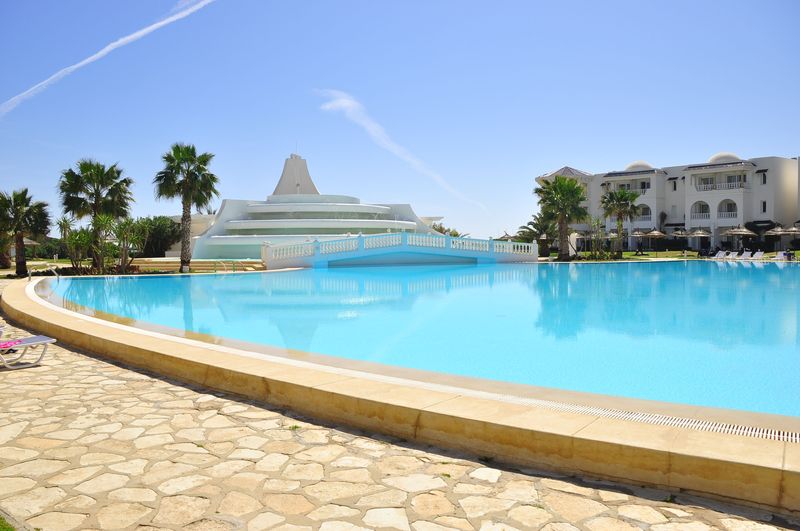
★★★★★
Royal Tulip Taj Sultan Resort
Hammamet
Beach 20 m · All-inclusive option · Spa
From £118 a night, taxes incl.2 adults · checked 1 Oct, 22:52

★★★★
Bel Azur Thalasso & Bungalows
Hammamet
Beach 50 m · Spa · Pool
See prices and rooms →
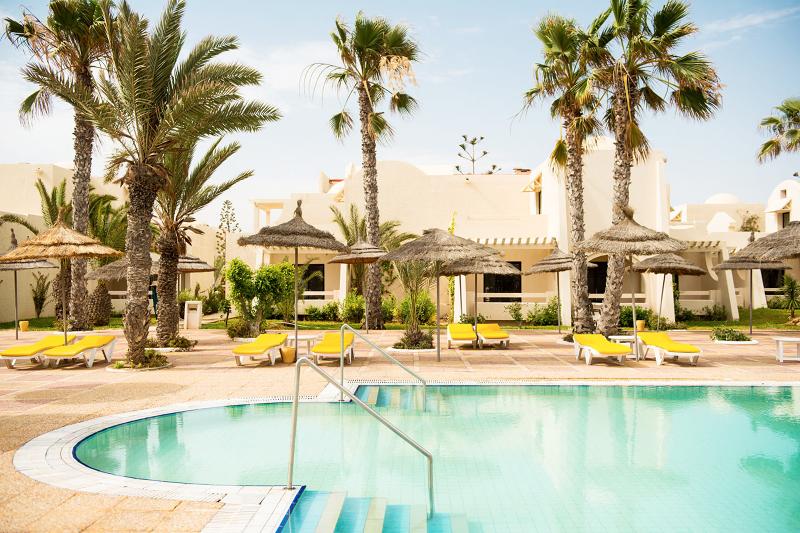
★★★★
Cesar Thalasso & Convention
Midoun
All-inclusive option · Spa · Pool
See prices and rooms →
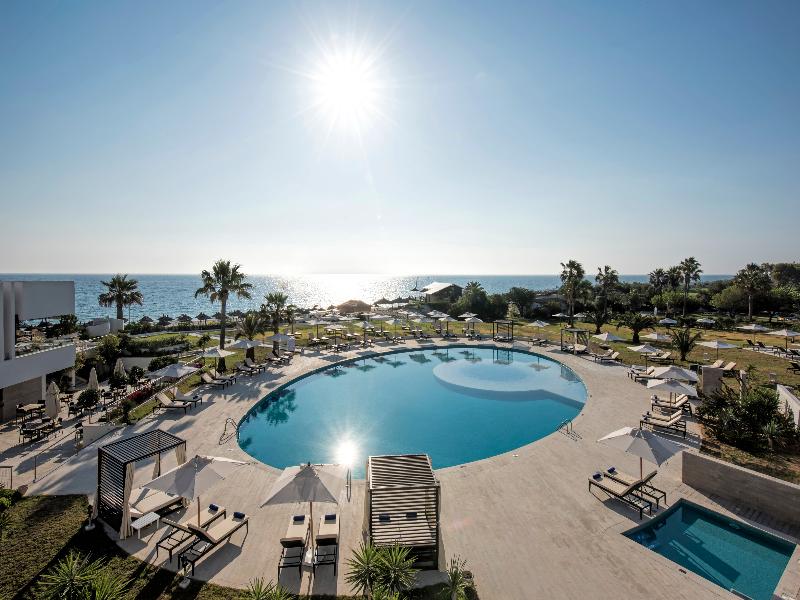
★★★★★
Iberostar Selection Diar el Andalous
Sousse
Beach 10 m · All-inclusive option · Spa
See prices and rooms →
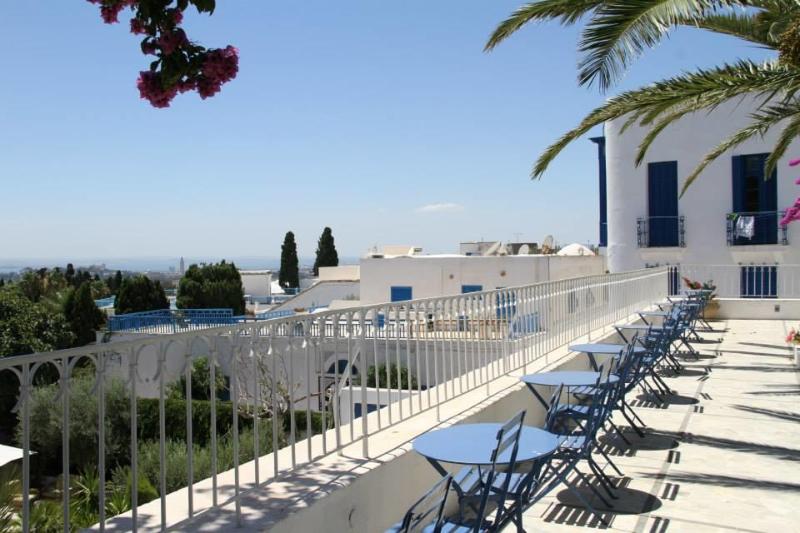
★★★★
Dar Said
Sidi Bou Said
Beach 1.5 km · Spa · Pool
From £439 a night, taxes incl.2 adults · checked 2 Oct, 02:37

★★★★★
Hilton Skanes Monastir Beach Resort
Monastir
Spa · Pool · Family-friendly
From £104 a night, taxes incl.2 adults · checked 2 Oct, 02:37
Getting around
Louages, shared taxis, link the main towns cheaply, and trains run between Tunis, Sousse and Monastir. Most visitors take organised excursions from their resort to the big sights, and a hire car or driver helps for the south. Agree taxi fares first or use the meter.
When to go
Late spring and early autumn are best: warm sea, comfortable sightseeing and quieter sites. July and August are hot, especially inland, so do your sightseeing early. The desert is best in the cooler months.
Questions about visiting Tunisia
- What is Tunisia best known for?
- Beach resorts at Hammamet, Sousse and Djerba, the ruins of Carthage, the Roman amphitheatre at El Djem, blue-and-white Sidi Bou Said and the Sahara.
- Is Tunisia worth visiting?
- Yes. It offers warm beaches, good-value resorts and some of the best Roman sites in North Africa, all close together and a short flight from the UK.
- What is there to do in Tunisia with kids?
- Beaches and resort pools, boat trips from Port El Kantaoui, climbing through the amphitheatre at El Djem and a day in Sidi Bou Said.
- How many days do you need in Tunisia?
- A week at a coastal resort with two or three excursions is plenty. Ten days lets you add Tunis and Carthage or a trip south to the desert.
More guides
- Where to stay in Tunisia
- The best things to do in London
- The best things to do in Edinburgh
- The best things to do in Amsterdam
- The best things to do in Barcelona
- The best things to do in Budapest
- The best things to do in Dublin
- The best things to do in Krakow
- The best things to do in Prague
- The best things to do in Berlin
- The best things to do in Lisbon
- The best things to do in Milan
- The best things to do in Paris
- The best things to do in Rome