

Turkey is two holidays in one, and usually three. There's the city break: Istanbul, a megacity built across two continents, with Byzantine domes, Ottoman palaces and a bazaar that swallows an afternoon. There's the beach holiday on the Aegean and Mediterranean coasts, where pine-covered mountains drop into clear water. And there's the strange, wonderful inland, where volcanic rock has been carved into churches, homes and whole underground cities.
The country is huge, so don't try to do it all in one trip. Pair Istanbul with Cappadocia and a few days on the coast, or pick one stretch of sea and take day trips to Roman ruins from there. Eat everything. Breakfast alone is worth the flight.
Don't miss
Istanbul
Start in Sultanahmet, where most of the old city’s great monuments sit within walking distance of each other.
Hagia Sophia
Landmark

Photo: Alvesgaspar, CC BY-SA 4.0 Built as a cathedral in the sixth century, later a mosque, Hagia Sophia has one of the great interiors of the world: a vast dome that seems to float above a hall of marble, gold mosaic and calligraphy. It's still the single building that best explains Istanbul, a city where empires keep layering themselves over each other.
It's a working mosque, so dress modestly and expect visits to work around prayer times.
Tip: Go first thing in the morning, when the queues are shortest and the light inside is softest.
The Blue Mosque
Landmark

Photo: Moonik, CC BY-SA 3.0 Facing Hagia Sophia across a park, the Sultan Ahmed Mosque earns its nickname from the thousands of blue İznik tiles inside. Its six minarets and cascading domes are among the most recognisable shapes on the Istanbul skyline, and the courtyard is as impressive as the prayer hall.
Tip: It closes to visitors around prayer times. Cover your shoulders and knees, and women should carry a scarf for their hair.
Topkapı Palace
Landmark

Photo: Carlos Delgado, CC BY-SA 3.0 For centuries the home of the Ottoman sultans, this sprawling palace sits on the headland where the Bosphorus meets the Golden Horn. It's a series of courtyards, pavilions and tiled chambers rather than one building, with the treasury and the harem the main draws. The terraces have some of the best views in the city.
Tip: Give it half a day, and leave time to sit on the terrace and look at the water.
Grand Bazaar
Market

Photo: Ank Kumar, CC BY-SA 4.0 One of the largest and oldest covered markets in the world, a labyrinth of vaulted lanes lined with lamps, ceramics, carpets, leather, jewellery and thousands of shops. You'll get lost. That is the point. Stop for a glass of tea, haggle with a smile, and don't buy the first thing you see.
The Spice Bazaar, a short walk downhill near the Galata Bridge, is smaller, more colourful and smells wonderful.
Tip: Look at a few shops before you buy anything, and don’t be afraid to walk away politely.
Basilica Cistern
Landmark
A Byzantine underground reservoir near Hagia Sophia, with hundreds of columns rising out of dark water and two carved Medusa heads propping up some of them. Cool, hushed and atmospheric, it's a welcome break from a hot day of sightseeing.
A Bosphorus ferry
Activity
Istanbul sits on a strait that divides Europe from Asia, and the best way to understand the city is to cross it by boat. Public ferries shuttle between the two continents all day, passing wooden waterfront mansions, fortresses and the domes of the old city. Take a seat outside, buy a simit from the man with the tray, and watch the gulls.
Inland wonders
Central and western Turkey are where the landscape does the showing off.
Göreme and the fairy chimneys
Nature

Photo: Brocken Inaglory, CC BY-SA 3.0 In Cappadocia, volcanic rock has been eroded into cones, spires and mushroom-shaped pillars, then carved out by people into homes, chapels and dovecotes. The Göreme Open Air Museum preserves rock-cut churches with Byzantine frescoes, and the valleys around the town reward hours of walking.
Many people sleep in a cave hotel, which is touristy and glorious in equal parts.
Tip: Walk the valleys at sunrise or late afternoon, when the rock turns pink and gold and the day-trippers have gone.
Hot-air balloons over Cappadocia
Activity

Photo: MusikAnimal, CC BY-SA 4.0 At dawn, dozens of balloons lift off together and drift over the valleys as the sun comes up. Even if you never leave the ground, watching them from a hotel terrace is a highlight. Flights depend on the weather, and are cancelled when it isn't right.
Tip: Book early and leave a spare morning in your plan in case your flight is postponed.
Pamukkale
Nature

Photo: Bernard Gagnon, CC BY-SA 3.0 Mineral-rich spring water has coated this hillside in terraces of dazzling white travertine, with shallow turquoise pools stepping down it. Above sit the Roman ruins of Hierapolis, a spa town that grew up around the same hot springs, with a theatre and a necropolis. Together they make one of Turkey's most famous day outings.
Tip: Walk the terraces barefoot where you’re allowed to, and go late in the afternoon for the light and the cooler air.
Ephesus
Landmark

Photo: Benh LIEU SONG, CC BY-SA 3.0 One of the best-preserved Roman cities anywhere in the Mediterranean, near the town of Selçuk. Walk down a marble street past the Great Theatre and stop at the façade of the Library of Celsus, perhaps the most photographed ruin in Turkey. Easy to reach from the Aegean resorts as a day trip.
Tip: Go early or late in the day. It is hot and shadeless at midday.
Coast and beaches
Ölüdeniz
Beach

Photo: Kadirxmert, CC BY-SA 4.0 A sheltered lagoon of impossibly calm turquoise water, backed by pine forest and Mount Babadağ, near Fethiye. The Blue Lagoon itself is a protected nature park, and the long beach beside it's one of the most photographed in Turkey. Paragliders drift down from the mountain above, and boat trips head along the coast to hidden coves.
Tip: Beaches fill up in July and August, so arrive early or visit in the shoulder season.
Kaleiçi and Hadrian’s Gate
Neighbourhood

Photo: Bernard Gagnon, CC BY-SA 3.0 Antalya's old town is a maze of Ottoman houses, boutique hotels and cafés behind a Roman gate, leading down to a harbour set against the Taurus mountains. Wander the narrow lanes in the evening, when the stone cools and the restaurants fill up.
Aspendos
Landmark

Photo: Lee Vilenski, CC BY-SA 4.0 Just inland from Antalya, the Roman theatre at Aspendos is among the best-preserved in the ancient world, with its stage building largely intact. It still hosts performances in summer, which is the best way to feel how it was meant to be used.
Bodrum Castle
Landmark
The Castle of St Peter was built by the Knights of St John and dominates Bodrum's harbour. Inside is a museum of underwater archaeology. Afterwards, take a stroll round the marina and then a seat at a waterfront bar.
Eat and unwind
A Turkish breakfast
Food
Forget cereal. A proper Turkish breakfast is a spread of white cheese, olives, tomatoes, cucumber, eggs, honey, clotted cream, jam and warm bread, brought to your table in a dozen little dishes and washed down with strong black tea. Make it a long, slow morning.
Baklava
Food

Photo: Maksym Kozlenko, CC BY-SA 4.0 Layers of paper-thin pastry, nuts and syrup, sold by weight in dedicated shops across the country. Gaziantep in the south-east is the city most associated with it, and pistachio baklava is the classic. Have it with a small glass of tea to cut the sweetness.
A traditional hammam
Activity
A Turkish bath is as much a ritual as a treatment: a warm marble room, a vigorous scrub and a foamy soap wash. Istanbul has some beautiful old bathhouses, and most coastal resorts offer a version. It's a very good way to recover from walking round ruins.
Where to stay in Turkey
Not sure which area suits you? Read our guide: Where to stay in Turkey →
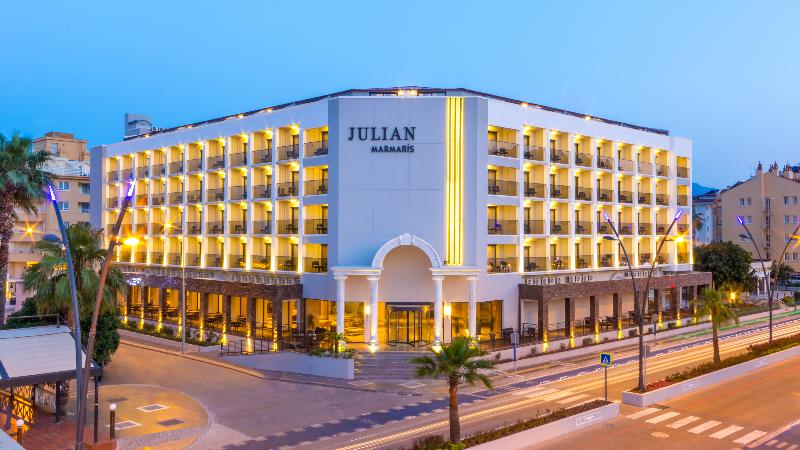
★★★★
Ada Julian Hotel
Marmaris
Beach 150 m · Adults only · All-inclusive option
From £61 a night, taxes incl.2 adults · checked 1 Oct, 21:23
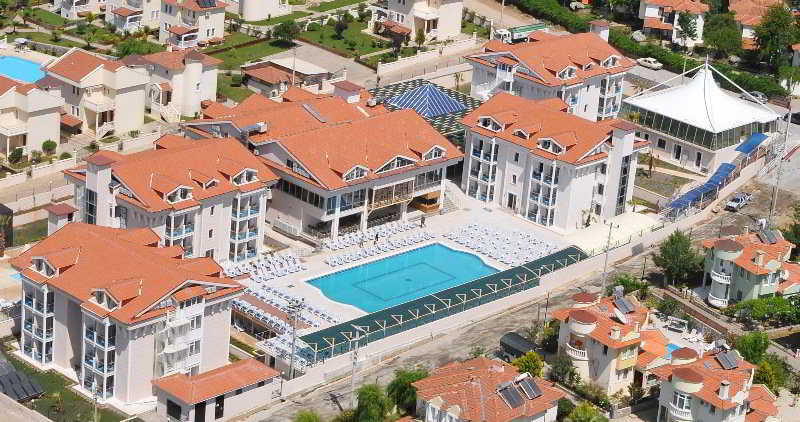
★★★★
Aes Club
Fethiye-Oludeniz
Spa · Pool · Family-friendly
See prices and rooms →

★★★★★
Novotel Istanbul Bosphorus
Istanbul
Spa · Family-friendly · Pets allowed
From £211 a night, taxes incl.2 adults · checked 1 Oct, 18:23
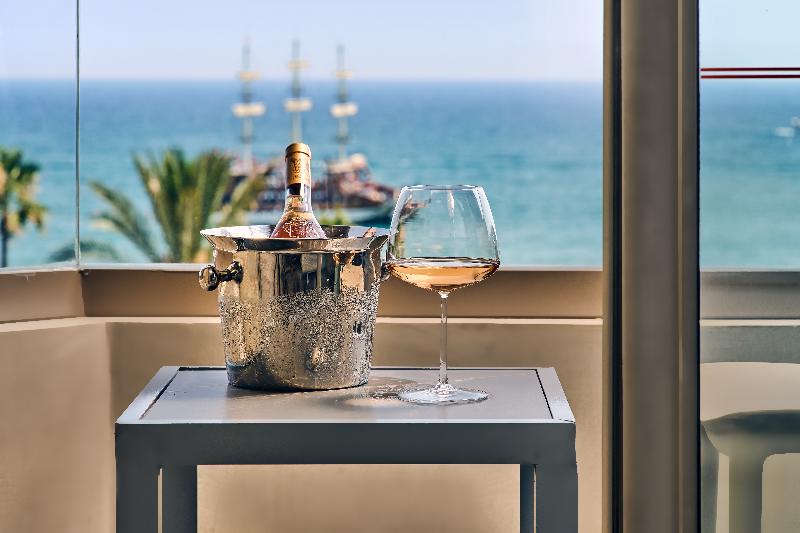
★★★★
Alanya Buyuk Hotel
Alanya
Beach 50 m · Spa · 68 rooms
From £95 a night, taxes incl.2 adults · checked 1 Oct, 20:20
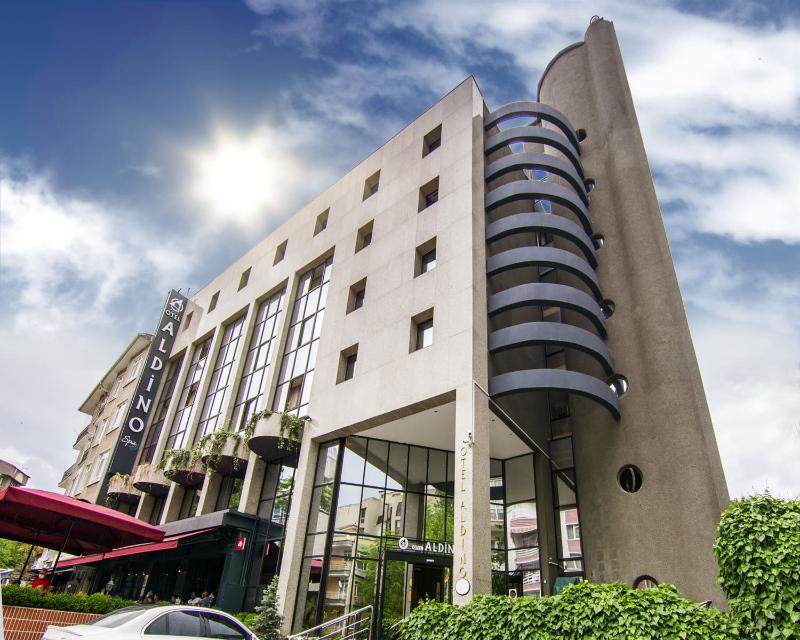
★★★★
Aldino
Ankara
56 rooms · Parking
See prices and rooms →
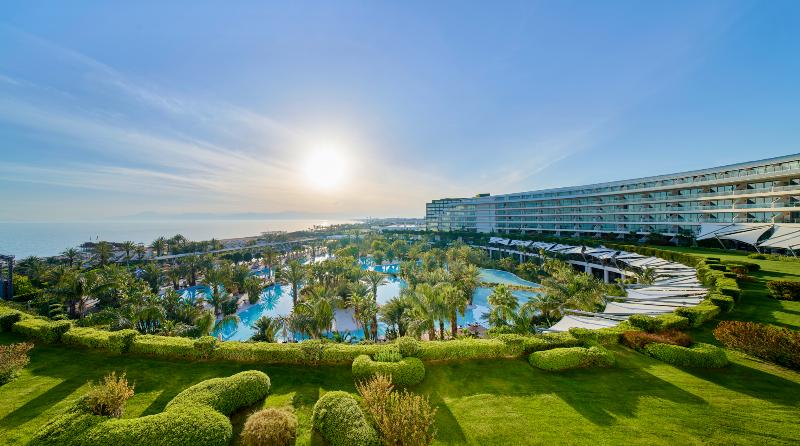
★★★★★
Maxx Royal Belek Golf Resort
Antalya
Beach 30 m · All-inclusive option · Spa
See prices and rooms →
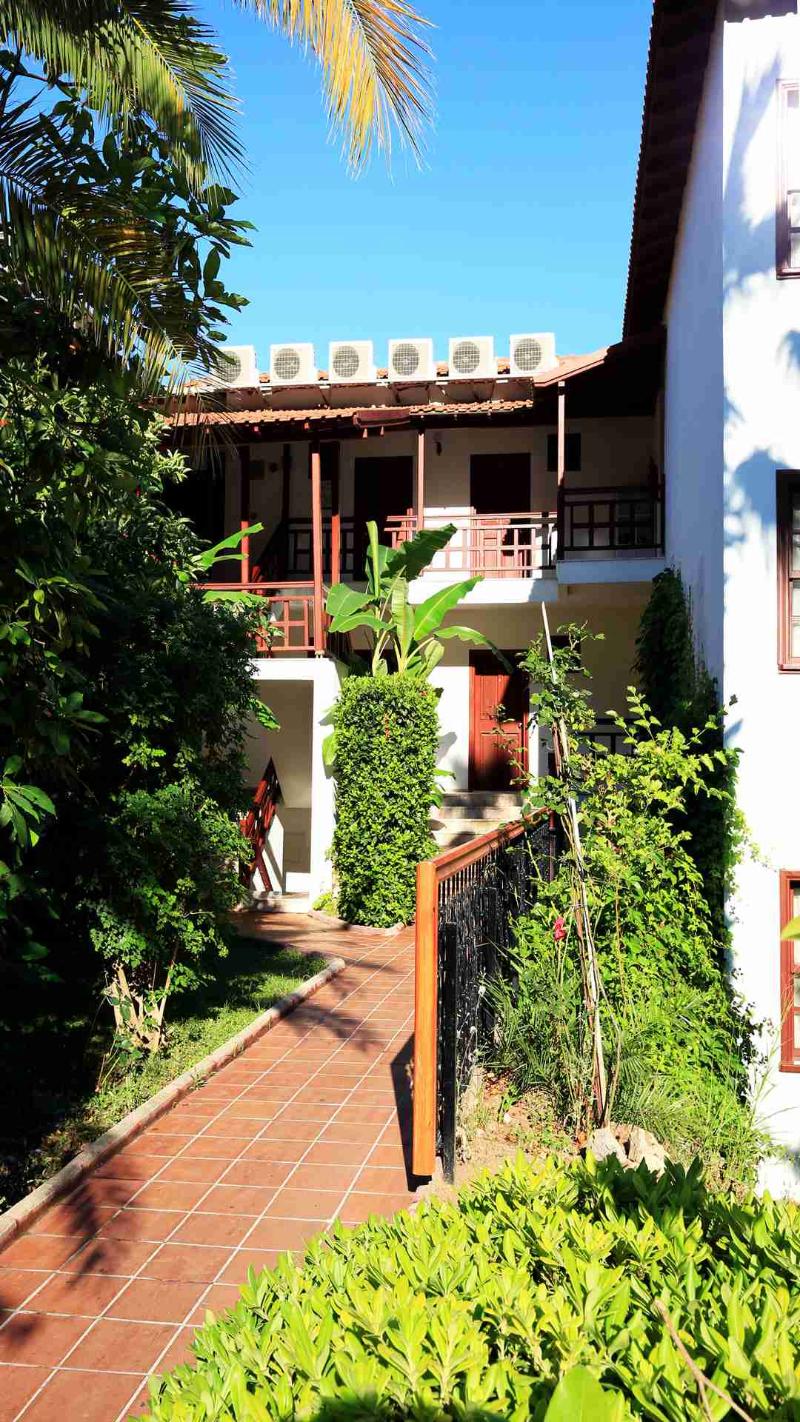
★★★★
Alize Hotel
Fethiye-Oludeniz
Beach 350 m · All-inclusive option · Pool
See prices and rooms →
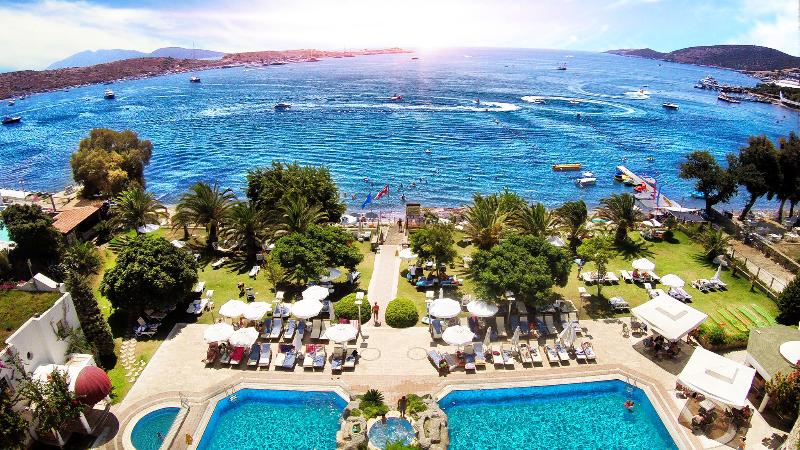
★★★★★
Royal Asarlik Beach Hotel
Gumbet-Bodrum / Mugla
All-inclusive option · Spa · Pool
From £89 a night, taxes incl.2 adults · checked 1 Oct, 21:23
Getting around
Turkey is large, so use domestic flights between Istanbul, Cappadocia and the coast. Within Istanbul, the tram, metro and ferries are easy and cheap. On the coast, local minibuses called dolmuş link resorts, and boat trips are the best way to see the bays.
When to go
Spring and autumn are the best seasons for Istanbul, Cappadocia and ruins like Ephesus. The coast is warm enough to swim from late spring into October, while high summer is very hot, so plan sights early in the day.
Questions about visiting Turkey
- What is Turkey best known for?
- Istanbul and its Byzantine and Ottoman monuments, the cave landscapes and balloons of Cappadocia, Roman ruins like Ephesus, white terraces at Pamukkale and the beaches of the Aegean and Mediterranean coasts.
- Is Turkey worth visiting?
- Yes. It combines city culture, ancient history and sea-and-sun holidays in one country, and is easy to mix, for example Istanbul with Cappadocia, or a beach resort with day trips to ruins.
- How many days do you need in Turkey?
- Three or four days covers Istanbul. Add two or three for Cappadocia and a week on the coast, so ten days to two weeks gives a good mix.
- What is there to do in Turkey with kids?
- Boat trips, beaches and the water parks at the big Antalya resorts, the cave houses and valleys of Cappadocia, and the Roman theatres at Aspendos and Ephesus, where children can run around and explore.
More guides
- Where to stay in Turkey
- The best things to do in London
- The best things to do in Edinburgh
- The best things to do in Amsterdam
- The best things to do in Barcelona
- The best things to do in Budapest
- The best things to do in Dublin
- The best things to do in Krakow
- The best things to do in Prague
- The best things to do in Berlin
- The best things to do in Lisbon
- The best things to do in Milan
- The best things to do in Paris
- The best things to do in Rome