

Tuscany is Italy distilled: rolling hills, cypress-lined roads, hilltop villages and a food and wine culture that treats lunch as a serious event. It's also home to Florence, the cradle of the Renaissance, and to Siena, Pisa and Lucca, each a gem in its own right.
The trick isn't to rush. Pick a base, split your time between a city and the countryside, and leave room for long lunches. Distances are short, the roads are scenic, and every village has a church, a piazza and a bar that serves a decent glass of local red.
Don't miss
Florence
Art, architecture and the best steak in Italy, all in one walkable city.
Florence Cathedral (the Duomo)
Landmark

Photo: Petar Milošević, CC BY-SA 4.0 Brunelleschi's vast red-tiled dome dominates the skyline, and the cathedral beneath it's clad in pink, white and green marble. Next to it stand Giotto's bell tower and the Baptistery with its famous bronze doors.
Climb the dome for the best view of Florence's rooftops, or the bell tower for a view that includes the dome itself.
Tip: Climbs are popular: book a time slot ahead.
Ponte Vecchio
Landmark

Photo: Diego Delso, CC BY-SA 4.0 Florence's medieval bridge across the Arno is lined with tiny jewellery shops, as it has been for centuries, and the view from it, or from the next bridge along at dusk, is the one on all the postcards.
Uffizi Gallery
Museum
The great collection of Renaissance painting, with Botticelli's Birth of Venus and Primavera, works by Leonardo, Michelangelo and Raphael, and room after room of masterpieces. The Medici family collected most of it.
Tip: Book tickets in advance and go as early as you can: queues are long.
Accademia and Michelangelo's David
Museum

Photo: Rhododendrites, CC BY-SA 4.0 Michelangelo carved David from a single block of marble in the early 1500s, and seeing it in the flesh, so to speak, still stops people in their tracks. The Accademia is small, so a visit takes an hour or so.
Siena, Pisa and Lucca
Piazza del Campo
Landmark

Photo: Massimo Catarinella, CC BY-SA 3.0 Siena's great shell-shaped square slopes gently towards the Palazzo Pubblico, overlooked by the slender Torre del Mangia. It's a place to sit on the brick paving with a gelato and watch the city go by.
Climb the tower for views over the terracotta rooftops and the hills beyond.
Siena Cathedral
Landmark

Photo: xiquinhosilva, CC BY 4.0 Striped in black and white marble, with a facade of carved figures and a floor inlaid with elaborate scenes, Siena's cathedral is one of the most decorated in Italy. The Piccolomini Library, with its vivid frescoes, is a highlight.
The Leaning Tower of Pisa
Landmark

Photo: Ввласенко, CC BY-SA 3.0 The tower really does lean, and the surprise is how beautiful it is, along with the cathedral and baptistery that share the grassy Piazza dei Miracoli. It's a UNESCO World Heritage Site, and a quick and easy day trip from Florence by train.
Tip: If you want to climb the tower, book ahead.
Lucca's city walls
Neighbourhood

Photo: Notafly, CC BY-SA 4.0 Lucca is ringed by Renaissance walls topped with a tree-lined path, and the best way to see the town is to walk or cycle right round them. Inside, you find an oval piazza built on a Roman amphitheatre and the Guinigi Tower with oak trees on its roof.
Hill towns and wine country
San Gimignano
Landmark

Photo: Julian Lupyan, CC0 A hilltop town whose skyline bristles with medieval towers, built by rival families to show off their wealth. It's touristy by day, but the lanes empty out in the evening and the views over the vineyards are glorious.
Try the local white wine, Vernaccia, with a plate of cured meats.
Val d’Orcia and Pienza
Nature

Photo: kuhnmi, CC BY 2.0 The postcard Tuscany: rolling fields, farmhouses and winding roads lined with cypress trees, all protected by UNESCO. The little town of Pienza, rebuilt as an ideal Renaissance city by a hometown pope, is famous for its pecorino cheese.
Tip: Drive the back roads at sunrise or sunset, when the light is best.
Montepulciano
Neighbourhood

Photo: TeKappa, CC BY-SA 4.0 A steep hill town with a long main street of palazzi, wine cellars and Renaissance churches, and a view from the top over the Val di Chiana. It's known for Vino Nobile, a rich red, which you can taste in the cellars under the old houses.
Chianti
Nature

Photo: Tom Chance, CC BY-SA 2.0 The hills between Florence and Siena are wine country at its most beautiful, a patchwork of vineyards, olive groves and castles. Base yourself in a villa or farmhouse, tour a few estates, and eat very well.
Coast and spa
Viareggio
Beach
A seaside resort with a long sandy beach, a Liberty-style promenade and seafood restaurants. Every February or March, giant papier-mâché floats parade along the seafront for its famous carnival.
Forte dei Marmi
Beach
The smart end of the Tuscan coast, with chic beach clubs, a long pier and the Apuan Alps rising behind. It's polished and elegant, and the beach is well kept.
Terme di Saturnia
Activity
In southern Tuscany, naturally warm sulphur water tumbles over limestone ledges into a series of pools, one of the region's most famous natural spas. Soak under the open sky, surrounded by countryside.
Eat and drink
Bistecca alla fiorentina
Food

Photo: Microsoikos at Italian Wikipedia, Public domain A thick T-bone steak grilled over charcoal, charred outside, rare within, and sold by weight. It's Florence's great dish. Order it with white beans and a bottle of Chianti, and don't ask for it well done.
Ribollita
Food
Tuscan comfort in a bowl: a thick soup of stale bread, cavolo nero, beans and vegetables, reheated until it's almost a stew. A glug of olive oil on top is non-negotiable.
Brunello di Montalcino
Food
One of Italy's great red wines, made from Sangiovese grapes grown around the hill town of Montalcino. Book a tasting at a family-run estate, and enjoy the views of the vines.
Where to stay in Florence
Not sure which area suits you? Read our guide: Where to stay in Tuscany →
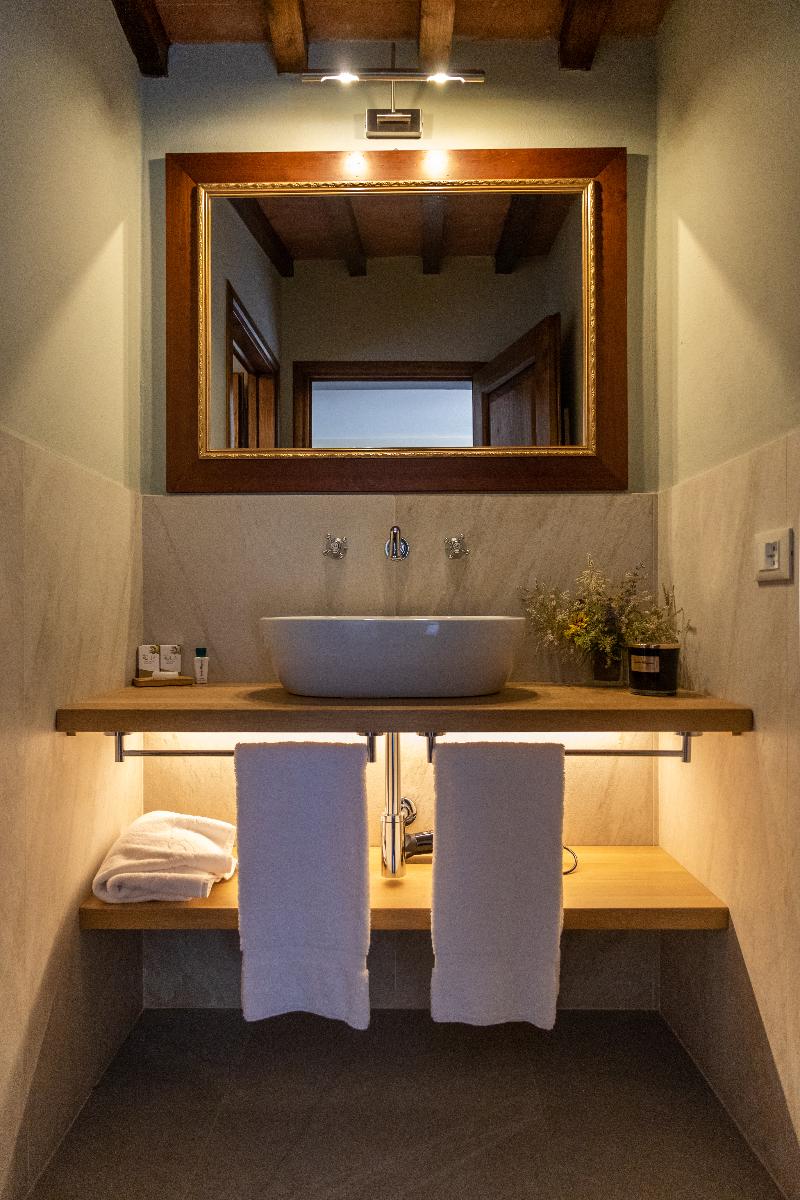
★★★★
Relais Villa Olmo Food and Wine Resort
Impruneta - Florence
Pool · 16 rooms · Parking
See prices and rooms →
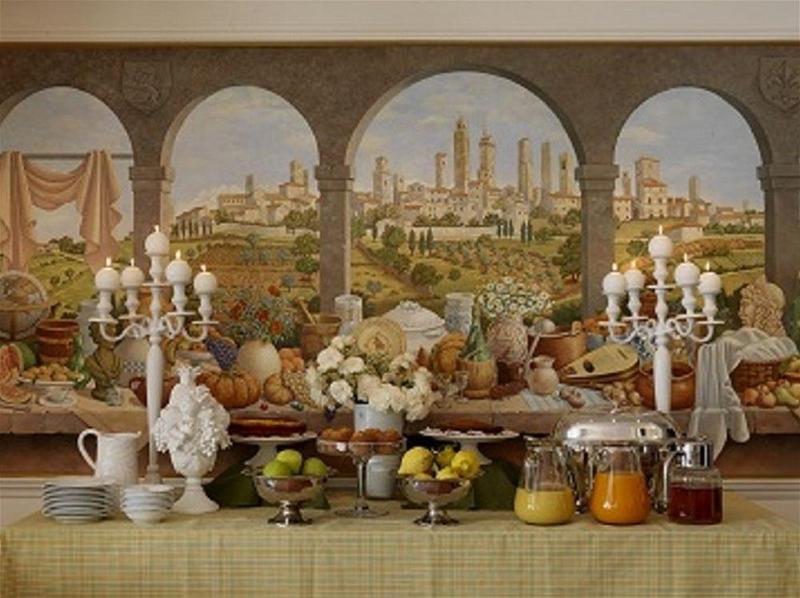
★★★★
Relais Santa Chiara Hotel by Double Hospitality
San Gimignano SI
Parking
From £165 a night, taxes incl.2 adults · checked 1 Oct, 21:08

★★★★★
Hotel Lungarno
Florenz
From £3,864 a night, taxes incl.2 adults · checked 1 Oct, 19:23
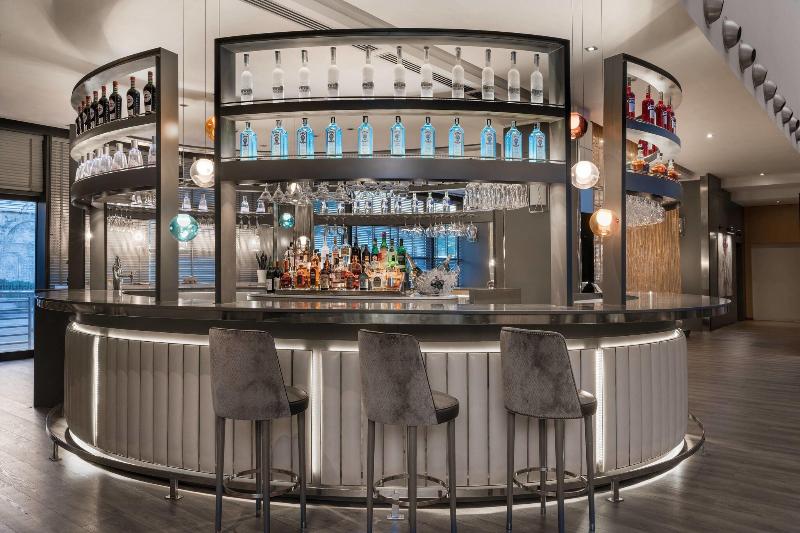
★★★★
AC Firenze
Florenz
Parking
See prices and rooms →
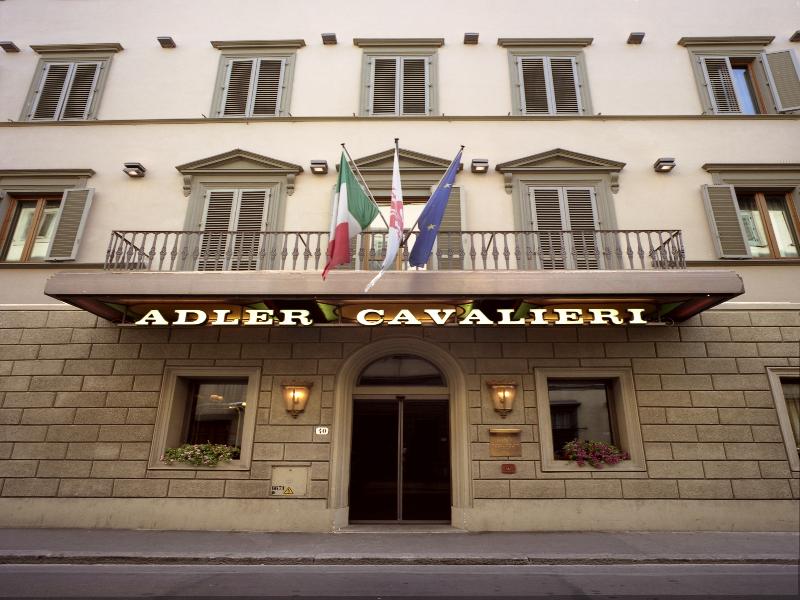
★★★★
Adler Cavalieri Hotel-Private Spa & Gym
Florenz
Pets allowed · Parking
From £317 a night, taxes incl.2 adults · checked 1 Oct, 19:23

★★★★★
Precise Tale Poggio Alla Sala
Montepulciano
Spa · Pool · 62 rooms
See prices and rooms →
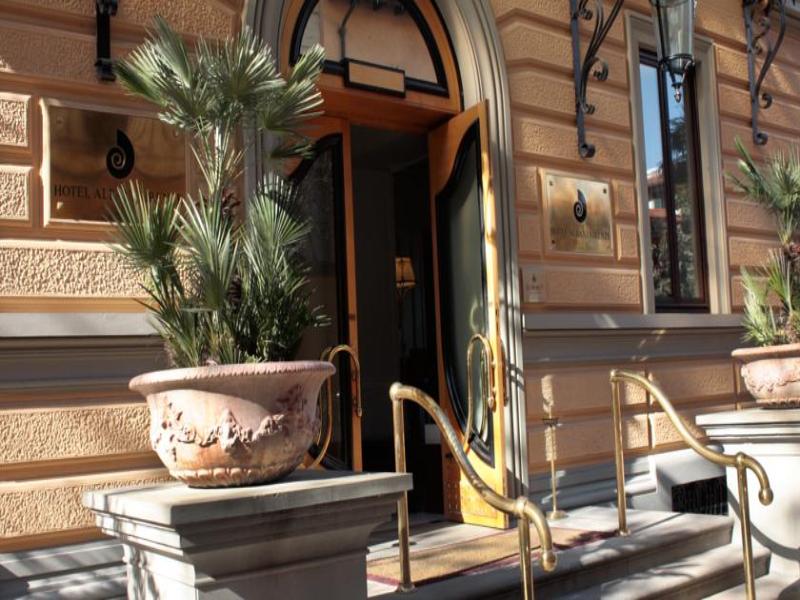
★★★★
Albani Firenze
Firenze
Pets allowed · Parking
See prices and rooms →
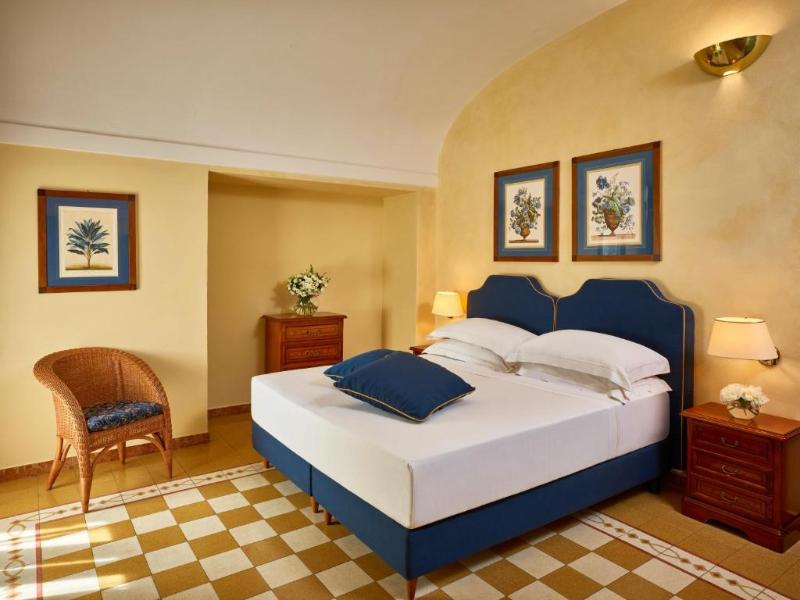
★★★★★
Bagni di Pisa Palace and Thermal Spa
San Giuliano Terme, Pisa
Spa · Pool · 61 rooms
From £319 a night, taxes incl.2 adults · checked 1 Oct, 19:37
Getting around
Florence, Pisa, Siena and Lucca are linked by train and bus, but the hill towns and wine country are much easier with a hire car. Park outside the historic centres: many are closed to non-resident traffic.
When to go
Spring and autumn are best: mild weather, green or golden hills, and the autumn harvest. Summer is hot and busy, especially in Florence, and some places are quieter in winter.
Questions about visiting Florence
- What is Tuscany best known for?
- Florence and its Renaissance art, the Leaning Tower of Pisa, medieval Siena, rolling hills of vineyards and cypress trees, and food and wine from bistecca to Chianti.
- How many days do you need in Tuscany?
- A week lets you combine two or three days in Florence with Siena, a hill town or two, and some time in the countryside.
- Do you need a car in Tuscany?
- For the cities, no. For the hill towns and wine country, yes, a car makes it far easier.
- Is Tuscany worth visiting?
- Yes. It combines world-class art, beautiful landscapes and some of Italy's best food and wine.
More guides
- Where to stay in Florence
- Where to stay in Tuscany
- The best things to do in London
- The best things to do in Edinburgh
- The best things to do in Amsterdam
- The best things to do in Barcelona
- The best things to do in Budapest
- The best things to do in Dublin
- The best things to do in Krakow
- The best things to do in Prague
- The best things to do in Berlin
- The best things to do in Lisbon
- The best things to do in Milan
- The best things to do in Paris