
Valencia is the Spanish city that seems to have everything and makes very little fuss about it. A medieval old town with a Gothic silk exchange. A set of buildings that look like they have landed from another planet. A broad sandy beach at the end of a tram line. And paella, which was invented here and is defended with some passion.
It is Spain's third-largest city but feels far more relaxed than Madrid or Barcelona. The sun shines most of the year, a nine-kilometre park runs through the middle where a river used to be, and lunch is treated as the main event of the day. Come hungry, and bring a towel.
Don't miss
The big sights
Gothic Valencia and space-age Valencia, a few kilometres and several centuries apart.
City of Arts and Sciences
Landmark

Photo: Diliff, CC BY-SA 3.0 Santiago Calatrava's gleaming white complex is the image of modern Valencia. Set among shallow turquoise pools at the eastern end of the Turia Gardens, it includes an opera house shaped like a helmet, an IMAX cinema in a giant eye, a hands-on science museum with a ribcage of white concrete, and a long arcade of palms.
You could spend a day inside the buildings or simply walk around them for nothing. Either way, it is among the most striking pieces of modern architecture in Europe.
Tip: Come back at dusk, when the buildings are lit and mirrored in the pools. It is the best time for photographs.
Oceanogràfic
Wildlife
Part of the City of Arts and Sciences, the Oceanogràfic is the largest aquarium in Europe, laid out as a series of pavilions for the world's different seas, from the Mediterranean to the Arctic. Long underwater tunnels let you walk beneath sharks and rays. It is the big family attraction in Valencia and takes most of a day.
Valencia Cathedral and the Miguelete
Landmark

Photo: Manuela Ruiz Sese, CC BY-SA 3.0 The cathedral stands at the centre of the old town, a mixture of Romanesque, Gothic and Baroque with a doorway in each style. One of its chapels displays an ancient agate cup that the cathedral holds to be the Holy Grail. Beside it rises the Miguelete, an octagonal Gothic bell tower.
Climb the spiral staircase to the top for a view over the tiled domes and rooftops of the old city, all the way to the sea.
La Lonja de la Seda
Landmark

Photo: Diego Delso, CC BY-SA 3.0 The Silk Exchange is a masterpiece of late Gothic architecture and a UNESCO World Heritage Site. It was built in the fifteenth century, when Valencia was one of the great trading cities of the Mediterranean. The main hall is the wonder: a forest of slender columns that twist like ropes as they rise to the vaulted ceiling. Outside is a quiet courtyard of orange trees.
Central Market
Market

Photo: Diego Delso, CC BY-SA 3.0 Directly opposite La Lonja, the Mercado Central is one of the largest fresh food markets in Europe, housed in a beautiful early twentieth-century hall of iron, glass and coloured tiles, topped with domes. Hundreds of stalls sell jamón, cheese, saffron, seafood and the fruit and vegetables of the surrounding farmland.
It is a working market, not a show. Go in the morning, when it is busiest, and assemble a picnic.
Tip: It is a morning market and closes in the afternoon, so do not leave it too late in the day.
Neighbourhoods and parks
Turia Gardens
Nature

Photo: Dorieo, CC BY-SA 4.0 After a devastating flood in 1957, Valencia diverted the River Turia around the city and turned the empty riverbed into a park. It now winds for about nine kilometres under old stone bridges, a sunken ribbon of orange trees, palms, football pitches, fountains and cycle paths, running from the old town to the City of Arts and Sciences.
Children head for Gulliver Park, where a gigantic figure of the fallen traveller doubles as a climbing frame and slides.
Tip: Hire a bike and ride the length of the park to the City of Arts and Sciences. It is flat, shady and traffic-free.
El Carmen
Neighbourhood

Photo: Diego Delso, CC BY-SA 3.0 The oldest part of the old town, a maze of narrow lanes between two surviving medieval gateways, the Torres de Serranos and the Torres de Quart. Crumbling palaces sit beside street art, little squares fill with café tables, and at night it is one of the liveliest corners of the city. You can climb the Serranos towers for a view down over the Turia.
Ruzafa
Nightlife
Just south of the centre, Ruzafa is Valencia's fashionable quarter: a grid of streets full of brunch cafés, vintage shops, bookshop-bars, cocktail spots and restaurants serving everything from tapas to modern Valencian cooking. It has its own colourful neighbourhood market, too. Come in the evening, when the terraces are full and the night is only beginning.
The beach
Malvarrosa Beach
Beach

Photo: Manuel Martín Vicente from Spain, CC BY 2.0 Valencia's city beach is a wide, long sweep of fine golden sand, backed by a palm-lined promenade. It joins Las Arenas beach to the south, nearer the port, and together they run for a couple of kilometres. The water is calm and shallow, there is room for everyone, and a row of restaurants facing the sea serves paella at lunchtime.
El Cabanyal
Neighbourhood
Behind the beach lies the old fishermen's quarter, a grid of low houses with façades covered in bright ceramic tiles, each one different from the next. Long neglected, El Cabanyal is now filling up with tapas bars and cafés while keeping its village feel. It is a good place for a wander and a drink on the way back from the sand.
Eat and drink
Rice, tiger nuts and oranges: Valencia's kitchen is like nowhere else in Spain.
Paella valenciana
Food

Photo: Jan Harenburg, CC BY-SA 4.0 The original paella comes from the rice fields around Valencia, and it is not the seafood dish most visitors expect. The traditional version is made with chicken, rabbit, green beans and broad white beans, cooked in a wide, shallow pan until the rice at the bottom forms a prized crisp crust, the socarrat.
Valencians eat it at lunch, never at dinner, and usually share a pan between the table. Seafood rice dishes and fideuà, made with short noodles, are on every menu too.
Tip: Proper paella is cooked to order and takes time. Many restaurants ask you to order it for at least two people.
Horchata and fartons
Food

Photo: Juan Emilio Prades Bel, CC BY 4.0 Valencia's favourite cold drink is horchata, a sweet, milky drink made from tiger nuts grown in the fields just north of the city. It is served ice-cold, sometimes half frozen, with fartons, long, soft, sugar-glazed buns designed for dunking. Old-fashioned horchata bars called horchaterías serve it all over town, and it is exactly what a hot afternoon calls for.
Festivals and day trips
Las Fallas
Activity

Photo: Simon Burchell, CC BY-SA 4.0 Every March, Valencia erupts in one of Spain's wildest festivals. Neighbourhoods spend the year building enormous, satirical sculptures of wood and papier-mâché, which are displayed in the streets and then burned on the final night, 19 March. In between come parades, flower offerings, fireworks and daily barrages of firecrackers in the main square. It is recognised by UNESCO as cultural heritage.
Tip: It is spectacular and extremely loud. Book accommodation well ahead, and bring earplugs for young children.
Albufera
Day trip

Photo: Tobias Maschler (Plochingen, Germany), CC BY-SA 3.0 A short way south of the city lies the Albufera, a large freshwater lagoon surrounded by rice paddies and separated from the sea by a strip of dunes and pine woods. This is where paella was born. Flat-bottomed boats take visitors out on the water, and the village of El Palmar is lined with rice restaurants.
The sunsets over the lagoon are famous, turning the whole sheet of water gold.
Sagunto
Day trip

Photo: Diego Delso, CC BY-SA 4.0 North of Valencia, and linked to it by local trains, the town of Sagunto is crowned by a huge hilltop fortress whose walls run for almost a kilometre along the ridge, with layers of Iberian, Roman and Moorish history. Below it is a restored Roman theatre, cut into the hillside. A good half day for anyone who likes ruins with a view.
Where to stay in Valencia
Not sure which area suits you? Read our guide: Where to stay in Valencia →

★★★★
Primus Valencia
Valencia
Beach 2 km · Spa · Pool
From £103 a night, taxes incl.2 adults · checked 14 Nov, 05:52

★★★★
AC Valencia
Valencia
Beach 1 km · Parking
From £125 a night, taxes incl.2 adults · checked 14 Nov, 05:52

★★★★★
Caro Hotel
Valencia
26 rooms · Parking
From £199 a night, taxes incl.2 adults · checked 14 Nov, 05:52

★★★★
AD Hoc Parque Golf
Betera - Valencia
Pool · 41 rooms · Golf
See prices and rooms →

★★★★
AGH Canet
Canet D´en Berenguer
Beach 30 m · Pool · Family-friendly
From £88 a night, taxes incl.2 adults · checked 14 Nov, 05:52
★★★★★
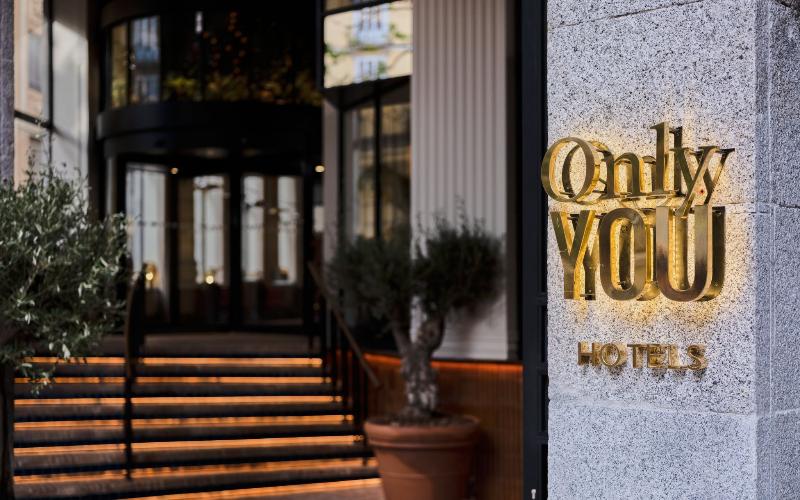
Only YOU Hotel Valencia
Valencia
Parking
From £124 a night, taxes incl.2 adults · checked 14 Nov, 05:52

★★★★
Albufera Apartotel
Alfafar
Pool · Parking
See prices and rooms →

★★★★★
The Westin Valencia
Valencia
Beach 2 km · Spa · Pool
From £211 a night, taxes incl.2 adults · checked 14 Nov, 05:52
Getting around
The old town is best on foot, and the city as a whole is flat and ideal for cycling, with the Turia Gardens as a traffic-free route across town. The metro runs from the airport to the centre, and trams and buses go to the beach. You only need a car if you plan to tour further afield.
When to go
Valencia has a mild Mediterranean climate and plenty of sunshine all year. Spring and autumn are warm and comfortable for sightseeing. High summer is hot and humid, good for the beach. Winters are mild. Las Fallas in March is unforgettable but busy, and autumn can bring heavy rain.
Questions about visiting Valencia
- What is Valencia best known for?
- Paella, the futuristic City of Arts and Sciences, the Las Fallas festival, oranges, and a handsome old town with the Central Market and the Gothic Silk Exchange, all a short ride from a long sandy beach.
- How many days do you need in Valencia?
- Three days is a good amount: one for the old town, one for the City of Arts and Sciences and the Turia Gardens, and one for the beach and the Albufera. Two days will cover the highlights.
- What is there to do in Valencia with kids?
- The Oceanogràfic aquarium and the science museum at the City of Arts and Sciences are the main draws. Gulliver Park in the Turia Gardens is a hit with younger children, and the city beach is wide, sandy and shallow.
- Is Valencia worth visiting?
- Yes. It combines a historic centre, remarkable modern architecture, a city beach and some of the best food in Spain, with a calmer pace and fewer crowds than Barcelona.
- Do you need a car in Valencia?
- No. The centre is walkable, the city is flat and bike-friendly, and public transport reaches the beach and the airport. Buses and tours run to the Albufera, and trains go to Sagunto.
More guides
- Where to stay in Valencia
- The best things to do in London
- The best things to do in Edinburgh
- The best things to do in Manchester
- The best things to do in York
- The best things to do in Amsterdam
- The best things to do in Birmingham
- The best things to do in Liverpool
- The best things to do in Bristol
- The best things to do in Barcelona
- The best things to do in Budapest
- The best things to do in Cambridge
- The best things to do in Dublin
- The best things to do in Krakow