

Nothing quite prepares you for Venice. You step out of the station and there it is: a city of marble palaces rising straight out of the water, boats instead of cars, and a maze of alleys and bridges where getting lost is half the point. It has been painted and photographed to death, and it still takes your breath away.
The crowds around St Mark's and the Rialto can be overwhelming at midday, so the trick is timing. Do the big sights early, wander the quieter sestieri of Cannaregio, Castello and Dorsoduro in the afternoon, and stay at least one night: Venice after the day-trippers leave, all lapping water and lamplit squares, is the real reward.
Don't miss
The big sights
The heart of the old Venetian Republic, grouped around Piazza San Marco and the Grand Canal.
St Mark's Basilica
Landmark

Photo: Yair Haklai, CC BY-SA 4.0 Venice's great cathedral is a Byzantine fantasy of domes, marble and gold. Step inside and the ceilings glitter with acres of golden mosaics, telling Bible stories in shimmering detail. Don't miss the Pala d'Oro, a jewel-encrusted golden altarpiece, or the terrace over the piazza, where copies of the famous bronze horses stand guard (the originals are safely inside).
Tip: Book a timed entry online to skip the long queue. Shoulders and knees must be covered, and big bags are not allowed in.
Doge's Palace
Landmark

Photo: Didier Descouens, CC BY-SA 4.0 For centuries this pink-and-white Gothic palace was the seat of the Venetian Republic. Its gilded council chambers are lined with vast paintings by Tintoretto and Veronese, celebrating the city's power. Then you cross the Bridge of Sighs into the dank prisons, following the route of condemned men taking their last look at the lagoon.
Tip: The 'Secret Itineraries' guided tour takes you into hidden offices, torture rooms and the cell Casanova escaped from. Book well ahead.
The Grand Canal
Landmark

Photo: This Photo was taken by Wolfgang Moroder. Feel free to use my photos, but please, CC BY-SA 3.0 Venice's main street is a sweeping S-shaped waterway lined with palaces from every century of the city's history. The best way to see it is from the public waterbus: vaporetto line 1 crawls the whole length, stopping at every landing, for the price of an ordinary ticket.
For a few seconds on the water for next to nothing, take a traghetto, one of the gondola ferries that shuttle locals across the canal at points without a bridge.
Tip: Try to grab a seat at the front or back of the vaporetto for an uninterrupted view.
Rialto Bridge
Landmark

Photo: kallerna, CC BY-SA 4.0 The stone bridge over the Grand Canal, built in the 16th century, is lined with shops and permanently mobbed. Push your way to the top for the view down the canal, then dive into the market streets on the San Polo side.
Art and churches
Gallerie dell'Accademia
Museum
The place to see Venetian painting in all its glowing colour, from Bellini's serene Madonnas to Giorgione's mysterious Tempest and huge canvases by Titian, Tintoretto and Veronese. It is a manageable size, and rarely as crowded as the sights around San Marco.
Peggy Guggenheim Collection
Museum

Photo: BKP, CC BY-SA 3.0 The American heiress Peggy Guggenheim lived in this low, unfinished palazzo on the Grand Canal, and she filled it with the 20th-century art she collected and championed: Picasso, Pollock, Magritte, Dalí, Ernst and more. The sculpture garden and the canal-side terrace are delightful.
Basilica dei Frari
Landmark
A huge brick Gothic church in San Polo whose high altar is crowned by Titian's blazing Assumption of the Virgin, one of the masterpieces of Venetian painting. Titian himself is buried here, along with Canova's striking pyramid-shaped monument.
Scuola Grande di San Rocco
Museum

Photo: Lessormore, CC BY-SA 4.0 Just round the corner from the Frari, this confraternity building is covered floor to ceiling with paintings by Tintoretto, who worked on them for more than twenty years. The effect in the great upstairs hall is overwhelming; use the mirrors provided to study the ceiling without cricking your neck.
Neighbourhoods to wander
Venice is divided into six sestieri, and the best way to see them is to put the map away.
Cannaregio and the Ghetto
Neighbourhood

Photo: This Photo was taken by Wolfgang Moroder. Feel free to use my photos, but please, CC BY-SA 3.0 Cannaregio is where many Venetians actually live, and it shows in its long, straight canals, washing lines and neighbourhood bars. It is also home to the Ghetto, where the Republic confined the city's Jewish community from the 16th century; the word 'ghetto' comes from here. Its synagogues and museum tell the story.
Tip: In the evening, the canal-side bars along the Fondamenta della Misericordia fill up with locals.
Dorsoduro
Neighbourhood
Venice's arty, studenty quarter, home to the Accademia and the Guggenheim, has a lived-in charm. Walk the Zattere, the long sunny promenade facing Giudecca, then join the crowds of students in Campo Santa Margherita for an evening spritz.
Castello
Neighbourhood
The biggest sestiere stretches east from San Marco to the old Arsenale, where the Republic built its war galleys, and the gardens where the Biennale is held. The further you go, the quieter and more local it gets, with Via Garibaldi, a rare wide street, lined with cheerful bars and grocers.
The lagoon islands
Waterbuses from Fondamente Nove make a half or full day of island-hopping easy.
Murano
Day trip

Photo: This Photo was taken by Wolfgang Moroder. Feel free to use my photos, but please, CC BY 3.0 Venice moved its glassmakers to Murano in the 13th century to keep the risk of fire away from the city, and the island has been blowing glass ever since. Watch a demonstration in one of the furnaces, browse the showrooms along its canals and visit the Glass Museum.
Burano
Day trip

Photo: Anoixe, CC BY-SA 3.0 A fishing island of houses painted every colour imaginable, from lemon yellow to cobalt blue, lined up along little canals. It is famous for its lace and for risotto made with local fish, and it is ridiculously photogenic.
Tip: Go in the late afternoon, when the tour groups have left and the colours glow.
Torcello
Day trip

Photo: GodeNehler, CC BY-SA 4.0 Once a thriving town, older than Venice itself, Torcello is now a near-deserted island of reeds and fields. Its ancient cathedral of Santa Maria Assunta holds some of the finest Byzantine mosaics in the lagoon, including a vast and vivid Last Judgement.
Eat and drink
Cicchetti and spritz
Food

Photo: Benreis, CC BY-SA 4.0 Venice's answer to tapas: cicchetti are small bites served in traditional bacari (wine bars), from creamy salt cod on toasted bread to meatballs, fried seafood and crostini piled with anything going. Stand at the counter with an ombra, a small glass of wine, or a bright orange spritz, and move on to the next bar.
Tip: The streets around the Rialto market and in Cannaregio are the best for a bacaro crawl.
Rialto Market
Market
For centuries Venice has done its food shopping by the Rialto. The open-sided Pescheria is piled with glistening lagoon fish and seafood, and the stalls around it sell fruit and vegetables from the islands. It is a morning affair, so go early.
Sarde in saor
Food

Photo: Benoît Prieur, CC0 The classic Venetian starter: fried sardines marinated with sweet-and-sour onions, vinegar, pine nuts and raisins. It was originally a way to preserve fish on long sea voyages, and it is on every bacaro counter.
Where to stay in Venice
Not sure which area suits you? Read our guide: Where to stay in Venice →
★★★★
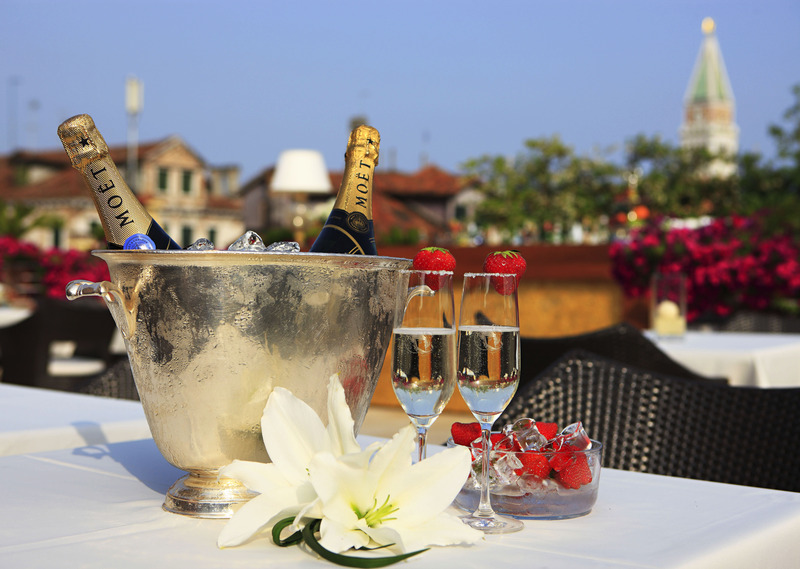
A La Commedia
Venezia
Pets allowed
See prices and rooms →
★★★★
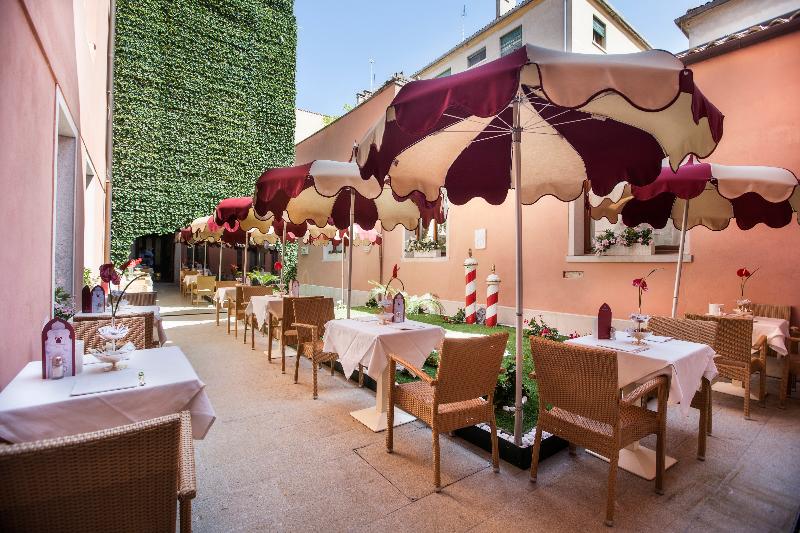
Ai Mori d'Oriente
Venezia
Beach 2 km
From £632 a night, taxes incl.2 adults · checked 1 Oct, 17:38
★★★★★
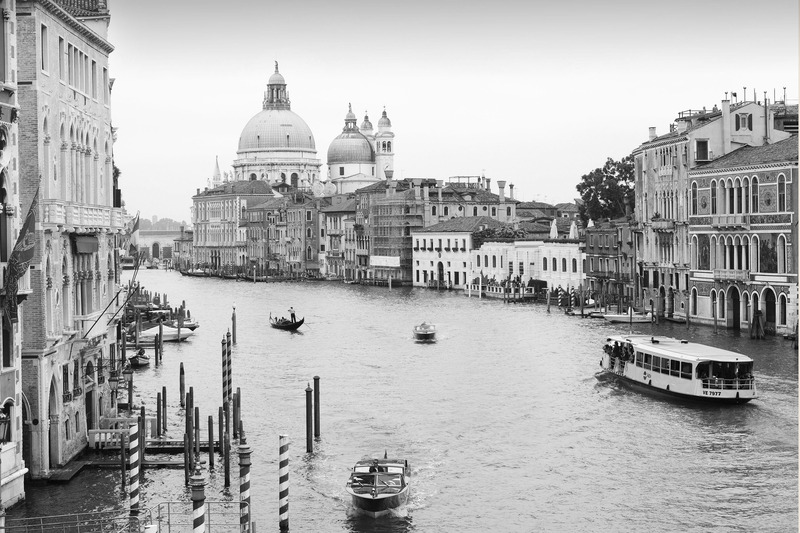
Baglioni Hotel Luna
Venezia
Spa · Pets allowed
See prices and rooms →

★★★★
Al Codega
Venezia
Beach 3 km · 28 rooms
See prices and rooms →

★★★★
Al Ponte Dei Sospiri Junior Suites
Venezia
13 rooms
See prices and rooms →
★★★★★
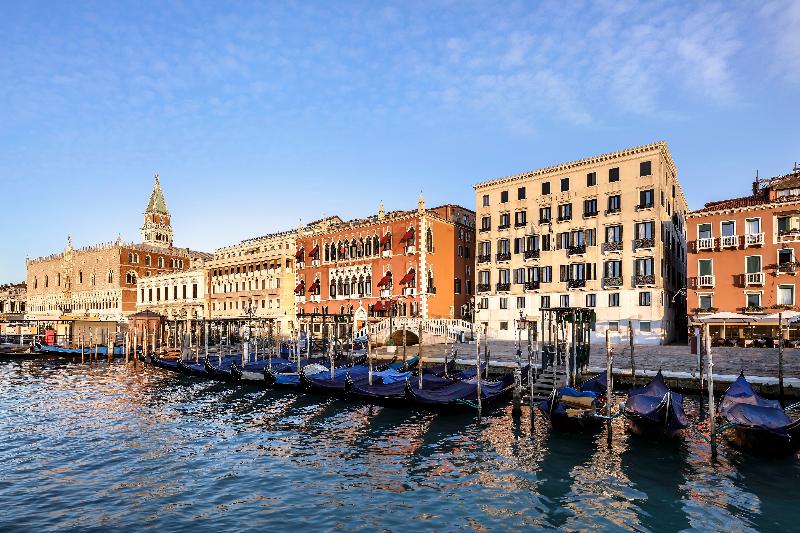
Hotel Danieli, Venice
Venice
Beach 3 km · Family-friendly · Golf
From £2,403 a night, taxes incl.2 adults · checked 1 Oct, 17:38
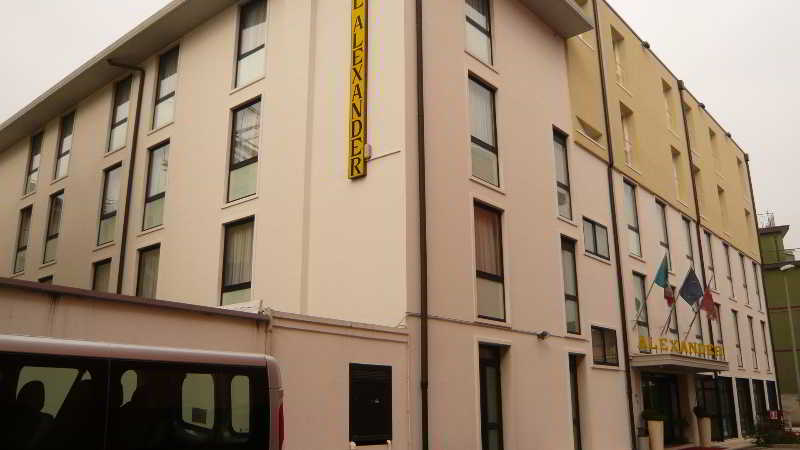
★★★★
Alexander
Venezia
77 rooms · Parking
See prices and rooms →
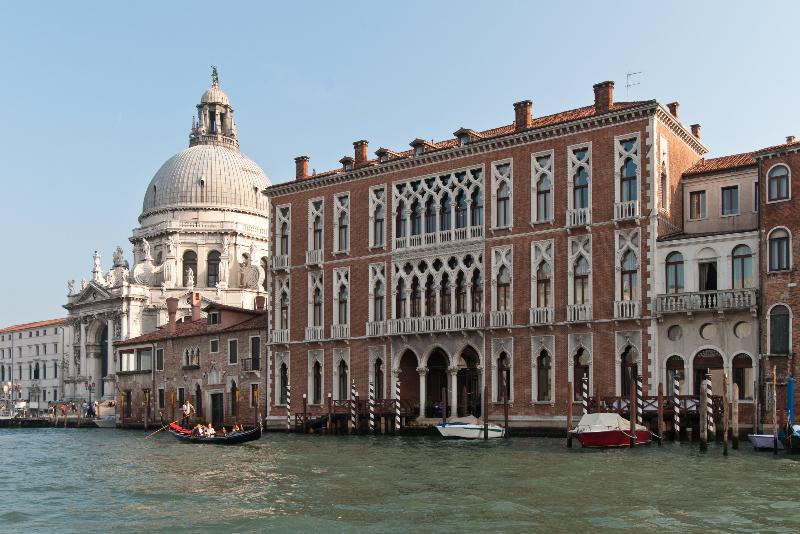
★★★★★
Sina Centurion Palace
Venezia
From £1,714 a night, taxes incl.2 adults · checked 1 Oct, 17:38
Getting around
Venice is a walking city: there are no cars, and the vaporetto waterbuses are the public transport. A multi-day travel pass is good value if you plan to ride them a lot. Expect to get lost, and allow extra time to get anywhere.
On busy days the city charges day-trippers an access fee. Overnight visitors are exempt, but check the current rules before you travel.
When to go
Spring and autumn are the best times, with mild weather and slightly smaller crowds. Summer is hot and busy. Winter is quiet and atmospheric, with Carnival in February, though high tides (acqua alta) can occasionally flood low-lying areas.
Questions about visiting Venice
- What is Venice best known for?
- Its canals and gondolas, St Mark's Basilica and the Doge's Palace, the Rialto Bridge, Carnival masks, Murano glass and the colourful island of Burano.
- How many days do you need in Venice?
- Two or three days lets you see the main sights, explore the quieter neighbourhoods and visit Murano and Burano. Staying overnight means you see the city at its calmest.
- Is a gondola ride worth it?
- It is expensive, but for many people it is the experience of a lifetime. For a cheaper taste, cross the Grand Canal on a traghetto gondola ferry.
- What is there to do in Venice with kids?
- Vaporetto rides, watching glass being blown on Murano, the colourful houses of Burano, and a day on the beaches of the Lido are all good with children.
More guides
- Where to stay in Venice
- The best things to do in London
- The best things to do in Edinburgh
- The best things to do in Amsterdam
- The best things to do in Barcelona
- The best things to do in Budapest
- The best things to do in Dublin
- The best things to do in Krakow
- The best things to do in Prague
- The best things to do in Berlin
- The best things to do in Lisbon
- The best things to do in Milan
- The best things to do in Paris
- The best things to do in Rome