
Vienna was the seat of the Habsburg empire for centuries, and it still carries itself like a capital of something grand. The palaces are vast, the boulevards are lined with gilded facades, and an opera house sits on the main ring road. Yet the city is also easy, walkable and comfortable, and surprisingly relaxed. People here take their time over coffee, and they are right to.
Plan around the big three, imperial palaces, great museums and the coffeehouses, then leave time for the little things: a tram ride round the Ring, a glass of new wine in a vineyard tavern, an evening in the Prater. Vienna rewards slow days far more than a checklist.
Don't miss
Imperial Vienna
The Habsburgs built big, and most of it is still standing.
Schönbrunn Palace
Landmark

Photo: Martin Falbisoner, CC BY-SA 4.0 The Habsburgs' summer palace is a huge yellow Baroque complex on the western edge of the city, with state rooms you can tour and formal gardens that stretch up a hill to the Gloriette, a colonnaded viewpoint. It's one of the city's most visited sights, and the gardens alone are worth a few hours.
Tip: Book your slot online and go early; then climb to the Gloriette for the view back over the palace and the city.
The Hofburg
Landmark

Photo: Dietmar Rabich, CC BY-SA 4.0 The imperial winter palace is less a building than a small town, a sprawl of courtyards, wings and squares in the heart of the old city. It holds the imperial apartments, the Sisi Museum, the Treasury and the National Library, and it's a fascinating place to see how the Habsburgs lived.
Belvedere
Museum

Photo: Martin Falbisoner, CC BY-SA 4.0 Two Baroque palaces facing each other across formal gardens, built for Prince Eugene of Savoy. The Upper Belvedere is home to the finest collection of Gustav Klimt anywhere, including The Kiss, along with works by Egon Schiele. The gardens alone make it worth the walk.
St Stephen's Cathedral
Landmark

Photo: Dietmar Rabich, CC BY-SA 4.0 Vienna's Gothic cathedral, known locally as the Steffl, towers over the old city with a steep roof tiled in colourful zigzags. Inside there's a soaring nave, and you can climb the tower for the view or descend to the catacombs.
Vienna State Opera
Landmark

Photo: P e z i, CC BY-SA 3.0 at The great opera house on the Ringstrasse puts on performances nearly every night of the season, and tours let you see the auditorium even if you can't get a ticket. Standing-room places are sold for many performances, and they are the classic way to see an opera on a budget.
Museums
Kunsthistorisches Museum
Museum

Photo: Dietmar Rabich, CC BY-SA 4.0 The Habsburg art collection is housed in a palatial building on the Ring, with Rubens, Titian, Vermeer and the world's largest holding of paintings by Pieter Bruegel the Elder. The marble staircase and domed hall are as dazzling as the paintings.
Tip: The café under the central dome is a gorgeous place to stop.
MuseumsQuartier
Museum
A former imperial stables turned into one of Europe's largest cultural complexes. It holds the Leopold Museum, famous for its Egon Schiele collection, and the mumok modern art museum, and its courtyard is full of people lounging on brightly coloured outdoor furniture in summer.
Albertina
Museum
A grand palace beside the Opera, with the Habsburg state rooms and a large collection of prints and drawings, from Dürer to Picasso, plus a strong programme of temporary exhibitions. The terrace outside has a view over the Opera and the old city.
Parks, markets and quirks
The Prater and the Riesenrad
Activity

Photo: Dietmar Rabich, CC BY-SA 4.0 The Prater is a huge park on the edge of the old city with an old-fashioned amusement area, the Wurstelprater, and a giant Ferris wheel, the Riesenrad, built in 1897, which is among the oldest of its kind in the world. Ride it for the view, then walk or cycle the long tree-lined avenue through the park.
Naschmarkt
Market

Photo: Dietmar Rabich, CC BY-SA 4.0 Vienna's most famous market runs along a long strip near the Wien river, with stalls of olives, cheeses, spices and fruit, and restaurants and cafés tucked between them. It's lively, a bit tourist-friendly, and a good spot for lunch. On Saturdays a flea market sets up at the far end.
Hundertwasserhaus
Landmark

Photo: Dietmar Rabich, CC BY-SA 4.0 A famously wonky apartment block, covered in colour and mosaics and topped with trees, designed by the artist Friedensreich Hundertwasser. It's still a residential building, so you view it from the street, but it's a delightful antidote to the city's grand Baroque.
Coffee, cake and wine
Viennese coffeehouses
Food

Photo: Dr. Bernd Gross, CC BY-SA 4.0 Coffeehouse culture is listed by UNESCO as an intangible heritage, and these are places where nobody will hurry you. Order a melange, a milky coffee a bit like a cappuccino, with a glass of water, and sit as long as you like with a newspaper. Cafés Central, Sperl and Hawelka are three classics.
Tip: Do not rush: waiters will not bring the bill until you ask.
Sachertorte
Food

Photo: Rizka, CC BY-SA 4.0 A dense chocolate cake with a thin layer of apricot jam and a glossy chocolate glaze, served with whipped cream. The Hotel Sacher and the rival Café Demel both claim the original, and the only way to settle it's to try both.
Wiener Schnitzel
Food
A thin cutlet of veal, breaded and fried until golden, served with lemon, potato salad or parsley potatoes. The real thing is veal, so look for it on the menu, and order it at a proper traditional restaurant.
Heurigen
Nightlife
In the villages on Vienna's northern edge, such as Grinzing and Nussdorf, family-run wine taverns serve the year's new wine with cold platters and hot dishes at long tables, often in leafy courtyards. A pine branch over the door shows when they are open.
Tip: Take a tram or bus out to Grinzing and plan a slow afternoon or evening.
Day trips
The Wachau and Melk Abbey
Day trip

Photo: Carsten Steger, CC BY-SA 4.0 West of Vienna, the Danube winds through the Wachau valley, a landscape of terraced vineyards, apricot orchards and tiny wine villages that's a UNESCO World Heritage Site. Melk Abbey, a grand yellow Baroque monastery on a rock above the river, is the highlight, and you can combine it with a river cruise or a stop in medieval Dürnstein.
Bratislava
Day trip
The capital of Slovakia is only about an hour away by train or river boat, with a compact old town, a hilltop castle above the Danube and easy cafés and restaurants. It makes an easy half-day or full day.
Where to stay in Vienna
Not sure which area suits you? Read our guide: Where to stay in Vienna →
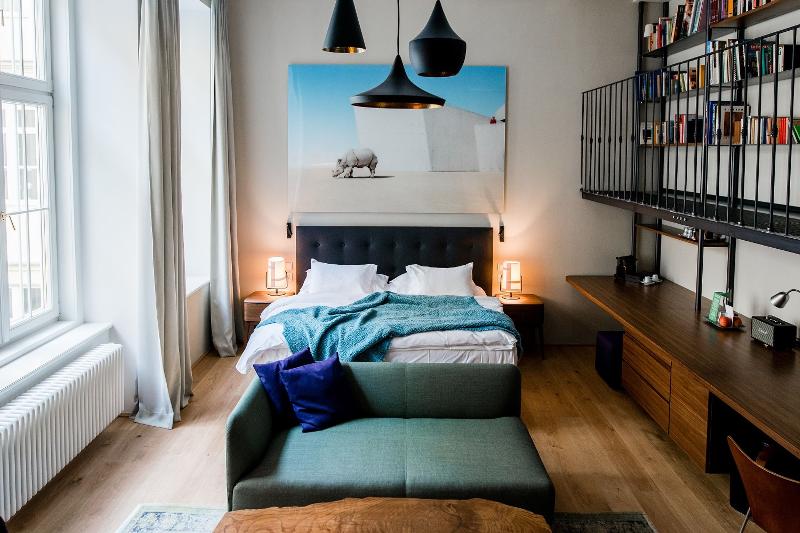
★★★★
Small Luxury Hotel Altstadt Vienna
Vienna
62 rooms · Pets allowed · Parking
See prices and rooms →
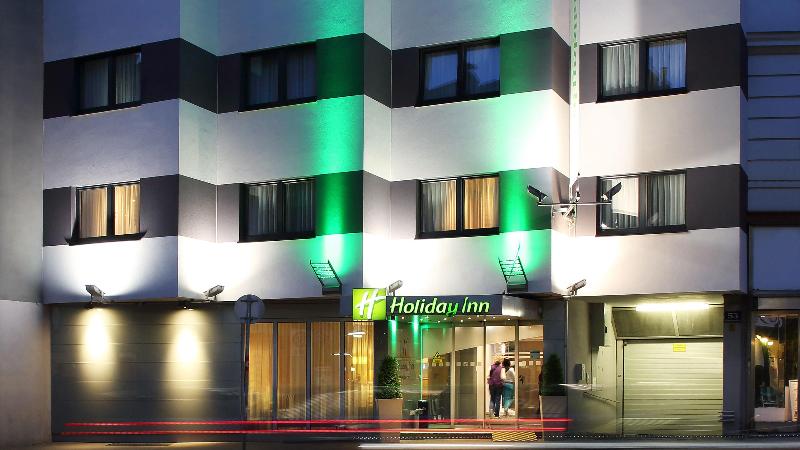
★★★★
Holiday Inn Vienna City City
Vienna
All-inclusive option · Family-friendly · Pets allowed
From £246 a night, taxes incl.2 adults · checked 1 Oct, 18:53
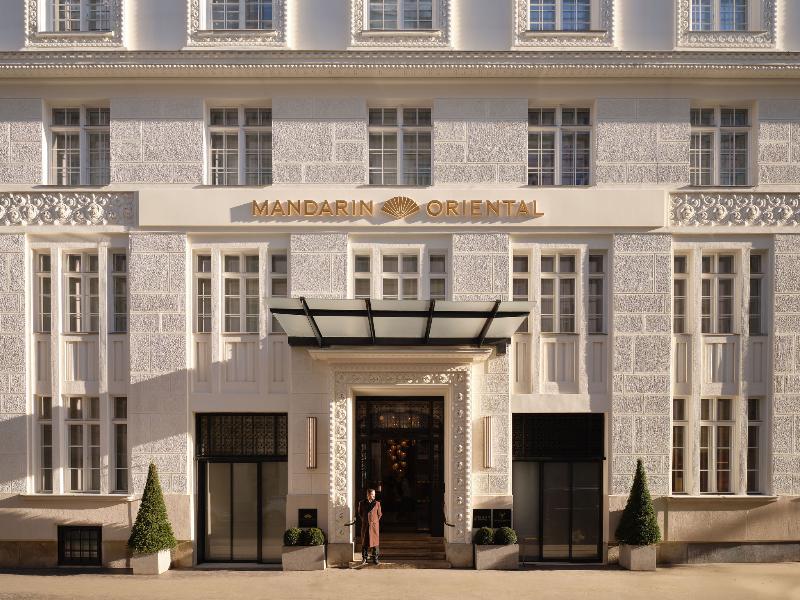
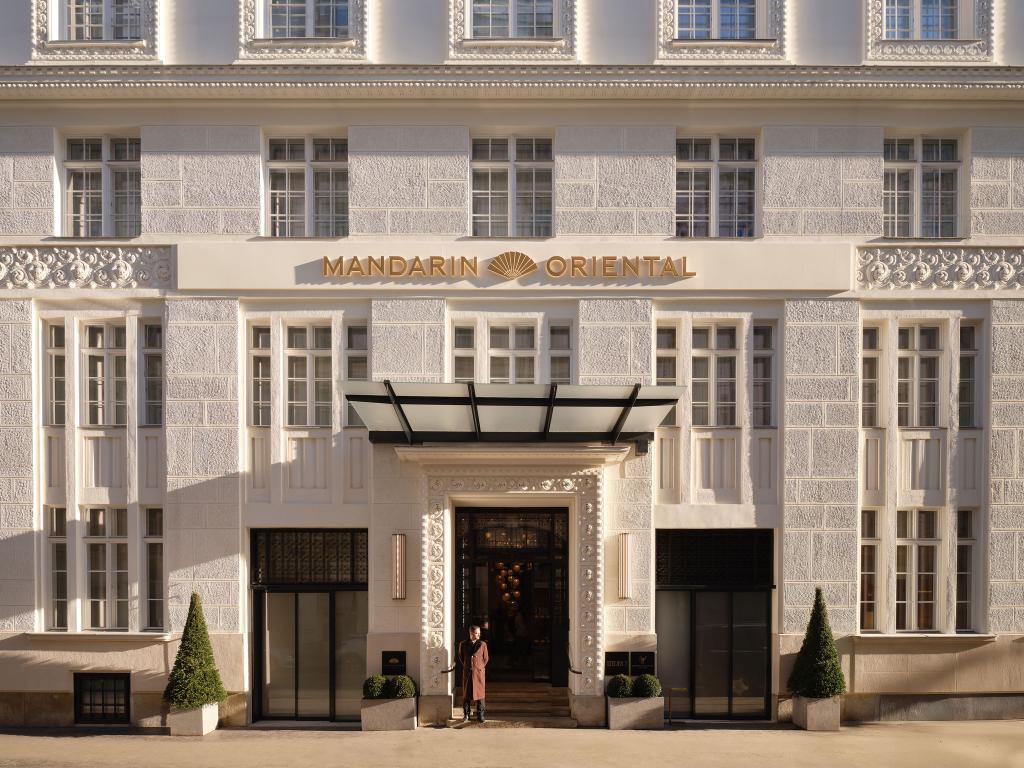
★★★★★
Mandarin Oriental, Vienna
Vienna
Spa · Pool · Pets allowed
From £618 a night, taxes incl.2 adults · checked 1 Oct, 18:53

★★★★
Hotel Josefshof am Rathaus
Vienna
Parking
From £214 a night, taxes incl.2 adults · checked 1 Oct, 18:53
★★★★
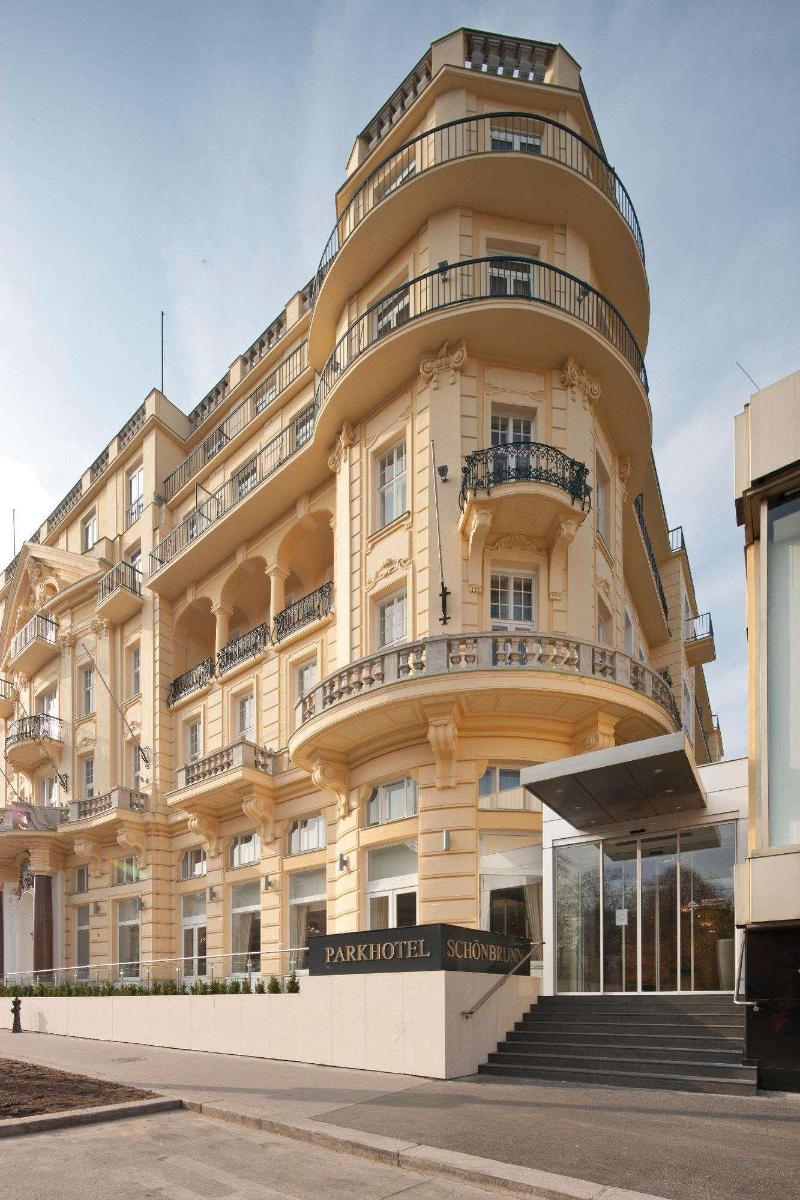
Austria Trend Parkhotel Schoenbrunn
Vienna
All-inclusive option · Spa · Family-friendly
From £128 a night, taxes incl.2 adults · checked 1 Oct, 18:53

★★★★★
Hotel Sacher Wien
Vienna
Spa · Pets allowed · Parking
From £896 a night, taxes incl.2 adults · checked 1 Oct, 18:53
★★★★
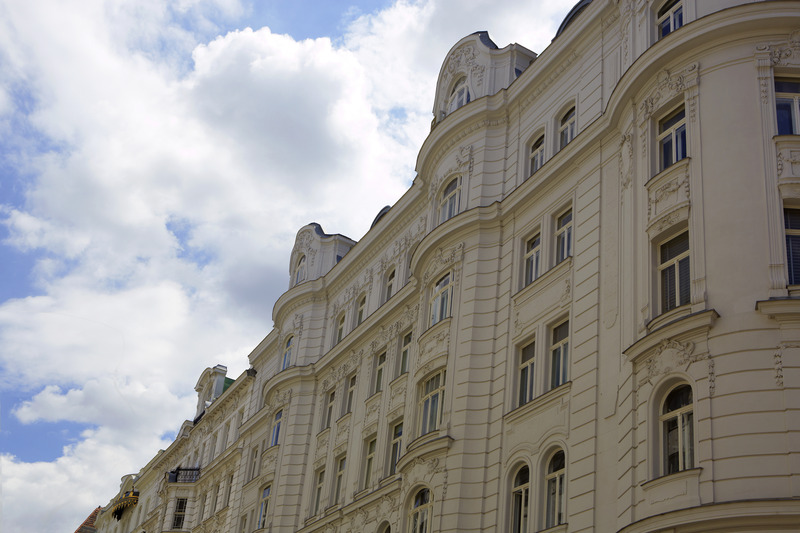
Adagio Vienna City
Vienna
See prices and rooms →

★★★★★
Almanac Palais Vienna
Vienna
Spa · Pool · Pets allowed
From £418 a night, taxes incl.2 adults · checked 1 Oct, 18:53
Getting around
Vienna's public transport is excellent: the U-Bahn, trams and buses cover the whole city, and one ticket works across all of them. The old centre is compact enough to walk, and a tram ride around the Ringstrasse is a quick and easy sightseeing tour. You don't need a car.
When to go
Spring and early autumn have mild weather and fewer crowds. Summer can be hot, with long evenings in the Prater and vineyards, while December brings the Christmas markets and a cold, festive atmosphere.
Questions about visiting Vienna
- What is Vienna best known for?
- Imperial palaces such as Schönbrunn and the Hofburg, classical music and the State Opera, great museums, Klimt, coffeehouse culture and cakes such as Sachertorte.
- How many days do you need in Vienna?
- Three days covers Schönbrunn, the old town, a museum and the coffeehouses. Four or five lets you add the Belvedere, the Prater and a day trip to the Wachau.
- Is Vienna walkable?
- The old city inside the Ringstrasse is very walkable, and trams and the U-Bahn take you quickly to Schönbrunn, the Belvedere and the Prater.
- Is Vienna good for a city break in winter?
- Yes. Christmas markets, concerts and cosy coffeehouses make it one of Europe's best winter city breaks, though it can be very cold.
More guides
- Where to stay in Vienna
- The best things to do in London
- The best things to do in Edinburgh
- The best things to do in Amsterdam
- The best things to do in Barcelona
- The best things to do in Budapest
- The best things to do in Dublin
- The best things to do in Krakow
- The best things to do in Prague
- The best things to do in Berlin
- The best things to do in Lisbon
- The best things to do in Milan
- The best things to do in Paris
- The best things to do in Rome