
Vietnam is a long, thin country with a long, long list. In the north, limestone towers rise from emerald water and mountains are stepped in rice terraces. In the middle, an ancient lantern-lit port town sits a short ride from imperial tombs and a spectacular coast road. In the south, the Mekong Delta fans out in a web of canals and floating markets.
It's also a country you eat your way through. Every region has its own soup, noodle and pancake, and the best meals are usually on a plastic stool on the pavement. Use the domestic flights and the trains to link a few places well rather than ticking off everything.
Don't miss
The north
Hanoi, karst scenery and the mountains.
Hanoi Old Quarter
Neighbourhood

Photo: Richard Mortel from Riyadh, Saudi Arabia, CC BY 2.0 A tangle of narrow streets, each historically given over to a single trade, where scooters, street food, shopfronts and temples jostle for room. Wander at dawn around Hoan Kiem Lake, then lose yourself in the lanes. It's chaotic, charming and very much alive.
The Temple of Literature, Vietnam's first university, is a calm contrast, a short ride away.
Tip: Cross the road slowly and steadily. Scooters will flow around you.
Ha Long Bay
Nature

Photo: Thomas Hirsch / User:Ravn, CC BY-SA 3.0 Thousands of limestone islands and pinnacles rise from jade-green water in this UNESCO World Heritage Site. Cruise past floating fishing villages, kayak into lagoons and caves, and sleep on board a traditional junk-style boat. It's as dramatic as the pictures suggest, especially in the early morning mist.
Tip: Look at routes into the quieter Lan Ha Bay, which has fewer boats.
Trang An and Ninh Binh
Day trip

Photo: Jakub Hałun, CC BY 4.0 Often called Ha Long Bay on land, Ninh Binh has the same limestone karsts, rising from flooded rice paddies instead of the sea. At Trang An, small rowing boats drift through caves and past temples and cliffs. It's a restful, scenic day trip from Hanoi.
Sapa rice terraces
Nature

Photo: Eerin25, CC0 High in the north-western mountains, the hillsides around Sapa are carved into rice terraces, home to Hmong and Dao communities. Trek between villages with a local guide and enjoy views of Fansipan, Vietnam's highest peak. Misty weather is part of the mood.
Tip: The terraces are greenest in summer and golden around harvest time, in early autumn.
Central Vietnam
Hoi An Ancient Town
Neighbourhood

Photo: Steffen Schmitz (more photos), CC BY-SA 4.0 A beautifully preserved trading port of mustard-yellow merchant houses, wooden shopfronts and temples, with a Japanese covered bridge at its heart. By night, silk lanterns light up the riverbank and little boats drift past. Hoi An is also famous for its tailors, and many visitors leave with a made-to-measure outfit.
Tip: Allow time to browse before you order, and be clear about fabric, fit and fittings.
Hue Imperial City
Landmark

Photo: This Photo was taken by Supanut Arunoprayote. Feel free to use any of my images,, CC BY 4.0 The walled citadel of Hue was the seat of the Nguyen emperors, Vietnam's last dynasty. Inside, gates, courtyards, halls and gardens sit within moats and walls. It's a UNESCO World Heritage Site, and the royal tombs along the Perfume River make a good follow-up.
My Son Sanctuary
Day trip

Photo: [Tycho] talk , http://shansov.net, CC BY 3.0 A cluster of ruined red-brick towers in a jungle valley, built by the Cham people as Hindu temples between the fourth and thirteenth centuries. It's a UNESCO World Heritage Site, easy to visit from Hoi An, and best early in the day before the heat and the tour groups.
Hai Van Pass
Activity

Photo: Steffen Schmitz, CC BY-SA 4.0 A winding coast road between Hue and Da Nang, climbing over a mountain headland with views of beaches, bays and the sea far below. It's famous with motorbike riders and TV presenters alike. You can also do it by car or tour, and stop at the top for a coffee.
The south and islands
War Remnants Museum
Museum
In Ho Chi Minh City, this is one of the city's most visited museums, with powerful photographs and exhibits about the Vietnam War. It's sobering and sometimes distressing, and offers a Vietnamese perspective on the conflict.
Cu Chi tunnels
Day trip
North-west of Ho Chi Minh City, a network of narrow underground tunnels was used during the war. You can crawl a short stretch of the route, which gives an idea of the cramped conditions. Many visitors find it a memorable and thought-provoking half-day.
The Mekong Delta
Day trip

Photo: Vyacheslav Argenberg, CC BY 4.0 South of Ho Chi Minh City, the great river splits into a maze of canals, orchards and floating markets. Glide by sampan through coconut-palm channels, visit fruit farms and stop at a local home for lunch. Staying overnight in Can Tho lets you see the floating market at dawn.
Phu Quoc
Beach

Photo: [//commons.wikimedia.org/wiki/User:Trantuonglam Trantuonglam], CC BY-SA 4.0 Vietnam's largest island in the Gulf of Thailand has long white beaches, warm water and a laid-back feel, a tropical complement to the cities. Sao Beach, on the south-east coast, is among the most beautiful, and boat trips go out to snorkel around the smaller islands.
Tip: Go in the drier season, roughly November to April, when the sea is calm and the skies are clear.
Eat and drink
Pho
Food
Vietnam's national dish: a fragrant bowl of broth simmered with spices, with rice noodles, herbs and slices of beef or chicken. It's born in the north and eaten for breakfast all over the country. Add lime, chilli and a handful of herbs, and slurp.
Banh mi
Food
A crisp baguette, a legacy of the French, stuffed with pâté, pork, carrot and radish, coriander and chilli. It's a street-food masterpiece and one of the best cheap lunches in the world. Hoi An is especially famous for its banh mi.
Bun cha
Food

Photo: Weetjesman, CC BY-SA 4.0 Hanoi's lunchtime classic: smoky grilled pork patties and slices of pork belly in a bowl of sweet-sour dipping broth, with a pile of cold rice noodles and herbs on the side. You dip, you eat, you repeat.
Cao lau
Food

Photo: Chainwit., CC BY 4.0 A noodle dish from Hoi An, made with thick, chewy noodles, slices of pork, greens and crispy croutons in a small amount of rich sauce. It's said to depend on local water, and you'll struggle to find the same dish elsewhere.
Where to stay in Vietnam
Not sure which area suits you? Read our guide: Where to stay in Vietnam →
★★★★
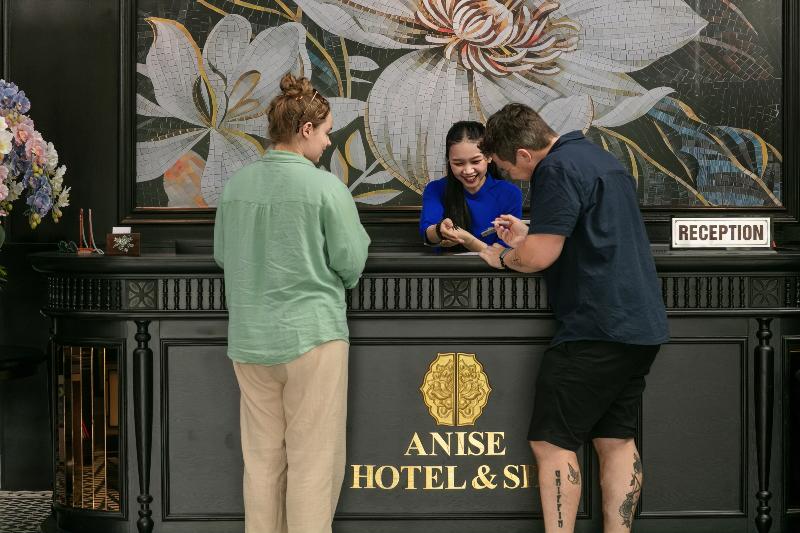
Anise Hanoi Hotel & Spa
Hanoi
Spa · 50 rooms · Parking
See prices and rooms →
★★★★
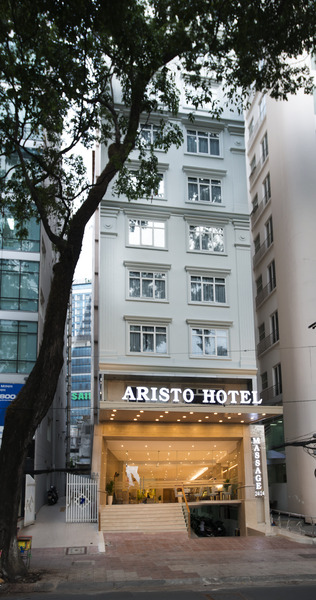
Aristo Saigon Hotel
Ho Chi Minh City
Adults only · Spa · Pool
See prices and rooms →
★★★★★
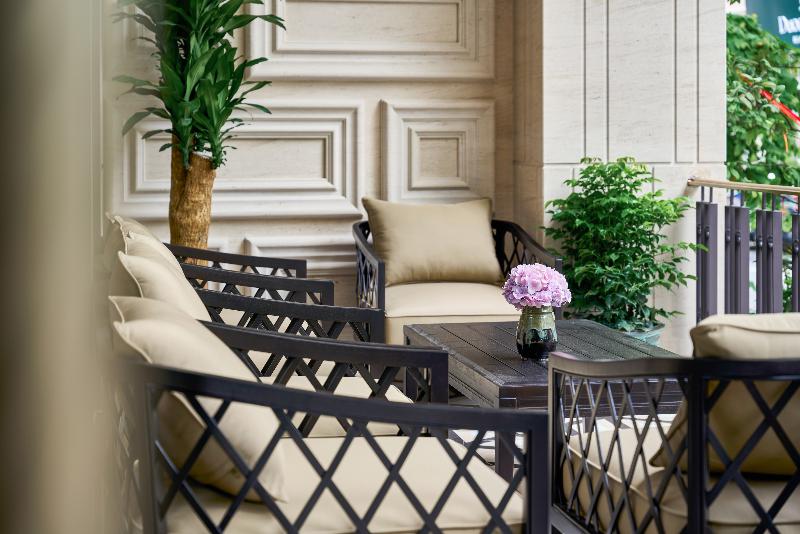
Tonkin Luxury Boutique Hotel & Spa
Hà Nội
Spa · Rooftop pool · 36 rooms
See prices and rooms →

★★★★
Avani Quy Nhon Resort
Gia Lai province, Vietnam
Beach 10 m · All-inclusive option · Spa
See prices and rooms →
★★★★
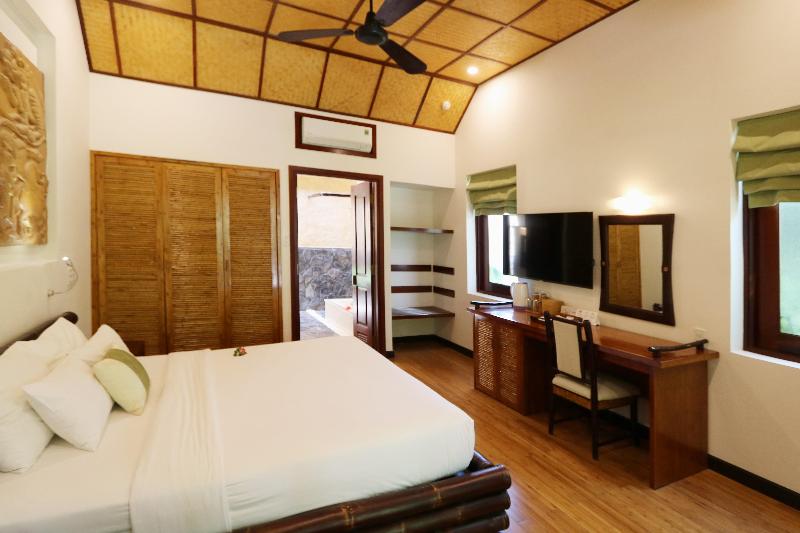
Bamboo Village Beach Resort & Spa
Phan Thiet
Beach 10 m · Spa · Pool
From £148 a night, taxes incl.2 adults · checked 1 Oct, 20:23
★★★★★
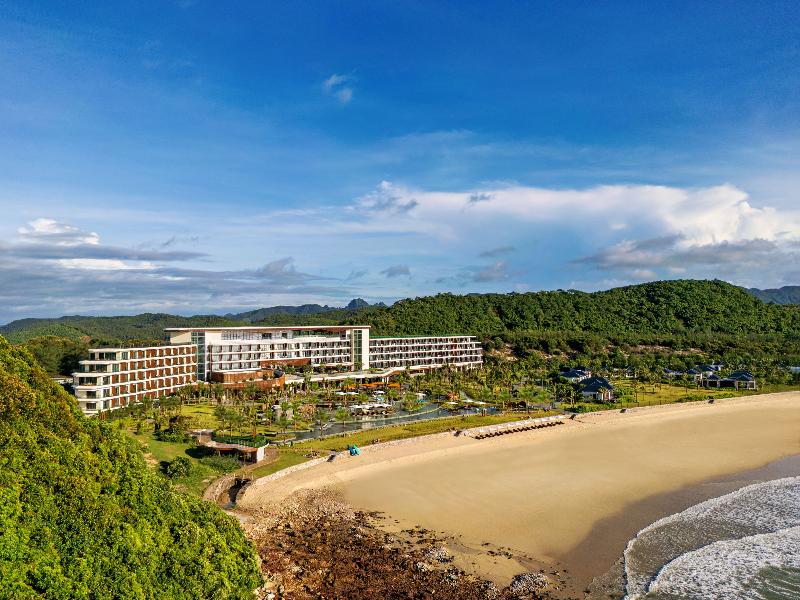
Angsana Quan Lan Ha Long Bay Hotel & Resort
Quang Ninh Province
Beach 50 m · Spa · Pool
See prices and rooms →

★★★★
Bao Son International Hotel
Hanoi
Spa · Pool · Parking
From £59 a night, taxes incl.2 adults · checked 1 Oct, 18:09
★★★★★
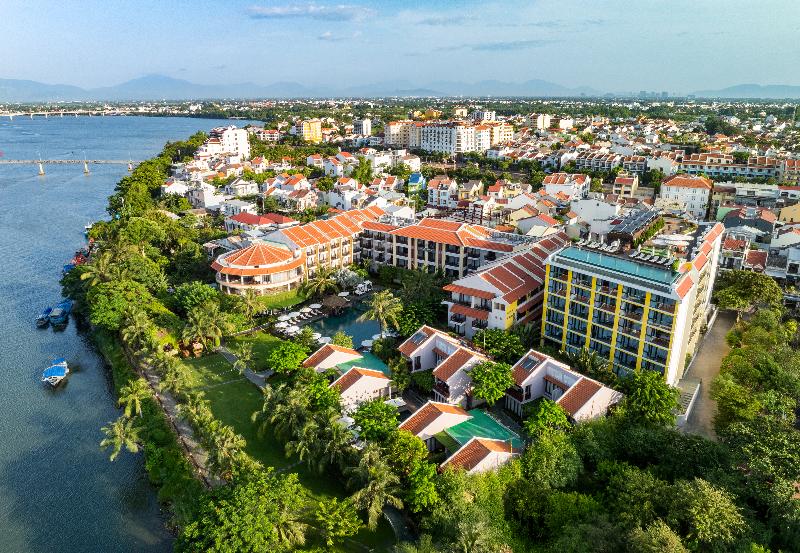
Bel Marina Hoi An Resort
Hoi An
Spa · Pool · Family-friendly
See prices and rooms →
Getting around
Vietnam is long, so use domestic flights for the big hops between Hanoi, Da Nang and Ho Chi Minh City. Trains are scenic and comfortable between the main cities. Within cities, ride-hailing apps and taxis are cheap, and organised tours cover Ha Long Bay, the Mekong and the day trips.
When to go
Vietnam's regions have different seasons, so something is always at its best. The north is cooler and drier from around October to April, central Vietnam is best from roughly February to August, and the south is driest from about December to April. Typhoons can affect the coast in autumn.
Questions about visiting Vietnam
- What is Vietnam best known for?
- Street food such as pho and banh mi, Ha Long Bay, the old streets of Hoi An and Hanoi, rice terraces, beaches and a rich history.
- Is Vietnam worth visiting?
- Yes. It combines cities, coast, mountains and some of the best food in Asia, and it is good value for UK visitors.
- What is there to do in Vietnam with kids?
- Boat rides in Trang An, lantern-lit evenings in Hoi An, beaches on Phu Quoc, the Mekong Delta by boat and street-food tasting tours are popular with families.
- How many days do you need in Vietnam?
- Two weeks lets you cover Hanoi, Ha Long Bay, Hoi An and Ho Chi Minh City comfortably. With a week, choose either the north or the centre and south.
More guides
- Where to stay in Vietnam
- The best things to do in London
- The best things to do in Edinburgh
- The best things to do in Amsterdam
- The best things to do in Barcelona
- The best things to do in Budapest
- The best things to do in Dublin
- The best things to do in Krakow
- The best things to do in Prague
- The best things to do in Berlin
- The best things to do in Lisbon
- The best things to do in Milan
- The best things to do in Paris
- The best things to do in Rome