
Warsaw is a city that refused to stay dead. By 1945 most of it lay in ruins, and what you walk through today was rebuilt, brick by brick in the case of the Old Town, or invented from scratch in the decades since. That history gives it an energy quite unlike prettier, sleepier capitals. A Stalinist skyscraper stands among glass towers, pastel merchants' houses face a brand-new riverside, and the best bars are in a district that used to be a byword for rough.
It is also green, good value and very easy to like. Chopin is played in the park on summer Sundays, the museums are among the most gripping in Europe, and the food runs from dumplings in a canteen to some of the most inventive cooking in the region. Give it more than the day most people allow.
Don't miss
The big sights
Royal Warsaw, rebuilt Warsaw and one very large gift from Stalin.
Old Town Market Square
Landmark

Photo: Igor123121, CC BY 4.0 Tall merchants' houses in ochre, rust and green surround a cobbled square with a bronze mermaid, the symbol of the city, at its centre. It looks medieval. In fact almost all of it was rebuilt after the Second World War, using old paintings, drawings and salvaged fragments, an achievement so remarkable that UNESCO listed the Old Town as World Heritage.
Wander the lanes around it to the brick Barbican and the old walls, then out on to the terrace above the river for the view.
The Royal Castle
Landmark

Photo: Marcin Białek, CC BY-SA 3.0 The brick-red castle at the entrance to the Old Town was the seat of Poland's kings and parliament. Blown up in the war, it was rebuilt in the 1970s and 80s, largely with public donations, and filled with furniture and art that had been hidden away in time. The state rooms glitter, and one hall is hung with Canaletto's detailed views of 18th-century Warsaw, which helped guide the reconstruction.
Palace of Culture and Science
Landmark

Photo: Pudelek, CC BY-SA 4.0 You cannot miss it. This vast, tiered tower was a gift from the Soviet Union in the 1950s, and Varsovians have argued about it ever since. Love it or loathe it, it remains one of the tallest buildings in Poland, home to theatres, a cinema and museums, and the viewing terrace on the 30th floor gives a sweeping look over the modern skyline.
Tip: Locals joke that the terrace has the best view in town because it is the one place you can't see the Palace from.
Łazienki Park
Nature

Photo: Krzysztof Popławski, CC BY 4.0 The most beautiful park in Warsaw was the summer residence of Poland's last king. Paths wind through old woodland to the Palace on the Isle, a small neoclassical gem mirrored in a lake, with an open-air theatre on the water nearby. Peacocks strut on the lawns and red squirrels will come looking for nuts.
By the Chopin monument, free piano recitals are held outdoors on Sundays through the summer, with the audience sprawled on the grass among the roses.
Wilanów Palace
Landmark

Photo: Kulawik.pl, CC BY-SA 4.0 On the southern edge of the city, Wilanów is Warsaw's answer to Versailles in miniature: a yellow baroque palace built for King Jan III Sobieski, the victor of the 1683 Battle of Vienna. It came through the war largely intact, so the painted ceilings and portrait galleries are the real thing. The formal gardens and lakeside park are lovely for a slow afternoon.
Museums
Warsaw's museums are modern, immersive and often very moving.
Warsaw Rising Museum
Museum

Photo: Adrian Grycuk, CC BY-SA 3.0 pl In the summer of 1944 the city's underground army rose against the German occupation and fought for 63 days. This museum, in a former tram power station, tells that story through film, sound, letters, weapons and personal belongings, with a replica bomber overhead and a recreated sewer you can walk through. It is intense and essential for understanding the city you see outside.
Tip: Allow a good half-day. It is not really suitable for young children.
POLIN Museum
Museum

Photo: Wojciech Kryński, CC BY-SA 3.0 pl The POLIN Museum of the History of Polish Jews stands on the site of the wartime ghetto, opposite the monument to the heroes of the 1943 Ghetto Uprising. Its core exhibition covers a thousand years of Jewish life in Poland, not only its destruction, and includes a dazzling reconstruction of the painted ceiling of a wooden synagogue. The building itself, with its great curving entrance hall, is superb.
Copernicus Science Centre
Museum

Photo: Kapitel, CC BY-SA 4.0 A huge, hands-on science museum on the bank of the Vistula, where hundreds of experiments are there to be pulled, pushed, spun and shouted at. There is a planetarium alongside and a garden on the roof. It is the best family day out in the city and reliably busy.
Tip: Book tickets ahead for weekends and school holidays.
Fryderyk Chopin Museum
Museum

Photo: Alina Zienowicz Ala z, CC BY-SA 3.0 Chopin grew up in Warsaw, and the city has never let him go. This museum, in a baroque palace near the Royal Route, mixes manuscripts, letters and his last piano with listening stations and interactive displays. Outside, look for the black stone benches around the city centre that play his music at the press of a button.
Neighbourhoods to wander
The Royal Route
Neighbourhood

Photo: Igor123121, CC BY 4.0 The grand way out of the Old Town runs south along Krakowskie Przedmieście and Nowy Świat, past the Presidential Palace, the university, baroque churches and rows of cafés. It is the city's favourite stroll. In the Church of the Holy Cross, an urn holding Chopin's heart is sealed inside a pillar, as he asked.
Praga
Neighbourhood
Across the river, Praga escaped the worst of the wartime destruction, so its pre-war tenements, courtyards and street shrines survive. Long neglected, it is now the city's creative quarter: old factories have become bars, galleries and music venues, a former vodka distillery is a complex of restaurants and a museum, and murals cover the gable ends.
The Vistula boulevards
Nightlife

Photo: Igor123121, CC BY 4.0 Warsaw has rediscovered its river. On the left bank a long promenade of steps, decks and cycle paths runs below the Old Town and past the Copernicus Centre, lined in summer with pop-up bars and food trucks. The right bank has been left wild, with sandy beaches and woods facing the city skyline. On warm nights this is where everyone ends up.
Eat and drink
Pierogi
Food
Poland's dumplings come boiled or fried, filled with potato and curd cheese, minced meat, cabbage and wild mushrooms, or fruit for pudding. They are served with fried onions or sour cream and are far more filling than they look. Follow them with a bowl of żurek, a sour rye soup with sausage and egg, if you have the room.
Milk bars
Food
A bar mleczny is a no-frills canteen serving home-style Polish food, a survivor of the communist era when they fed workers cheaply. You queue, order at the counter from a list on the wall and collect a tray of soup, dumplings or pancakes. Several are still going strong in the centre, and they remain one of the most authentic lunches in town.
Hala Koszyki
Market

Photo: Chris Olszewski, CC BY-SA 4.0 A handsome Art Nouveau market hall from the early 1900s, restored and reopened as a food hall. Under its iron roof you'll find a long central bar and a crowd of restaurants and stalls covering everything from Polish classics to sushi and tapas. It is busy from breakfast until late and a good place to see modern Warsaw at play.
Day trips
Żelazowa Wola
Day trip
Chopin was born in this village west of Warsaw, in a modest manor house that is now a museum set in a romantic park of streams, bridges and old trees. In the warmer months pianists play his music in the house, and the sound drifts out to listeners in the garden.
Kampinos National Park
Nature
Right on the city's north-western doorstep lies a great tract of pine forest, inland sand dunes and marsh, protected as a national park and a UNESCO biosphere reserve. Marked trails for walkers and cyclists run through it, and elk live in the woods. It is a proper breath of fresh air after the museums.
Where to stay in Warsaw
Not sure which area suits you? Read our guide: Where to stay in Warsaw →
★★★★
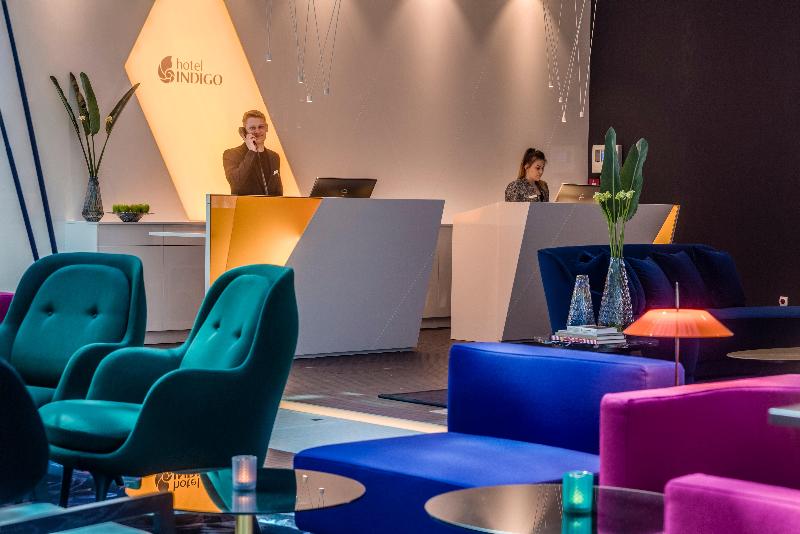
Hotel Indigo Warsaw - Nowy Swiat
Warsaw
60 rooms · Pets allowed · Parking
From £144 a night, taxes incl.2 adults · checked 14 Nov, 04:53

★★★★
Leonardo Royal Hotel Warsaw
Warsaw
Parking
From £254 a night, taxes incl.2 adults · checked 14 Nov, 04:53

★★★★★
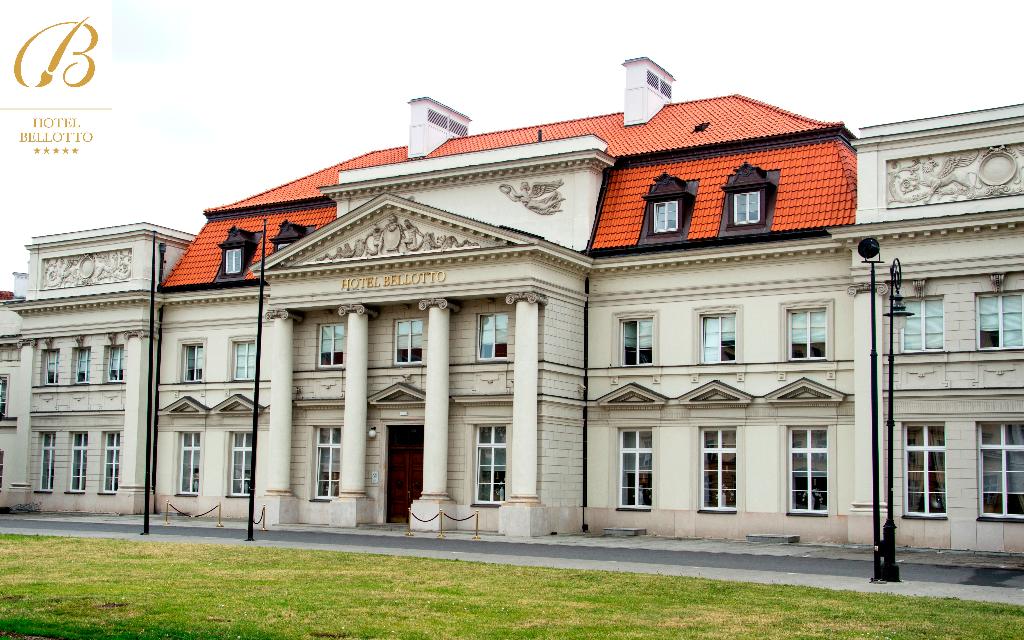
Hotel Bellotto
Warsaw
Spa · 20 rooms · Parking
See prices and rooms →
★★★★
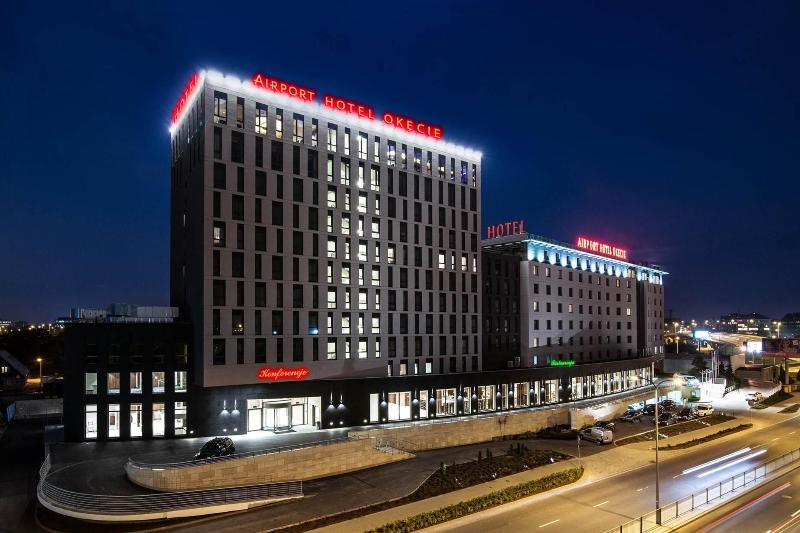
Airport Hotel Okecie
Warsaw
Spa · Family-friendly · Parking
From £87 a night, taxes incl.2 adults · checked 14 Nov, 04:53
★★★★
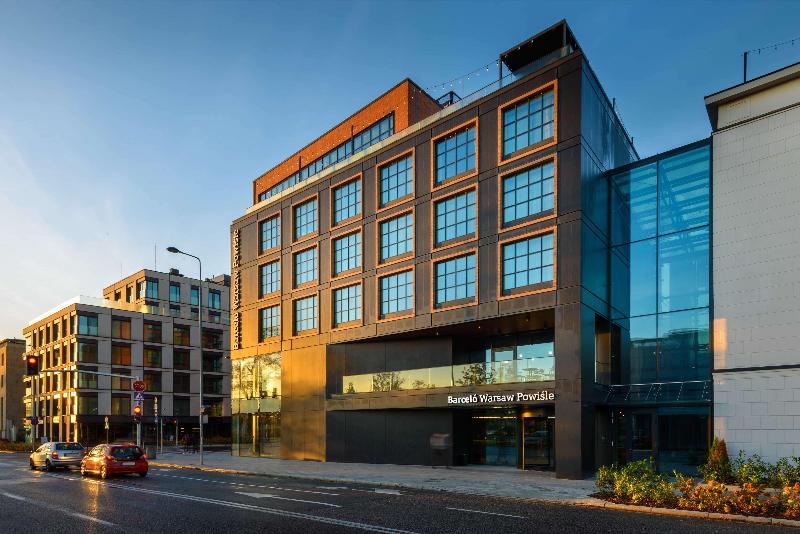
Barceló Warsaw Powisle
Warszawa
Rooftop pool · Parking
From £136 a night, taxes incl.2 adults · checked 14 Nov, 04:53

★★★★★
Raffles Europejski Warsaw
Warsaw
Spa · Pool · Pets allowed
From £356 a night, taxes incl.2 adults · checked 14 Nov, 04:53

★★★★
Courtyard Warsaw Airport
Warsaw
Parking
From £132 a night, taxes incl.2 adults · checked 14 Nov, 04:53
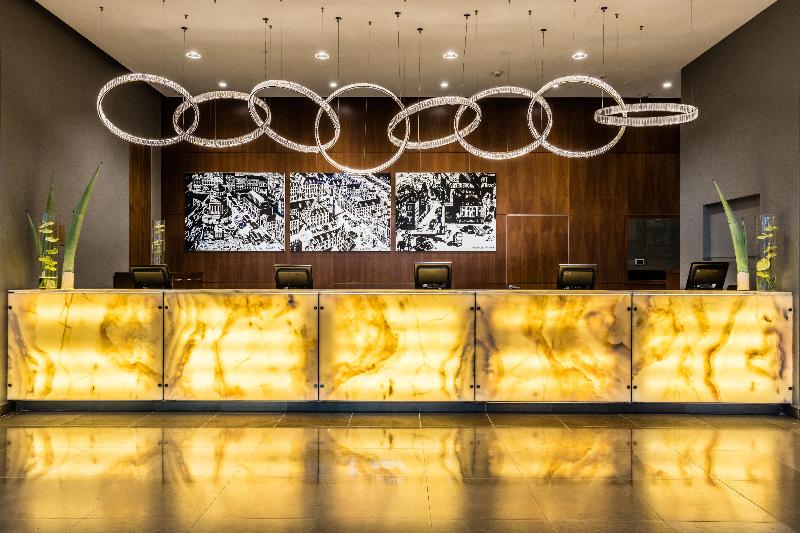
★★★★★
Intercontinental Warsaw
Warsaw
Spa · Pool · Pets allowed
From £115 a night, taxes incl.2 adults · checked 14 Nov, 04:53
Getting around
Warsaw is spread out, but public transport is excellent: two metro lines, a dense tram network and buses, all on one ticket. The Old Town and the Royal Route are for walking. Taxis and ride-hailing apps are easy to use for late nights and for Wilanów.
When to go
May to September is the best time, with long days, the Chopin concerts in Łazienki and the riverside in full swing. Winters are cold and can be snowy, but the Old Town is beautifully lit in December and the museums are just as good in any weather.
Questions about visiting Warsaw
- What is Warsaw best known for?
- Its Old Town, meticulously rebuilt after the Second World War and listed by UNESCO; the Royal Castle; the Palace of Culture and Science; Chopin; and powerful museums such as the Warsaw Rising Museum and POLIN.
- Is Warsaw worth visiting?
- Yes. It is a lively, green and good-value capital with outstanding museums, a handsome rebuilt Old Town, royal parks and palaces and a very good food and bar scene.
- How many days do you need in Warsaw?
- Three days is a good amount: one for the Old Town and the Royal Route, one for the museums, and one for Łazienki, Wilanów and Praga.
- What is there to do in Warsaw with kids?
- The Copernicus Science Centre is the favourite, along with feeding the squirrels in Łazienki Park, the view from the Palace of Culture and Science and, in summer, the beaches and paths along the Vistula.
- Do you need a car in Warsaw?
- No. The metro, trams and buses cover the city, and the centre is walkable. A car is only useful for trips into the countryside.
More guides
- Where to stay in Warsaw
- The best things to do in London
- The best things to do in Edinburgh
- The best things to do in Manchester
- The best things to do in York
- The best things to do in Amsterdam
- The best things to do in Birmingham
- The best things to do in Liverpool
- The best things to do in Bristol
- The best things to do in Barcelona
- The best things to do in Budapest
- The best things to do in Cambridge
- The best things to do in Dublin
- The best things to do in Krakow