
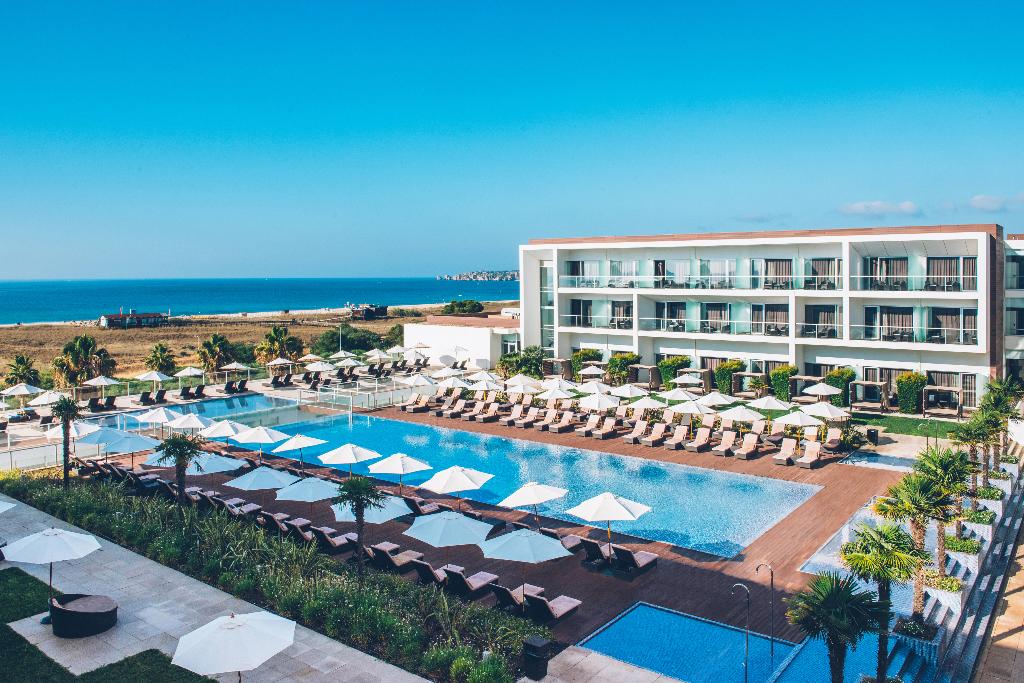
The Algarve is Portugal's south coast, and its great trick is variety. The west is wild: Atlantic swell, high cliffs and the end of Europe at Sagres. The middle is golden limestone carved into arches, stacks and sea caves, with small sandy coves tucked beneath. The east is flat, calm and gentle, with long barrier-island beaches and a whitewashed old town at Tavira.
Beaches are the headline, but don't stop there. Take a boat into the caves, walk the clifftops, eat grilled sardines at a harbour table and drive inland into the cork and eucalyptus hills. A hire car makes it easy; a few good days with one is better than a fortnight without.
Don't miss
Cliffs, caves and beaches
The central and western Algarve coast is the best-looking stretch of sea cliff in the country.
Benagil Cave
Nature

Photo: David Ceballos, CC BY 2.0 The Algar de Benagil is a sea cave with a round hole in its roof, so light pours down onto a small sandy floor. It's one of the most photographed spots in Portugal, and you reach it from the water, on a boat or kayak trip from Benagil, Carvoeiro, Portimão and nearby ports.
Rules about landing in the cave have tightened to protect it, so check what is currently allowed. Even if you stay on the boat, the surrounding coast of arches and grottoes is spectacular.
Tip: Go in the morning for calmer water and fewer boats, and book a trip that also takes in the neighbouring caves.
Praia da Marinha
Beach

Photo: Mimihitam, CC BY 4.0 A short flight of steps drops from the clifftop to a golden beach framed by rock arches and tall stacks, with clear shallow water for swimming. It regularly appears on lists of Europe's best beaches, and for once it looks as good in person.
The cliffside trail known as the Seven Hanging Valleys starts nearby and runs along the coast towards Carvoeiro.
Tip: Bring shoes: the trail is rocky and exposed, and it is best walked in the cooler part of the day.
Ponta da Piedade
Nature

Photo: Paul Wilkinson from London, United Kingdom, CC BY 2.0 Just south of Lagos, the headland of Ponta da Piedade is a maze of golden limestone stacks, arches and tunnels rising from turquoise water. A lighthouse stands on top, with wooden walkways and viewpoints along the cliff edge.
The best way in is by boat or kayak from Lagos, gliding between the rocks into small grottoes.
Algar Seco
Nature

Photo: Jules Verne Times Two, CC BY-SA 4.0 A short walk from Carvoeiro, this stretch of weathered rock has been carved by the sea into caves, blowholes and pools, with paths and steps to scramble around. It's smaller than Ponta da Piedade, but much easier to reach on foot and ideal for an hour's pottering.
Praia da Rocha
Beach

Photo: CesareBonaparte, CC BY-SA 4.0 Portimão's famous beach is a broad sweep of sand backed by ochre cliffs and scattered with rock stacks. A lively promenade with bars and restaurants runs behind it, so it's the busiest and most sociable of the central beaches.
Towns and old quarters
Lagos
Neighbourhood
Lagos has the most appealing old town on the western Algarve: whitewashed lanes inside old walls, a gilded baroque church, a lively waterfront by the marina and a long list of restaurants. It's also the base for boat trips to the grottoes and for the beaches either side.
Albufeira Old Town
Neighbourhood

Photo: Kolforn (Kolforn) I'd appreciate if you could mail me (Kolforn@gmail.com) if you, CC BY-SA 4.0 Albufeira is the Algarve's classic resort town, and its old quarter keeps real character: steep lanes of whitewashed houses lead down through a tunnel to the fishermen's beach, where small boats still sit on the sand. In the evening it comes alive with restaurants and bars, so it suits anyone who wants beaches and nightlife together.
Tavira
Neighbourhood
Tavira is the pretty, relaxed east: a town on the Gilão river crossed by an old stone bridge, with a hilltop castle garden, many churches and tiled terraces. It feels older and calmer than the resorts to the west, and it's the gateway to the island beaches.
The lagoon and the islands
Ria Formosa and Ilha de Tavira
Beach

Photo: Vitor Oliveira from Torres Vedras, PORTUGAL, CC BY-SA 2.0 The Ria Formosa is a long lagoon of marshes, channels and sandy islands that runs along the eastern Algarve and is protected as a natural park. A short boat or ferry ride from Tavira takes you to Ilha de Tavira, a long, quiet beach backed by dunes and reachable only by water.
It's flat, wide and gentle, and a wonderful contrast to the cliffs further west.
Tip: Take a hat and some water: shade is scarce on the island beaches.
Olhão
Market
A working fishing town between Faro and Tavira, Olhão is known for its white, flat-roofed houses and its waterfront market halls. Ferries leave from here for the islands of Culatra and Armona, so it makes an authentic starting point for the lagoon.
Eat and drink
Cataplana
Food
The cataplana is a clam-shaped copper pan with a hinged lid, used to steam seafood, usually clams, prawns and fish, with peppers, tomatoes and white wine. It arrives at the table bubbling and fragrant. Order one to share at a seafood restaurant in Lagos, Olhão or Portimão.
Grilled sardines
Food
In the Algarve the simplest food is the best: fresh sardines or other whole fish grilled over charcoal, served with boiled potatoes and salad. The harbour restaurants at Portimão are famous for it, and a plate of sardines and a cold glass of vinho verde is a perfect summer lunch.
Almond and fig sweets
Food
Almonds and figs have grown here for centuries, and the sweet shops turn them into marzipan shapes, fig-and-almond cakes and the richly sweet Dom Rodrigo. Try a glass of medronho, the local spirit made from the strawberry tree, for something stronger.
Days out
Cabo de São Vicente and Sagres
Day trip

Photo: Auvideo, CC BY-SA 4.0 At the far south-western corner of Portugal, Cabo de São Vicente is the tip of mainland Europe's south-west, with a lighthouse on a sheer cliff and the Atlantic stretching out below. Nearby Sagres has a fortress on its headland and some of the best surf beaches on the coast.
Tip: Come for sunset, and bring a windproof layer: it is exposed up here.
Silves
Day trip

Photo: Joachim Schulz Emsland, CC BY-SA 4.0 Silves was the capital of the Moorish Algarve, and its red sandstone castle still dominates the town above the river. You can walk the ramparts, then drop down to the cathedral and the old streets. It's a short drive inland from the coast and makes an easy half-day.
Monchique
Day trip
Inland from Portimão, the hills of Monchique are cooler, greener and quieter than the coast, with forest roads, mountain views and the old spa village of Caldas de Monchique. It's a good break from the beach on a hot day.
Where to stay in Algarve
Not sure which area suits you? Read our guide: Where to stay in the Algarve →
★★★★
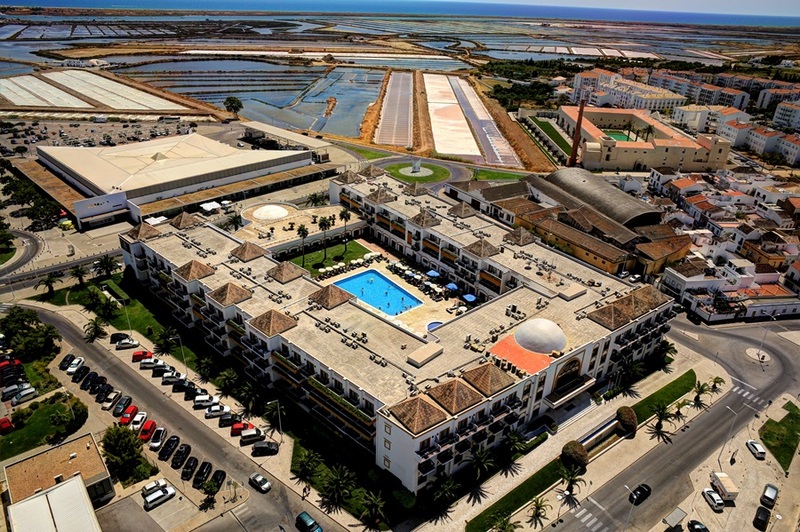
Vila Gale Tavira
Tavira
Beach 1.5 km · Spa · Pool
From £123 a night, taxes incl.2 adults · checked 1 Oct, 22:22
★★★★
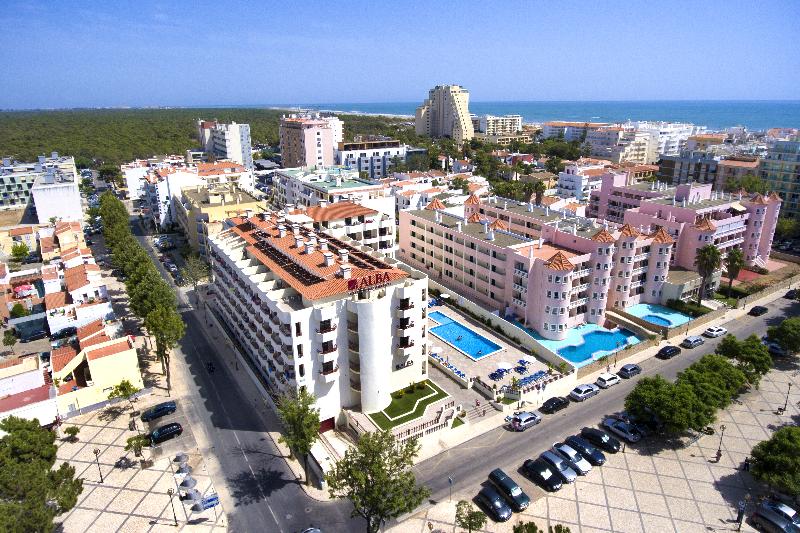
Alba
Monte Gordo
Beach 400 m · Spa · Pool
From £68 a night, taxes incl.2 adults · checked 1 Oct, 22:22
★★★★★
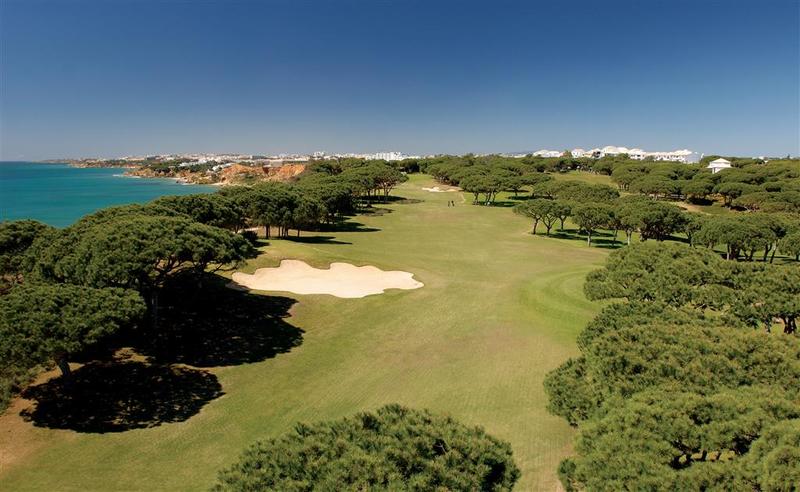
Pine Cliffs Hotel, a Luxury Collection Resort
Albufeira
Beach 100 m · Spa · Pool
From £180 a night, taxes incl.2 adults · checked 1 Oct, 16:52
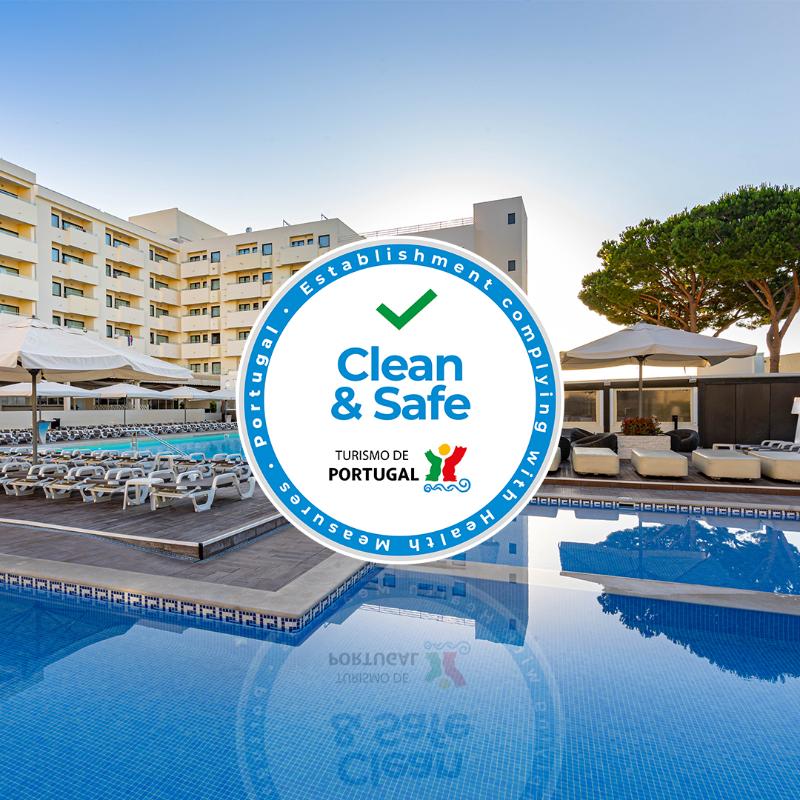
★★★★
Albufeira Sol Hotel & Spa
Albufeira
Beach 900 m · All-inclusive option · Pool
See prices and rooms →
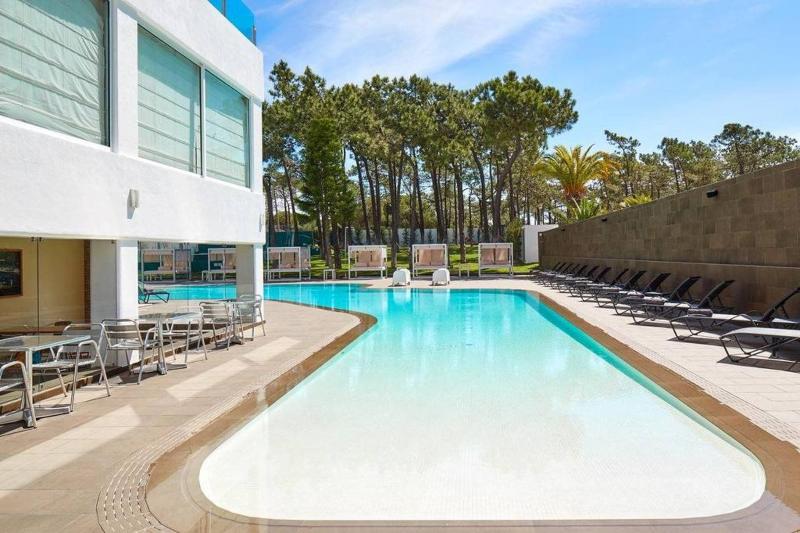
★★★★
Alcazar Hotel & SPA
Monte Gordo
Beach 300 m · Spa · Pool
See prices and rooms →
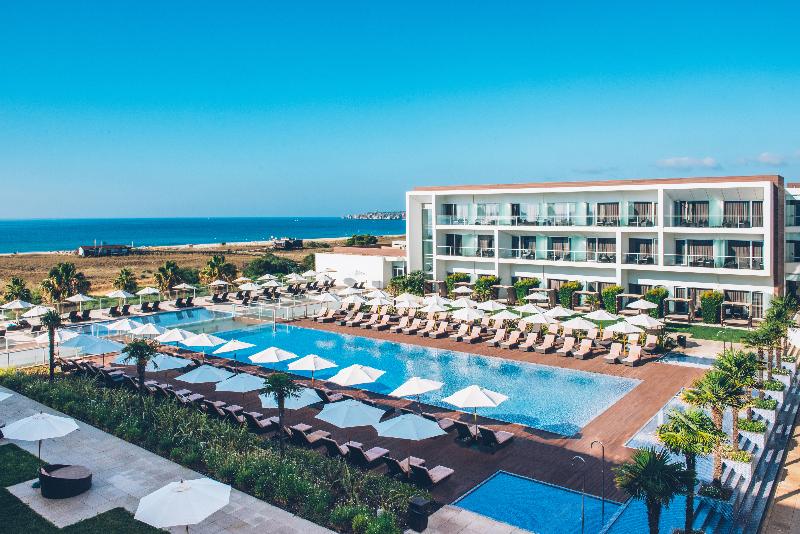
★★★★★
Iberostar Selection Lagos Algarve
Lagos
All-inclusive option · Spa · Pool
From £220 a night, taxes incl.2 adults · checked 1 Oct, 18:38
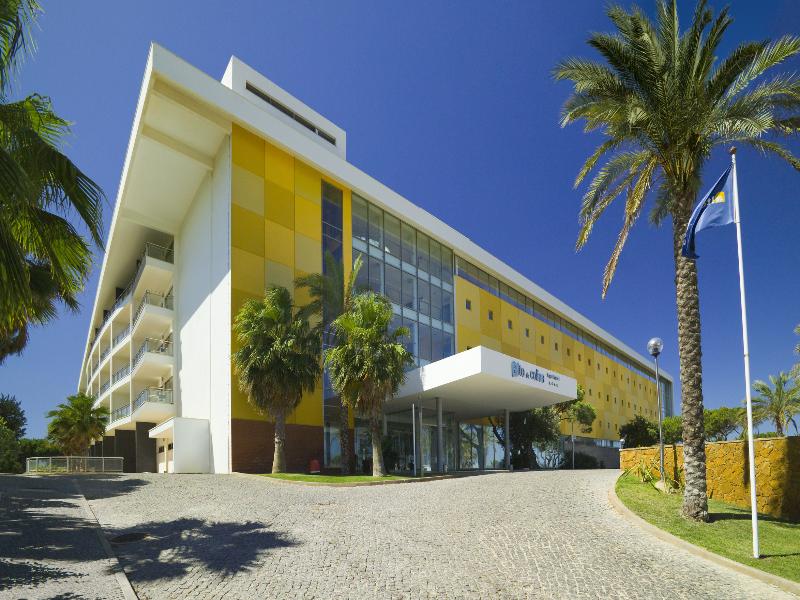
★★★★
Alfagar Alto da Colina
Albufeira
Beach 1.5 km · Pool · Family-friendly
From £144 a night, taxes incl.2 adults · checked 1 Oct, 22:22

★★★★★
Tivoli Marina Vilamoura Algarve Resort
Quarteira
Beach 50 m · Spa · Pool
From £451 a night, taxes incl.2 adults · checked 1 Oct, 22:22
Getting around
A hire car is the easiest way to see the Algarve, as the best coves, viewpoints and inland villages are spread out. Trains run along the coast from Lagos to Vila Real de Santo António, and boats from Lagos, Portimão and Olhão reach the grottoes and islands. Most resort towns are walkable once you arrive.
When to go
Late spring and early autumn have warm weather and quieter beaches. July and August are hot and busy, while winter is mild but less reliable for the beach, with some places closed.
Questions about visiting Algarve
- What is the Algarve best known for?
- Its beaches and coastline: golden cliffs, sea caves, rock arches and sandy coves such as Praia da Marinha and Benagil, plus golf, warm weather and fresh seafood.
- How many days do you need in the Algarve?
- A week suits most visitors: enough to combine the beaches with a boat trip to the caves, a day in Lagos or Tavira and a drive west to Sagres. A long weekend works if you stick to one area.
- Do you need a car in the Algarve?
- It helps a lot. Resort towns are walkable and trains run along the coast, but the best coves, clifftop trails and inland villages are far easier with a car.
- What is there to do in the Algarve with kids?
- Sandy, sheltered beaches such as Praia da Rocha and the calm water around Tavira, boat trips to the caves, and easy coastal walks like Algar Seco. Resort areas such as Albufeira and Vilamoura have plenty of family facilities.
More guides
- Where to stay in the Algarve
- The best things to do in London
- The best things to do in Edinburgh
- The best things to do in Amsterdam
- The best things to do in Barcelona
- The best things to do in Budapest
- The best things to do in Dublin
- The best things to do in Krakow
- The best things to do in Prague
- The best things to do in Berlin
- The best things to do in Lisbon
- The best things to do in Milan
- The best things to do in Paris
- The best things to do in Rome