
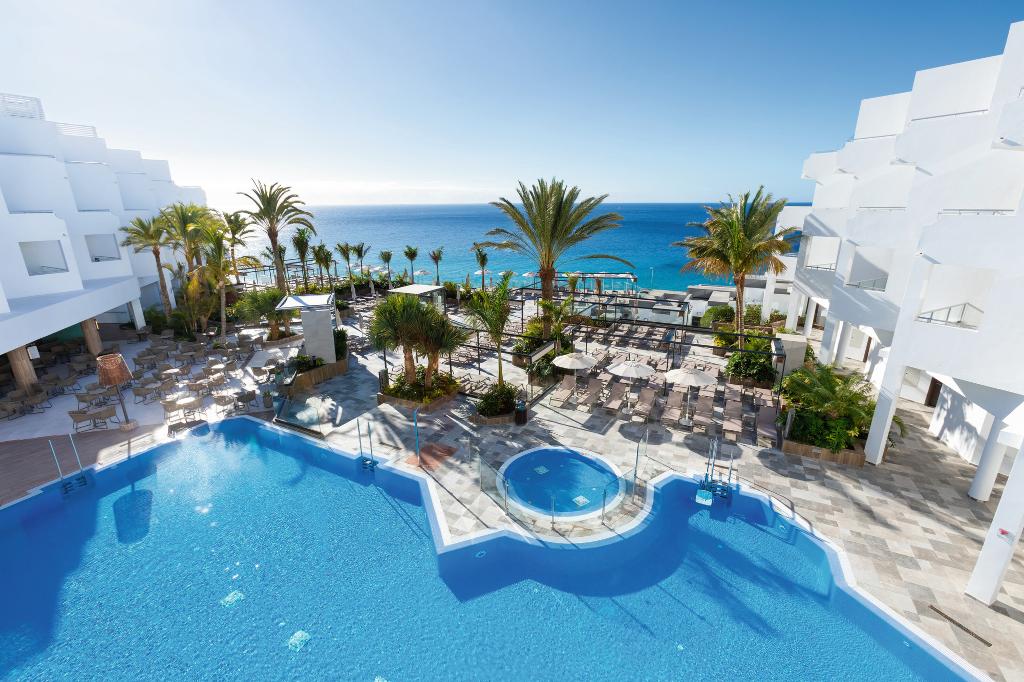
Fuerteventura is the Canary Islands with the lights off and the wind on. It's a long, low, sun-baked island of volcanic hills and some of the longest, emptiest beaches in Europe, where the Atlantic breeze keeps the heat comfortable and makes the island a magnet for windsurfers and kitesurfers. It's a UNESCO Biosphere Reserve, and it feels like it.
Come for the sand and sea, but don't stop there. The interior has whitewashed villages, windmills and a former capital tucked in a valley. The west coast has black-pebble beaches and sea caves. Hire a car, take plenty of water, and be ready for wind: it blows most days, and you'll get used to it.
Don't miss
Beaches, dunes and wind
Corralejo Dunes
Nature

Photo: Benjamín Núñez González, CC BY-SA 4.0 Behind Corralejo, a protected natural park of rolling white dunes runs for kilometres along the north-east coast, with turquoise water on one side and the outline of Lanzarote across the strait. Walk out onto the sand and the resorts disappear. It's one of the most striking landscapes in the Canaries.
Tip: Take shade and water as there is none on the dunes, and stick to the marked paths to protect the sand.
Isla de Lobos
Nature

Photo: Josi, CC BY-SA 4.0 A small uninhabited island just off Corralejo, reached by a short ferry. It has a lighthouse, a volcanic cone with a walking trail around it and La Concha, a sheltered lagoon-like beach where the water is shallow and the colour is spectacular. Bring a picnic.
Tip: Ferries run from Corralejo harbour. Go early in summer, when the boats fill up.
Playa de Sotavento
Beach

Photo: dirkvorderstrasse, CC BY 2.0 On the southern Jandía peninsula, miles of pale sand curve around a shallow turquoise lagoon that changes with the tide. It's a world-class spot for windsurfing and kitesurfing, and just as good for walking, paddling or doing nothing.
Playa de Cofete
Beach

Photo: H. Zell, CC BY-SA 3.0 A wild, wind-lashed beach on the far west of the Jandía peninsula, with huge Atlantic waves and a wall of jagged mountains behind. It's reached by a long, bumpy track from Morro Jable. An eerie mansion, Villa Winter, stands on the hillside above, wrapped in local legend.
Tip: Swimming is dangerous here, with strong currents. Come for the scenery and the walk, and check your hire-car terms before taking the track.
El Cotillo
Neighbourhood

Photo: Photograph by Mike Peel (www.mikepeel.net)., CC BY-SA 4.0 A small fishing village on the north-west coast, with a little harbour, a stone watchtower and a couple of sheltered lagoons of calm water. The beaches beyond are wide, wild and good for surfing, and the sunsets here draw a crowd.
Windsurfing and kitesurfing
Activity
Fuerteventura's constant trade winds make it one of Europe's top spots for wind sports. Beginners can take lessons in the sheltered waters of Corralejo and Sotavento; experienced riders head for the waves of the west and north.
Villages, caves and the west coast
Betancuria
Neighbourhood

Photo: Holger Uwe Schmitt, CC BY-SA 4.0 Tucked into a valley in the mountains, Betancuria was the island's first capital, founded in the early 15th century. It's a quiet village of whitewashed houses, a small church and cafés, and a world away from the beach resorts. Stop for lunch and a stroll.
Mirador de Morro Velosa
Nature

Photo: Gerd Eichmann, CC BY 4.0 A viewpoint designed by the Lanzarote artist César Manrique on a mountain pass above Betancuria. From the lookout the view stretches across the island's volcanic hills and plains, and it's an easy stop on the way through the interior.
Molino de Antigua
Landmark

Photo: H. Zell, CC BY-SA 3.0 In the inland village of Antigua, a restored windmill houses a craft centre showcasing local crafts and traditions. It's a gentle, local-flavoured stop between the coast and Betancuria.
Ajuy caves
Nature

Photo: Rudolphu, CC BY-SA 4.0 A black-sand cove and fishing hamlet on the west coast, where a short path leads along the cliffs to sea caves hollowed out by the Atlantic. The waves crash in, the rock glows, and the setting is wonderfully raw.
Tip: Take care near the cave mouths when the swell is up.
Puertito de los Molinos
Neighbourhood
A tiny fishing hamlet at the end of a valley on the west coast, with a sheltered cove, a few whitewashed houses and simple seafood restaurants. A good place for lunch and a swim far from the resorts.
Eat and drink
Papas arrugadas
Food

Photo: Fer.., CC BY 2.0 The Canary Islands' classic: small potatoes boiled in heavily salted water until the skins wrinkle, then served with mojo, a garlicky sauce, either red and spicy or green with coriander. Simple and hard to beat.
Majorero cheese
Food
Fuerteventura's goat's cheese has a protected designation of origin, and comes fresh, semi-cured or cured, sometimes rubbed with paprika or gofio (toasted grain flour). Look for it on tapas boards, and pick some up at a farm shop.
Where to stay in Fuerteventura
Not sure which area suits you? Read our guide: Where to stay in Fuerteventura →
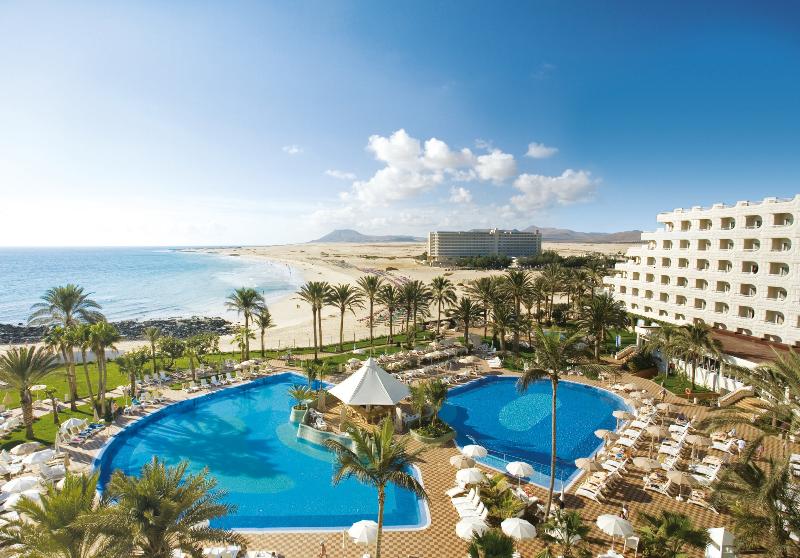
★★★★
Hotel Riu Palace Tres Islas
Corralejo
Beach 10 m · All-inclusive option · Spa
See prices and rooms →
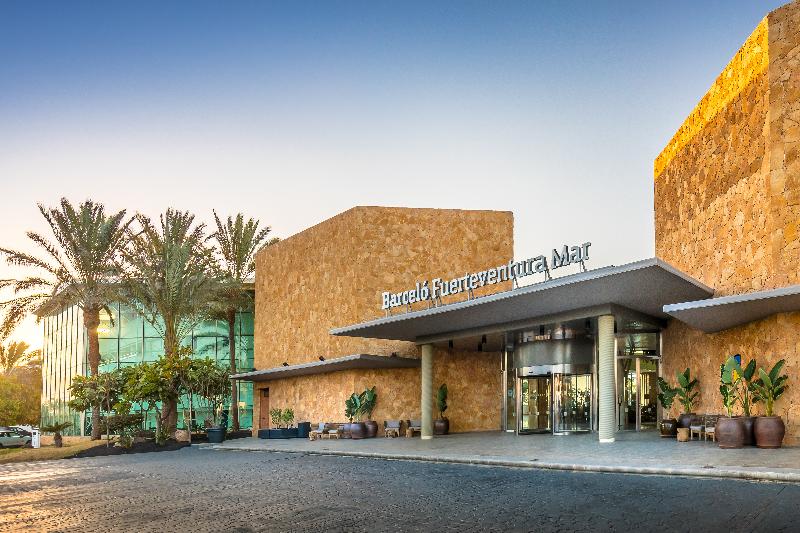
★★★★
Barcelo Fuerteventura Mar
Caleta De Fuste Anti
Beach 100 m · All-inclusive option · Spa
See prices and rooms →
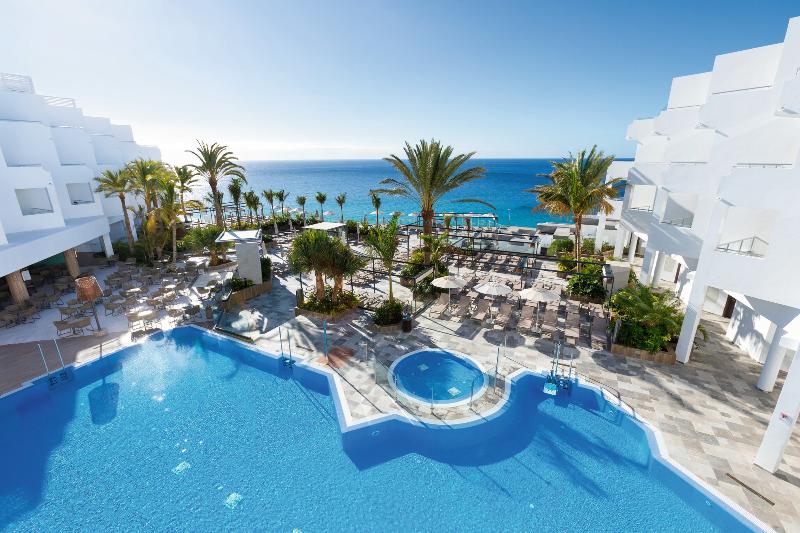
★★★★★
Hotel Riu Palace Jandia
Jandia
Beach 10 m · Spa · Pool
See prices and rooms →
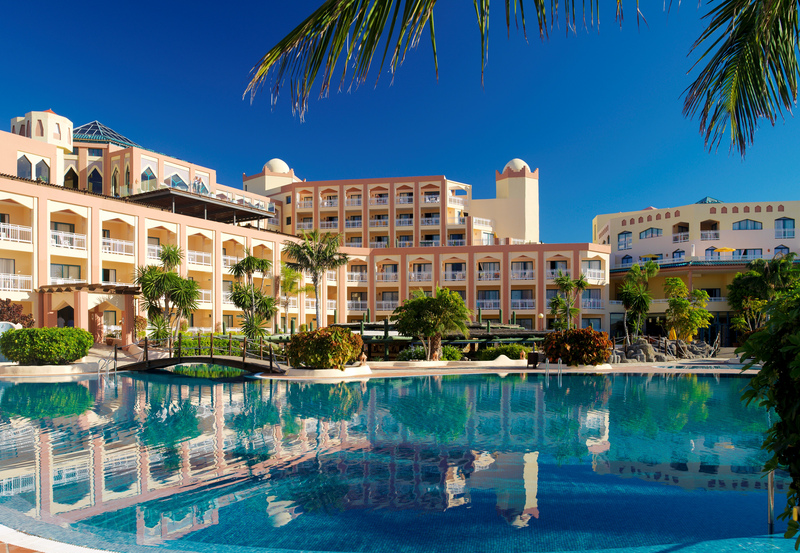
★★★★
H10 Playa Esmeralda - Adults Only
Costa Calma
Beach 50 m · Adults only · All-inclusive option
From £207 a night, taxes incl.2 adults · checked 1 Oct, 19:07
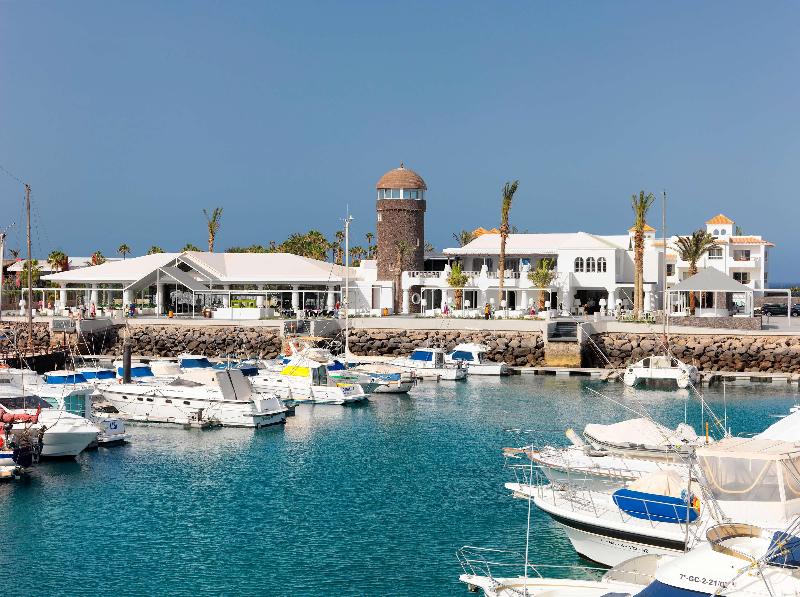
★★★★
Barcelo Fuerteventura Royal Level
Caleta de Fuste
Beach 100 m · All-inclusive option · Spa
From £259 a night, taxes incl.2 adults · checked 1 Oct, 19:07
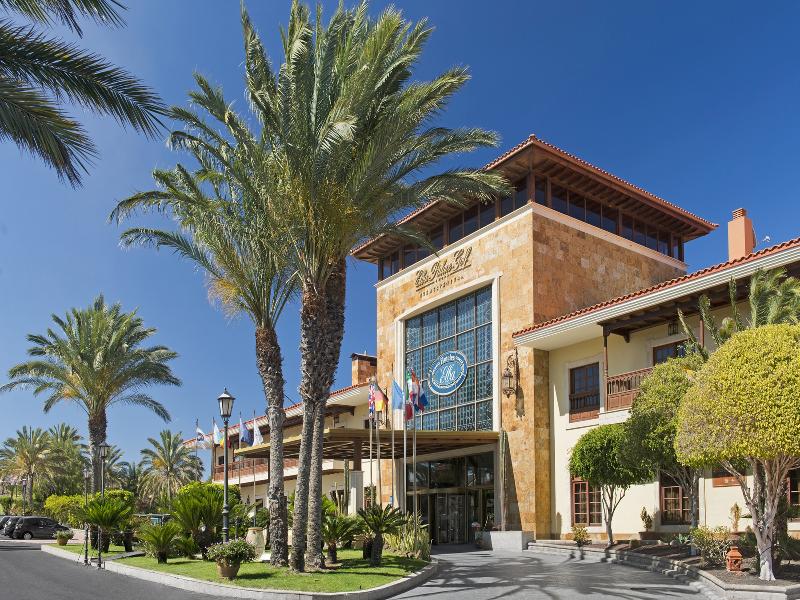
★★★★★
Elba Palace Golf Boutique Hotel - Adults Only
Caleta de Fuste
Beach 2 km · Adults only · Spa
From £180 a night, taxes incl.2 adults · checked 1 Oct, 19:07

★★★★
Alua Village Fuerteventura
Esquinzo
Beach 300 m · All-inclusive option · Spa
See prices and rooms →
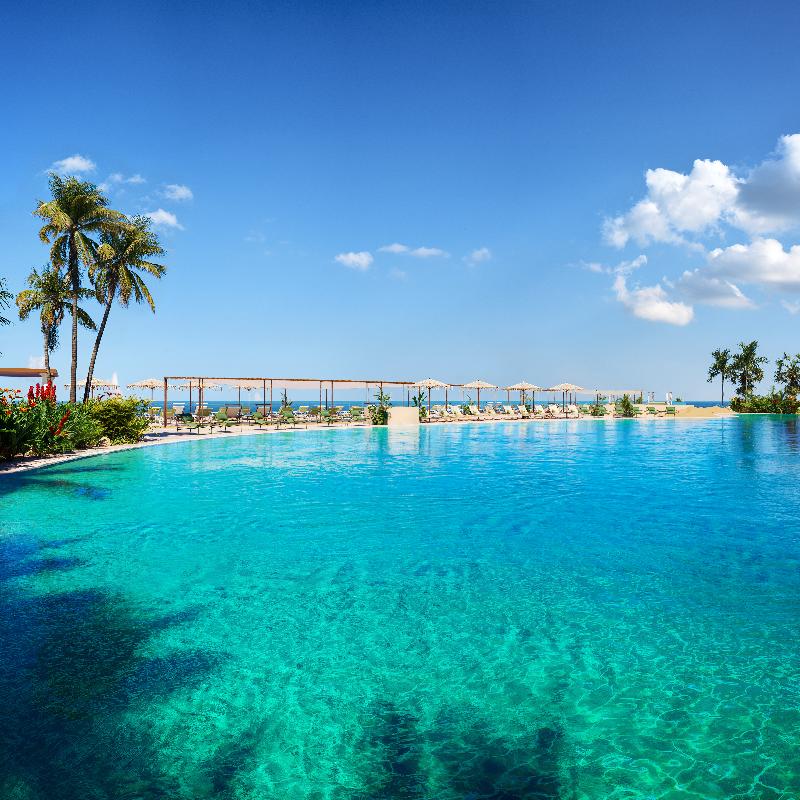
★★★★★
Iberostar Selection Fuerteventura Palace
Jandia
Beach 10 m · All-inclusive option · Spa
From £340 a night, taxes incl.2 adults · checked 1 Oct, 19:07
Getting around
A hire car is the easiest way to see the island, which is long and spread out. Buses link the main resorts and Puerto del Rosario, but not the best interior and west-coast spots. Some tracks are unpaved, so check what your rental insurance covers.
When to go
The island has a mild climate all year, and it is rarely cold or very wet. Summer is hot and windy, which suits wind sports. Winter and spring are pleasant for walking, though the water is cooler and the wind can feel brisk on the beach.
Questions about visiting Fuerteventura
- What is Fuerteventura best known for?
- Its long, empty beaches, the white dunes of Corralejo and world-class windsurfing and kitesurfing conditions.
- Is Fuerteventura worth visiting?
- Yes, especially if you want big beaches, dependable sunshine and an outdoorsy holiday rather than a nightlife scene.
- What is there to do in Fuerteventura with kids?
- Shallow lagoons such as Sotavento and La Concha on Lobos, dune walks, boat trips and surf or kite lessons for older children are popular family days out.
- How many days do you need in Fuerteventura?
- A week suits a beach holiday with a few day trips. You can see the main highlights in three or four days with a hire car.
- Do you need a car in Fuerteventura?
- For a resort holiday, no. To see the dunes, Cofete, Betancuria and the west coast at your leisure, a car is best.
More guides
- Where to stay in Fuerteventura
- The best things to do in London
- The best things to do in Edinburgh
- The best things to do in Amsterdam
- The best things to do in Barcelona
- The best things to do in Budapest
- The best things to do in Dublin
- The best things to do in Krakow
- The best things to do in Prague
- The best things to do in Berlin
- The best things to do in Lisbon
- The best things to do in Milan
- The best things to do in Paris
- The best things to do in Rome