
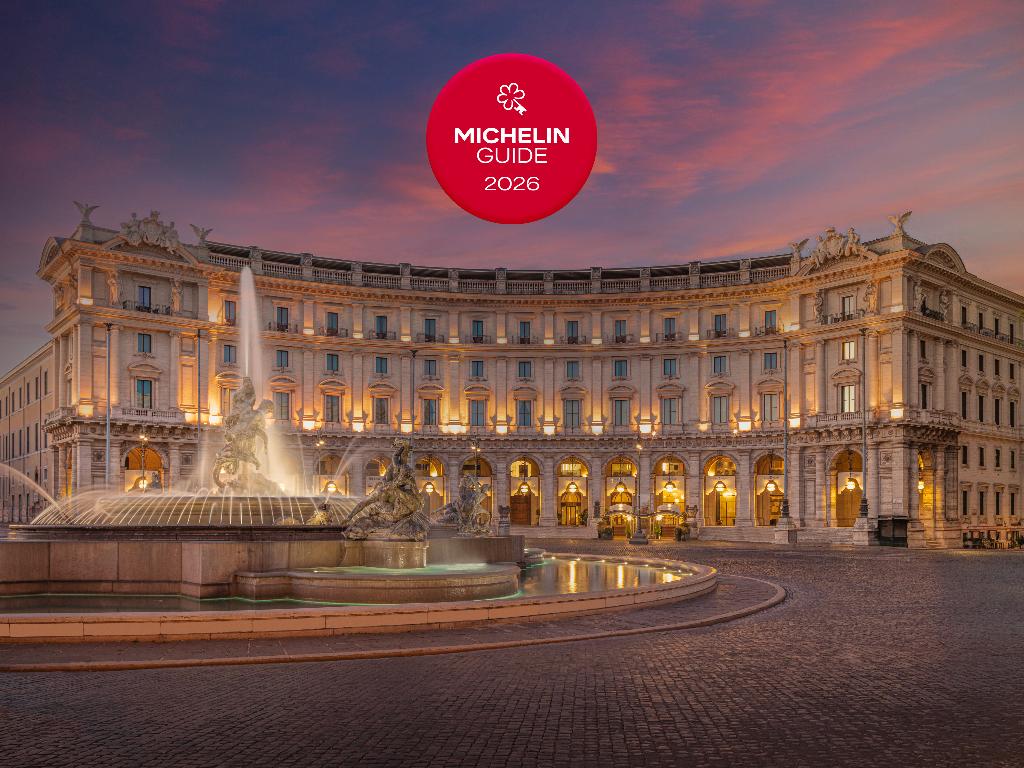
No country spoils you quite like Italy. It has as many UNESCO World Heritage Sites as any country on earth, and they are only the start: there are Roman arenas, Renaissance domes, a city built on water, volcanoes, lakes ringed by Alps and a cuisine that changes every fifty miles. The danger isn't running out of things to do. It is trying to do them all.
So don't. Pick two or three bases and let each one unfold. The classic first trip links Rome, Florence and Venice by fast train; after that the south, the lakes and the islands are waiting, and they are every bit as good.
Don't miss
Rome
Nearly three thousand years of history in one walkable, chaotic, glorious city.
The Colosseum and Roman Forum
Landmark

Photo: Wilfredor, CC0 The great amphitheatre of ancient Rome held tens of thousands of spectators for gladiator fights and wild-beast hunts, and nearly two thousand years on its broken ring of arches is still the city's defining sight. Standing inside, looking down into the passages beneath the arena floor, is properly spine-tingling.
The same visit covers the Roman Forum, the ruined heart of the empire, and the Palatine Hill above it, where the emperors built their palaces among the pines.
Tip: Book a timed ticket in advance, and start with the Forum early in the day before the heat builds.
Vatican Museums and St Peter's Basilica
Museum

Photo: Alvesgaspar, CC BY-SA 4.0 The popes spent centuries collecting art, and the Vatican Museums show the results: miles of galleries leading to the Raphael Rooms and finally the Sistine Chapel, where Michelangelo's ceiling and Last Judgement cover almost every surface.
Next door, St Peter's is the largest church in the world, home to Michelangelo's Pietà and crowned by his dome, which you can climb for a view over Bernini's great colonnaded square and across the city.
Tip: Shoulders and knees must be covered to enter the basilica and the chapel.
The Pantheon and Trevi Fountain
Landmark

Photo: Rabax63, CC BY-SA 4.0 Rome's historic centre is best seen on foot, drifting between its showpieces. The Pantheon, a temple nearly two thousand years old, has a vast concrete dome open to the sky at its centre; rain falls straight through on to the marble floor.
A short walk away, the Trevi Fountain fills a whole small square with Baroque drama. Tradition says a coin thrown over your shoulder guarantees your return. Carry on to Piazza Navona and the Spanish Steps.
The art cities
Florence Cathedral
Landmark

Photo: Petar Milošević, CC BY-SA 4.0 Brunelleschi's enormous terracotta dome, completed in the fifteenth century, is the symbol of Florence and of the Renaissance itself. The cathedral beneath is clad in green, pink and white marble, with Giotto's bell tower alongside and the Baptistery, famous for its gilded bronze doors, opposite.
Climb the dome or the tower for a view over a sea of red roofs to the Tuscan hills. Then walk to the Ponte Vecchio, the old bridge lined with jewellers' shops.
The Uffizi Gallery
Museum
The finest collection of Italian Renaissance painting in the world hangs in the former offices of the Medici family beside the River Arno. Botticelli's Birth of Venus and Primavera are here, along with works by Leonardo, Michelangelo, Raphael, Titian and Caravaggio.
It is a lot of masterpieces for one morning, so pace yourself. Michelangelo's David stands across town in the Accademia Gallery, and both need booking ahead in season.
Venice
Landmark

Photo: This Photo was taken by Wolfgang Moroder. Feel free to use my photos, but please, CC BY-SA 3.0 A city of marble palaces built on wooden piles in a lagoon, with canals for streets and boats for buses: Venice shouldn't exist, and there is nowhere remotely like it. St Mark's Square, with its glittering Byzantine basilica and the pink Doge's Palace, is the grand set piece; the Grand Canal is the high street.
The real pleasure, though, is getting lost in the back alleys, where the crowds thin within minutes. Stay overnight if you possibly can: the city is at its most beautiful once the day-trippers leave.
Tip: Ride the number 1 vaporetto the length of the Grand Canal for a slow, inexpensive tour of the palaces.
Milan Cathedral and The Last Supper
Landmark

Photo: Daniel Case, CC BY-SA 3.0 Milan's Duomo is a Gothic mountain of white marble bristling with spires and statues, and you can walk among them on the roof terraces, with the Alps visible on a clear day. Beside it, the glass-vaulted Galleria Vittorio Emanuele II is among the world's oldest and most elegant shopping arcades.
Across town, Leonardo da Vinci's Last Supper covers a wall of the refectory of Santa Maria delle Grazie. Viewing is in small timed groups.
Tip: Tickets for The Last Supper sell out weeks or months ahead, so book as early as you can.
The Leaning Tower of Pisa
Landmark

Photo: MHoser, CC BY-SA 4.0 The bell tower that began to tilt while it was still being built stands on the Field of Miracles alongside Pisa's cathedral and baptistery, a dazzling ensemble of white marble on a green lawn. You can climb the spiral stair to the top, which is a pleasantly disorienting experience.
Pisa is an easy half-day from Florence by train, often combined with the walled town of Lucca nearby.
Coast, lakes and mountains
The Amalfi Coast
Nature

Photo: Bernard Gagnon, CC BY 4.0 South of Naples, a single road twists along cliffs high above the Tyrrhenian Sea, linking villages that seem to defy gravity. Positano tumbles down to its beach in a cascade of pastel houses; Amalfi has a striped cathedral above its square; Ravello, high above, has gardens with the best views of all.
Lemon groves terrace the hillsides. Buses and ferries link the towns, and in summer the boat is much the more pleasant choice. A favourite with couples.
Cinque Terre
Nature

Photo: This Photo was taken by Timothy A. Gonsalves. Feel free to use my photos, but pl, CC BY-SA 4.0 Five fishing villages cling to a rugged stretch of the Ligurian coast, their tall houses painted in pinks, yellows and oranges above tiny harbours. Terraced vineyards climb the slopes behind, and footpaths and a railway connect one village to the next.
It is a national park and wildly popular, so come outside high summer if you can. Walk a section of the coastal path, then cool off with a swim from the rocks.
Lake Garda and Lake Como
Nature
The Italian lakes sit where the plains meet the Alps. Garda, the largest, is the family favourite: lemon-growing villages, castles such as the one at Sirmione, theme parks at its southern end and windsurfing in the north, where mountains hem it in.
Como is narrower and grander, lined with villas and gardens, with Bellagio at the point where its arms meet. On both, the ferries are the way to explore.
The Dolomites
Nature

Photo: This Photo was taken by Wolfgang Moroder. Feel free to use my photos, but please, CC BY-SA 3.0 In Italy's far north-east, pale limestone peaks rise in towers and walls that glow pink at sunset. The Dolomites are a UNESCO World Heritage Site and among the most beautiful mountains in Europe, with a culture that is part Italian, part Austrian.
Summer brings walkers and cyclists to high meadows and mountain huts serving hearty food; winter turns the region into one of the largest ski areas in the Alps. Cortina d'Ampezzo is the best-known resort.
Tuscan hill towns
Day trip
Beyond Florence, Tuscany rolls away in a landscape of vineyards, olive groves and cypress-lined lanes, each hill topped by a walled town. Siena is the star, with its shell-shaped Piazza del Campo, where the Palio horse race is run. San Gimignano bristles with medieval towers.
South lies the Val d'Orcia, the Tuscany of the postcards, and wine towns such as Montepulciano and Montalcino. Hire a car and take the small roads.
The south and the islands
Pompeii
Landmark

Photo: Commonists, CC BY-SA 4.0 When Vesuvius erupted in AD 79 it buried this Roman town under ash and preserved it. Today you walk its paved streets, past bakeries with their ovens intact, bars with their counters, grand houses with frescoed walls, a theatre, baths and an amphitheatre, with the volcano looming behind.
Nowhere brings daily life in the ancient world so close. The site is huge, so allow most of a day. Smaller Herculaneum, nearby, is even better preserved.
Tip: Wear comfortable shoes and bring water and a hat: the ancient paving is uneven and shade is scarce.
Sicily
Nature
The Mediterranean's largest island could be a country of its own. Mount Etna, Europe's highest active volcano, smoulders over the east coast, above the clifftop town of Taormina and its Greek theatre. At Agrigento, a row of Greek temples stands along a ridge in the Valley of the Temples.
Add Baroque towns such as Noto, the mosaics of Palermo and Monreale, and beaches all round. The street food and the pastries alone would justify the trip.
Alberobello and Puglia
Neighbourhood

Photo: MPhernambucq, CC BY-SA 4.0 The heel of Italy's boot is a land of ancient olive trees, whitewashed towns and a long, clear coastline. Its strangest sight is Alberobello, a UNESCO-listed town of trulli: small round stone houses with conical roofs, hundreds of them packed along the lanes.
Nearby are the white hilltop town of Ostuni, Baroque Lecce and the clifftop village of Polignano a Mare. Puglia suits travellers who want sun, food and fewer crowds.
Costa Smeralda
Beach
The north-east coast of Sardinia has some of the clearest water in the Mediterranean: coves of white sand between wind-sculpted granite rocks, with the sea shading from pale green to deep blue. Porto Cervo is its glossy, yacht-filled centre.
Offshore, the islands of the La Maddalena archipelago are a national park, best explored on a boat trip. It is a place for beach lovers, and it is glamorous and pricey in August.
Eat and drink
Pizza in Naples
Food
Pizza was born in Naples, and the city still makes it the way it always has: a soft, blistered base cooked in a wood-fired oven in little more than a minute, topped with tomato, mozzarella and basil for the classic margherita. The craft of the Neapolitan pizza maker is recognised by UNESCO.
Join the queue at one of the old pizzerias in the historic centre. Naples is loud, intense and unforgettable, much like its coffee.
Gelato and aperitivo
Food
Two daily rituals worth adopting at once. Gelato is denser and more intensely flavoured than ordinary ice cream; look for shops that make their own and keep it in covered tubs rather than piled high in bright colours.
Aperitivo is the early-evening drink, a spritz or a glass of wine, served with snacks. Its home is the north, especially Milan, Turin and Venice, and it is the best way to end a day of sightseeing.
Where to stay in Italy
Not sure which area suits you? Read our guide: Where to stay in Italy →

★★★★
All'Angelo Art Hotel
Venezia
56 rooms
From £198 a night, taxes incl.2 adults · checked 14 Nov, 11:37
★★★★
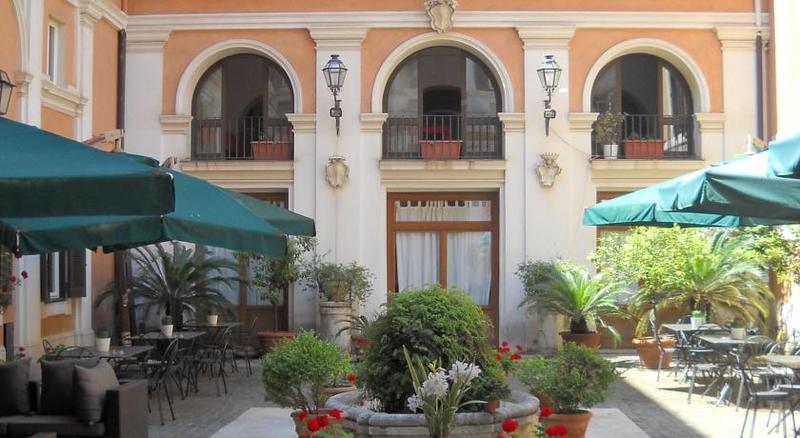
Antico Palazzo Rospigliosi
Rome
39 rooms · Parking
From £201 a night, taxes incl.2 adults · checked 14 Nov, 16:22
★★★★★
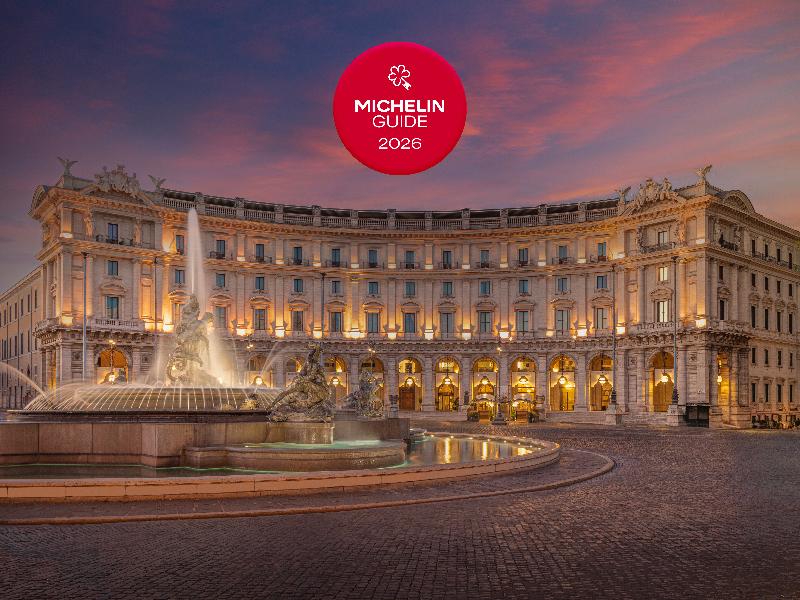
Anantara Palazzo Naiadi Rome Hotel
Rome
Spa · Parking
From £597 a night, taxes incl.2 adults · checked 14 Nov, 10:07

★★★★
B&B Hotel Calenzano First
Calenzano
Parking
From £56 a night, taxes incl.2 adults · checked 14 Nov, 06:07

★★★★
B&B Hotel Firenze Laurus Al Duomo
Florence
50 rooms · Pets allowed · Parking
From £167 a night, taxes incl.2 adults · checked 14 Nov, 06:07
★★★★★
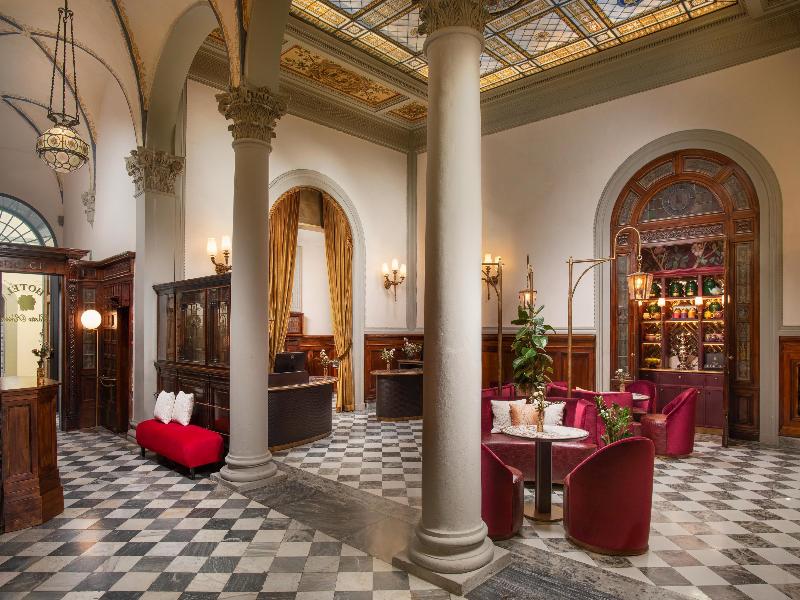
Porta Rossa Hotel Firenze Colbert Collection
Florence
70 rooms · Parking
From £264 a night, taxes incl.2 adults · checked 14 Nov, 06:07

★★★★
Barceló Roma
Via Aurelia - Pineta Sacchetti
Pool · Pets allowed · Parking
From £145 a night, taxes incl.2 adults · checked 14 Nov, 10:07

★★★★★
The St Regis Venice
Venezia
Spa · Family-friendly
From £839 a night, taxes incl.2 adults · checked 14 Nov, 11:37
Getting around
High-speed trains link Milan, Venice, Florence, Rome and Naples quickly and comfortably, and are the best way to travel between cities. Hire a car for Tuscany, Puglia, Sicily, Sardinia and the Dolomites, but never for city centres, most of which restrict traffic.
When to go
Spring and early autumn are ideal: warm, and less crowded than high summer. July and August are hot, busy and best spent by the sea, a lake or in the mountains. Winter is quiet and good for cities, and it is ski season in the Alps and Dolomites.
Questions about visiting Italy
- What is Italy best known for?
- Ancient Rome and the Colosseum, the Vatican, Renaissance Florence, the canals of Venice, Pompeii, the Amalfi Coast and the lakes, and food from pizza and pasta to gelato.
- How many days do you need in Italy?
- Ten days suits a first trip to Rome, Florence and Venice. With two weeks you can add the Amalfi Coast and Pompeii, the lakes or Tuscany. For one week, choose two bases.
- What is there to do in Italy with kids?
- The Colosseum, the streets of Pompeii, boat rides in Venice, climbing the Leaning Tower of Pisa, the theme parks and beaches of Lake Garda, and gelato every afternoon.
- Do you need a car in Italy?
- Not for the main cities, which are linked by fast trains. A car is the best way to explore Tuscany, Puglia, Sicily, Sardinia and the mountains.
More guides
- Where to stay in Italy
- The best things to do in London
- The best things to do in Edinburgh
- The best things to do in Manchester
- The best things to do in York
- The best things to do in Amsterdam
- The best things to do in Birmingham
- The best things to do in Liverpool
- The best things to do in Bristol
- The best things to do in Barcelona
- The best things to do in Budapest
- The best things to do in Cambridge
- The best things to do in Dublin
- The best things to do in Krakow