
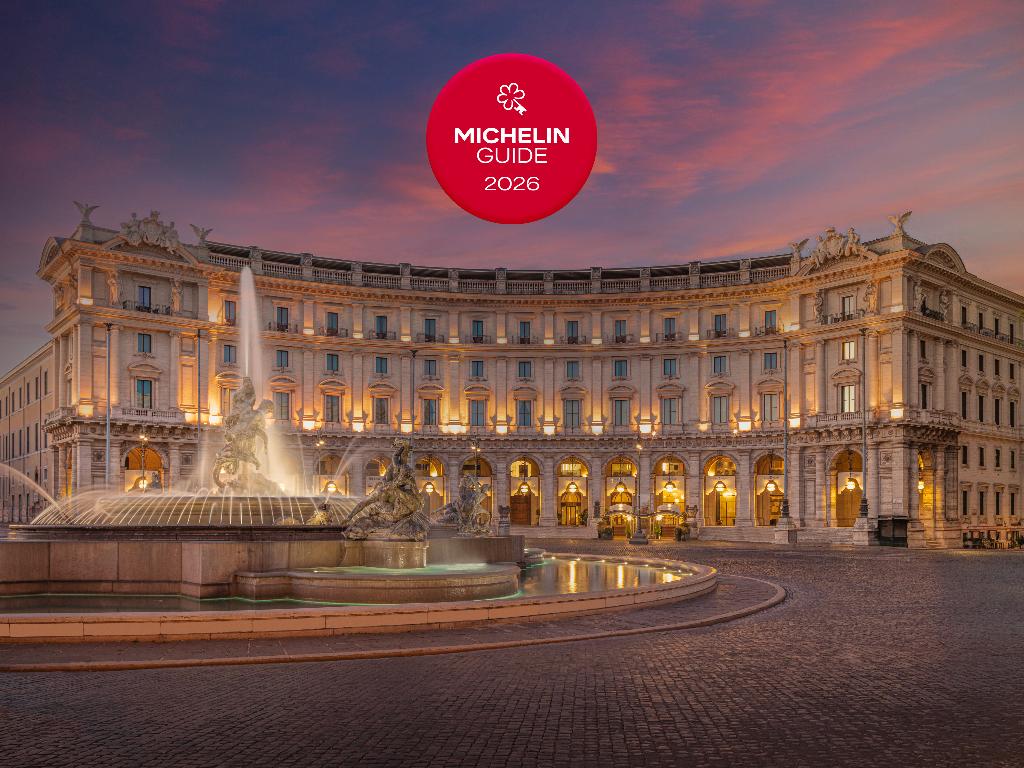
Italy is the country everyone thinks they know before they arrive, and it still manages to floor them. A Roman temple with a hole in the roof that has stood for nearly two thousand years. A city with canals where the streets should be. A plate of pasta with three ingredients that ruins every other pasta for life. The difficulty is not finding somewhere wonderful to stay. It is leaving anything out.
Broadly, there are three Italys to choose between. The great art cities, Rome, Florence and Venice, are for walking, looking and eating, and work all year round. The north has the lakes and Milan, polished and prosperous. The south, Naples, Puglia, Sicily and Sardinia, is hotter, slower and cheaper, with the best beaches and the boldest food. Most first trips pick two cities; most return trips head south.
The short answer
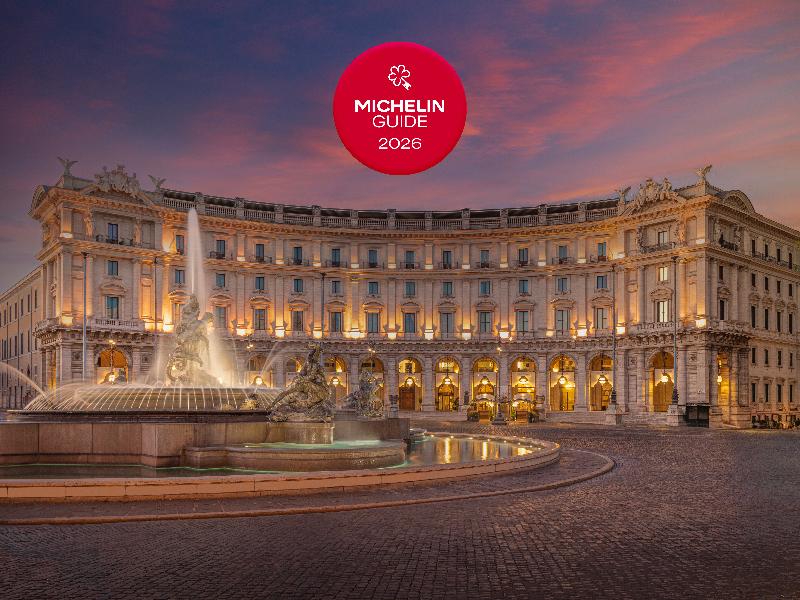
Best for first-timers
Rome
The Colosseum, the Vatican, the Trevi Fountain and a carbonara on every corner: start here.

Best for couples
Venice
No cars, no hurry, and a city that looks its best when you are lost in it after dark.
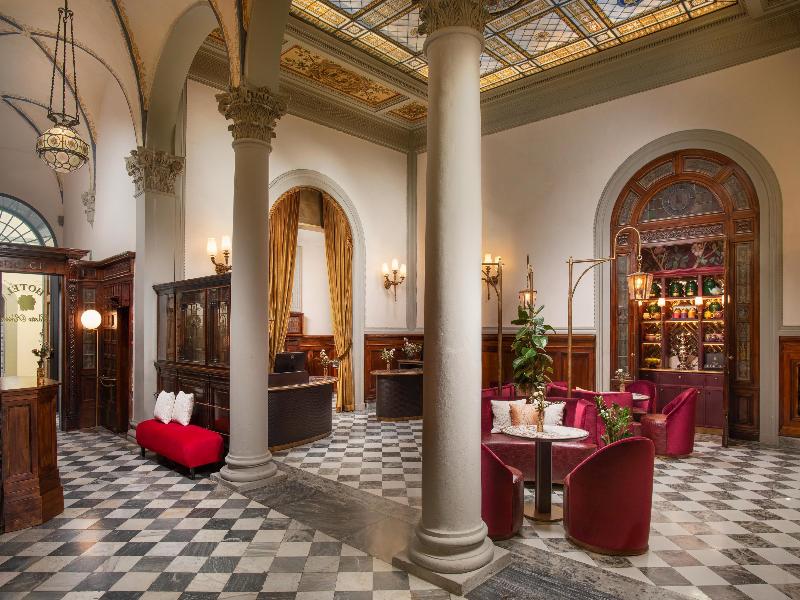
Best for art and food
Florence
The Renaissance in one walkable square mile, with Tuscany’s kitchens and cellars on tap.

Best for families
Lake Garda
Calm water, lakeside promenades, theme parks nearby and mountains for a backdrop.

Best for beaches
North Sardinia
Granite coves and water so clear and green it gave the Costa Smeralda its name.

Best for a slower pace
Puglia
Whitewashed hill towns, ancient olive groves and farmhouse hotels in Italy’s sun-baked heel.
Italy areas at a glance
| Area | Best for | What it's like | Hotels |
|---|---|---|---|
| Rome | First trip, History, Food | Nearly three thousand years of history, and still the best city in Europe for a long lunch. | Hotels: 2,004 |
| Florence | Art, Couples, Food | The Renaissance, preserved whole, in a city you can cross on foot in half an hour. | Hotels: 747 |
| Venice | Couples, Romance, Art | A city built on water that has no business existing, and is all the better for it. | Hotels: 769 |
| Milan | Shopping, City break, Design | Fashion, finance and a cathedral like a marble forest: Italy at its sharpest. | Hotels: 840 |
| Lake Garda | Families, Couples, Scenery | Italy’s largest lake: lemon groves and castles in the south, mountains in the north. | Hotels: 479 |
| Naples | Food, History, Value | Loud, generous and unforgettable, with Pompeii, Capri and the best pizza on earth close by. | Hotels: 864 |
| Sicily | Beaches, Culture, Food | Greek temples, a smoking volcano and a cuisine all of its own. | Hotels: 1,605 |
| Puglia | Quiet, Food, Couples | The heel of the boot: white towns, olive groves and farmhouse hotels. | Hotels: 1,118 |
| North Sardinia and the Costa Smeralda | Beaches, Luxury, Families | Some of the clearest water in the Mediterranean, and the yachts that came to find it. | Hotels: 415 |
Rome


- First trip
- History
- Food
Nearly three thousand years of history, and still the best city in Europe for a long lunch.
Rome is not a museum, though it has the contents of several lying about in the street. You turn a corner and there is the Pantheon; cross a square and you are at the Trevi Fountain; walk ten minutes and the Colosseum fills the end of the road. Across the Tiber, the Vatican holds St Peter's and the Sistine Chapel. It is noisy, chaotic and impossible not to love.
Where you sleep shapes the trip. The historic centre is the most atmospheric and the dearest. The streets around Piazza della Repubblica and Termini station have the widest choice, including grand five-stars within walking distance of the Colosseum and the Trevi Fountain. For calm, look to the edge of the Villa Borghese gardens, or to the hills above the Vatican, where one resort hotel sits in 15 acres of private parkland overlooking the city.
Hotels to look at in Rome
★★★★★
Anantara Palazzo Naiadi Rome Hotel
Spa · Parking
From £597 a night, taxes incl.2 adults · checked 14 Nov, 10:07

★★★★
Divina Luxury Hotel
30 rooms · Pets allowed
From £244 a night, taxes incl.2 adults · checked 14 Nov, 10:07

★★★★★
NH Collection Roma Palazzo Cinquecento
Pets allowed · Parking
From £334 a night, taxes incl.2 adults · checked 14 Nov, 10:07

★★★★
Degli Artisti Hotel
35 rooms · Parking
From £372 a night, taxes incl.2 adults · checked 14 Nov, 10:07
Florence


- Art
- Couples
- Food
The Renaissance, preserved whole, in a city you can cross on foot in half an hour.
Florence is small, and that is its genius. Brunelleschi's great dome, the Uffizi, Michelangelo's David, the Ponte Vecchio and more frescoed churches than you can count are all packed into a centre you can walk across in half an hour. In between, there are leather markets, wine bars and trattorias serving steaks the size of a paving slab.
Stay inside the historic centre if you can: everything is on the doorstep and the evenings, once the day-trippers leave, are the best part. Hotels here include a former medieval inn with a thirteenth-century tower, thought to be the oldest hotel in Italy, and a refined classic facing Palazzo Strozzi around the corner from the Duomo. Along the Arno, grander hotels offer rooftop terraces and river views a few minutes' walk from it all.
Hotels to look at in Florence
★★★★★
Porta Rossa Hotel Firenze Colbert Collection
70 rooms · Parking
From £264 a night, taxes incl.2 adults · checked 14 Nov, 06:07

★★★★
Room Mate Collection Isabella, Florence
From £170 a night, taxes incl.2 adults · checked 14 Nov, 06:07

★★★★★
Helvetia & Bristol Firenze - Starhotels Collezione
Spa
From £366 a night, taxes incl.2 adults · checked 14 Nov, 06:07

★★★★
De la Ville
Spa · 67 rooms · Pets allowed
From £128 a night, taxes incl.2 adults · checked 14 Nov, 06:07
Venice


- Couples
- Romance
- Art
A city built on water that has no business existing, and is all the better for it.
Nothing prepares you for Venice, not even a hundred photographs. There are no roads, only canals and alleys; the bus is a boat; and the palaces along the Grand Canal seem to float. St Mark's Square and the Rialto Bridge draw the crowds, but walk five minutes in any direction and you will find a quiet square, a bar full of locals and washing strung across the water.
Staying on the islands, not the mainland, is worth every extra euro: the city is at its loveliest early and late. The grandest hotels line the Grand Canal near St Mark's. Cannaregio, a calm residential quarter, has a palazzo hotel with its own pier and views towards Murano. And for a true retreat, look out into the lagoon: to Giudecca, where a legendary hotel has a pool and tennis court, or to the private island of San Clemente, where a 900-year-old monastery stands in acres of ancient gardens.
Hotels to look at in Venice
★★★★★
The St Regis Venice
Spa · Family-friendly
From £839 a night, taxes incl.2 adults · checked 14 Nov, 11:37

★★★★
Ca Maria Adele
Beach 1 km · Adults only
From £285 a night, taxes incl.2 adults · checked 14 Nov, 11:37

★★★★★
San Clemente Palace
Spa · Pool · Family-friendly
From £588 a night, taxes incl.2 adults · checked 14 Nov, 17:52

★★★★
Monaco and Grand Canal
From £309 a night, taxes incl.2 adults · checked 14 Nov, 11:37
Milan


- Shopping
- City break
- Design
Fashion, finance and a cathedral like a marble forest: Italy at its sharpest.
Milan is the Italian city that works for a living, and it dresses accordingly. The Duomo, bristling with spires, stands at its centre, with the glass-roofed Galleria Vittorio Emanuele on one side and La Scala just beyond. A few streets north, Via Montenapoleone and Via della Spiga form the fashion district, where window-shopping counts as a cultural activity. Leonardo's Last Supper is here too; book well ahead.
For a short break, stay within walking distance of the Duomo or in the fashion quarter itself, where the hotels are as stylish as the shops, one of them designed from top to bottom by a famous fashion house. Design-led hotels further north have rooftop bars with skyline views. Milan is also the natural gateway to the lakes: Como and Garda are both an easy trip.
Hotels to look at in Milan

★★★★★
Armani Hotel Milano
Spa · Pool · Parking
See prices and rooms →

★★★★
Cavour
Spa · Parking
From £226 a night, taxes incl.2 adults · checked 14 Nov, 11:07

★★★★★
Tivoli President Milano Hotel
Pets allowed · Parking
From £343 a night, taxes incl.2 adults · checked 14 Nov, 11:07

★★★★
Duomo Hotel & Apartments
75 rooms · Pets allowed
See prices and rooms →
Lake Garda


- Families
- Couples
- Scenery
Italy’s largest lake: lemon groves and castles in the south, mountains in the north.
Lake Garda is so big it has two personalities. The southern shore is broad, gentle and Mediterranean, with olive trees, vineyards, thermal spas and pretty towns such as Sirmione and Desenzano. Further north the lake narrows between cliffs, the Dolomites close in and the breeze brings out the windsurfers at Riva and Torbole. Ferries criss-cross between the towns, and Verona is a short drive away.
It is a classic family destination, with safe swimming and theme parks near the southern end, and a romantic one too. The western shore around Gardone and Gargnano has the grand old lakeside hotels, including a nineteenth-century Habsburg hunting lodge turned five-star and a hilltop villa hidden in forest above the water. Spa lovers are well looked after, with hot springs and adults-focused wellness hotels along the shore.
Hotels to look at in Lake Garda
★★★★★
Grand Hotel Fasano & Villa Principe
Beach 500 m · Pool · Pets allowed
From £450 a night, taxes incl.2 adults · checked 14 Nov, 04:52

★★★★
Meandro Lake View Hotel
Pool · 43 rooms · Family-friendly
See prices and rooms →

★★★★★
Lido Palace - The Leading Hotels Of The World
Spa · Pool · 42 rooms
From £330 a night, taxes incl.2 adults · checked 14 Nov, 11:07

★★★★
Regina Del Garda Suite
Pool · 38 rooms · Family-friendly
See prices and rooms →
Naples


- Food
- History
- Value
Loud, generous and unforgettable, with Pompeii, Capri and the best pizza on earth close by.
Naples is Italy with the volume up. Scooters, laundry, shrines, street markets and the looming shape of Vesuvius across the bay: it can be a lot, and it is magnificent. The old centre is a grid of narrow lanes stuffed with churches and pizzerias, and this is the city that invented the margherita. Pompeii and Herculaneum are a short train ride away, and ferries leave the harbour for Capri, Ischia and the Amalfi Coast.
First-timers are happiest on the seafront or in elegant Chiaia, the smart shopping district, where guesthouses and boutique hotels sit close to Via Chiaia and Piazza dei Martiri. Grander hotels look across the bay from the hillside or stand near the port and the San Carlo opera house, handy for the island ferries. Prices are gentler than in Rome or Florence.
Hotels to look at in Naples
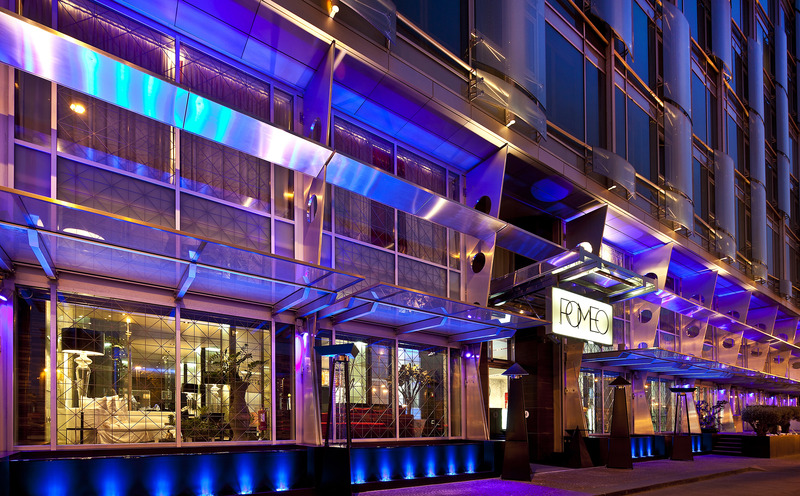
★★★★★
Romeo
Spa · Pool · Family-friendly
From £457 a night, taxes incl.2 adults · checked 14 Nov, 06:22

★★★★
Exe Majestic
Parking
From £123 a night, taxes incl.2 adults · checked 14 Nov, 12:37

★★★★★
Grand Hotel Parker's
Beach 1 km · Parking
From £358 a night, taxes incl.2 adults · checked 14 Nov, 00:07

★★★★
Palazzo Alabardieri
44 rooms
From £210 a night, taxes incl.2 adults · checked 14 Nov, 00:07
Sicily


- Beaches
- Culture
- Food
Greek temples, a smoking volcano and a cuisine all of its own.
Sicily feels like a country apart, and for most of history it was one. Greeks, Arabs, Normans and Spaniards all left their mark, in temples, mosaics, baroque towns and a kitchen that puts pistachios, swordfish and ricotta in everything. Mount Etna smoulders over the east coast; Palermo's markets roar in the west.
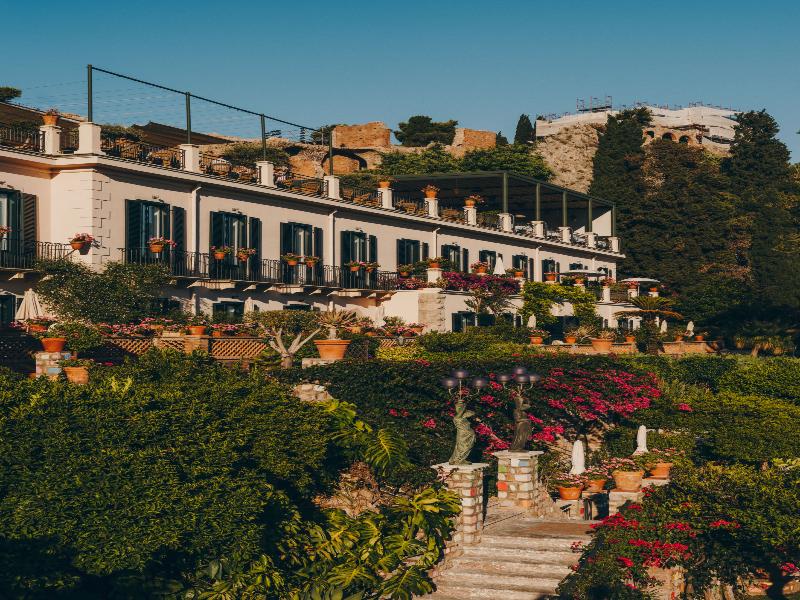
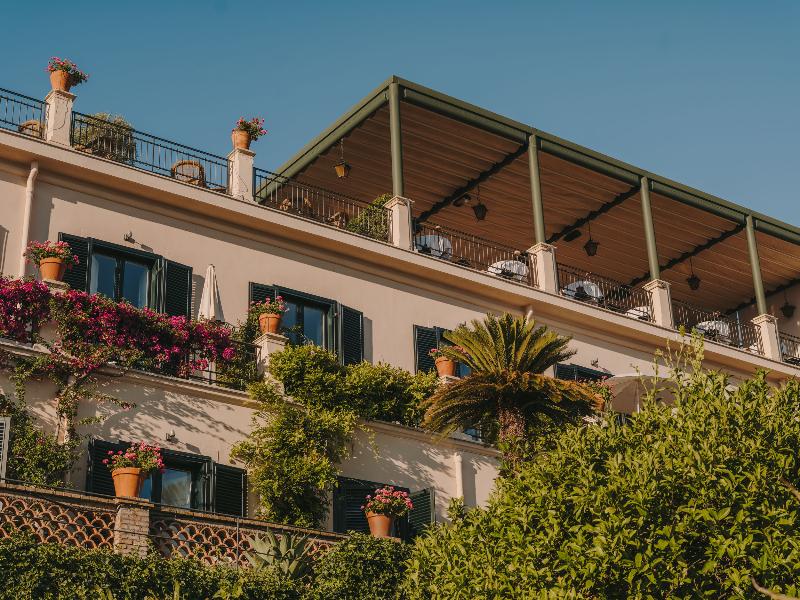
The classic place to stay is Taormina, a hill town perched high above the sea with an ancient Greek theatre framing Etna. Its main street, Corso Umberto, is lined with shops and cafés, and its grand hotels, some more than a century old, are among the most famous in Italy. For a beach holiday instead, large resorts with direct access to the sand, several pools and plenty for children are dotted along the north and east coasts.
Hotels to look at in Sicily
★★★★★
Grand Hotel Timeo, A Belmond Hotel, Taormina
Spa · Pool · 67 rooms
From £1,862 a night, taxes incl.2 adults · checked 14 Nov, 05:22

★★★★★
NH Collection Taormina
Beach 500 m · Spa · Pool
From £651 a night, taxes incl.2 adults · checked 14 Nov, 05:22

★★★★★
Grand Palladium Sicilia Resort & Spa
All-inclusive option · Spa · Pool
From £242 a night, taxes incl.2 adults · checked 14 Nov, 05:22

★★★★★
Mangia’s Brucoli Sicily Autograph Collection
Beach 10 m · All-inclusive option · Spa
From £230 a night, taxes incl.2 adults · checked 14 Nov, 17:52
Puglia


- Quiet
- Food
- Couples
The heel of the boot: white towns, olive groves and farmhouse hotels.
Puglia, Italy's heel, has gone from secret to sought-after without losing its unhurried soul. The landscape is flat, sun-bleached and silver with ancient olive trees. Hill towns such as Ostuni, the White City, gleam above the plain, the conical trulli houses of the Itria Valley look like something from a storybook, and the long coast of the Salento peninsula alternates rocky coves with sandy beaches.
The thing to do here is stay in a masseria, a fortified farmhouse turned hotel, among the olive groves. Some are family-friendly, with sports courts and designer pools; others are quiet luxury retreats a few kilometres from the sea near Monopoli. Ostuni has elegant hotels with vaulted ceilings and rooftop bars, and the Salento coast has suite hotels above the water. Bari and Brindisi are the airports. Hire a car.
Hotels to look at in Puglia


North Sardinia and the Costa Smeralda


- Beaches
- Luxury
- Families
Some of the clearest water in the Mediterranean, and the yachts that came to find it.
The north-east corner of Sardinia has beaches that look retouched: white sand, wind-sculpted granite and sea in every shade of green and turquoise. The Costa Smeralda, developed in the 1960s as a playground for the jet set, is the famous stretch, centred on the village of Porto Cervo with its marina and designer boutiques. Prices in August are spectacular. So is everything else.
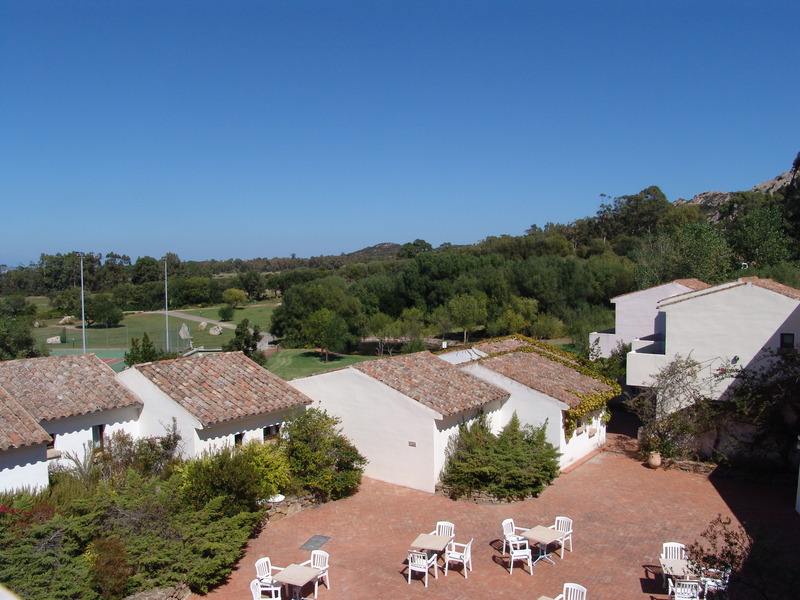
You do not have to be a billionaire to stay. Beachfront resorts around Baja Sardinia and Santa Teresa di Gallura offer gardens, secluded coves and private beaches in a more relaxed key, and San Teodoro, to the south, has gentle white-sand bays inside a marine reserve that are ideal for families. Olbia is the airport for all of it, and June and September are the sweet spot.
Hotels to look at in North Sardinia


Cities, lakes or coast?
First time in Italy? Rome, plus Florence or Venice, linked by fast train. Want scenery and a pool with the culture? Lake Garda. Travelling in July or August, when the cities bake? Go to the sea: Sardinia for the beaches, Sicily for beaches with history, Puglia for food and quiet. Short on time? Milan and Naples both make excellent long weekends.
Getting around
High-speed trains link Milan, Venice, Florence, Rome and Naples quickly and comfortably, so there is no need for a car between the cities, and you would not want one inside them. For Puglia, Sicily, Sardinia and the quieter corners of Lake Garda, a hire car gives you the freedom to reach beaches and hill towns the buses miss.
Sorted where to stay? Now plan the days. Read our guide: The best things to do in Italy →
Questions about where to stay in Italy
- Where is the best place to stay in Italy for the first time?
- Rome. It has the greatest concentration of famous sights, superb food and easy train links to Florence, Naples and Venice. Three or four nights in Rome followed by two or three in Florence or Venice is the classic first trip.
- Where should families stay in Italy?
- Lake Garda is the favourite, with calm water, lakeside towns and theme parks near its southern shore. For a beach holiday, the resorts of Sardinia, Sicily and Puglia have shallow sandy bays and hotels with kids’ clubs and pools.
- Where are the best beaches in Italy?
- Sardinia has the finest, especially the Costa Smeralda and the north-east coast. Puglia’s Salento peninsula and the coasts of Sicily are close behind, with warmer water and lower prices.
- Is Rome, Florence or Venice better?
- They are very different. Rome is the biggest, with ancient ruins and the liveliest streets. Florence is compact and all about Renaissance art and Tuscan food. Venice is the most romantic and the most unusual. If you can only choose one, choose Rome; if you have a week, see two.
- Which part of Italy is quietest?
- Puglia, in the far south-east, is the most relaxed of the main holiday regions, especially if you stay in a farmhouse hotel in the countryside. The northern and western shores of Lake Garda are also peaceful outside August.
More where to stay guides
- Where to stay in Majorca
- Where to stay in Malta
- Where to stay in Corfu
- Where to stay in Crete
- Where to stay in Sardinia
- Where to stay in Paris
- Where to stay in Rome
- Where to stay in Tenerife
- Where to stay in Sicily
- Where to stay in Gran Canaria
- Where to stay in Lanzarote
- Where to stay in Amsterdam
- Where to stay on Lake Garda
- Where to stay in Tokyo
- Where to stay in Rhodes
- Where to stay in Menorca
- Where to stay in Lisbon
- Where to stay in Barcelona
- Where to stay in Kefalonia
- Where to stay in Phuket
- Where to stay in Fuerteventura
- Where to stay in Bali
- Where to stay in Krakow
- Where to stay in Porto
- Where to stay in Bangkok
- Where to stay on Lake Como
- Where to stay in Madeira
- Where to stay in the Algarve
- Where to stay in Budapest
- Where to stay in New York
- Where to stay in Santorini
- Where to stay in Prague
- Where to stay in Seville
- Where to stay in Berlin
- Where to stay in London
- Where to stay in Marrakech
- Where to stay in Venice
- Where to stay on the Amalfi Coast
- Where to stay in Koh Samui
- Where to stay in Puglia
- Where to stay in Madrid
- Where to stay in Milan
- Where to stay in Cyprus
- Where to stay in Ibiza
- Where to stay in Thailand
- Where to stay in Vienna
- Where to stay in Croatia
- Where to stay in Dubrovnik
- Where to stay in Naples
- Where to stay in Dublin
- Where to stay in Edinburgh
- Where to stay in Istanbul
- Where to stay in Montenegro
- Where to stay in Copenhagen
- Where to stay in Kyoto
- Where to stay in Athens
- Where to stay in Osaka
- Where to stay in Valencia
- Where to stay in Albania
- Where to stay in Krabi
- Where to stay in Seoul
- Where to stay in York
- Where to stay in Stockholm
- Where to stay in Chiang Mai
- Where to stay in Hanoi
- Where to stay in Bologna
- Where to stay in Brussels
- Where to stay in Beijing
- Where to stay in Bordeaux
- Where to stay in Bucharest
- Where to stay in Busan
- Where to stay in Kuala Lumpur
- Where to stay in Liverpool
- Where to stay in Marseille
- Where to stay in Mexico City
- Where to stay in Munich
- Where to stay in Oslo
- Where to stay in Portugal
- Where to stay in Shanghai
- Where to stay in Verona
- Where to stay in Brighton
- Where to stay in Bruges
- Where to stay in Cairo
- Where to stay in Cambridge
- Where to stay in Chester
- Where to stay in Goa
- Where to stay in Manchester
- Where to stay in Okinawa
- Where to stay in Oxford
- Where to stay in Switzerland
- Where to stay in Bristol
- Where to stay in Buenos Aires
- Where to stay in Gdansk
- Where to stay in Geneva
- Where to stay in Granada
- Where to stay in Greece
- Where to stay in Hiroshima
- Where to stay in Inverness
- Where to stay in Lyon
- Where to stay in Salzburg
- Where to stay in Zurich
- Where to stay in Agadir
- Where to stay in Blackpool
- Where to stay in Cologne
- Where to stay in Lille
- Where to stay in Melbourne
- Where to stay in Montreal
- Where to stay in Penang
- Where to stay in Pisa
- Where to stay in Rio de Janeiro
- Where to stay in Taipei
- Where to stay in Tirana
- Where to stay in Warsaw
- Where to stay in Cebu
- Where to stay in Doha
- Where to stay in Hamburg
- Where to stay in Jeju
- Where to stay in Mumbai
- Where to stay in San Diego
- Where to stay in Birmingham
- Where to stay in Brisbane
- Where to stay in Delhi
- Where to stay in Ireland
- Where to stay in Strasbourg
- Where to stay in Auckland
- Where to stay in Austin
- Where to stay in Dallas
- Where to stay in the Florida Keys
- Where to stay in Frankfurt
- Where to stay in Rotterdam
- Where to stay in Seattle
- Where to stay in Zagreb
- Where to stay in Antwerp
- Where to stay in Calgary
- Where to stay in Cartagena
- Where to stay in Christchurch
- Where to stay in France
- Where to stay in Fukuoka
- Where to stay on the Gold Coast
- Where to stay in Ho Chi Minh City
- Where to stay in Houston
- Where to stay in Innsbruck
- Where to stay in Jaipur
- Where to stay in Lucerne
- Where to stay in Puerto Rico
- Where to stay in Sofia
- Where to stay in Spain
- Where to stay in Atlanta
- Where to stay in Dusseldorf
- Where to stay in Fort Lauderdale
- Where to stay in Memphis
- Where to stay in Pattaya
- Where to stay in Philadelphia
- Where to stay in Queenstown
- Where to stay in South Korea
- Where to stay in Denver
- Where to stay in Niagara Falls
- Where to stay in Nuremberg
- Where to stay in Lake Tahoe
- Where to stay in Palm Springs
- Where to stay in Phoenix
- Where to stay in Germany
- Where to stay in Nara
- Where to stay in Salt Lake City
- Where to stay in San Antonio
- Where to stay in Savannah
- Where to stay in Charlotte
- Where to stay in Minneapolis
- Where to stay in Myrtle Beach
- Where to stay in Pittsburgh
- Where to stay in Abu Dhabi
- Where to stay in Antalya
- Where to stay in Antigua
- Where to stay in Australia
- Where to stay in Ayia Napa
- Where to stay in the Bahamas
- Where to stay in the Balearic Islands
- Where to stay in Barbados
- Where to stay in Benidorm
- Where to stay in Bodrum
- Where to stay in Boston
- Where to stay in Canada
- Where to stay in the Canary Islands
- Where to stay in Cancun
- Where to stay in Cape Town
- Where to stay in the Caribbean
- Where to stay in Chicago
- Where to stay on the Costa Brava
- Where to stay on the Costa del Sol
- Where to stay in Costa Rica
- Where to stay near Dalaman
- Where to stay in the Dominican Republic
- Where to stay in Dubai
- Where to stay in Egypt
- Where to stay in Florence
- Where to stay in Florida
- Where to stay on the French Riviera
- Where to stay in the Greek islands
- Where to stay in Halkidiki
- Where to stay in Hawaii
- Where to stay in Hong Kong
- Where to stay in Hurghada
- Where to stay in Iceland
- Where to stay in Jamaica
- Where to stay in Japan
- Where to stay in Kenya
- Where to stay in Kos
- Where to stay in Las Vegas
- Where to stay in Los Angeles
- Where to stay in Málaga
- Where to stay in the Maldives
- Where to stay in Marbella
- Where to stay in Marmaris
- Where to stay in Mauritius
- Where to stay in Mexico
- Where to stay in Miami
- Where to stay in Morocco
- Where to stay in Mykonos
- Where to stay in Nashville
- Where to stay in New Orleans
- Where to stay in New Zealand
- Where to stay in Nice
- Where to stay in Norway
- Where to stay in Oman
- Where to stay in Orlando
- Where to stay in Paphos
- Where to stay in Perth
- Where to stay in Provence
- Where to stay in Punta Cana
- Where to stay in Reykjavik
- Where to stay in Salou
- Where to stay in San Francisco
- Where to stay in the Seychelles
- Where to stay in Sharm el Sheikh
- Where to stay in Singapore
- Where to stay in Skiathos
- Where to stay in Sorrento
- Where to stay in Split
- Where to stay in Sri Lanka
- Where to stay in St Lucia
- Where to stay in the Swiss Alps
- Where to stay in Sydney
- Where to stay in Toronto
- Where to stay in Tunisia
- Where to stay in Turkey
- Where to stay in Tuscany
- Where to stay in Vancouver
- Where to stay in Vietnam
- Where to stay in Washington DC
- Where to stay in Zante
- Where to stay in Zanzibar
- Where to stay in Zermatt