
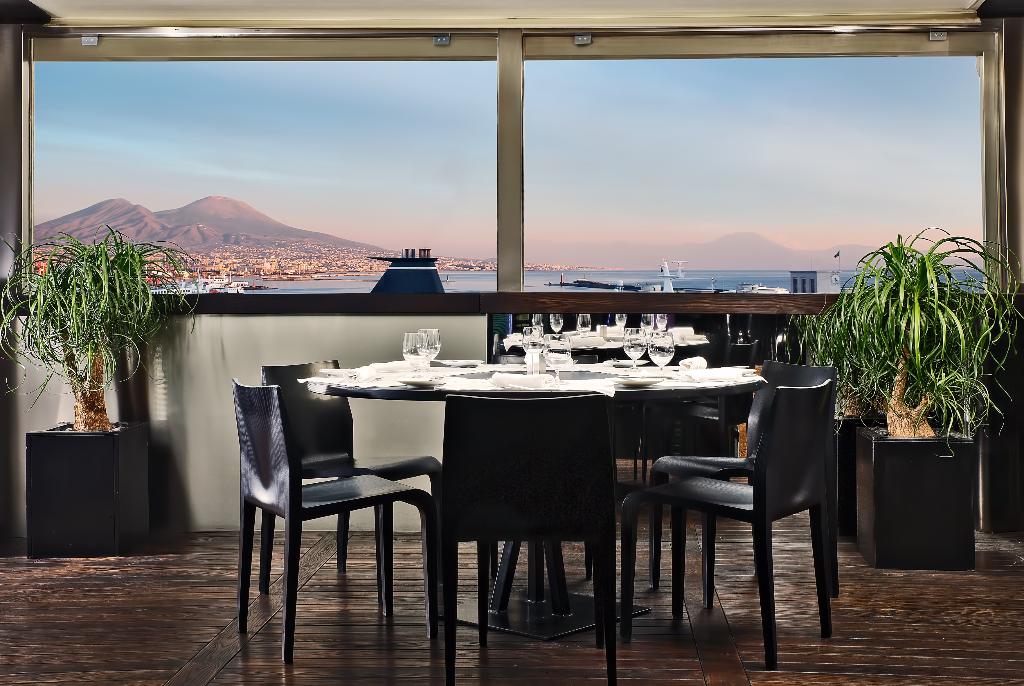
Naples is loud, chaotic, crumbling in places and utterly magnificent. Washing hangs across alleys barely wider than a Vespa, shrines to saints and footballers share the same walls, and the pizza, born here, really does taste better than anywhere else. And across the bay, always in view, sits Vesuvius, the volcano that buried Pompeii, brooding over the whole extraordinary scene.
Most visitors divide their time between the city and the treasures around its bay, so where you stay depends on the balance. Stay in Naples for food, churches, museums and ferries to the islands; in Pompei or Ercolano for early starts at the ruins; on the slopes of Vesuvius for sea views and calm; or west in Pozzuoli for the volcanic Phlegraean Fields. Sorrento and the Amalfi Coast, further south, have guides of their own.
The short answer
Best for a city break
Naples
Pizza on Via dei Tribunali, the Archaeological Museum and Baroque churches around every corner.
Best for history
Pompei
Walk into the ruins at opening time, long before the coach parties arrive.
Best for families
Ercolano
Herculaneum’s compact, astonishingly preserved ruins are far easier on small legs than Pompeii.
Best for couples
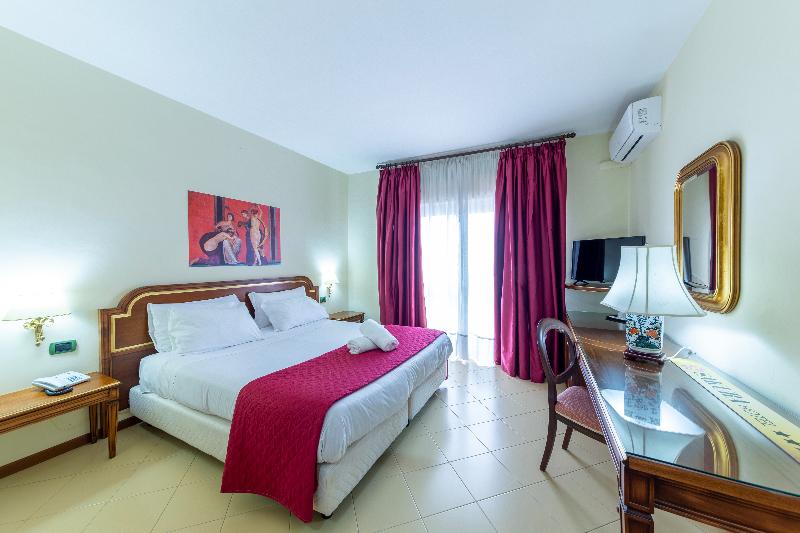
Torre del Greco
Hillside hotels on the slopes of Vesuvius, with Capri floating on the horizon.

Best for a quieter stay
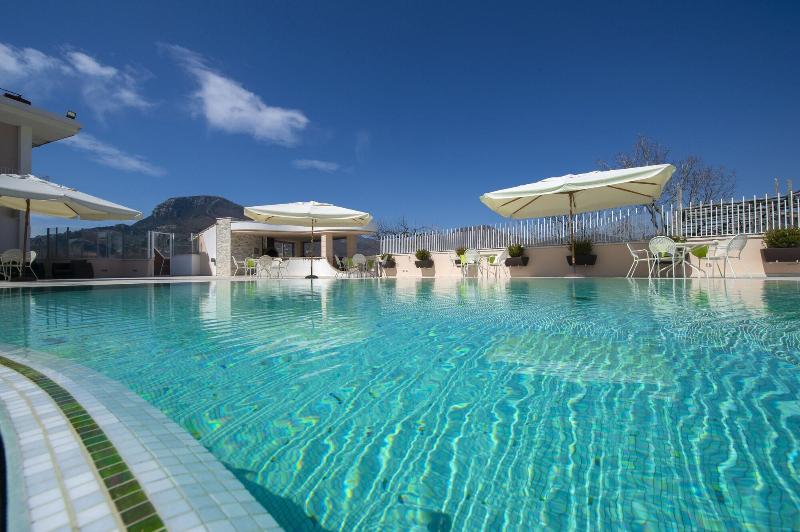
Pozzuoli
A fishing port, Roman ruins and spa hotels looking out to the islands, a short hop from the city.
Best for walkers
Agerola
A cool mountain base for the Path of the Gods, high above the Amalfi Coast.
Naples areas at a glance
| Area | Best for | What it's like | Hotels |
|---|---|---|---|
| Naples city | City break, Food, Culture | Chaotic, glorious and delicious: the real Naples, with ferries to the islands at the bottom of the hill. | Hotels: 1,239 |
| Pompei | History, Early starts, Vesuvius | Sleep beside the ruins and be first through the gates. | Hotels: 87 |
| Ercolano (Herculaneum) | History, Families, Views | Herculaneum’s astonishingly preserved ruins, with Vesuvius rising behind. | Hotels: 38 |
| Torre del Greco and the slopes of Vesuvius | Couples, Views, Quiet | Hillside hotels on the volcano, with Capri on the horizon. | Hotels: 14 |
| Pozzuoli and the Phlegraean Fields | Quiet, History, Spa | Steaming craters, Roman ruins and island ferries, just west of the city. | Hotels: 35 |
| Agerola | Walkers, Quiet, Mountains | A cool mountain village and the start of the Path of the Gods. | Hotels: 18 |
Naples city


- City break
- Food
- Culture
Chaotic, glorious and delicious: the real Naples, with ferries to the islands at the bottom of the hill.
The centro storico, a UNESCO World Heritage Site, is the beating heart of Naples: a grid of narrow streets first laid out by the ancient Greeks and sliced in two by the long, straight Spaccanapoli. Via dei Tribunali is lined with legendary pizzerias, Via San Gregorio Armeno with workshops carving nativity figures, and the National Archaeological Museum, home to the finest treasures from Pompeii and Herculaneum, stands at its northern edge.
Stay here for atmosphere, in small hotels and apartments carved out of old palazzi, some with rooftop terraces. For more polish, head down to Chiaia and the seafront Lungomare, where elegant streets and smart shops face the bay and the Castel dell'Ovo, or up to the Vomero hill, reached by funicular, for a calmer, residential feel and views from Castel Sant'Elmo. The Royal Palace and the vast Piazza del Plebiscito lie in between.
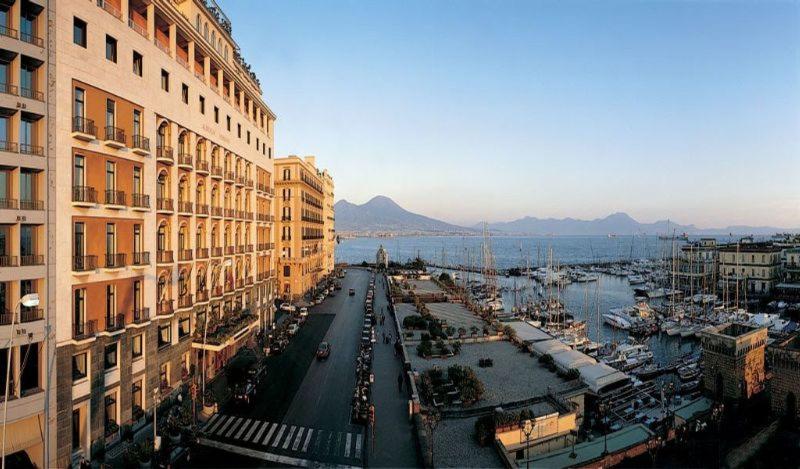
The grandest hotels line the waterfront, with the bay and Vesuvius filling the windows, while the streets around Via Toledo and the port put the old town, the Royal Palace and the ferries on your doorstep. Boats leave Molo Beverello for Capri, Ischia and Procida, and the airport is a short drive from the centre.
Hotels to look at in Naples
★★★★★
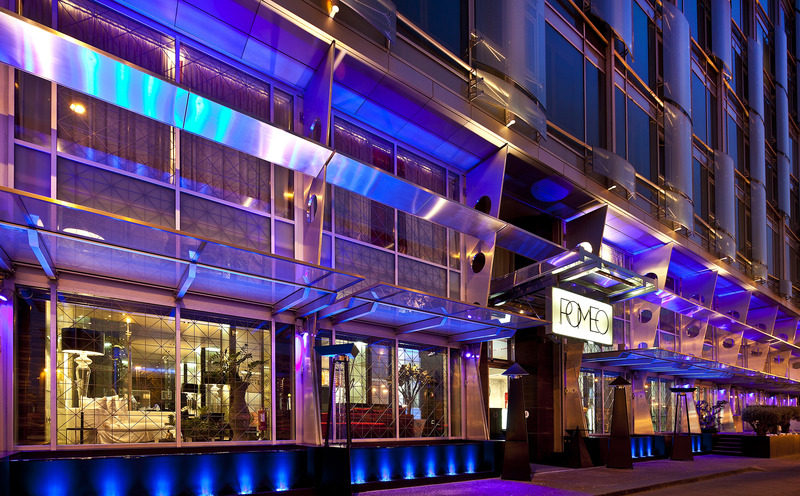
Romeo
Spa · Pool · Family-friendly
From £717 a night, taxes incl.2 adults · checked 1 Oct, 18:08
★★★★★
Grand Hotel Vesuvio Naples
Pool · Parking
From £1,324 a night, taxes incl.2 adults · checked 1 Oct, 18:08

★★★★
Renaissance Naples Mediterraneo
Parking
From £435 a night, taxes incl.2 adults · checked 1 Oct, 18:08
★★★★
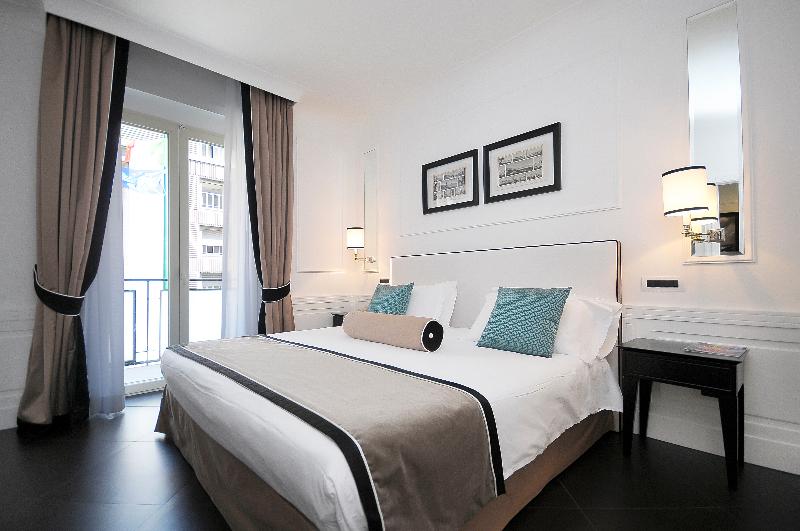
Grand Hotel Oriente
Parking
See prices and rooms →
Pompei


- History
- Early starts
- Vesuvius
Sleep beside the ruins and be first through the gates.
Pompeii, buried by Vesuvius in AD 79 and slowly uncovered ever since, is one of the most famous archaeological sites on earth, and it is enormous. Day-trippers from Naples and Sorrento pour in by mid-morning, so staying in the modern town of Pompei lets you stroll in at opening time and have whole streets of frescoed villas almost to yourself.
The town itself is pleasant rather than pretty, centred on the huge Sanctuary of the Blessed Virgin of the Rosary, a major pilgrimage church. Hotels are mostly comfortable three and four-stars, several within a short walk of the site, and the Circumvesuviana railway puts Naples and Sorrento within easy reach. It's also a handy base for the climb up Vesuvius.
Hotels to look at in Pompei


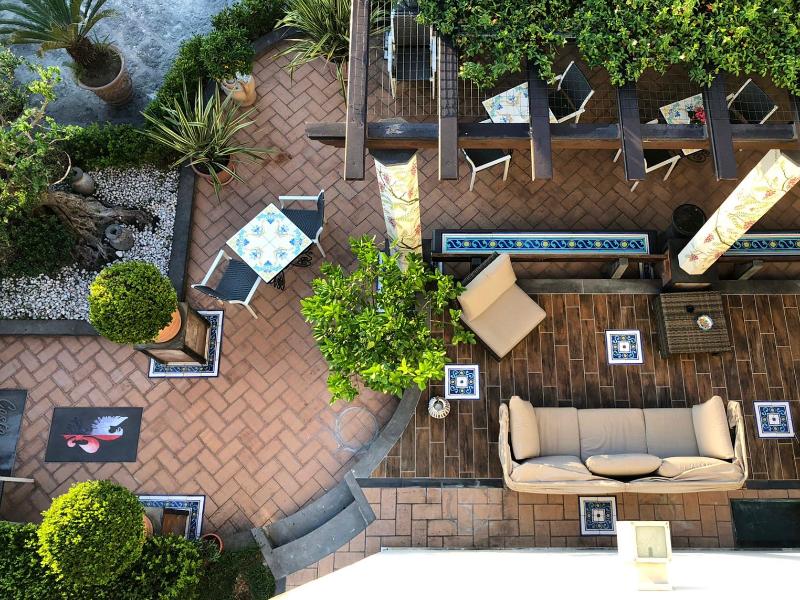
Ercolano (Herculaneum)

- History
- Families
- Views
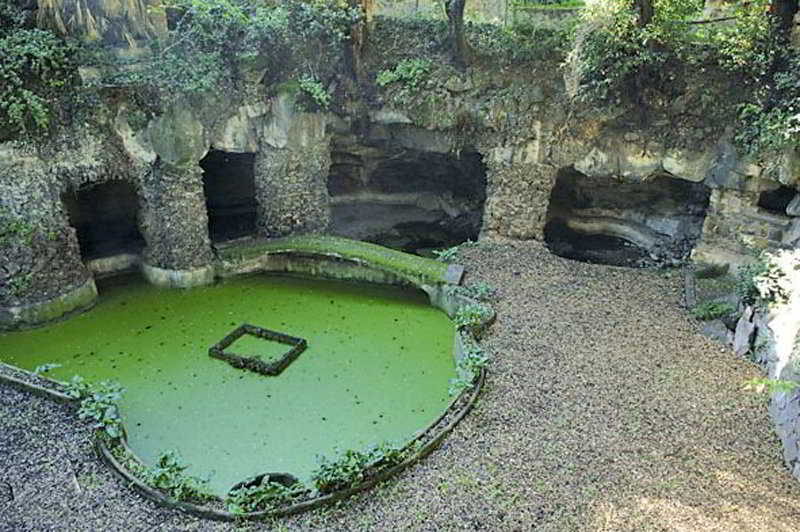
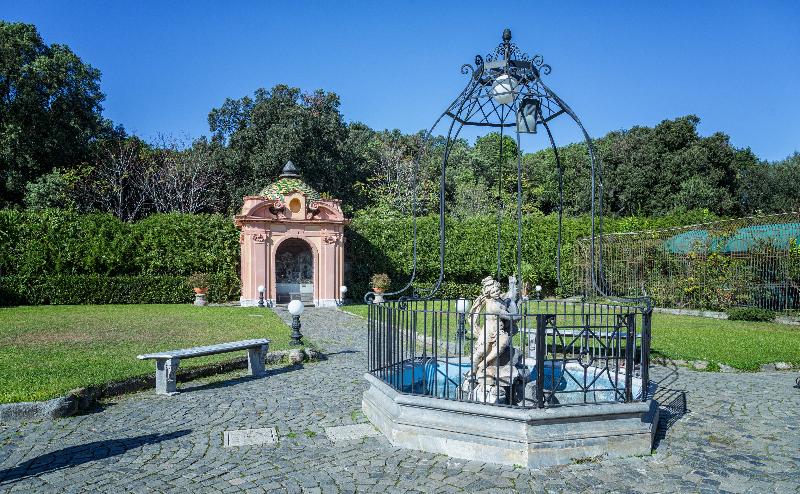
Herculaneum’s astonishingly preserved ruins, with Vesuvius rising behind.
Herculaneum was destroyed by the same eruption as Pompeii but buried far deeper, under metres of volcanic debris that preserved it in extraordinary detail: upper floors, mosaics, painted walls and even carbonised wooden furniture. It's smaller and easier to see in a morning than Pompeii, which makes it the better bet with children.
The modern town of Ercolano sits right on top of it, climbing the lower slopes of Vesuvius. Hotels range from small B&Bs steps from the excavations to a park hotel with views across the Bay of Naples to the Sorrento Peninsula, and neighbouring Portici, between the volcano and the sea, has more B&Bs. Naples is a short ride away on the Circumvesuviana.
Hotels to look at in Ercolano
★★★★
Miglio d'Oro Park Hotel
Pets allowed · Parking
See prices and rooms →
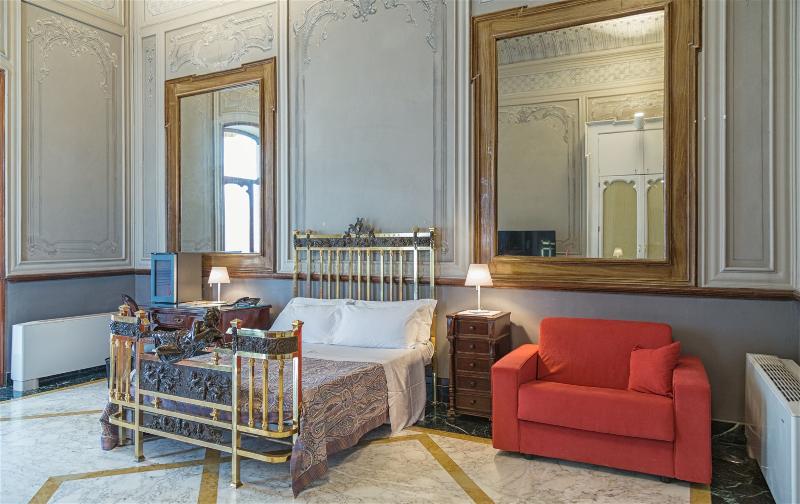
★★★★
Villa Signorini Hotel
Beach 1 km · Pool · 42 rooms
From £118 a night, taxes incl.2 adults · checked 1 Oct, 18:08

★★★★
Maison Matie B&B Ercolano
Beach 2.1 km · 5 rooms · Parking
See prices and rooms →
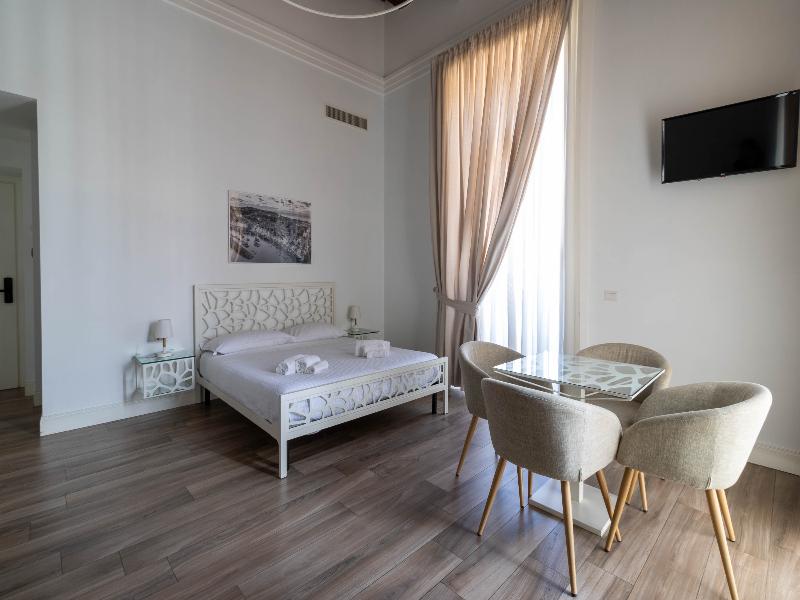
★★★
Villa Cua
5 rooms · Parking
See prices and rooms →
Torre del Greco and the slopes of Vesuvius
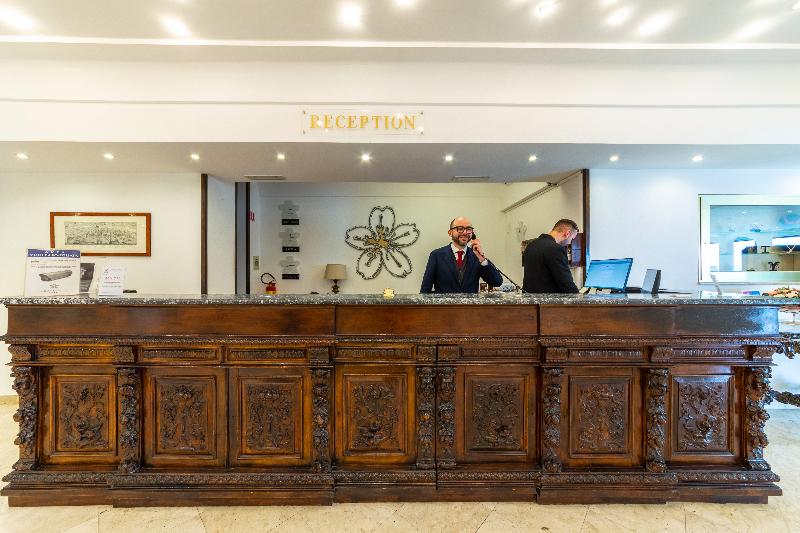
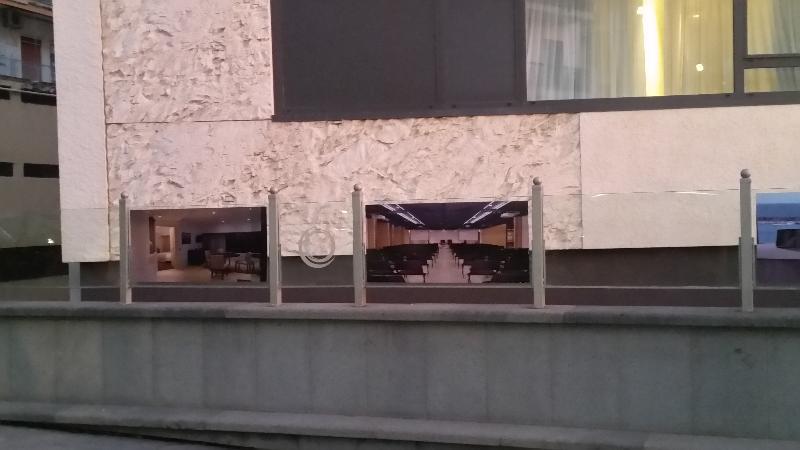
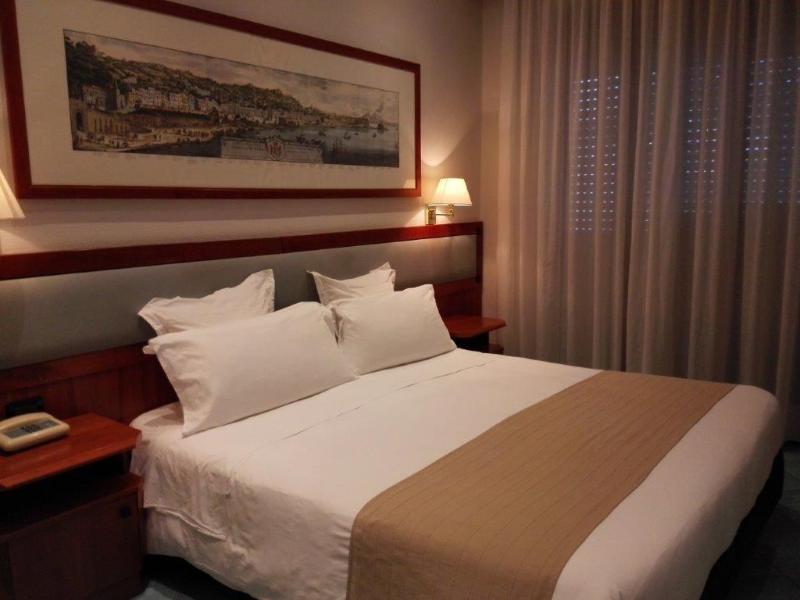
- Couples
- Views
- Quiet
Hillside hotels on the volcano, with Capri on the horizon.
Torre del Greco, famous for centuries for its coral and cameo carvers, spreads out between the sea and the flanks of Vesuvius. The town is workaday, but up on the slopes, hotels look out over vineyards and the whole sweep of the Bay of Naples to Capri and the Sorrento Peninsula.
It's a peaceful base if you have a car, with Herculaneum and Pompeii each within about a 15-minute drive and the road up to the crater close at hand. Hotels have personality: one blends Japanese and Mediterranean design, another fills its rooms with contemporary art.
Hotels to look at in Torre del Greco
Pozzuoli and the Phlegraean Fields

- Quiet
- History
- Spa
Steaming craters, Roman ruins and island ferries, just west of the city.
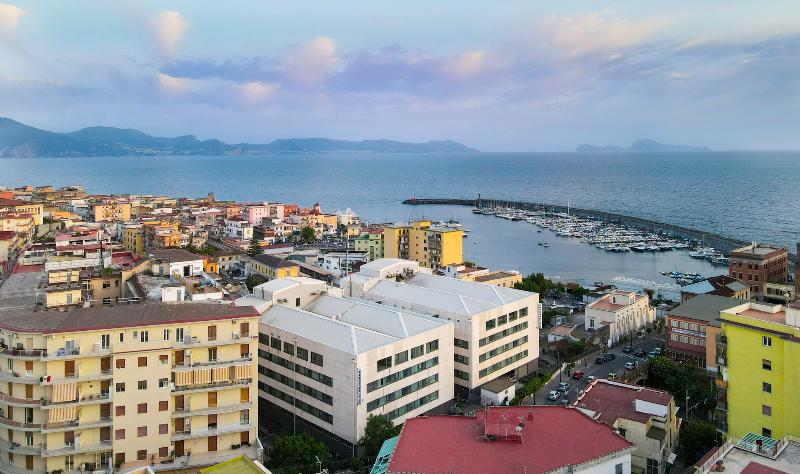
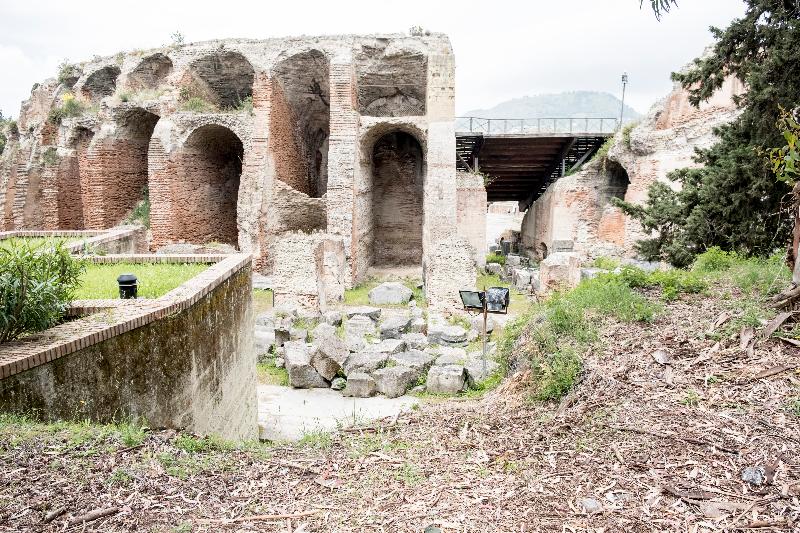
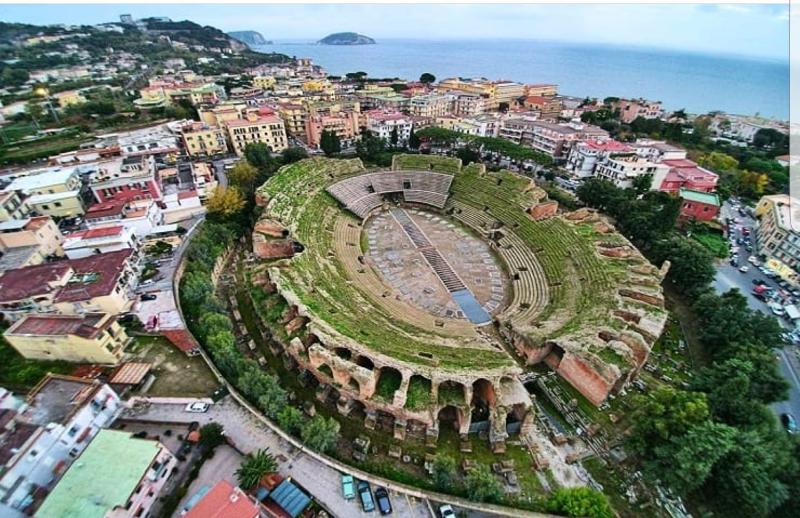
West of Naples lie the Campi Flegrei, or Phlegraean Fields, a vast volcanic caldera of steaming craters, hot springs and half-sunken Roman towns. Pozzuoli, the main town, is a busy fishing port with a huge Roman amphitheatre and the columns of the so-called Temple of Serapis, really an ancient market hall, standing in the middle of town.
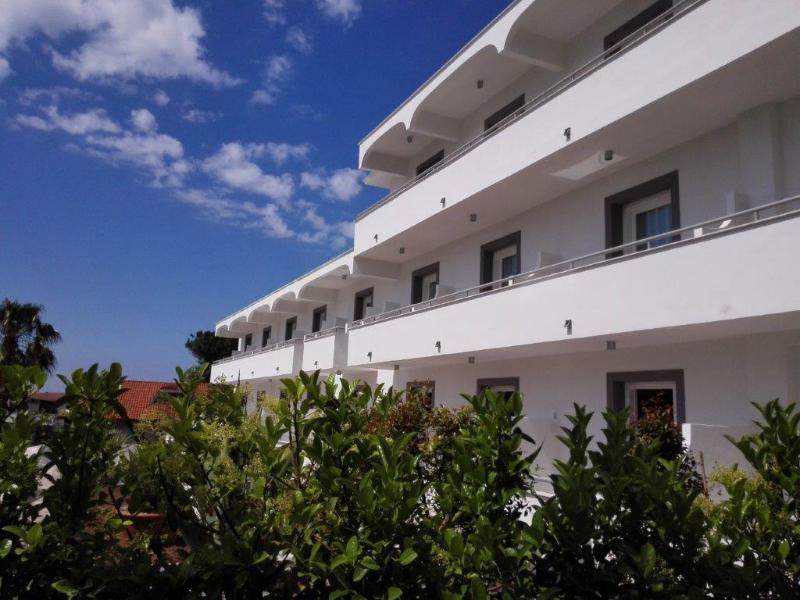
Hotels here are calmer than in the city, from spa hotels looking out to Capri and Ischia, one just back from a sandy beach, to an intimate B&B overlooking Roman ruins. Ferries run from Pozzuoli to Ischia and Procida, and Naples is a short train ride away. Further north-west, around Giugliano, hotels are close to the ancient sites of Cuma and Baia.
Hotels to look at in Pozzuoli
★★★★
Beauty Farm Villa Luisa
Beach 100 m · Spa · Pool
From £140 a night, taxes incl.2 adults · checked 1 Oct, 18:08
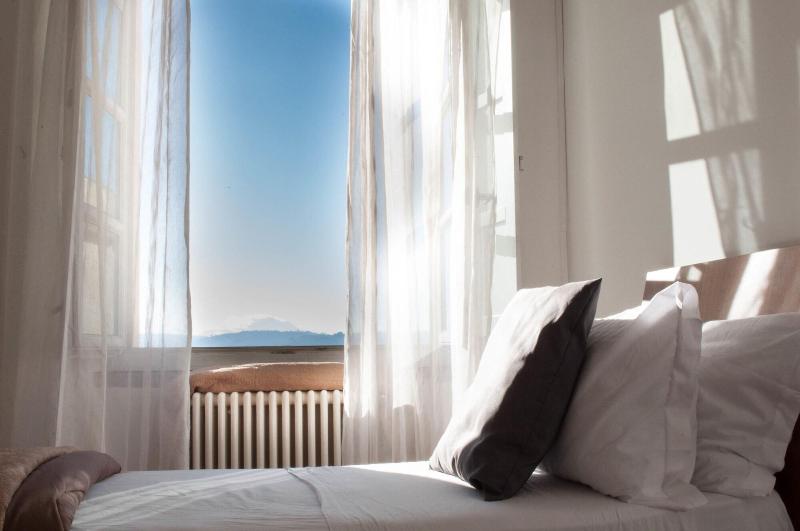
★★★★
Hotel Neronensis
Spa · 16 rooms · Parking
From £126 a night, taxes incl.2 adults · checked 1 Oct, 18:08
★★★★
Dimora Flegrea Pozzuoli
4 rooms · Pets allowed · Parking
See prices and rooms →

★★★★
Agave Hotel
27 rooms · Family-friendly · Parking
From £75 a night, taxes incl.2 adults · checked 1 Oct, 18:08
Agerola

- Walkers
- Quiet
- Mountains
A cool mountain village and the start of the Path of the Gods.
High in the Lattari Mountains above the Amalfi Coast, Agerola is a scattering of villages known for their dairy, above all the local fior di latte cheese, and as the starting point of the Sentiero degli Dei, the Path of the Gods, a spectacular cliff-top walk towards Positano.
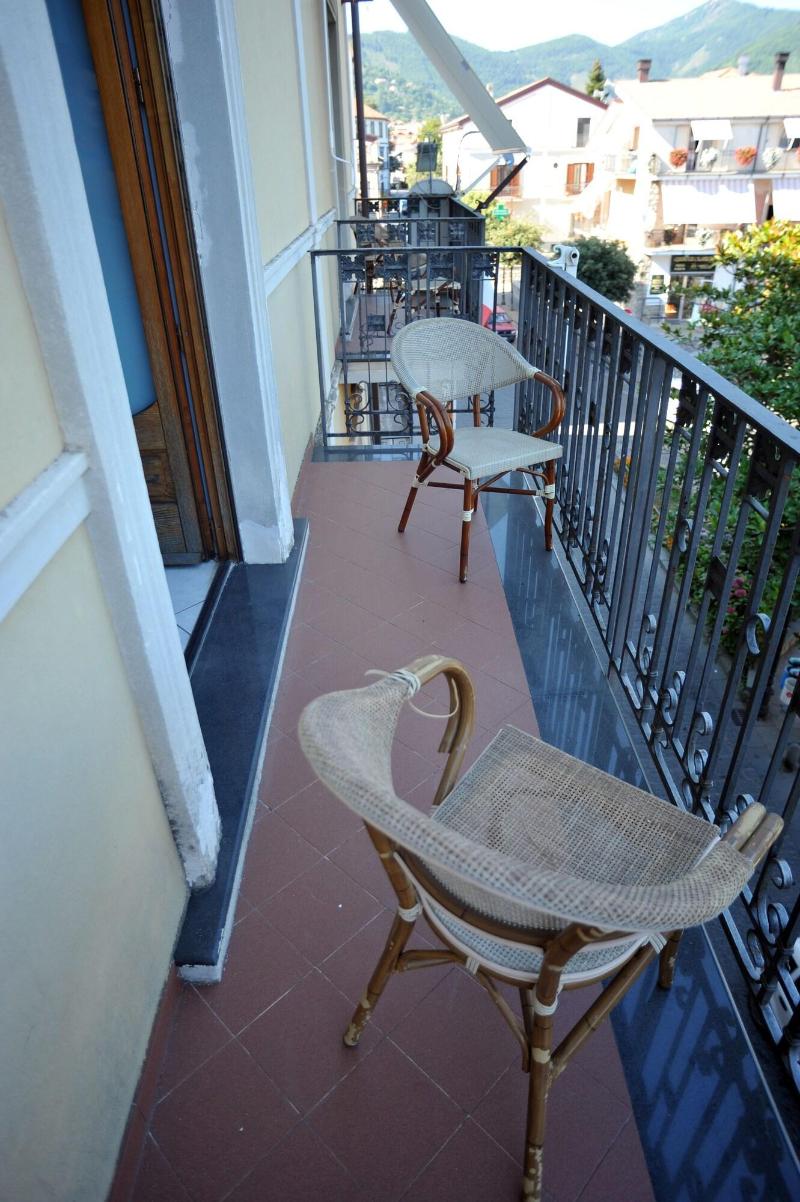
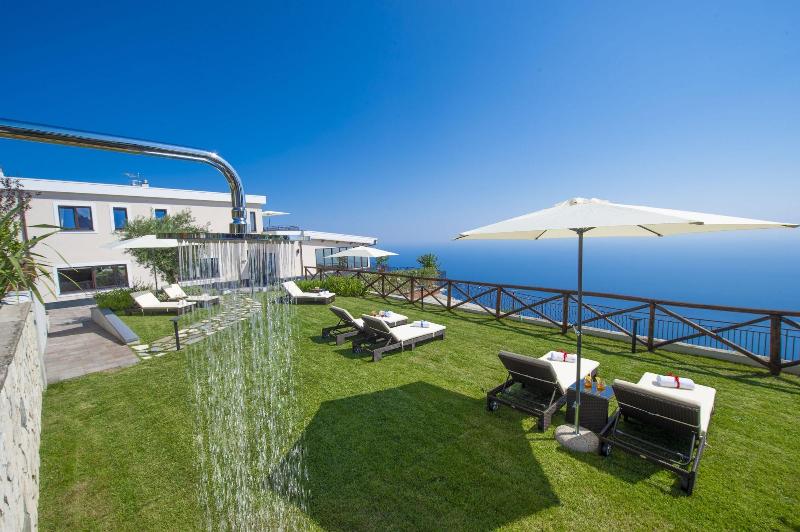
It's a cooler, simpler and quieter base than the coast below, with family-run hotels and B&Bs, many with terraces looking out over the mountains or down to the sea. Amalfi is down a road of thrilling hairpins, and you'll want a car to get the most out of it.
Hotels to look at in Agerola
Which area?
City break with day trips? Stay in Naples, in the centro storico for atmosphere or Chiaia for polish. Ruins first? Pompei or Ercolano. Views and a pool? The slopes of Vesuvius. Island-hopping? Naples or Pozzuoli, for the ferries. Hiking? Agerola.
Getting there and around
Naples airport, Capodichino, is close to the city, and the airport bus runs to the central station and the port. The Circumvesuviana railway runs from Naples around the bay through Ercolano and Pompei to Sorrento: cheap, frequent and gloriously rough around the edges. Driving in Naples is not for the faint-hearted, but outside the city a car makes Vesuvius's slopes and Agerola far easier.
Questions about where to stay in Naples
- What is the best area to stay in Naples?
- For atmosphere and food, the centro storico, around Spaccanapoli and Via dei Tribunali, close to the Archaeological Museum. For a smarter, calmer base by the sea, Chiaia and the Lungomare. The Vomero hill is quieter and residential, with funiculars down to the centre.
- Is it better to stay in Naples or Sorrento?
- Stay in Naples for a city break with food, museums and nightlife, and easy ferries to Capri, Ischia and Procida. Sorrento is calmer and more of a resort, better for a relaxing holiday and for reaching the Amalfi Coast. Both are linked by the Circumvesuviana train, which stops at Pompeii and Herculaneum on the way.
- Should I stay in Pompeii or Naples?
- If seeing the ruins properly is the priority, a night in Pompei lets you arrive at opening time before the crowds. For a longer trip, Naples has far more to do in the evenings, and Pompeii is an easy day trip on the Circumvesuviana.
- Where should I stay in Naples for the ferries?
- Hotels in the centro storico, around the Royal Palace or in Chiaia are close to Molo Beverello, where boats leave for Capri, Ischia and Procida. Pozzuoli, west of the city, also has ferries to Ischia and Procida.
- Which part of Naples is quietest?
- The Vomero hill is the calmest part of the city, with leafy residential streets and funiculars down to the centre. Outside Naples, the hotels on the slopes of Vesuvius and in Pozzuoli are far more peaceful.
More where to stay guides
- Where to stay in Majorca
- Where to stay in Malta
- Where to stay in Corfu
- Where to stay in Crete
- Where to stay in Sardinia
- Where to stay in Paris
- Where to stay in Rome
- Where to stay in Tenerife
- Where to stay in Sicily
- Where to stay in Gran Canaria
- Where to stay in Lanzarote
- Where to stay in Amsterdam
- Where to stay on Lake Garda
- Where to stay in Tokyo
- Where to stay in Rhodes
- Where to stay in Menorca
- Where to stay in Lisbon
- Where to stay in Barcelona
- Where to stay in Kefalonia
- Where to stay in Phuket
- Where to stay in Fuerteventura
- Where to stay in Bali
- Where to stay in Krakow
- Where to stay in Porto
- Where to stay in Bangkok
- Where to stay on Lake Como
- Where to stay in Madeira
- Where to stay in the Algarve
- Where to stay in Budapest
- Where to stay in New York
- Where to stay in Santorini
- Where to stay in Prague
- Where to stay in Seville
- Where to stay in Berlin
- Where to stay in London
- Where to stay in Marrakech
- Where to stay in Venice
- Where to stay on the Amalfi Coast
- Where to stay in Koh Samui
- Where to stay in Puglia
- Where to stay in Madrid
- Where to stay in Milan
- Where to stay in Cyprus
- Where to stay in Ibiza
- Where to stay in Thailand
- Where to stay in Vienna
- Where to stay in Croatia
- Where to stay in Dubrovnik
- Where to stay in Dublin
- Where to stay in Edinburgh
- Where to stay in Istanbul
- Where to stay in Abu Dhabi
- Where to stay in Antalya
- Where to stay in Antigua
- Where to stay in Australia
- Where to stay in Ayia Napa
- Where to stay in the Bahamas
- Where to stay in the Balearic Islands
- Where to stay in Barbados
- Where to stay in Benidorm
- Where to stay in Bodrum
- Where to stay in Boston
- Where to stay in Canada
- Where to stay in the Canary Islands
- Where to stay in Cancun
- Where to stay in Cape Town
- Where to stay in the Caribbean
- Where to stay in Chicago
- Where to stay on the Costa Brava
- Where to stay on the Costa del Sol
- Where to stay in Costa Rica
- Where to stay near Dalaman
- Where to stay in the Dominican Republic
- Where to stay in Dubai
- Where to stay in Egypt
- Where to stay in Florence
- Where to stay in Florida
- Where to stay on the French Riviera
- Where to stay in the Greek islands
- Where to stay in Halkidiki
- Where to stay in Hawaii
- Where to stay in Hong Kong
- Where to stay in Hurghada
- Where to stay in Iceland
- Where to stay in Jamaica
- Where to stay in Japan
- Where to stay in Kenya
- Where to stay in Kos
- Where to stay in Las Vegas
- Where to stay in Los Angeles
- Where to stay in Málaga
- Where to stay in the Maldives
- Where to stay in Marbella
- Where to stay in Marmaris
- Where to stay in Mauritius
- Where to stay in Mexico
- Where to stay in Miami
- Where to stay in Morocco
- Where to stay in Mykonos
- Where to stay in Nashville
- Where to stay in New Orleans
- Where to stay in New Zealand
- Where to stay in Nice
- Where to stay in Norway
- Where to stay in Oman
- Where to stay in Orlando
- Where to stay in Paphos
- Where to stay in Provence
- Where to stay in Punta Cana
- Where to stay in Reykjavik
- Where to stay in Salou
- Where to stay in San Francisco
- Where to stay in the Seychelles
- Where to stay in Sharm el Sheikh
- Where to stay in Singapore
- Where to stay in Skiathos
- Where to stay in Sorrento
- Where to stay in Split
- Where to stay in Sri Lanka
- Where to stay in St Lucia
- Where to stay in the Swiss Alps
- Where to stay in Sydney
- Where to stay in Toronto
- Where to stay in Tunisia
- Where to stay in Turkey
- Where to stay in Tuscany
- Where to stay in Vancouver
- Where to stay in Vietnam
- Where to stay in Washington DC
- Where to stay in Zante
- Where to stay in Zanzibar
- Where to stay in Zermatt