
Most people give Nara an afternoon. They feed the deer, crane their necks at the Great Buddha in Todai-ji and are back on the train to Kyoto or Osaka before the lanterns are lit. More fool them. Japan’s first permanent capital is at its best at the two ends of the day, when the coach parties have gone, the deer wander the empty lawns and the pagodas turn to silhouettes.
The city is compact, so the choice is less about distance than mood. Stay on the edge of Nara Park for temples at dawn, in the old merchant quarter of Naramachi for lanes and atmosphere, or by the stations for value and easy trains. Beyond the city, the wider region hides some of the oldest sites in Japan: the temples of Horyu-ji, the burial mounds of Asuka and the cherry-covered mountain of Yoshino.
The short answer

Best for first-timers
Nara Park and the temples
Wake up among the deer, with Todai-ji, Kofuku-ji and Kasuga Taisha all within walking distance.

Best for couples
Naramachi
Lantern-lit lanes of old wooden townhouses, sake bars and small design-led inns.

Best on a budget
Around the stations
Modern hotels with hot-spring baths on the station doorstep, and fast trains to Kyoto and Osaka.

Best for a ryokan stay
Yoshino
Mountain inns with tatami rooms and garden views, on a ridge famous for its cherry blossom.

Best for history
Kashihara and Asuka
A base among the tombs, shrines and palace sites of Japan’s earliest capitals.
Nara areas at a glance
| Area | Best for | What it's like | Hotels |
|---|---|---|---|
| Nara Park and the temples | First-timers, Sightseeing, Ryokan | Deer on the doorstep and the Great Buddha a stroll away. | Hotels: 4 picked |
| Naramachi | Couples, Atmosphere, Food | The old merchant quarter: wooden townhouses, cafés and quiet lanes. | Hotels: 4 picked |
| Around the stations: JR Nara and Kintetsu Nara | Value, Day trips, Short stays | Practical, well-priced and connected, with the park a walk or short bus ride east. | Hotels: 5 picked |
| West of the city: Nishinokyo, Horyu-ji and Mount Shigi | Temples, Quiet, Repeat visitors | Ancient temples without the crowds, among rice fields and wooded hills. | Hotels: 3 picked |
| Kashihara and Asuka | History, Value, Onsen | The cradle of early Japan, with modern hotels beside the station. | Hotels: 2 picked |
| Yoshino | Ryokan, Cherry blossom, Walking | A mountain village of temples and inns, buried in blossom each spring. | Hotels: 2 picked |
Nara Park and the temples


- First-timers
- Sightseeing
- Ryokan
Deer on the doorstep and the Great Buddha a stroll away.
Nara Park is the reason you came. A great sweep of lawns and woodland on the eastern side of the city, it holds Todai-ji and its colossal bronze Buddha, the five-storey pagoda of Kofuku-ji, the lantern-lined paths to Kasuga Taisha, and well over a thousand deer who have learned to bow for crackers. Stay on its edge and you get all of it before breakfast.
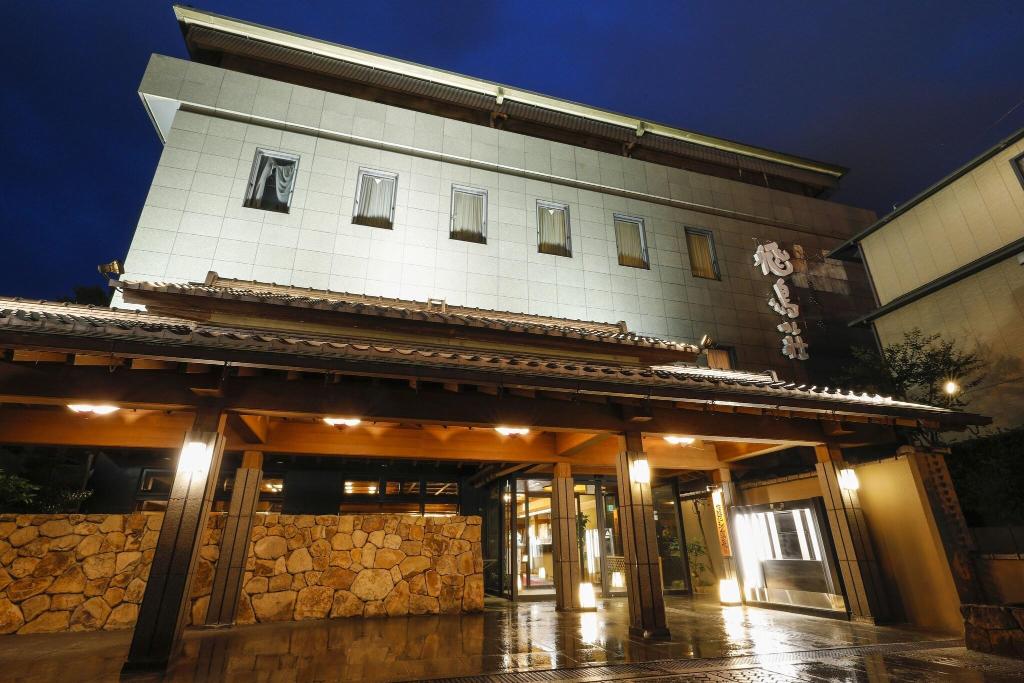
The hotels here have character to match. The Nara Hotel, more than a century old, sits on a wooded hill inside the park, a ten-minute walk from its centre. Traditional ryokan are tucked beside the park and in the forest behind it, with tatami rooms, kaiseki dinners and gardens. There are simple guesthouses too, steps from the lawns. Evenings are very quiet; that is the appeal.
Hotels to look at in Nara Park and the temples
★★★
Nara Hotel
Parking
From £642 a night, taxes incl.2 adults · checked 14 Nov, 22:38

★★★★
Tsukihitei Ryokan
Spa · 5 rooms · Parking
From £685 a night, taxes incl.2 adults · checked 14 Nov, 22:38

★★★
Asukasou
Spa · 30 rooms · Parking
See prices and rooms →

★★
Guesthouse Nara Backpackers
Adults only · 7 rooms · Parking
From £165 a night, taxes incl.2 adults · checked 14 Nov, 22:38
Naramachi


- Couples
- Atmosphere
- Food
The old merchant quarter: wooden townhouses, cafés and quiet lanes.
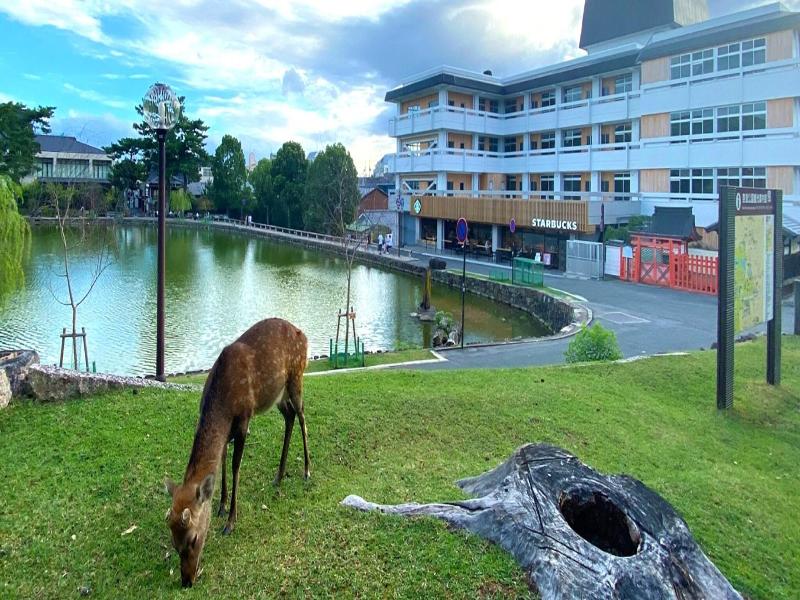
South of Sarusawa Pond, where the pagoda of Kofuku-ji is reflected on still days, the streets narrow into Naramachi. This was the merchants’ district, and its lattice-fronted wooden townhouses now hold craft shops, cafés, sake breweries and small museums. It is the most atmospheric part of the city to wander after dark, and Nara Park is only a few minutes’ walk away.
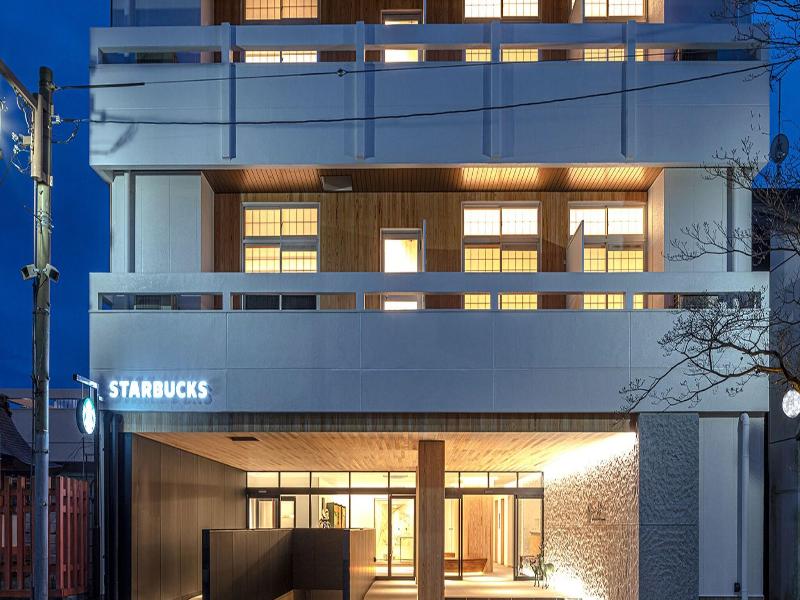
Places to stay are small and individual: a handful of rooms in a converted townhouse, a design hotel with a garden terrace, a modern inn by the pond. Couples and anyone who likes their hotels with a sense of place should start here. Light sleepers will be happy too. Naramachi goes to bed early.
Hotels to look at in Naramachi
★★★
Nipponia Hotel Nara Naramachi
8 rooms · Parking
From £264 a night, taxes incl.2 adults · checked 14 Nov, 22:38

★★★
Setre Naramachi
32 rooms
From £191 a night, taxes incl.2 adults · checked 14 Nov, 22:38
★★★
Hotel Tenpyo Naramachi
44 rooms
From £118 a night, taxes incl.2 adults · checked 14 Nov, 22:38

★★★
Shikitei
See prices and rooms →
Around the stations: JR Nara and Kintetsu Nara


- Value
- Day trips
- Short stays
Practical, well-priced and connected, with the park a walk or short bus ride east.
Nara has two main stations. Kintetsu Nara is the closer of the two to the park, almost at its gate; JR Nara is further west, at the far end of the main shopping street, with the temples within a half-hour walk or a quick bus ride. Between and around them is the modern city: covered arcades, izakaya, convenience stores and a good supply of straightforward hotels.
This is where to look for value. Rooms are compact but spotless, several hotels have their own hot-spring or communal baths to soak in after a day on your feet, and one is connected directly to JR Nara station. It is also the smart base if you plan day trips, with direct trains to Kyoto and Osaka. It is not the pretty part of town, but everything pretty is close.
Hotels to look at in Around the stations
★★★
Nara Hakushikaso
26 rooms · Parking
See prices and rooms →

★★★★
Hotel Nikko Nara
Parking
From £77 a night, taxes incl.2 adults · checked 14 Nov, 22:38

★★★
Super Hotel Lohas Jr Nara Station Natural Hot Spri
Parking
See prices and rooms →

★★★★
Novotel Nara
From £54 a night, taxes incl.2 adults · checked 14 Nov, 22:38

★★
Comfort Hotel Nara
Parking
From £35 a night, taxes incl.2 adults · checked 14 Nov, 22:38
West of the city: Nishinokyo, Horyu-ji and Mount Shigi


- Temples
- Quiet
- Repeat visitors
Ancient temples without the crowds, among rice fields and wooded hills.
The western side of the Nara basin is for travellers who have seen the Great Buddha and want more. Nishinokyo has the temples of Yakushi-ji and Toshodai-ji; a little further on, in the small town of Ikaruga, Horyu-ji holds some of the oldest wooden buildings in the world. On the hills beyond, Mount Shigi has a mountain temple and traditional inns with hot baths.
Accommodation is thin on the ground and all the better for it: a small guesthouse near Yakushi-ji, a modern hotel in Ikaruga’s historic quarter a couple of minutes from Horyu-ji, a ryokan up on the mountain. You will want to be comfortable with local trains and buses, or have a car. In return you get temple precincts almost to yourself.
Hotels to look at in West of the city


Kashihara and Asuka

- History
- Value
- Onsen
The cradle of early Japan, with modern hotels beside the station.
South of Nara city, Kashihara is a working town with deep roots. Kashihara Shrine stands in its wooded grounds at the foot of the hills, and next door is Asuka, a gentle landscape of rice terraces, stone monuments and burial mounds from the centuries before Nara was founded. It is best explored by hire bicycle, at no great speed.
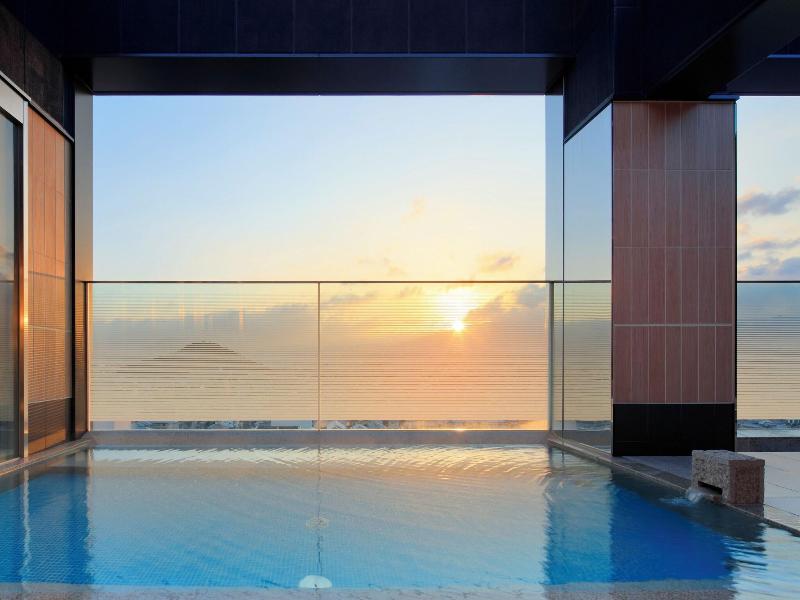
Hotels are modern, well priced and close to the railway. One is a minute from Kashiharajingu-mae station and has its own onsen; another has a sauna; a third is a few minutes’ walk from Yamato-Yagi station. Stay here to see a side of the region most visitors miss, or as a staging post on the way to Yoshino.
Hotels to look at in Kashihara and Asuka

Yoshino


- Ryokan
- Cherry blossom
- Walking
A mountain village of temples and inns, buried in blossom each spring.
Mount Yoshino is Japan’s most celebrated cherry-blossom spot: a long ridge in the south of the region, its slopes planted with thousands upon thousands of trees that flower in waves from the bottom to the top. A single village street runs along the crest, lined with temples, shrines, tofu shops and old inns, and the surrounding mountains are part of the Kii range’s sacred pilgrimage routes.
You come to Yoshino to stay in a ryokan. Expect tatami floors, futons, dinner served course by course and, in the best of them, a garden to gaze at from the bath. Blossom season is busy and books up early; the rest of the year the mountain is wonderfully still, with autumn colour its second act. It is a trip in its own right, not a commute from Nara city.
Hotels to look at in Yoshino

Which area?
One night, first visit: Nara Park or Naramachi, so you can walk everywhere and see the temples early. Watching the budget or using Nara as a base for day trips: by the stations. A second or third visit: head west to Horyu-ji, south to Asuka, or up to Yoshino for a night in a ryokan.
Getting there and around
Nara is an easy train ride from both Kyoto and Osaka, under an hour from either. Kintetsu trains arrive closest to the park; JR trains arrive at JR Nara, a longer walk or a short bus ride away. The central sights are all walkable. Horyu-ji, Kashihara and Yoshino are reached by local train from the city.
Sorted where to stay? Now plan the days. Read our guide: The best things to do in Nara →
Questions about where to stay in Nara
- What is the best area to stay in Nara?
- The edge of Nara Park, for walking access to Todai-ji, Kofuku-ji and Kasuga Taisha and the chance to see them early and late without crowds. Naramachi, the old merchant quarter just south of the park, is the most atmospheric alternative, and the streets around the stations have the best-value hotels.
- Is it worth staying overnight in Nara?
- Yes. Most visitors come on a day trip from Kyoto or Osaka, so the park and temples are far quieter in the early morning and evening. Staying also gives you time for Naramachi and for the temples further out, such as Horyu-ji.
- Is it better to stay near JR Nara or Kintetsu Nara station?
- Kintetsu Nara is closer to Nara Park and the main temples. JR Nara is further west but has a wider choice of modern, well-priced hotels and is convenient if you are travelling on a Japan Rail pass. The two are linked by the main shopping street.
- Where can I stay in a ryokan in Nara?
- There are traditional ryokan beside Nara Park, including some in the forest on its eastern edge. For a full mountain-inn experience, stay in Yoshino, in the south of the region, where ryokan line the ridge-top village.
More where to stay guides
- Where to stay in Majorca
- Where to stay in Malta
- Where to stay in Corfu
- Where to stay in Crete
- Where to stay in Sardinia
- Where to stay in Paris
- Where to stay in Rome
- Where to stay in Tenerife
- Where to stay in Sicily
- Where to stay in Gran Canaria
- Where to stay in Lanzarote
- Where to stay in Amsterdam
- Where to stay on Lake Garda
- Where to stay in Tokyo
- Where to stay in Rhodes
- Where to stay in Menorca
- Where to stay in Lisbon
- Where to stay in Barcelona
- Where to stay in Kefalonia
- Where to stay in Phuket
- Where to stay in Fuerteventura
- Where to stay in Bali
- Where to stay in Krakow
- Where to stay in Porto
- Where to stay in Bangkok
- Where to stay on Lake Como
- Where to stay in Madeira
- Where to stay in the Algarve
- Where to stay in Budapest
- Where to stay in New York
- Where to stay in Santorini
- Where to stay in Prague
- Where to stay in Seville
- Where to stay in Berlin
- Where to stay in London
- Where to stay in Marrakech
- Where to stay in Venice
- Where to stay on the Amalfi Coast
- Where to stay in Koh Samui
- Where to stay in Puglia
- Where to stay in Madrid
- Where to stay in Milan
- Where to stay in Cyprus
- Where to stay in Ibiza
- Where to stay in Thailand
- Where to stay in Vienna
- Where to stay in Croatia
- Where to stay in Dubrovnik
- Where to stay in Naples
- Where to stay in Dublin
- Where to stay in Edinburgh
- Where to stay in Istanbul
- Where to stay in Montenegro
- Where to stay in Copenhagen
- Where to stay in Kyoto
- Where to stay in Athens
- Where to stay in Osaka
- Where to stay in Valencia
- Where to stay in Albania
- Where to stay in Krabi
- Where to stay in Seoul
- Where to stay in York
- Where to stay in Stockholm
- Where to stay in Chiang Mai
- Where to stay in Hanoi
- Where to stay in Bologna
- Where to stay in Brussels
- Where to stay in Beijing
- Where to stay in Bordeaux
- Where to stay in Bucharest
- Where to stay in Busan
- Where to stay in Kuala Lumpur
- Where to stay in Liverpool
- Where to stay in Marseille
- Where to stay in Mexico City
- Where to stay in Munich
- Where to stay in Oslo
- Where to stay in Portugal
- Where to stay in Shanghai
- Where to stay in Verona
- Where to stay in Brighton
- Where to stay in Bruges
- Where to stay in Cairo
- Where to stay in Cambridge
- Where to stay in Chester
- Where to stay in Goa
- Where to stay in Manchester
- Where to stay in Okinawa
- Where to stay in Oxford
- Where to stay in Switzerland
- Where to stay in Bristol
- Where to stay in Buenos Aires
- Where to stay in Gdansk
- Where to stay in Geneva
- Where to stay in Granada
- Where to stay in Greece
- Where to stay in Hiroshima
- Where to stay in Inverness
- Where to stay in Lyon
- Where to stay in Salzburg
- Where to stay in Zurich
- Where to stay in Agadir
- Where to stay in Blackpool
- Where to stay in Cologne
- Where to stay in Italy
- Where to stay in Lille
- Where to stay in Melbourne
- Where to stay in Montreal
- Where to stay in Penang
- Where to stay in Pisa
- Where to stay in Rio de Janeiro
- Where to stay in Taipei
- Where to stay in Tirana
- Where to stay in Warsaw
- Where to stay in Cebu
- Where to stay in Doha
- Where to stay in Hamburg
- Where to stay in Jeju
- Where to stay in Mumbai
- Where to stay in San Diego
- Where to stay in Birmingham
- Where to stay in Brisbane
- Where to stay in Delhi
- Where to stay in Ireland
- Where to stay in Strasbourg
- Where to stay in Auckland
- Where to stay in Austin
- Where to stay in Dallas
- Where to stay in the Florida Keys
- Where to stay in Frankfurt
- Where to stay in Rotterdam
- Where to stay in Seattle
- Where to stay in Zagreb
- Where to stay in Antwerp
- Where to stay in Calgary
- Where to stay in Cartagena
- Where to stay in Christchurch
- Where to stay in France
- Where to stay in Fukuoka
- Where to stay on the Gold Coast
- Where to stay in Ho Chi Minh City
- Where to stay in Houston
- Where to stay in Innsbruck
- Where to stay in Jaipur
- Where to stay in Lucerne
- Where to stay in Puerto Rico
- Where to stay in Sofia
- Where to stay in Spain
- Where to stay in Atlanta
- Where to stay in Dusseldorf
- Where to stay in Fort Lauderdale
- Where to stay in Memphis
- Where to stay in Pattaya
- Where to stay in Philadelphia
- Where to stay in Queenstown
- Where to stay in South Korea
- Where to stay in Denver
- Where to stay in Niagara Falls
- Where to stay in Nuremberg
- Where to stay in Lake Tahoe
- Where to stay in Palm Springs
- Where to stay in Phoenix
- Where to stay in Germany
- Where to stay in Salt Lake City
- Where to stay in San Antonio
- Where to stay in Savannah
- Where to stay in Charlotte
- Where to stay in Minneapolis
- Where to stay in Myrtle Beach
- Where to stay in Pittsburgh
- Where to stay in Abu Dhabi
- Where to stay in Antalya
- Where to stay in Antigua
- Where to stay in Australia
- Where to stay in Ayia Napa
- Where to stay in the Bahamas
- Where to stay in the Balearic Islands
- Where to stay in Barbados
- Where to stay in Benidorm
- Where to stay in Bodrum
- Where to stay in Boston
- Where to stay in Canada
- Where to stay in the Canary Islands
- Where to stay in Cancun
- Where to stay in Cape Town
- Where to stay in the Caribbean
- Where to stay in Chicago
- Where to stay on the Costa Brava
- Where to stay on the Costa del Sol
- Where to stay in Costa Rica
- Where to stay near Dalaman
- Where to stay in the Dominican Republic
- Where to stay in Dubai
- Where to stay in Egypt
- Where to stay in Florence
- Where to stay in Florida
- Where to stay on the French Riviera
- Where to stay in the Greek islands
- Where to stay in Halkidiki
- Where to stay in Hawaii
- Where to stay in Hong Kong
- Where to stay in Hurghada
- Where to stay in Iceland
- Where to stay in Jamaica
- Where to stay in Japan
- Where to stay in Kenya
- Where to stay in Kos
- Where to stay in Las Vegas
- Where to stay in Los Angeles
- Where to stay in Málaga
- Where to stay in the Maldives
- Where to stay in Marbella
- Where to stay in Marmaris
- Where to stay in Mauritius
- Where to stay in Mexico
- Where to stay in Miami
- Where to stay in Morocco
- Where to stay in Mykonos
- Where to stay in Nashville
- Where to stay in New Orleans
- Where to stay in New Zealand
- Where to stay in Nice
- Where to stay in Norway
- Where to stay in Oman
- Where to stay in Orlando
- Where to stay in Paphos
- Where to stay in Perth
- Where to stay in Provence
- Where to stay in Punta Cana
- Where to stay in Reykjavik
- Where to stay in Salou
- Where to stay in San Francisco
- Where to stay in the Seychelles
- Where to stay in Sharm el Sheikh
- Where to stay in Singapore
- Where to stay in Skiathos
- Where to stay in Sorrento
- Where to stay in Split
- Where to stay in Sri Lanka
- Where to stay in St Lucia
- Where to stay in the Swiss Alps
- Where to stay in Sydney
- Where to stay in Toronto
- Where to stay in Tunisia
- Where to stay in Turkey
- Where to stay in Tuscany
- Where to stay in Vancouver
- Where to stay in Vietnam
- Where to stay in Washington DC
- Where to stay in Zante
- Where to stay in Zanzibar
- Where to stay in Zermatt