
No city has a setting like Rio. Granite peaks rise straight out of the streets, rainforest spills down between the tower blocks, and the whole thing is edged with some of the most famous sand on the planet. Christ the Redeemer watches from one mountain, cable cars swing up Sugarloaf on another, and down below the Cariocas get on with the serious business of the beach.
Most visitors stay in the Zona Sul, the southern beach districts, and the choice between them shapes the trip. Copacabana is the classic: big, busy and good value. Ipanema and Leblon are smarter and more fashionable. Barra da Tijuca, further west, has space, modern resorts and a much longer beach. And up in the hills, Santa Teresa swaps the sea for cobbles, views and bohemian charm.
The short answer

Best for first-timers
Copacabana
The great crescent beach, the widest choice of hotels and the metro on hand for everything else.

Best for couples
Ipanema
Sunset behind the Two Brothers peaks, rooftop pools and the best restaurants in the city.
Best for families
Barra da Tijuca
Resort pools, wide pavements and miles of beach with room to breathe.

Best for nightlife
Santa Teresa, Lapa and the centre
Hilltop bars above, and the samba clubs and street parties of Lapa at the bottom of the hill.

Best for a quieter beach
Leme
The calm, local end of Copacabana's sands, tucked under a green headland.

Best for luxury
Leblon and São Conrado
The most exclusive postcode in Rio, with design hotels right on the sand.
Rio de Janeiro areas at a glance
| Area | Best for | What it's like | Hotels |
|---|---|---|---|
| Copacabana | First-timers, Beach, Value | Four kilometres of legendary sand and a hotel for every budget. | Hotels: 4 picked |
| Leme | Quiet, Families, Beach | Copacabana with the volume turned down. | Hotels: 3 picked |
| Ipanema | Couples, Food, Style | The beach that launched a song, and the smartest stretch of sand in the city. | Hotels: 4 picked |
| Leblon and São Conrado | Luxury, Quiet, Families | Old money, calm streets and a modernist landmark by the sea. | Hotels: 4 picked |
| Barra da Tijuca | Families, Resorts, Space | The modern west: a vast beach, big pools and shopping malls. | Hotels: 4 picked |
| Santa Teresa, Lapa and the centre | Nightlife, Character, Views | Faded mansions on a hilltop, samba in the streets below. | Hotels: 4 picked |
| Botafogo | Value, Bars, Transport | A local, lively base with the postcard view of Sugarloaf. | Hotels: 3 picked |
| Petrópolis and the mountains | Cooler air, History, Countryside | The emperors' summer retreat, an hour or so up into the hills. | Hotels: 51 |
Copacabana


- First-timers
- Beach
- Value
Four kilometres of legendary sand and a hotel for every budget.
Copacabana needs no introduction, and it still delivers. The beach curves for four kilometres between two headlands, backed by the wave-patterned mosaic promenade of Avenida Atlântica and a solid wall of apartment blocks. On the sand it's football, volleyball, caipirinha kiosks and vendors selling everything from grilled cheese to bikinis.
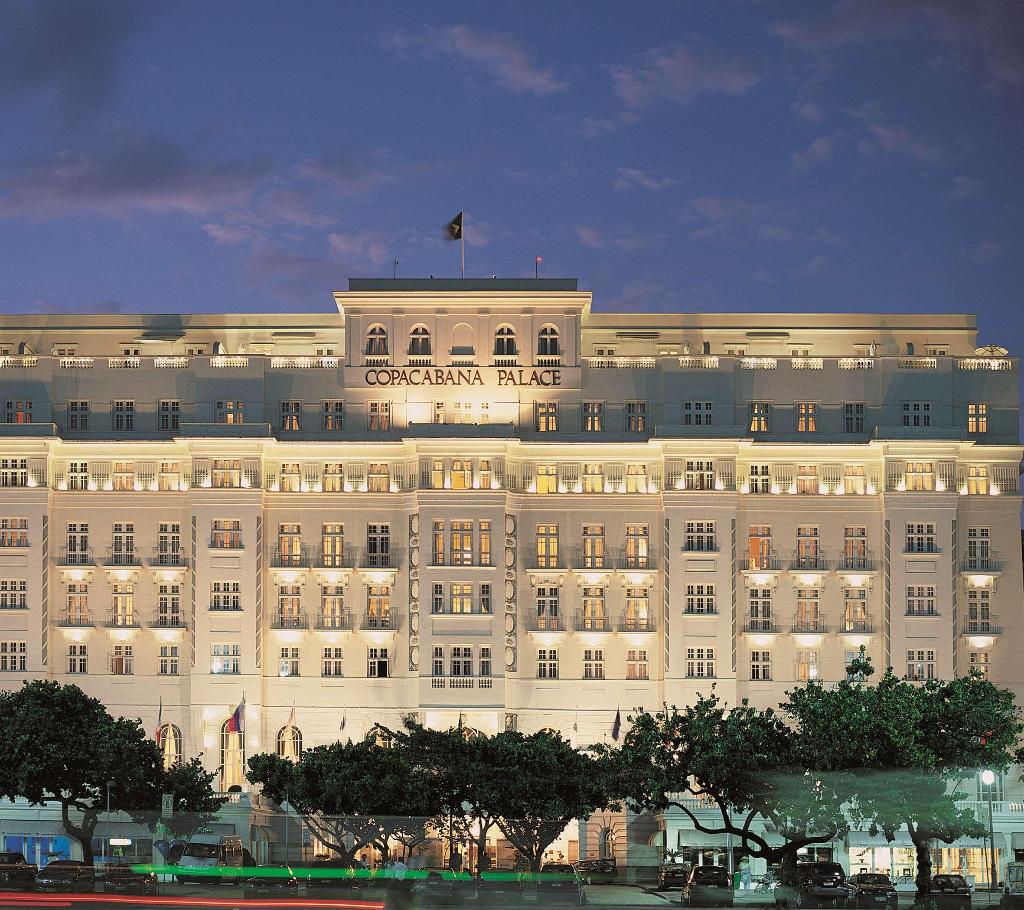
There are more hotels here than anywhere else in Rio, and the range is huge. At the top is a white 1920s palace that has been putting up film stars and royalty for a century, joined by newer seafront five-stars with infinity pools and rooftop bars. A block or two back, prices drop sharply. The streets are busy and a bit scruffy, but the metro runs right through, putting Ipanema, the centre and Sugarloaf minutes away.
Hotels to look at in Copacabana
★★★★★
Copacabana Palace, A Belmond Hotel, Rio de Janeiro
Beach 100 m · Spa · Pool
See prices and rooms →

★★★★
Mercure Rio Boutique Copacabana
Beach 10 m
See prices and rooms →

★★★★★
Fairmont Rio de Janeiro Copacabana
Beach 10 m · Spa · Pool
See prices and rooms →

★★★★
Windsor California Copacabana Hotel
Beach 150 m · Pool
See prices and rooms →
Leme


- Quiet
- Families
- Beach
Copacabana with the volume turned down.
Leme is the northern tip of Copacabana beach, a small residential pocket under a forested rock. It shares the same sand and the same promenade, but through-traffic stops here, so the pace is gentler: families, older residents walking small dogs, fishermen on the rocks at the end of the bay.
Hotels along the front have rooftop pools with a view down the entire sweep of Copacabana, and there are good, long-established places a few steps from the sand. Sugarloaf is only a couple of kilometres away. Choose Leme if you like the idea of Copacabana but would rather sleep somewhere calmer.
Hotels to look at in Leme


Ipanema


- Couples
- Food
- Style
The beach that launched a song, and the smartest stretch of sand in the city.
Ipanema is Copacabana’s cooler younger sister. The beach is just as beautiful, framed at its western end by the twin peaks of Dois Irmãos, and the crowd sorts itself along the lifeguard posts by tribe: surfers here, families there, the fashionable set around Posto 9. Everyone stops to applaud the sunset.
Behind the sand are leafy streets of boutiques, juice bars, galleries and many of Rio’s best restaurants, and the bar named after the famous bossa nova song. Seafront hotels here are some of the most desirable in Brazil, with rooftop infinity pools gazing along the bay; there are simpler, friendly options on the beach road too. It feels safer and more polished than Copacabana, and costs more.
Hotels to look at in Ipanema
★★★★★
Fasano Rio De Janeiro
Spa · Pool · Parking
See prices and rooms →

★★★★★
Sofitel Rio de Janeiro Ipanema
Spa · Pool · Parking
See prices and rooms →

★★★★
Sol Ipanema Hotel
Beach 10 m · All-inclusive option · Pool
See prices and rooms →

★★★★
B&B Hotel Rio de Janeiro Copacabana Forte
Beach 300 m · All-inclusive option · Pool
See prices and rooms →
Leblon and São Conrado


- Luxury
- Quiet
- Families
Old money, calm streets and a modernist landmark by the sea.
Carry on west along the same beach and Ipanema becomes Leblon, Rio's most expensive neighbourhood. It is residential and relaxed, with excellent restaurants, a family-friendly stretch of sand and a low-key design hotel that sits practically on the beach, looking out to the Cagarras islands.
Round the headland is São Conrado, a small bay beneath the great rock of Pedra da Gávea, where hang-gliders land on the sand. Two large hotels dominate it: a cylindrical tower by Oscar Niemeyer with gardens by Burle Marx, and a modern beachfront hotel next to an upmarket shopping mall. Both give you resort space within reach of Ipanema.
Hotels to look at in Leblon and São Conrado


Barra da Tijuca


- Families
- Resorts
- Space
The modern west: a vast beach, big pools and shopping malls.
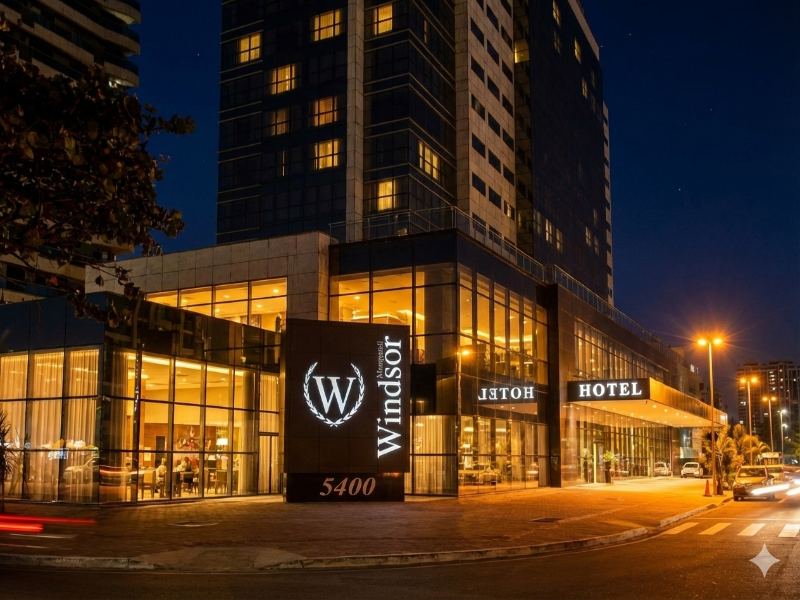
Barra da Tijuca is a different Rio altogether. Built late and built for the car, it has wide avenues, gated towers, giant malls and the longest beach in the city, cleaner and far emptier than Copacabana, with good surf and kiosks all the way along. The Olympic Park is here, as are the big arenas and convention centres.
Hotels are newer and roomier than in the Zona Sul, and you get more for your money: beachfront five-stars, resorts with several pools, and rooftop decks overlooking the lagoon. It suits families and anyone who wants a resort feel. The catch is distance. The metro reaches the eastern end, but Sugarloaf and the city centre are a long ride, so expect to spend time in traffic.
Hotels to look at in Barra da Tijuca
★★★★★
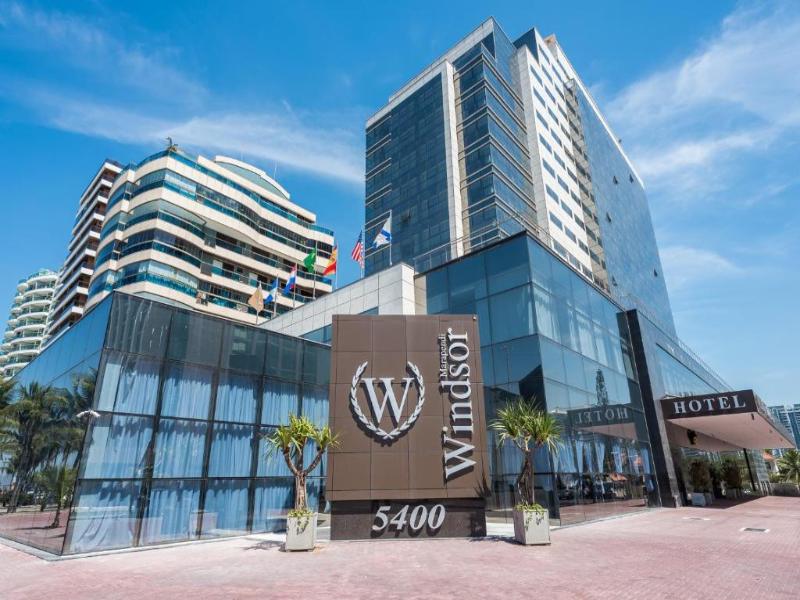
Windsor Marapendi Hotel
Rooftop pool · Pets allowed · Parking
See prices and rooms →

★★★★★
Hilton Barra Rio de Janeiro Hotel
All-inclusive option · Pool · Family-friendly
See prices and rooms →

★★★★
Laghetto Stilo Barra
Beach 50 m · All-inclusive option · Pool
See prices and rooms →

★★★★
Wyndham Rio de Janeiro Barra Resort
Beach 10 m · All-inclusive option · Spa
See prices and rooms →
Santa Teresa, Lapa and the centre


- Nightlife
- Character
- Views
Faded mansions on a hilltop, samba in the streets below.
Santa Teresa perches on a hill above the city centre, a tangle of cobbled lanes, old yellow trams, artists’ studios and nineteenth-century villas in various states of romantic decay. Its two outstanding hotels are both in historic properties, with lush greenery, a touch of old-world glamour and views across the rooftops to Guanabara Bay and Sugarloaf.
At the foot of the hill is Lapa, the heart of Rio’s nightlife, where samba clubs and bars spill out under the white arches of the old aqueduct; one hotel here is a restored mansion themed around samba and bossa nova. Beyond lies the business centre, with its museums, churches and the domestic airport. There is no beach, and you will need taxis at night, but for music and atmosphere this is the place.
Hotels to look at in Santa Teresa, Lapa and the centre
★★★★★
St Teresa Hotel Rio de Janeiro-MGallery Collection
Spa · Pool · 43 rooms
See prices and rooms →

★★★★★
Vila Santa Teresa
Adults only · Spa · Pool
See prices and rooms →

★★★★
Vila Gale Rio de Janeiro
Spa · Pool · Parking
See prices and rooms →

★★★★
Novotel Rj Santos Dumont
Beach 10 m · All-inclusive option · Parking
See prices and rooms →
Botafogo


- Value
- Bars
- Transport
A local, lively base with the postcard view of Sugarloaf.
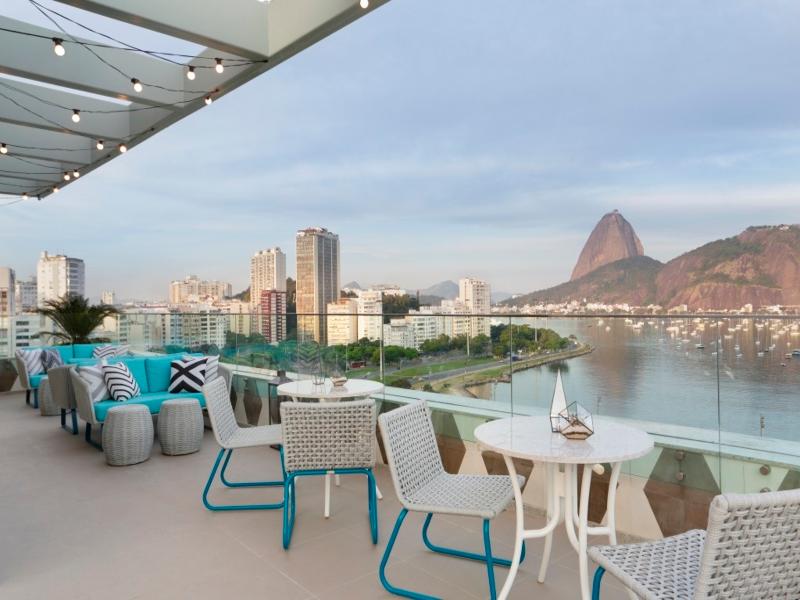
Botafogo curls around a yacht-filled bay between the centre and Copacabana, with Sugarloaf rising directly across the water. The beach is for looking at rather than swimming from, but the neighbourhood has become one of the best in Rio for bars and casual restaurants, and it is cheaper than the oceanfront districts. Modern hotels sit close to the metro, with Copacabana, Ipanema and the domestic airport all about 15 minutes away.
Hotels to look at in Botafogo


Petrópolis and the mountains


- Cooler air
- History
- Countryside
The emperors' summer retreat, an hour or so up into the hills.
When Rio gets too hot, do as Brazil's emperors did and head for the mountains. Petrópolis, in the forested Serra dos Órgãos north of the city, was the imperial summer capital, and its palace is now a museum. The air is cooler, the streets are lined with nineteenth-century mansions and the surrounding valleys are known for country inns and good restaurants.
Stay in a grand old hotel in the historic centre, or at a pousada or eco-hotel out in the Atlantic rainforest, with pools, saunas and mountain views. Neighbouring Teresópolis, on the edge of a national park, has rustic retreats with hiking trails. Two nights makes a refreshing break from the beach.
Hotels to look at in Petropolis


Which beach?
Copacabana has the most hotels and the best prices. Ipanema and Leblon are prettier, calmer and dearer. Leme is the quiet end of Copacabana. Barra is for resort-style stays with children. If beaches are not the priority, look at Santa Teresa for character or Botafogo for value.
Getting around
International flights arrive at Galeão airport, in the north of the city; domestic flights mostly use Santos Dumont, right by the centre. The metro is clean and simple, running from the centre through Botafogo, Copacabana, Ipanema and Leblon to the edge of Barra. After dark, take a taxi or a ride-hailing car rather than walking, even for short distances.
Sorted where to stay? Now plan the days. Read our guide: The best things to do in Rio de Janeiro →
See live prices in Rio de Janeiro →
Questions about where to stay in Rio de Janeiro
- What is the best area to stay in Rio de Janeiro?
- For most visitors, Copacabana or Ipanema. Copacabana has the greatest choice of hotels and good transport; Ipanema is smarter, with better restaurants and a more relaxed feel. Both are on the metro and close to Sugarloaf and Christ the Redeemer.
- Is Copacabana or Ipanema better?
- Copacabana is bigger, busier and cheaper, with a long history and a huge range of hotels. Ipanema is more fashionable and a little calmer, with a prettier setting and higher prices. They are next to each other, so you can easily enjoy both.
- Where should families stay in Rio de Janeiro?
- Barra da Tijuca suits families who want resort hotels with big pools and a wide, uncrowded beach. Leblon and Leme are good choices for families who would rather be in the main beach districts but away from the crowds.
- Where is the nightlife in Rio de Janeiro?
- Lapa, near the city centre, is the home of samba clubs and street parties. Botafogo has the best bar scene, and Ipanema and Leblon have smart restaurants and cocktail bars. Santa Teresa has atmospheric hilltop bars a short taxi ride from Lapa.
- Which part of Rio is quietest?
- Leme and Leblon are the calmest of the main beach neighbourhoods. São Conrado is quieter still, and Santa Teresa, up in the hills, feels like a village.
More where to stay guides
- Where to stay in Majorca
- Where to stay in Malta
- Where to stay in Corfu
- Where to stay in Crete
- Where to stay in Sardinia
- Where to stay in Paris
- Where to stay in Rome
- Where to stay in Tenerife
- Where to stay in Sicily
- Where to stay in Gran Canaria
- Where to stay in Lanzarote
- Where to stay in Amsterdam
- Where to stay on Lake Garda
- Where to stay in Tokyo
- Where to stay in Rhodes
- Where to stay in Menorca
- Where to stay in Lisbon
- Where to stay in Barcelona
- Where to stay in Kefalonia
- Where to stay in Phuket
- Where to stay in Fuerteventura
- Where to stay in Bali
- Where to stay in Krakow
- Where to stay in Porto
- Where to stay in Bangkok
- Where to stay on Lake Como
- Where to stay in Madeira
- Where to stay in the Algarve
- Where to stay in Budapest
- Where to stay in New York
- Where to stay in Santorini
- Where to stay in Prague
- Where to stay in Seville
- Where to stay in Berlin
- Where to stay in London
- Where to stay in Marrakech
- Where to stay in Venice
- Where to stay on the Amalfi Coast
- Where to stay in Koh Samui
- Where to stay in Puglia
- Where to stay in Madrid
- Where to stay in Milan
- Where to stay in Cyprus
- Where to stay in Ibiza
- Where to stay in Thailand
- Where to stay in Vienna
- Where to stay in Croatia
- Where to stay in Dubrovnik
- Where to stay in Naples
- Where to stay in Dublin
- Where to stay in Edinburgh
- Where to stay in Istanbul
- Where to stay in Montenegro
- Where to stay in Copenhagen
- Where to stay in Kyoto
- Where to stay in Athens
- Where to stay in Osaka
- Where to stay in Valencia
- Where to stay in Albania
- Where to stay in Krabi
- Where to stay in Seoul
- Where to stay in York
- Where to stay in Stockholm
- Where to stay in Chiang Mai
- Where to stay in Hanoi
- Where to stay in Bologna
- Where to stay in Brussels
- Where to stay in Beijing
- Where to stay in Bordeaux
- Where to stay in Bucharest
- Where to stay in Busan
- Where to stay in Kuala Lumpur
- Where to stay in Liverpool
- Where to stay in Marseille
- Where to stay in Mexico City
- Where to stay in Munich
- Where to stay in Oslo
- Where to stay in Portugal
- Where to stay in Shanghai
- Where to stay in Verona
- Where to stay in Brighton
- Where to stay in Bruges
- Where to stay in Cairo
- Where to stay in Cambridge
- Where to stay in Chester
- Where to stay in Goa
- Where to stay in Manchester
- Where to stay in Okinawa
- Where to stay in Oxford
- Where to stay in Switzerland
- Where to stay in Bristol
- Where to stay in Buenos Aires
- Where to stay in Gdansk
- Where to stay in Geneva
- Where to stay in Granada
- Where to stay in Greece
- Where to stay in Hiroshima
- Where to stay in Inverness
- Where to stay in Lyon
- Where to stay in Salzburg
- Where to stay in Zurich
- Where to stay in Agadir
- Where to stay in Blackpool
- Where to stay in Cologne
- Where to stay in Italy
- Where to stay in Lille
- Where to stay in Melbourne
- Where to stay in Montreal
- Where to stay in Penang
- Where to stay in Pisa
- Where to stay in Taipei
- Where to stay in Tirana
- Where to stay in Warsaw
- Where to stay in Cebu
- Where to stay in Doha
- Where to stay in Hamburg
- Where to stay in Jeju
- Where to stay in Mumbai
- Where to stay in San Diego
- Where to stay in Birmingham
- Where to stay in Brisbane
- Where to stay in Delhi
- Where to stay in Ireland
- Where to stay in Strasbourg
- Where to stay in Auckland
- Where to stay in Austin
- Where to stay in Dallas
- Where to stay in the Florida Keys
- Where to stay in Frankfurt
- Where to stay in Rotterdam
- Where to stay in Seattle
- Where to stay in Zagreb
- Where to stay in Antwerp
- Where to stay in Calgary
- Where to stay in Cartagena
- Where to stay in Christchurch
- Where to stay in France
- Where to stay in Fukuoka
- Where to stay on the Gold Coast
- Where to stay in Ho Chi Minh City
- Where to stay in Houston
- Where to stay in Innsbruck
- Where to stay in Jaipur
- Where to stay in Lucerne
- Where to stay in Puerto Rico
- Where to stay in Sofia
- Where to stay in Spain
- Where to stay in Atlanta
- Where to stay in Dusseldorf
- Where to stay in Fort Lauderdale
- Where to stay in Memphis
- Where to stay in Pattaya
- Where to stay in Philadelphia
- Where to stay in Queenstown
- Where to stay in South Korea
- Where to stay in Denver
- Where to stay in Niagara Falls
- Where to stay in Nuremberg
- Where to stay in Lake Tahoe
- Where to stay in Palm Springs
- Where to stay in Phoenix
- Where to stay in Germany
- Where to stay in Nara
- Where to stay in Salt Lake City
- Where to stay in San Antonio
- Where to stay in Savannah
- Where to stay in Charlotte
- Where to stay in Minneapolis
- Where to stay in Myrtle Beach
- Where to stay in Pittsburgh
- Where to stay in Abu Dhabi
- Where to stay in Antalya
- Where to stay in Antigua
- Where to stay in Australia
- Where to stay in Ayia Napa
- Where to stay in the Bahamas
- Where to stay in the Balearic Islands
- Where to stay in Barbados
- Where to stay in Benidorm
- Where to stay in Bodrum
- Where to stay in Boston
- Where to stay in Canada
- Where to stay in the Canary Islands
- Where to stay in Cancun
- Where to stay in Cape Town
- Where to stay in the Caribbean
- Where to stay in Chicago
- Where to stay on the Costa Brava
- Where to stay on the Costa del Sol
- Where to stay in Costa Rica
- Where to stay near Dalaman
- Where to stay in the Dominican Republic
- Where to stay in Dubai
- Where to stay in Egypt
- Where to stay in Florence
- Where to stay in Florida
- Where to stay on the French Riviera
- Where to stay in the Greek islands
- Where to stay in Halkidiki
- Where to stay in Hawaii
- Where to stay in Hong Kong
- Where to stay in Hurghada
- Where to stay in Iceland
- Where to stay in Jamaica
- Where to stay in Japan
- Where to stay in Kenya
- Where to stay in Kos
- Where to stay in Las Vegas
- Where to stay in Los Angeles
- Where to stay in Málaga
- Where to stay in the Maldives
- Where to stay in Marbella
- Where to stay in Marmaris
- Where to stay in Mauritius
- Where to stay in Mexico
- Where to stay in Miami
- Where to stay in Morocco
- Where to stay in Mykonos
- Where to stay in Nashville
- Where to stay in New Orleans
- Where to stay in New Zealand
- Where to stay in Nice
- Where to stay in Norway
- Where to stay in Oman
- Where to stay in Orlando
- Where to stay in Paphos
- Where to stay in Perth
- Where to stay in Provence
- Where to stay in Punta Cana
- Where to stay in Reykjavik
- Where to stay in Salou
- Where to stay in San Francisco
- Where to stay in the Seychelles
- Where to stay in Sharm el Sheikh
- Where to stay in Singapore
- Where to stay in Skiathos
- Where to stay in Sorrento
- Where to stay in Split
- Where to stay in Sri Lanka
- Where to stay in St Lucia
- Where to stay in the Swiss Alps
- Where to stay in Sydney
- Where to stay in Toronto
- Where to stay in Tunisia
- Where to stay in Turkey
- Where to stay in Tuscany
- Where to stay in Vancouver
- Where to stay in Vietnam
- Where to stay in Washington DC
- Where to stay in Zante
- Where to stay in Zanzibar
- Where to stay in Zermatt