
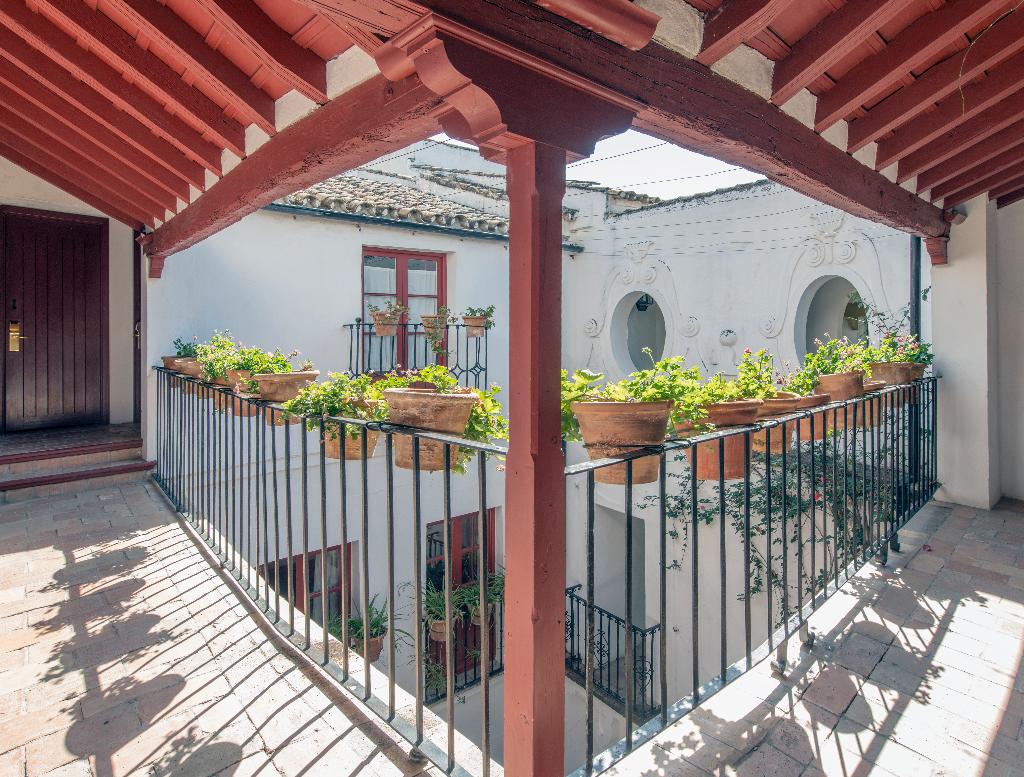
Seville is the Spain of every daydream: orange trees in the squares, horse-drawn carriages clopping past a colossal Gothic cathedral, flamenco spilling out of bars after midnight and, in spring, orange blossom so thick in the air it's almost a nuisance. It is also blisteringly hot in high summer, gloriously walkable the rest of the year, and in no hurry to do anything much before lunch.
The old town is one of the largest in Europe and almost entirely flat, so you can walk nearly everywhere; the real choice is atmosphere. Santa Cruz is the postcard; El Arenal is grand and central; the streets around the Setas and the Alameda are younger and buzzier; Triana, across the river, is proudly its own place; and the María Luisa Park area is leafy and calm.
The short answer
Best for first-timers
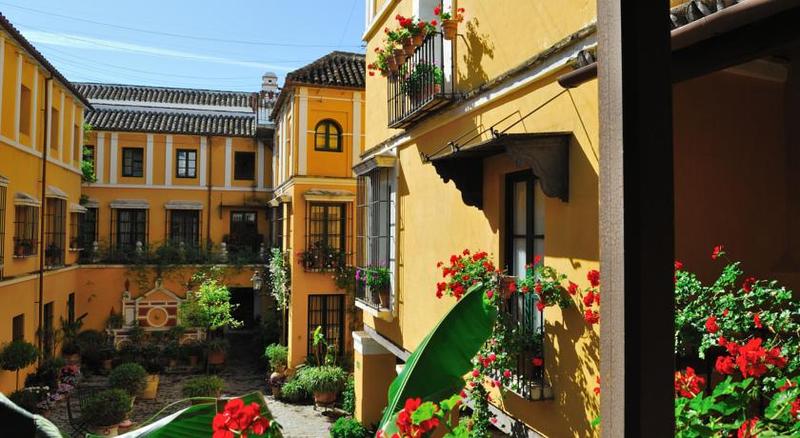
Santa Cruz and the Cathedral
Whitewashed lanes and orange-tree courtyards, with the Cathedral and the Alcázar at the end of the street.

Best for couples
El Arenal and Plaza Nueva
Old tapas bars, the bullring and the opera house, with sunset over the Guadalquivir a short stroll away.
Best for nightlife
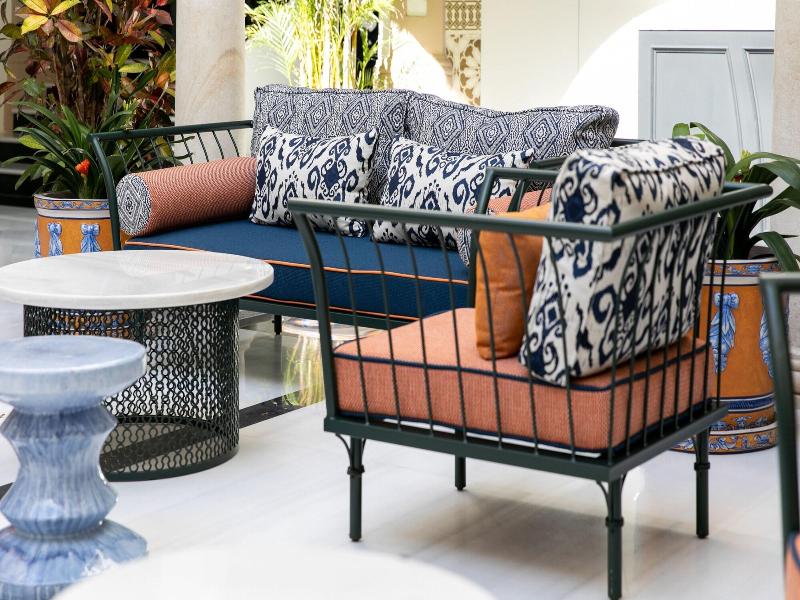
Alameda de Hércules and Macarena
A long, tree-lined square of terraces and bars that fills up the moment the heat breaks.
Best for local life
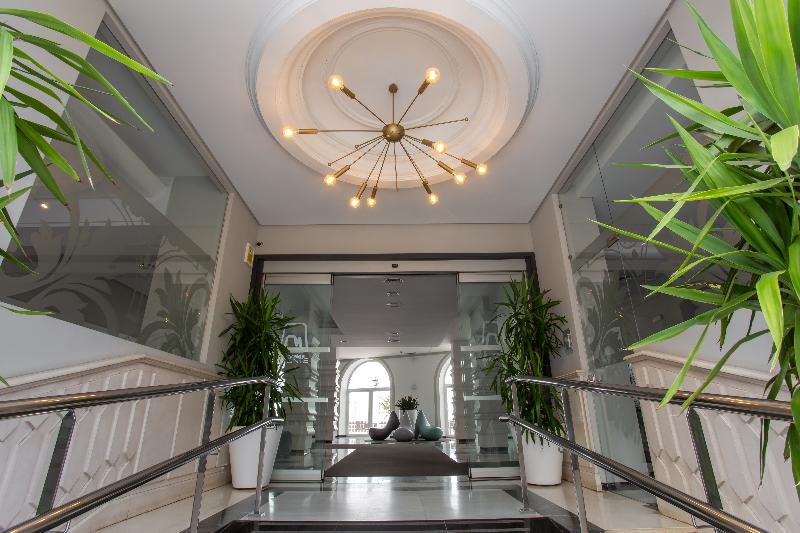
Triana
Tile workshops, flamenco bars and a market hall across the river, with the best views back at the old town.

Best for families
Parque de María Luisa and Plaza de España
Room to breathe: the Plaza de España, rowing boats on its canal and the shade of Seville’s great park.

Best for train travel
Nervión and Santa Justa
Steps from Santa Justa station, for high-speed trains to Madrid, Córdoba and beyond.
Seville areas at a glance
| Area | Best for | What it's like | Hotels |
|---|---|---|---|
| Santa Cruz and the Cathedral | First-timers, Couples, Sightseeing | The postcard: whitewashed lanes and orange trees in the shadow of the Giralda. | Hotels: 4 picked |
| El Arenal and Plaza Nueva | Couples, Central, Tapas | Between the Cathedral and the river: bullring, opera house and Seville’s grandest hotels. | Hotels: 4 picked |
| Encarnación and the Setas | Shopping, Food, Rooftops | Modern Seville: a giant timber parasol, rooftop pools and the city’s best shopping. | Hotels: 4 picked |
| Alameda de Hércules and Macarena | Nightlife, Local life, Boutique | Bohemian Seville: a long tree-lined square of bars, and the old walls of the Macarena. | Hotels: 3 picked |
| Triana | Local life, Flamenco, Views | Across the river and proud of it: ceramics, flamenco and the best view of the old town. | Hotels: 3 picked |
| Parque de María Luisa and Plaza de España | Families, Parks, Quiet | Leafy and grand: Seville’s great park, the Plaza de España and the legendary Alfonso XIII. | Hotels: 4 picked |
| Nervión and Santa Justa | Trains, Business, Football | Practical Seville: the high-speed station, big shopping centres and the Sevilla FC stadium. | Hotels: 4 picked |
Santa Cruz and the Cathedral
- First-timers
- Couples
- Sightseeing
The postcard: whitewashed lanes and orange trees in the shadow of the Giralda.
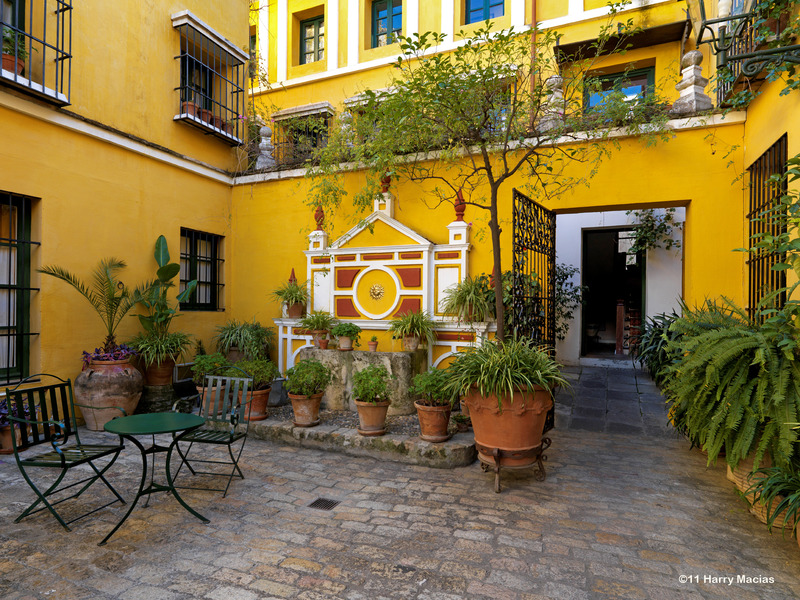
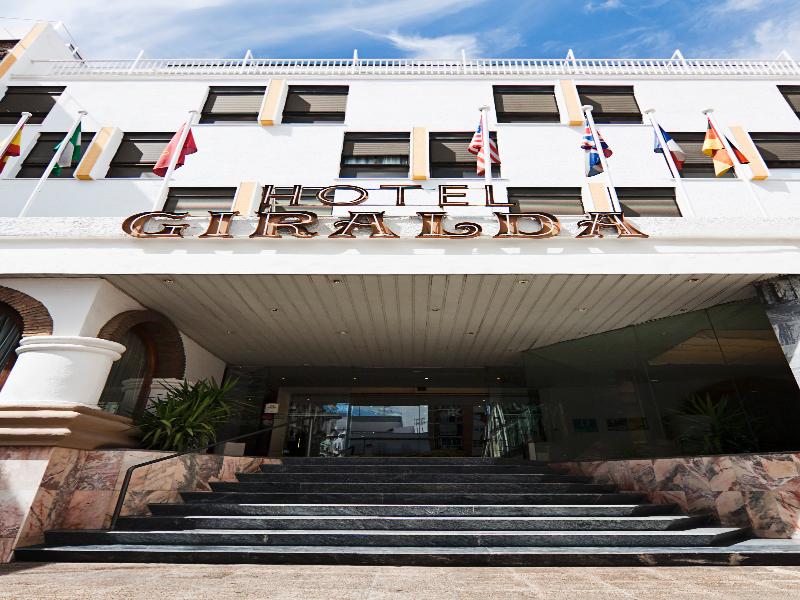
Seville's old Jewish quarter is a maze of whitewashed lanes barely wider than your outstretched arms, opening onto little plazas shaded by orange trees and bougainvillea. It wraps around the city's two headline sights: the Cathedral, the largest Gothic church in the world, with the Giralda, its former minaret, soaring above; and the Real Alcázar, a palace of tiled courtyards, fountains and gardens that has had a starring role in Game of Thrones.
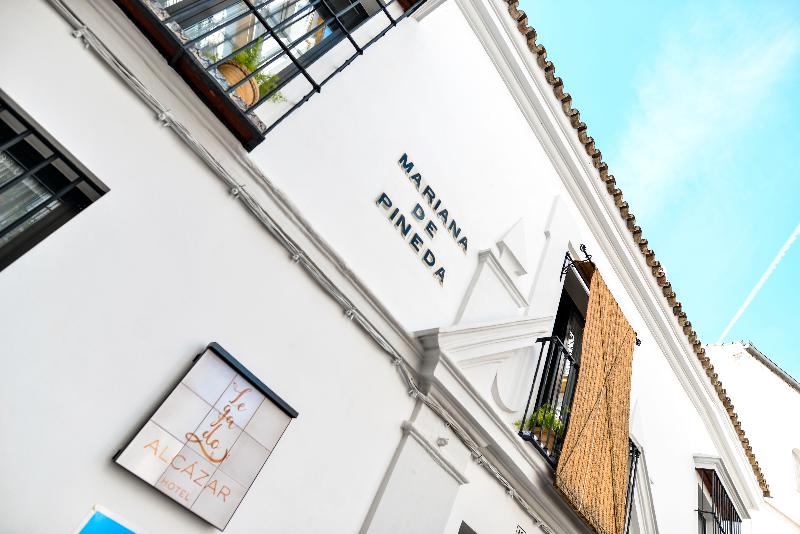
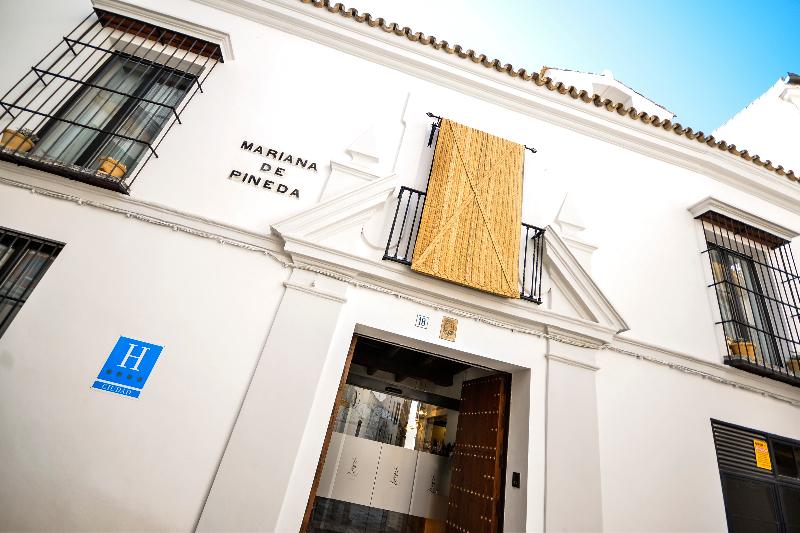
This is the most romantic place to stay and the handiest for sightseeing, with hotels in restored mansions built around tiled patios, some overlooking the Alcázar gardens, and one stitched together from more than two dozen centuries-old houses. The catch: the lanes are thronged with tour groups by day and taxis can't reach most front doors, so pack light.
Hotels to look at in Santa Cruz and the Cathedral
★★★★
Casas de la Juderia
Spa · Pool · Parking
See prices and rooms →
★★★★
Legado Alcazar
Adults only · 18 rooms
From £364 a night, taxes incl.2 adults · checked 1 Oct, 18:07
★★★★
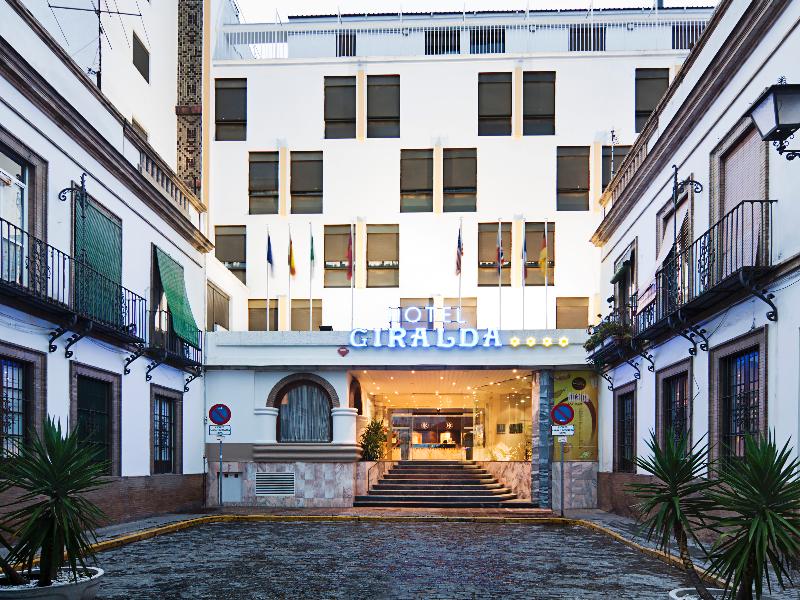
Catalonia Giralda
Pool · Pets allowed · Parking
See prices and rooms →
★★★★
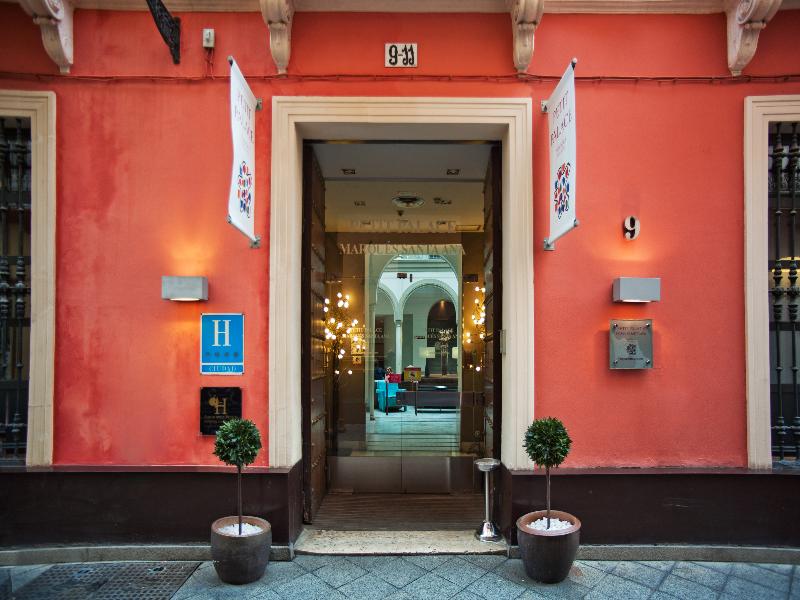
Petit Palace Marques Santa Ana
Pets allowed · Parking
From £303 a night, taxes incl.2 adults · checked 1 Oct, 18:07
El Arenal and Plaza Nueva


- Couples
- Central
- Tapas
Between the Cathedral and the river: bullring, opera house and Seville’s grandest hotels.
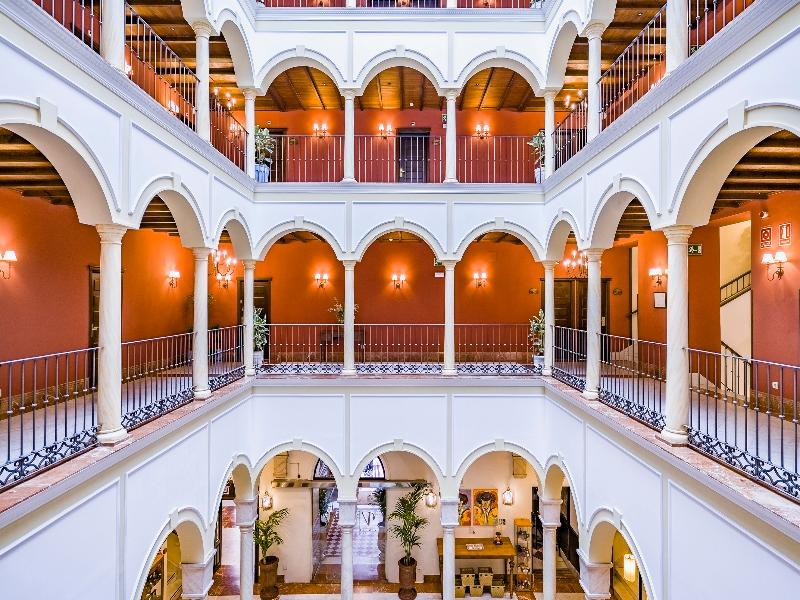
El Arenal was once the riverside port where the fleets from the Americas unloaded their treasure. Today it's the elegant slice of the centre between the Cathedral and the Guadalquivir, home to the Maestranza bullring, the opera house and the Torre del Oro, the 13th-century watchtower on the riverbank. Its narrow streets hide some of the best old-school tapas bars in the city.
Plaza Nueva, with the town hall on one side and the shopping streets around Sierpes close by, marks its northern edge. Hotels here are among the most storied in Seville, from a 19th-century classic on the square itself to an iconic five-star between the Cathedral and the bullring, plus quieter boutique addresses on the side streets. An evening stroll along the river is all but compulsory.
Hotels to look at in El Arenal and Plaza Nueva

Encarnación and the Setas


- Shopping
- Food
- Rooftops
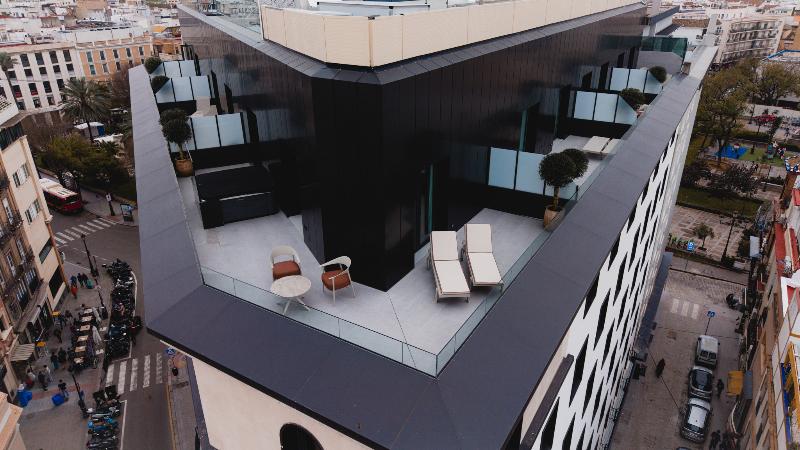
Modern Seville: a giant timber parasol, rooftop pools and the city’s best shopping.
The Metropol Parasol, a vast honeycomb of timber better known as Las Setas, "the mushrooms", rises over Plaza de la Encarnación as if it landed overnight. Beneath it there is a food market and a museum of Roman ruins; on top, a walkway with sweeping views across the rooftops to the Giralda.
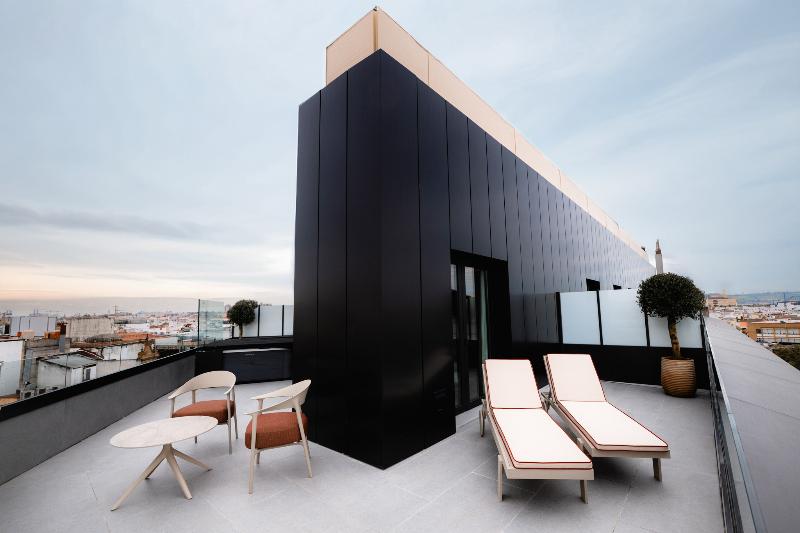
Around it lies the area some hotels call Seville's Soho: busy shopping streets such as Tetuán and Sierpes, the Renaissance palace of Casa de Pilatos a few streets east, and a cluster of design-led hotels with rooftop plunge pools for cooling off between sights. It's central and lively, and the Cathedral is still only about ten minutes away on foot.
Hotels to look at in Encarnación and the Setas

★★★★★
Unuk Hotel
34 rooms · Parking
See prices and rooms →

★★★★
Ocean Drive Sevilla
49 rooms · Pets allowed
From £277 a night, taxes incl.2 adults · checked 1 Oct, 18:07
★★★★
Sercotel Sevilla Don Luciano
Parking
See prices and rooms →

★★★★
Macia Sevilla Kubb
Pool · Parking
From £197 a night, taxes incl.2 adults · checked 1 Oct, 18:07
Alameda de Hércules and Macarena
- Nightlife
- Local life
- Boutique
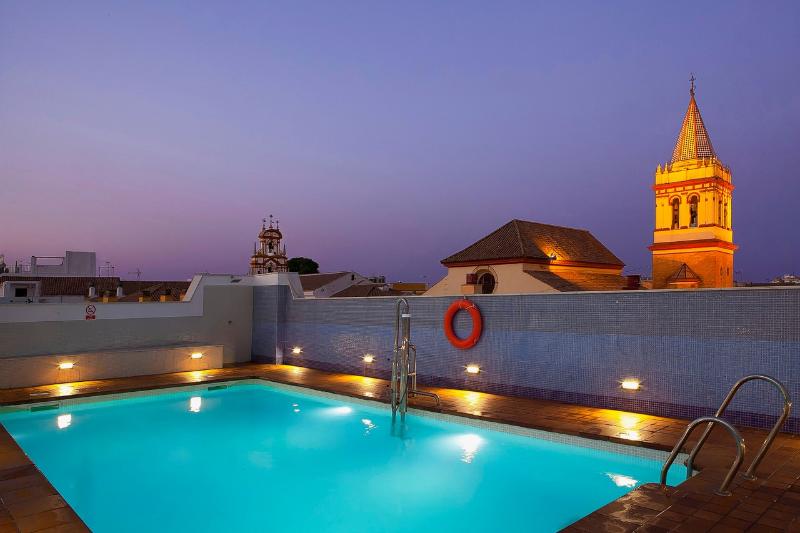
Bohemian Seville: a long tree-lined square of bars, and the old walls of the Macarena.
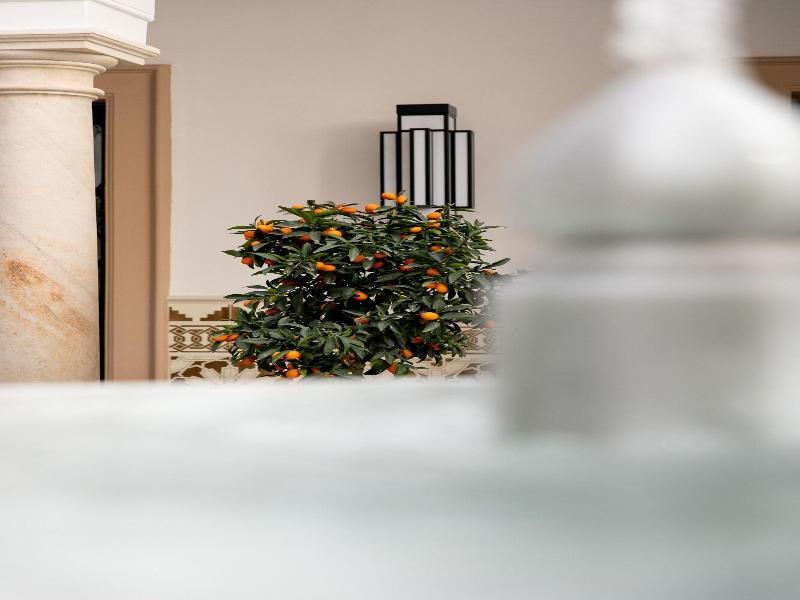
The Alameda de Hércules is a long, tree-lined promenade with a pair of Roman columns at one end, and it's where Seville's younger, more alternative crowd comes out to play. Terraces, cocktail bars and live music spill across it once the heat breaks, while children tear around the playgrounds and their parents order another round.
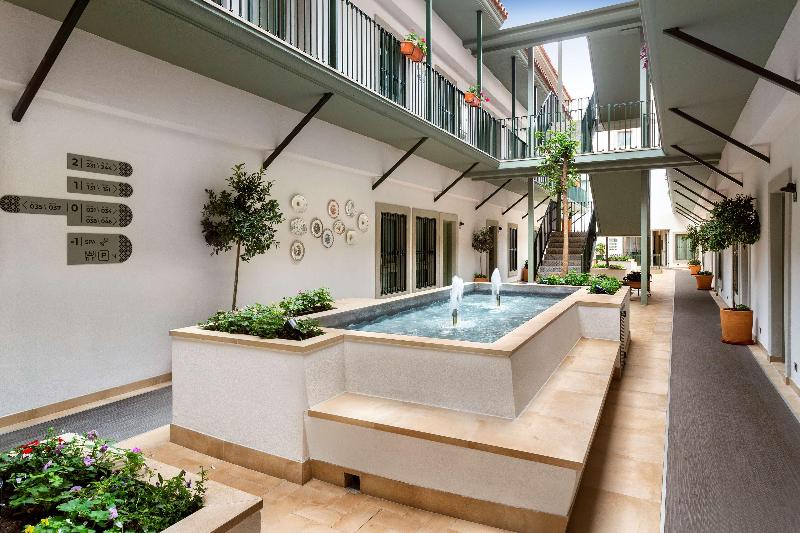
North of here, the Macarena district keeps a long stretch of the city's medieval walls and the basilica of the Virgin of the Macarena, one of the most revered figures of Seville's Holy Week. Hotels are a mix of restored palaces turned boutique hideaways and heritage buildings with Andalusian courtyards. The Cathedral is a 10 to 15-minute walk away.
Hotels to look at in Alameda de Hércules and Macarena
Triana
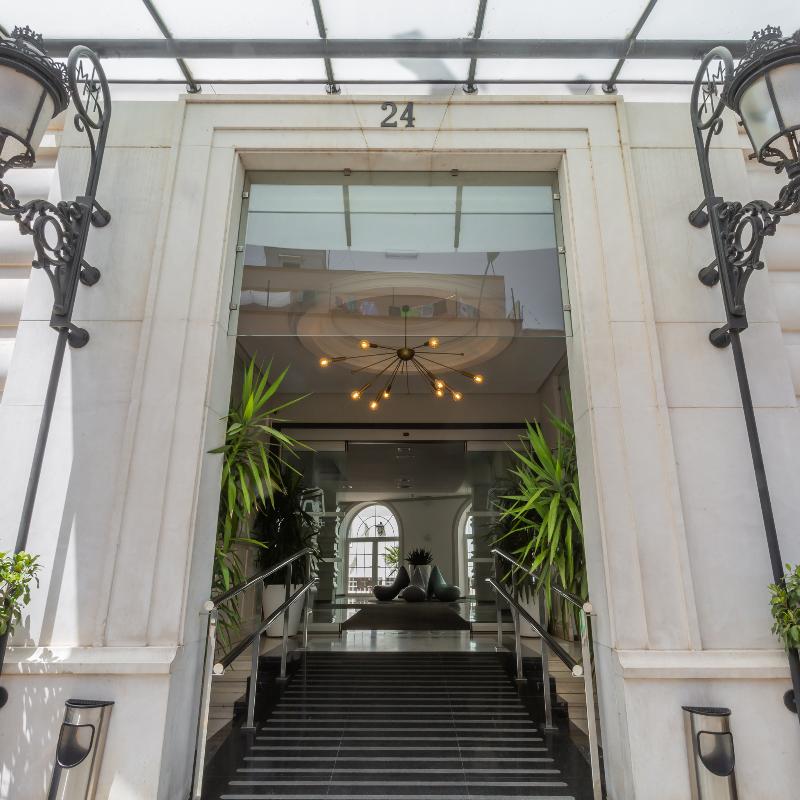
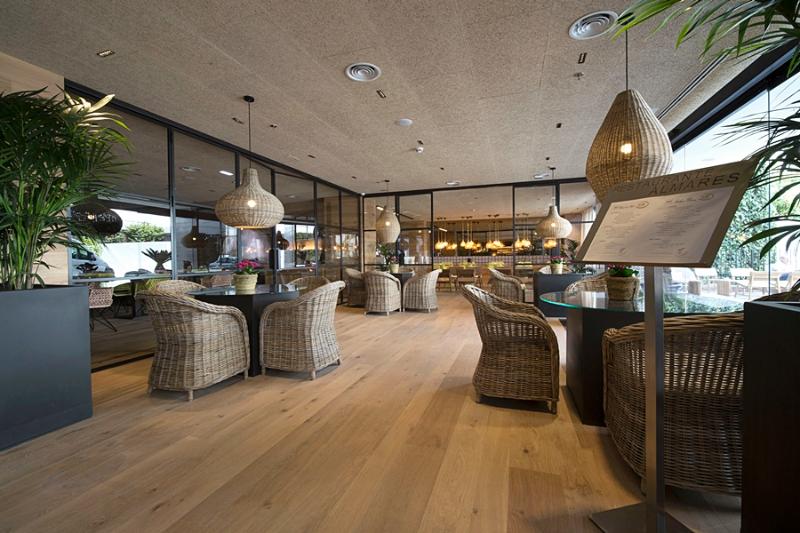
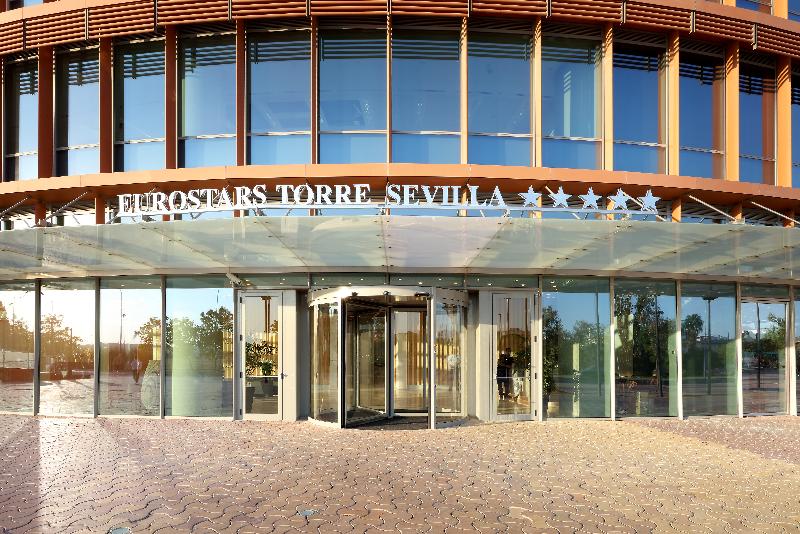
- Local life
- Flamenco
- Views
Across the river and proud of it: ceramics, flamenco and the best view of the old town.
Cross the Isabel II bridge and you're in Triana, the old sailors' and potters' quarter that has always considered itself a city of its own. Its workshops still turn out the hand-painted tiles you see all over Seville, its market hall stands on the ruins of a medieval castle, and its bars are where flamenco feels least like a show. Calle Betis, along the riverbank, has the classic view back across the water to the Torre del Oro.
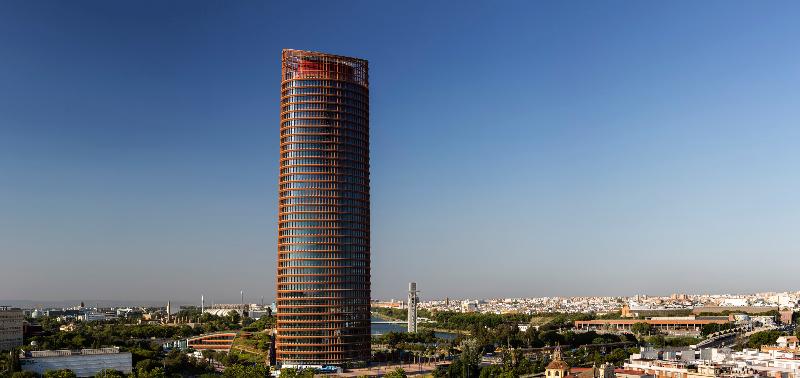
Staying here feels more local and less touristy, and hotels tend to be roomier, with pools and terraces looking over the city. Further up the river on the Isla de la Cartuja, site of the 1992 Expo, a sleek five-star fills the top floors of the Torre Sevilla, the tallest building in Andalusia.
Hotels to look at in Triana
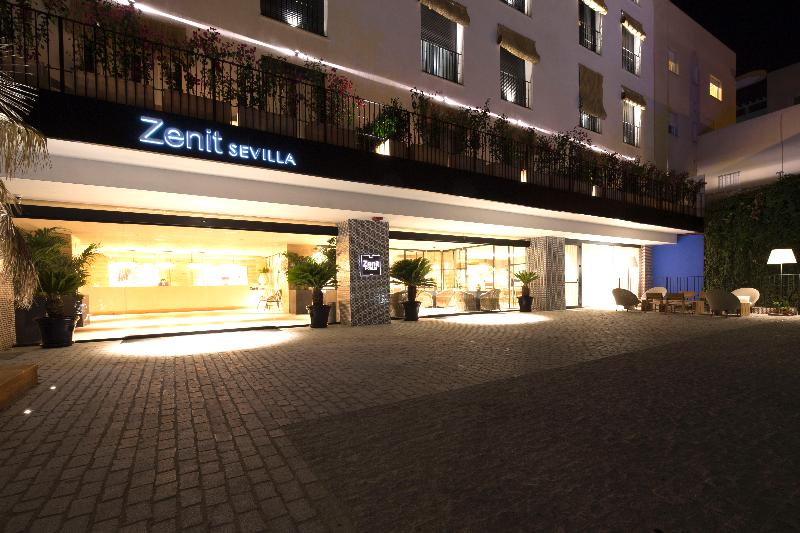
Parque de María Luisa and Plaza de España


- Families
- Parks
- Quiet
Leafy and grand: Seville’s great park, the Plaza de España and the legendary Alfonso XIII.
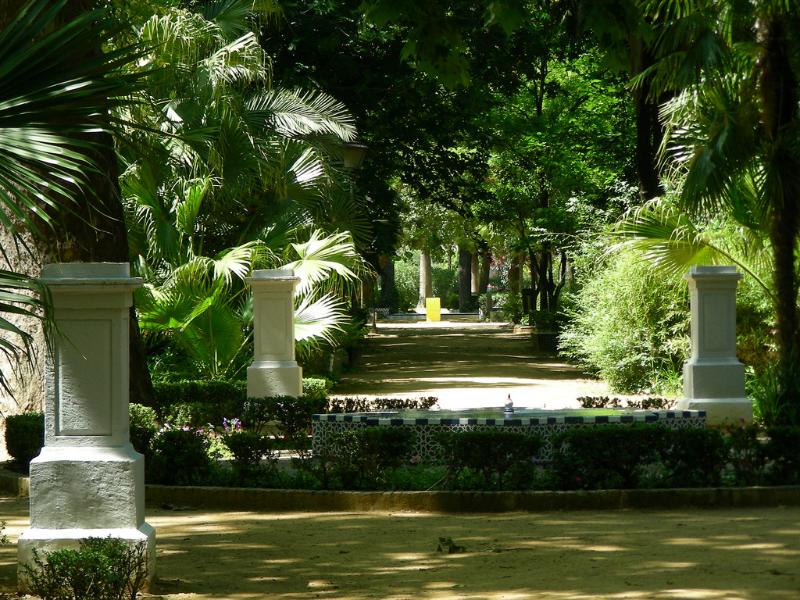
South of the Alcázar, the city opens out into the Parque de María Luisa, a cool, shady tangle of palms, ponds and tiled fountains that formed the backdrop to the 1929 Ibero-American Exposition. At its edge stands the Plaza de España, a vast brick-and-ceramic semicircle with a canal you can row along and a tiled alcove for every Spanish province. Children love it; so does everyone else.
Stay here for space and calm rather than medieval lanes. The Hotel Alfonso XIII, built for that exposition and still the grandest address in town, stands beside the old Royal Tobacco Factory, the setting for Carmen. Other hotels look straight onto the park, and smarter ones line the palm-shaded Avenida de la Palmera to the south. The Alcázar is about ten minutes on foot.
Hotels to look at in Parque de María Luisa and Plaza de España
Nervión and Santa Justa


- Trains
- Business
- Football
Practical Seville: the high-speed station, big shopping centres and the Sevilla FC stadium.
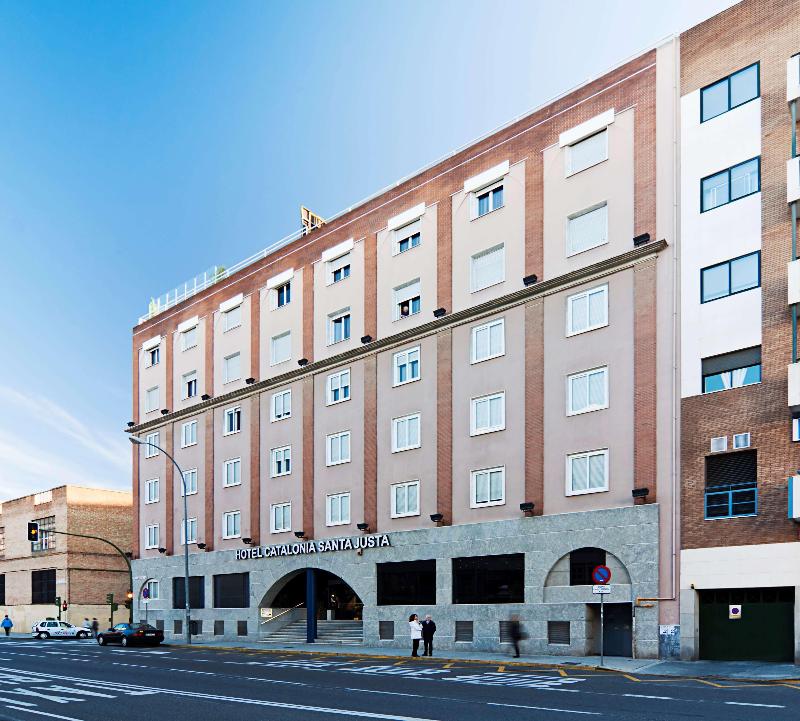
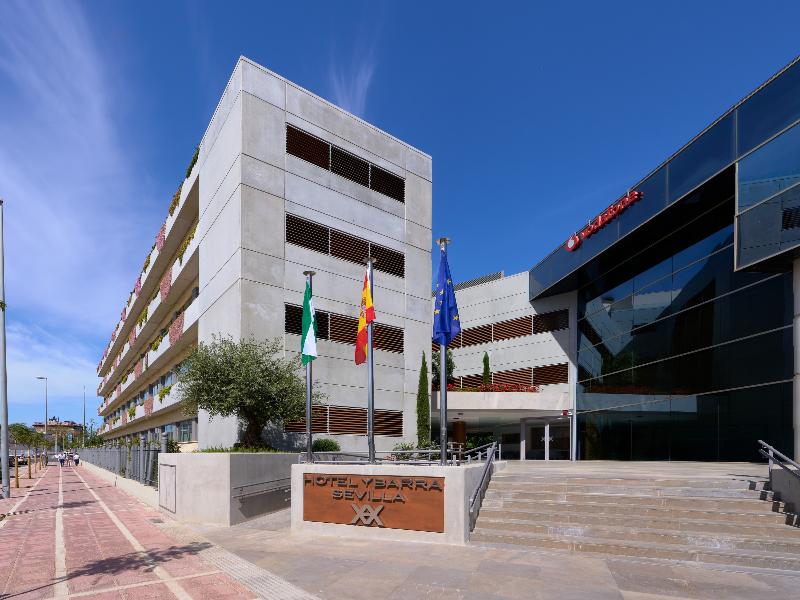
East of the old town, Nervión is modern Seville: wide avenues, department stores, the Nervión Plaza shopping centre and the Ramón Sánchez-Pizjuán, home of Sevilla FC. It lacks the romance of the centre but makes up for it in convenience, especially if you're arriving by high-speed train at Santa Justa or planning day trips to Córdoba.
Hotels are bigger and more modern, some with rooftop pools and children's play areas, and the Cathedral is roughly a 15-minute walk away. It's a smart choice for football weekends, business trips and anyone happy to save the medieval lanes for daytime.
Hotels to look at in Nervión and Santa Justa
★★★★★
Only YOU Hotel Sevilla
Pool · Pets allowed · Parking
From £263 a night, taxes incl.2 adults · checked 1 Oct, 17:38

★★★★
Melia Lebreros
All-inclusive option · Pool · Family-friendly
From £212 a night, taxes incl.2 adults · checked 1 Oct, 18:07
★★★★
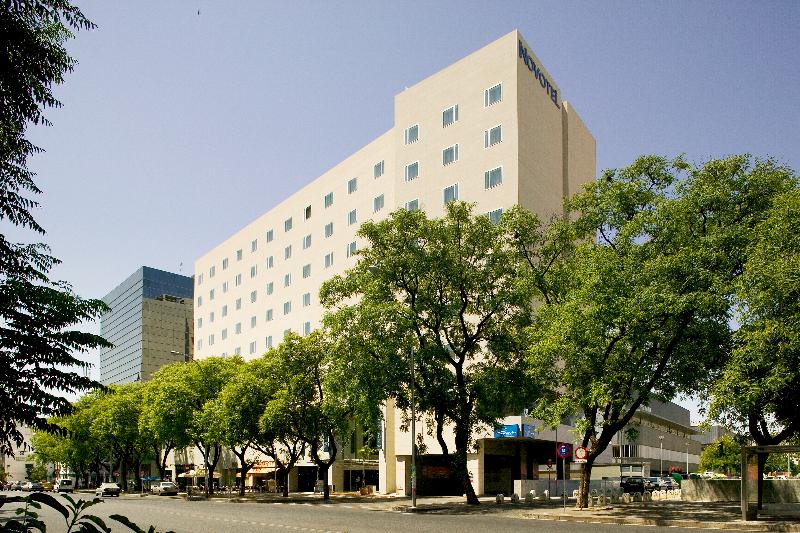
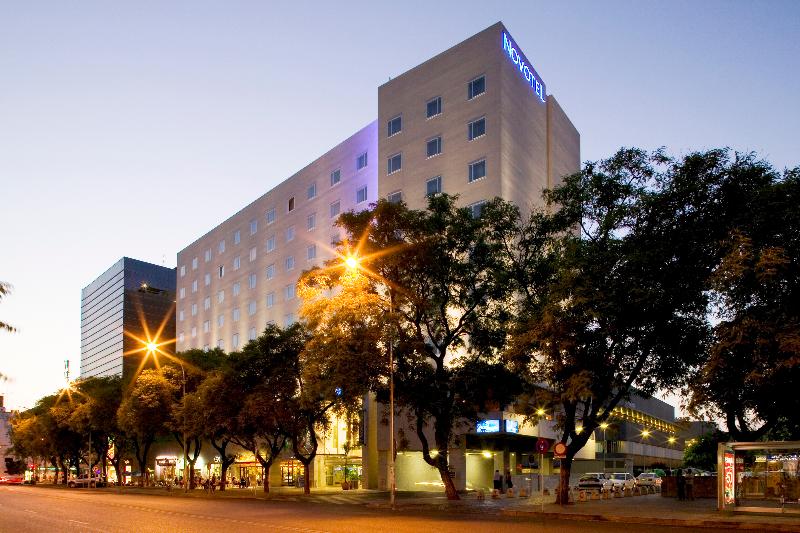
Novotel Sevilla
Rooftop pool · Family-friendly · Pets allowed
From £146 a night, taxes incl.2 adults · checked 1 Oct, 18:07
★★★★
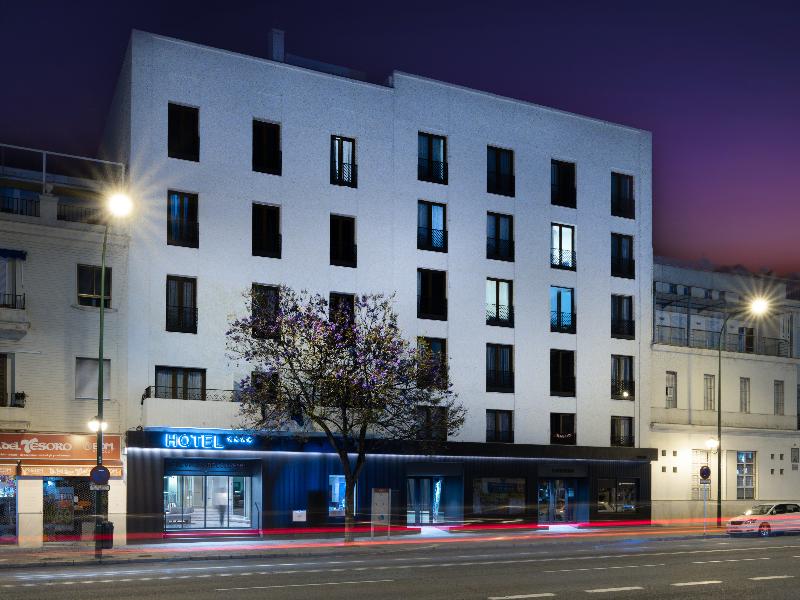
Virgen de los Reyes
Pets allowed · Parking
From £192 a night, taxes incl.2 adults · checked 1 Oct, 18:07
Which area, and when?
First visit? Santa Cruz or El Arenal, within a few minutes of the Cathedral. Nightlife? The Alameda or Triana. Children or a long stay? The María Luisa Park area. Spring is Seville's big moment, with orange blossom, Holy Week and the April Fair, so book early. In July and August afternoons can top 40°C: choose a hotel with a pool, sightsee early, rest after lunch and head out after dark like everyone else.
Getting there and around
Seville airport is about 10 km from the centre, and the airport bus stops at Santa Justa station, the Prado de San Sebastián and Plaza de Armas. High-speed trains from Santa Justa run to Madrid and Córdoba. In town, walk: the centre is flat and compact, a tram runs along the Avenida de la Constitución past the Cathedral, and the city is criss-crossed with cycle lanes.
Questions about where to stay in Seville
- What is the best area to stay in Seville?
- For a first visit, Santa Cruz or El Arenal, both a few minutes from the Cathedral, the Giralda and the Real Alcázar. Choose Triana for a more local feel across the river, the Alameda de Hércules for nightlife, or the María Luisa Park area for a calmer, leafier stay.
- Where should families stay in Seville?
- Around the Parque de María Luisa, where there is shade, space and the Plaza de España with its rowing boats. Hotels in Nervión and Triana are often roomier and more likely to have pools, which matter in the summer heat.
- Where is the nightlife in Seville?
- The Alameda de Hércules is the liveliest spot for bars and late-night terraces, and Triana has riverside bars along Calle Betis and some of the most authentic flamenco. Tapas crawls in Santa Cruz and El Arenal start late and run on well past midnight.
- Is it better to stay in Santa Cruz or Triana?
- Santa Cruz is the more convenient and romantic, right beside the Cathedral and the Alcázar, but busy with visitors by day. Triana, across the river, feels more local, with flamenco bars, ceramic workshops and lovely views of the old town, and the main sights are a 15 to 20-minute walk.
- Do I need a hotel with a pool in Seville?
- In summer, it helps. Seville is one of the hottest cities in Europe in July and August, and a rooftop or garden pool makes the afternoons far more bearable. Many central hotels have small rooftop plunge pools; the hotels with bigger pools are mostly around the María Luisa Park, Triana and Nervión.
More where to stay guides
- Where to stay in Majorca
- Where to stay in Malta
- Where to stay in Corfu
- Where to stay in Crete
- Where to stay in Sardinia
- Where to stay in Paris
- Where to stay in Rome
- Where to stay in Tenerife
- Where to stay in Sicily
- Where to stay in Gran Canaria
- Where to stay in Lanzarote
- Where to stay in Amsterdam
- Where to stay on Lake Garda
- Where to stay in Tokyo
- Where to stay in Rhodes
- Where to stay in Menorca
- Where to stay in Lisbon
- Where to stay in Barcelona
- Where to stay in Kefalonia
- Where to stay in Phuket
- Where to stay in Fuerteventura
- Where to stay in Bali
- Where to stay in Krakow
- Where to stay in Porto
- Where to stay in Bangkok
- Where to stay on Lake Como
- Where to stay in Madeira
- Where to stay in the Algarve
- Where to stay in Budapest
- Where to stay in New York
- Where to stay in Santorini
- Where to stay in Prague
- Where to stay in Berlin
- Where to stay in London
- Where to stay in Marrakech
- Where to stay in Venice
- Where to stay on the Amalfi Coast
- Where to stay in Koh Samui
- Where to stay in Puglia
- Where to stay in Madrid
- Where to stay in Milan
- Where to stay in Cyprus
- Where to stay in Ibiza
- Where to stay in Thailand
- Where to stay in Vienna
- Where to stay in Croatia
- Where to stay in Dubrovnik
- Where to stay in Naples
- Where to stay in Dublin
- Where to stay in Edinburgh
- Where to stay in Istanbul
- Where to stay in Abu Dhabi
- Where to stay in Antalya
- Where to stay in Antigua
- Where to stay in Australia
- Where to stay in Ayia Napa
- Where to stay in the Bahamas
- Where to stay in the Balearic Islands
- Where to stay in Barbados
- Where to stay in Benidorm
- Where to stay in Bodrum
- Where to stay in Boston
- Where to stay in Canada
- Where to stay in the Canary Islands
- Where to stay in Cancun
- Where to stay in Cape Town
- Where to stay in the Caribbean
- Where to stay in Chicago
- Where to stay on the Costa Brava
- Where to stay on the Costa del Sol
- Where to stay in Costa Rica
- Where to stay near Dalaman
- Where to stay in the Dominican Republic
- Where to stay in Dubai
- Where to stay in Egypt
- Where to stay in Florence
- Where to stay in Florida
- Where to stay on the French Riviera
- Where to stay in the Greek islands
- Where to stay in Halkidiki
- Where to stay in Hawaii
- Where to stay in Hong Kong
- Where to stay in Hurghada
- Where to stay in Iceland
- Where to stay in Jamaica
- Where to stay in Japan
- Where to stay in Kenya
- Where to stay in Kos
- Where to stay in Las Vegas
- Where to stay in Los Angeles
- Where to stay in Málaga
- Where to stay in the Maldives
- Where to stay in Marbella
- Where to stay in Marmaris
- Where to stay in Mauritius
- Where to stay in Mexico
- Where to stay in Miami
- Where to stay in Morocco
- Where to stay in Mykonos
- Where to stay in Nashville
- Where to stay in New Orleans
- Where to stay in New Zealand
- Where to stay in Nice
- Where to stay in Norway
- Where to stay in Oman
- Where to stay in Orlando
- Where to stay in Paphos
- Where to stay in Provence
- Where to stay in Punta Cana
- Where to stay in Reykjavik
- Where to stay in Salou
- Where to stay in San Francisco
- Where to stay in the Seychelles
- Where to stay in Sharm el Sheikh
- Where to stay in Singapore
- Where to stay in Skiathos
- Where to stay in Sorrento
- Where to stay in Split
- Where to stay in Sri Lanka
- Where to stay in St Lucia
- Where to stay in the Swiss Alps
- Where to stay in Sydney
- Where to stay in Toronto
- Where to stay in Tunisia
- Where to stay in Turkey
- Where to stay in Tuscany
- Where to stay in Vancouver
- Where to stay in Vietnam
- Where to stay in Washington DC
- Where to stay in Zante
- Where to stay in Zanzibar
- Where to stay in Zermatt