
South Korea moves fast. Seoul is a city of neon, skyscrapers and twenty-four-hour barbecue joints, where royal palaces sit calmly among the glass towers and the latest pop craze is already last week's news. Yet an hour or two away by bullet train there are temple-dotted mountains, fishing harbours and burial mounds a thousand years old, green as golf courses in the middle of town.
A first trip usually hangs on three or four stops. Seoul is unmissable and deserves most of your time. Busan, on the south coast, adds beaches and seafood. Gyeongju, the ancient capital, is the place for history. And Jeju, the volcanic holiday island, is where Koreans themselves go to unwind. The trains are superb, so combining them is easy.
The short answer

Best for first-timers
Seoul
Palaces, street food, all-night markets and a subway that takes you anywhere: the whole country in one giant city.

Best for beaches
Busan
City beaches with skyscrapers behind them, a fish market the size of a small town and hillside temples by the sea.

Best for couples
Jeju
A volcanic island of black-rock coasts, waterfalls and resort hotels in subtropical gardens.

Best for history
Gyeongju
Grassy royal tombs, a mountainside temple and a lake ringed with cherry trees, all in one small city.

Best for an airport stopover
Incheon
Resort hotels minutes from the terminal, with pools, spas and even a water park to fill a long layover.
Best for a quieter stay
Chuncheon
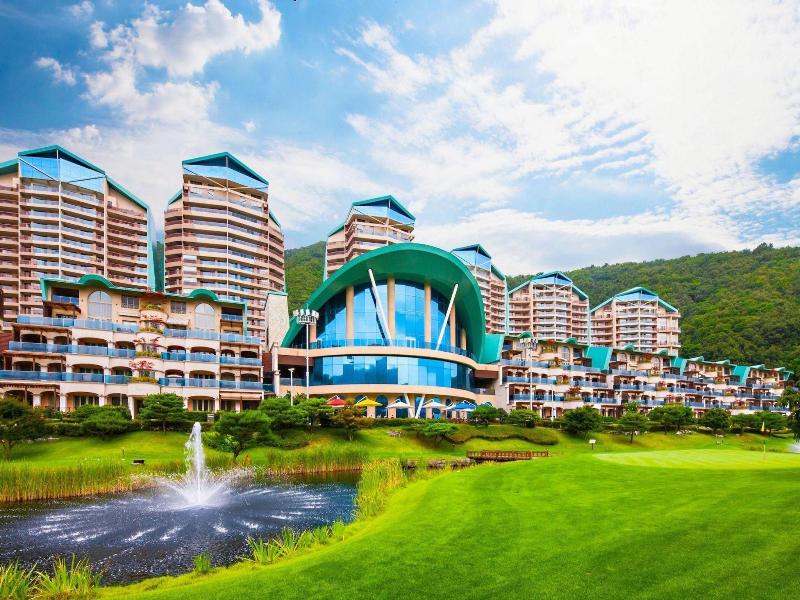
Lakes, forested hills and big mountain resorts in the cool air of the north-east.
South Korea areas at a glance
| Area | Best for | What it's like | Hotels |
|---|---|---|---|
| Seoul | First-timers, Food, Shopping | A dazzling, sleepless capital where palaces and pop culture share the same streets. | Hotels: 520 |
| Busan | Beaches, Seafood, City break | Korea’s second city: beaches, mountains and the freshest fish in the country. | Hotels: 410 |
| Jeju | Couples, Nature, Resorts | The holiday island: a sleeping volcano, lava coasts and resort hotels by the sea. | Hotels: 624 |
| Gyeongju | History, Temples, Cycling | The ancient capital, often called a museum without walls. | Hotels: 210 |
| Incheon | Airport stopover, Families, Resorts | More than an airport: resort hotels, a seaside park city and a short ride to Seoul. | Hotels: 238 |
| Daegu | Food, Markets, Off the beaten track | A big, unpretentious inland city with great markets and few foreign tourists. | Hotels: 137 |
| Gwangju | Food, Art, Modern history | The south-west’s capital of art, food and democratic spirit. | Hotels: 112 |
| Chuncheon and the Gangwon hills | Quiet, Skiing, Families | Lake country north-east of Seoul, with mountain resorts for every season. | Hotels: 140 |
Seoul


- First-timers
- Food
- Shopping
A dazzling, sleepless capital where palaces and pop culture share the same streets.
Seoul is enormous, but it breaks down neatly. North of the Han River is the old city: the royal palaces, the wooden houses of Bukchon, the shopping streets of Myeongdong and the markets of Dongdaemun, which stay open far into the night. South of the river is Gangnam, the district of broad avenues, towers, plastic-surgery clinics and very expensive handbags.
First-timers should stay north of the river, near City Hall, Myeongdong or Dongdaemun, where the sights are close and the street food is everywhere. Gangnam suits shoppers and anyone who wants big, sleek hotels with every facility. The financial island of Yeouido, in the river, has some of the city's newest five-stars and skyline views. Wherever you sleep, the subway makes the rest easy.
Hotels to look at in Seoul


Busan


- Beaches
- Seafood
- City break
Korea’s second city: beaches, mountains and the freshest fish in the country.
Busan is Seoul's easy-going seaside cousin. The city is squeezed between green mountains and the sea, so it comes in a series of bays and neighbourhoods linked by bridges and tunnels. It has the country's biggest fish market, a hillside village painted every colour of the rainbow and a cliff-top temple with waves breaking below.
Most visitors stay in Haeundae, the eastern beach district, where a broad strand of sand is backed by glittering towers, and the top hotels have ocean views and pools high above the water. Gwangalli, the next bay along, has a great night-time view of its illuminated bridge. Songdo, in the older west of the city, is quieter and closer to the markets. The bullet train from Seoul takes about two and a half hours.
Hotels to look at in Busan


Jeju


- Couples
- Nature
- Resorts
The holiday island: a sleeping volcano, lava coasts and resort hotels by the sea.
Jeju is Korea's favourite escape, an oval volcanic island off the south coast with a mild climate and a personality of its own. Hallasan, the country's highest mountain, rises in the middle. Around it are lava tubes, waterfalls that drop into the sea, tangerine groves and a coast of black rock where women divers still gather shellfish by hand.
Where you stay depends on your plans. Jeju City, in the north, is beside the airport and has the biggest, flashiest hotels. The south coast, around Seogwipo and the Jungmun resort area, is warmer and prettier, with five-star hotels in landscaped gardens above the ocean, about 40 minutes from the airport. The west coast around Aewol is known for sea-view cafés and sunsets. Hire a car if you can.
Hotels to look at in Jeju


Gyeongju


- History
- Temples
- Cycling
The ancient capital, often called a museum without walls.
For nearly a thousand years Gyeongju was the capital of the Silla kingdom, and the evidence is everywhere. Enormous grassy burial mounds swell up in the middle of town like a row of green hills. A seventh-century observatory stands in a field. On the mountain to the south-east, Bulguksa Temple is one of the most beautiful Buddhist sites in the country.
There are two places to stay. The old centre has the tombs and the best restaurants within walking distance. Bomun Lake, a few miles east, is the resort district, where the large hotels are, with gardens, pools and a lakeside path lined with cherry trees. A hotel beside Bulguksa suits early risers who want the temple to themselves. Busan is about an hour away.
Hotels to look at in Gyeongju


Incheon


- Airport stopover
- Families
- Resorts
More than an airport: resort hotels, a seaside park city and a short ride to Seoul.
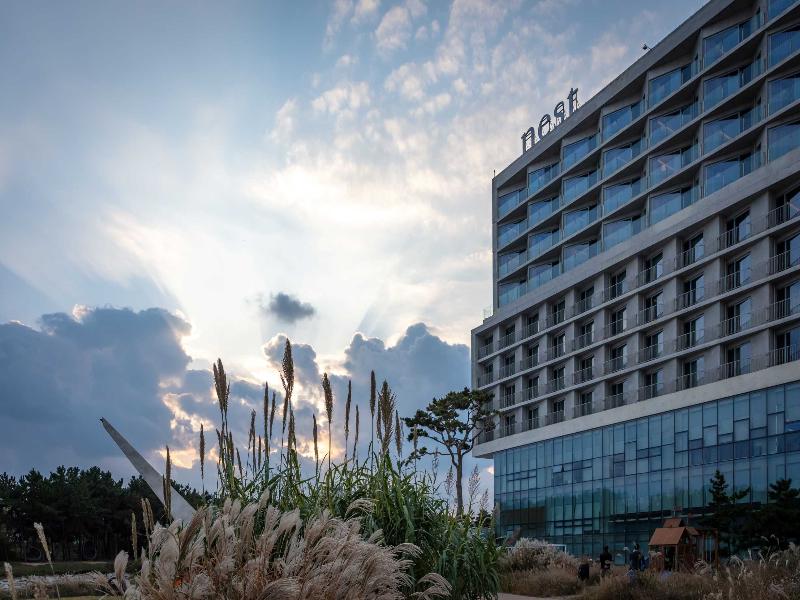
Almost every international visitor arrives at Incheon, and for a first or last night it can make sense to stay put. The hotels beside the airport are not the usual grey boxes: there is a large five-star next to the terminals, a design hotel with an infinity pool looking over the Yellow Sea, and a vast entertainment resort with an arena and an indoor water park.
Across the bridge, Songdo is a new city built on reclaimed land around a central park with a seawater canal, where you can paddle a boat between the towers. It is calm, modern and good with children. Central Seoul is about an hour away by airport train.
Hotels to look at in Incheon


Daegu


- Food
- Markets
- Off the beaten track
A big, unpretentious inland city with great markets and few foreign tourists.
Daegu is one of Korea's biggest cities and sees a fraction of the visitors that Seoul and Busan do. It sits in a basin ringed by mountains, famously hot in summer, with one of the country's great traditional markets, a lively downtown of cafés and fashion shops, and temples in the hills to the north. It lies on the bullet-train line between Seoul and Busan, so it is an easy stop, and Gyeongju is close by. Hotels are large, modern and good value, several with pools, saunas and spas.
Hotels to look at in Daegu


Gwangju


- Food
- Art
- Modern history
The south-west’s capital of art, food and democratic spirit.
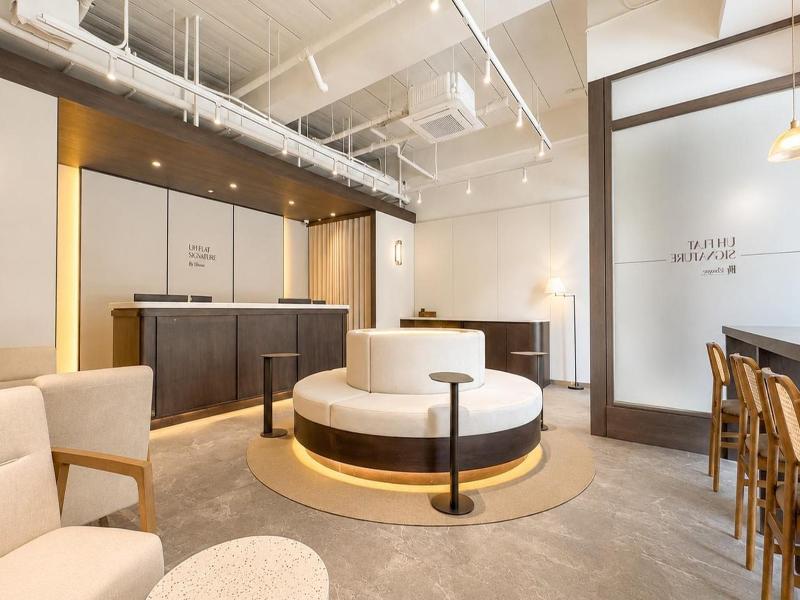
Gwangju holds a special place in Korean hearts as the city whose 1980 uprising helped bring democracy to the country, and it honours that history with moving memorials. It is also an arts city, with a major contemporary art biennale and a huge cultural centre downtown, and the surrounding region is widely held to have the best food in Korea: every meal arrives with a table full of side dishes. Stay downtown near the cultural centre, or in the newer western district close to the fast-train station and the convention centre.
Hotels to look at in Gwangju


Chuncheon and the Gangwon hills

- Quiet
- Skiing
- Families
Lake country north-east of Seoul, with mountain resorts for every season.
North-east of Seoul the land crumples into forested hills and long, still lakes, and the pace slows right down. Chuncheon, the regional capital, is a relaxed lakeside city that Koreans associate with spicy stir-fried chicken and weekend escapes; a cable car now glides out across the water to the hills beyond.
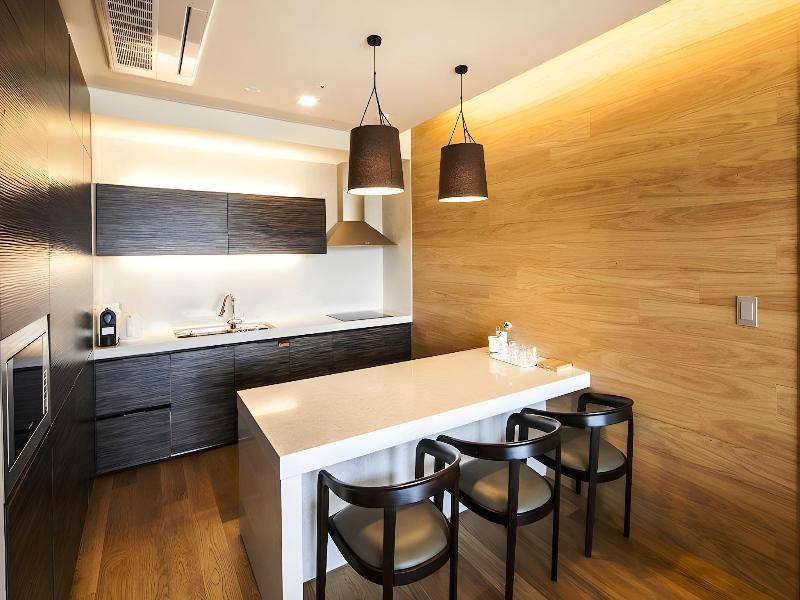
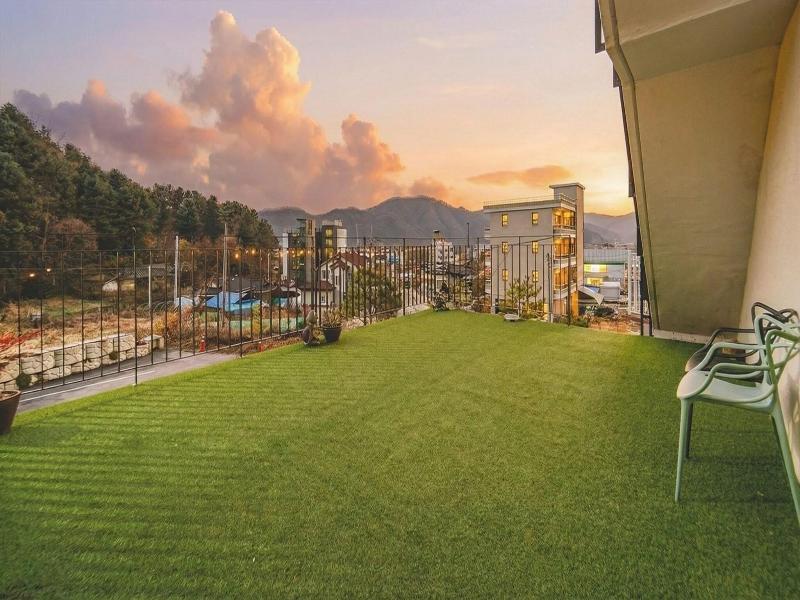
The big draw for families is the mountain resorts in the surrounding countryside. These are huge, self-contained complexes with hundreds of rooms, where you ski in winter and swim, hike or play golf the rest of the year. They are aimed squarely at Korean families, which is part of the fun. Small lakeside guesthouses with terraces and barbecue grills offer a simpler alternative.
Hotels to look at in Chuncheon

Where to go on a first trip
With a week, spend four nights in Seoul, then take the train south for a night in Gyeongju and two in Busan. With ten days or more, add Jeju by a short flight. If you have been before, or you like your cities without crowds of other tourists, try Daegu and Gwangju, or head for the lakes and mountains around Chuncheon.
Getting around
International flights arrive at Incheon, about an hour from central Seoul by airport train. The high-speed KTX links Seoul with Daegu, Gyeongju, Busan and Gwangju in two to three hours, and domestic flights to Jeju leave constantly. Subways in the big cities are cheap, clean and signed in English. A hire car is only really useful on Jeju and in the countryside.
Sorted where to stay? Now plan the days. Read our guide: The best things to do in South Korea →
Questions about where to stay in South Korea
- What is the best place to stay in South Korea for first-timers?
- Seoul. Stay north of the Han River, around City Hall, Myeongdong or Dongdaemun, to be close to the palaces, markets and street food. Add Busan and Gyeongju by high-speed train if you have a week or more.
- Is Seoul or Busan better?
- Seoul is bigger and has far more to see, from palaces to nightlife, so it comes first on any itinerary. Busan is more relaxed, with beaches, seafood and sea views, and makes an ideal second stop. The fast train between them takes about two and a half hours.
- Where should I stay on Jeju?
- Stay in Jeju City for convenience, nightlife and the airport. Stay on the south coast, around Seogwipo and Jungmun, for scenery, waterfalls and resort hotels with ocean views. The Aewol area on the west coast is good for a quieter stay by the sea.
- Where are the best beaches in South Korea?
- Busan has the best-known city beaches, Haeundae and Gwangalli, with hotels right behind the sand. Jeju has the most attractive coastline, with pale sand and clear water set against black volcanic rock.
- Should I stay near Incheon Airport or in Seoul?
- Stay in Seoul for sightseeing; it is about an hour from the airport. Stay at Incheon for a late arrival, an early departure or a long layover: the airport hotels have pools and spas, and one resort has an indoor water park.
More where to stay guides
- Where to stay in Majorca
- Where to stay in Malta
- Where to stay in Corfu
- Where to stay in Crete
- Where to stay in Sardinia
- Where to stay in Paris
- Where to stay in Rome
- Where to stay in Tenerife
- Where to stay in Sicily
- Where to stay in Gran Canaria
- Where to stay in Lanzarote
- Where to stay in Amsterdam
- Where to stay on Lake Garda
- Where to stay in Tokyo
- Where to stay in Rhodes
- Where to stay in Menorca
- Where to stay in Lisbon
- Where to stay in Barcelona
- Where to stay in Kefalonia
- Where to stay in Phuket
- Where to stay in Fuerteventura
- Where to stay in Bali
- Where to stay in Krakow
- Where to stay in Porto
- Where to stay in Bangkok
- Where to stay on Lake Como
- Where to stay in Madeira
- Where to stay in the Algarve
- Where to stay in Budapest
- Where to stay in New York
- Where to stay in Santorini
- Where to stay in Prague
- Where to stay in Seville
- Where to stay in Berlin
- Where to stay in London
- Where to stay in Marrakech
- Where to stay in Venice
- Where to stay on the Amalfi Coast
- Where to stay in Koh Samui
- Where to stay in Puglia
- Where to stay in Madrid
- Where to stay in Milan
- Where to stay in Cyprus
- Where to stay in Ibiza
- Where to stay in Thailand
- Where to stay in Vienna
- Where to stay in Croatia
- Where to stay in Dubrovnik
- Where to stay in Naples
- Where to stay in Dublin
- Where to stay in Edinburgh
- Where to stay in Istanbul
- Where to stay in Montenegro
- Where to stay in Copenhagen
- Where to stay in Kyoto
- Where to stay in Athens
- Where to stay in Osaka
- Where to stay in Valencia
- Where to stay in Albania
- Where to stay in Krabi
- Where to stay in Seoul
- Where to stay in York
- Where to stay in Stockholm
- Where to stay in Chiang Mai
- Where to stay in Hanoi
- Where to stay in Bologna
- Where to stay in Brussels
- Where to stay in Beijing
- Where to stay in Bordeaux
- Where to stay in Bucharest
- Where to stay in Busan
- Where to stay in Kuala Lumpur
- Where to stay in Liverpool
- Where to stay in Marseille
- Where to stay in Mexico City
- Where to stay in Munich
- Where to stay in Oslo
- Where to stay in Portugal
- Where to stay in Shanghai
- Where to stay in Verona
- Where to stay in Brighton
- Where to stay in Bruges
- Where to stay in Cairo
- Where to stay in Cambridge
- Where to stay in Chester
- Where to stay in Goa
- Where to stay in Manchester
- Where to stay in Okinawa
- Where to stay in Oxford
- Where to stay in Switzerland
- Where to stay in Bristol
- Where to stay in Buenos Aires
- Where to stay in Gdansk
- Where to stay in Geneva
- Where to stay in Granada
- Where to stay in Greece
- Where to stay in Hiroshima
- Where to stay in Inverness
- Where to stay in Lyon
- Where to stay in Salzburg
- Where to stay in Zurich
- Where to stay in Agadir
- Where to stay in Blackpool
- Where to stay in Cologne
- Where to stay in Italy
- Where to stay in Lille
- Where to stay in Melbourne
- Where to stay in Montreal
- Where to stay in Penang
- Where to stay in Pisa
- Where to stay in Rio de Janeiro
- Where to stay in Taipei
- Where to stay in Tirana
- Where to stay in Warsaw
- Where to stay in Cebu
- Where to stay in Doha
- Where to stay in Hamburg
- Where to stay in Jeju
- Where to stay in Mumbai
- Where to stay in San Diego
- Where to stay in Birmingham
- Where to stay in Brisbane
- Where to stay in Delhi
- Where to stay in Ireland
- Where to stay in Strasbourg
- Where to stay in Auckland
- Where to stay in Austin
- Where to stay in Dallas
- Where to stay in the Florida Keys
- Where to stay in Frankfurt
- Where to stay in Rotterdam
- Where to stay in Seattle
- Where to stay in Zagreb
- Where to stay in Antwerp
- Where to stay in Calgary
- Where to stay in Cartagena
- Where to stay in Christchurch
- Where to stay in France
- Where to stay in Fukuoka
- Where to stay on the Gold Coast
- Where to stay in Ho Chi Minh City
- Where to stay in Houston
- Where to stay in Innsbruck
- Where to stay in Jaipur
- Where to stay in Lucerne
- Where to stay in Puerto Rico
- Where to stay in Sofia
- Where to stay in Spain
- Where to stay in Atlanta
- Where to stay in Dusseldorf
- Where to stay in Fort Lauderdale
- Where to stay in Memphis
- Where to stay in Pattaya
- Where to stay in Philadelphia
- Where to stay in Queenstown
- Where to stay in Denver
- Where to stay in Niagara Falls
- Where to stay in Nuremberg
- Where to stay in Lake Tahoe
- Where to stay in Palm Springs
- Where to stay in Phoenix
- Where to stay in Germany
- Where to stay in Nara
- Where to stay in Salt Lake City
- Where to stay in San Antonio
- Where to stay in Savannah
- Where to stay in Charlotte
- Where to stay in Minneapolis
- Where to stay in Myrtle Beach
- Where to stay in Pittsburgh
- Where to stay in Abu Dhabi
- Where to stay in Antalya
- Where to stay in Antigua
- Where to stay in Australia
- Where to stay in Ayia Napa
- Where to stay in the Bahamas
- Where to stay in the Balearic Islands
- Where to stay in Barbados
- Where to stay in Benidorm
- Where to stay in Bodrum
- Where to stay in Boston
- Where to stay in Canada
- Where to stay in the Canary Islands
- Where to stay in Cancun
- Where to stay in Cape Town
- Where to stay in the Caribbean
- Where to stay in Chicago
- Where to stay on the Costa Brava
- Where to stay on the Costa del Sol
- Where to stay in Costa Rica
- Where to stay near Dalaman
- Where to stay in the Dominican Republic
- Where to stay in Dubai
- Where to stay in Egypt
- Where to stay in Florence
- Where to stay in Florida
- Where to stay on the French Riviera
- Where to stay in the Greek islands
- Where to stay in Halkidiki
- Where to stay in Hawaii
- Where to stay in Hong Kong
- Where to stay in Hurghada
- Where to stay in Iceland
- Where to stay in Jamaica
- Where to stay in Japan
- Where to stay in Kenya
- Where to stay in Kos
- Where to stay in Las Vegas
- Where to stay in Los Angeles
- Where to stay in Málaga
- Where to stay in the Maldives
- Where to stay in Marbella
- Where to stay in Marmaris
- Where to stay in Mauritius
- Where to stay in Mexico
- Where to stay in Miami
- Where to stay in Morocco
- Where to stay in Mykonos
- Where to stay in Nashville
- Where to stay in New Orleans
- Where to stay in New Zealand
- Where to stay in Nice
- Where to stay in Norway
- Where to stay in Oman
- Where to stay in Orlando
- Where to stay in Paphos
- Where to stay in Perth
- Where to stay in Provence
- Where to stay in Punta Cana
- Where to stay in Reykjavik
- Where to stay in Salou
- Where to stay in San Francisco
- Where to stay in the Seychelles
- Where to stay in Sharm el Sheikh
- Where to stay in Singapore
- Where to stay in Skiathos
- Where to stay in Sorrento
- Where to stay in Split
- Where to stay in Sri Lanka
- Where to stay in St Lucia
- Where to stay in the Swiss Alps
- Where to stay in Sydney
- Where to stay in Toronto
- Where to stay in Tunisia
- Where to stay in Turkey
- Where to stay in Tuscany
- Where to stay in Vancouver
- Where to stay in Vietnam
- Where to stay in Washington DC
- Where to stay in Zante
- Where to stay in Zanzibar
- Where to stay in Zermatt